
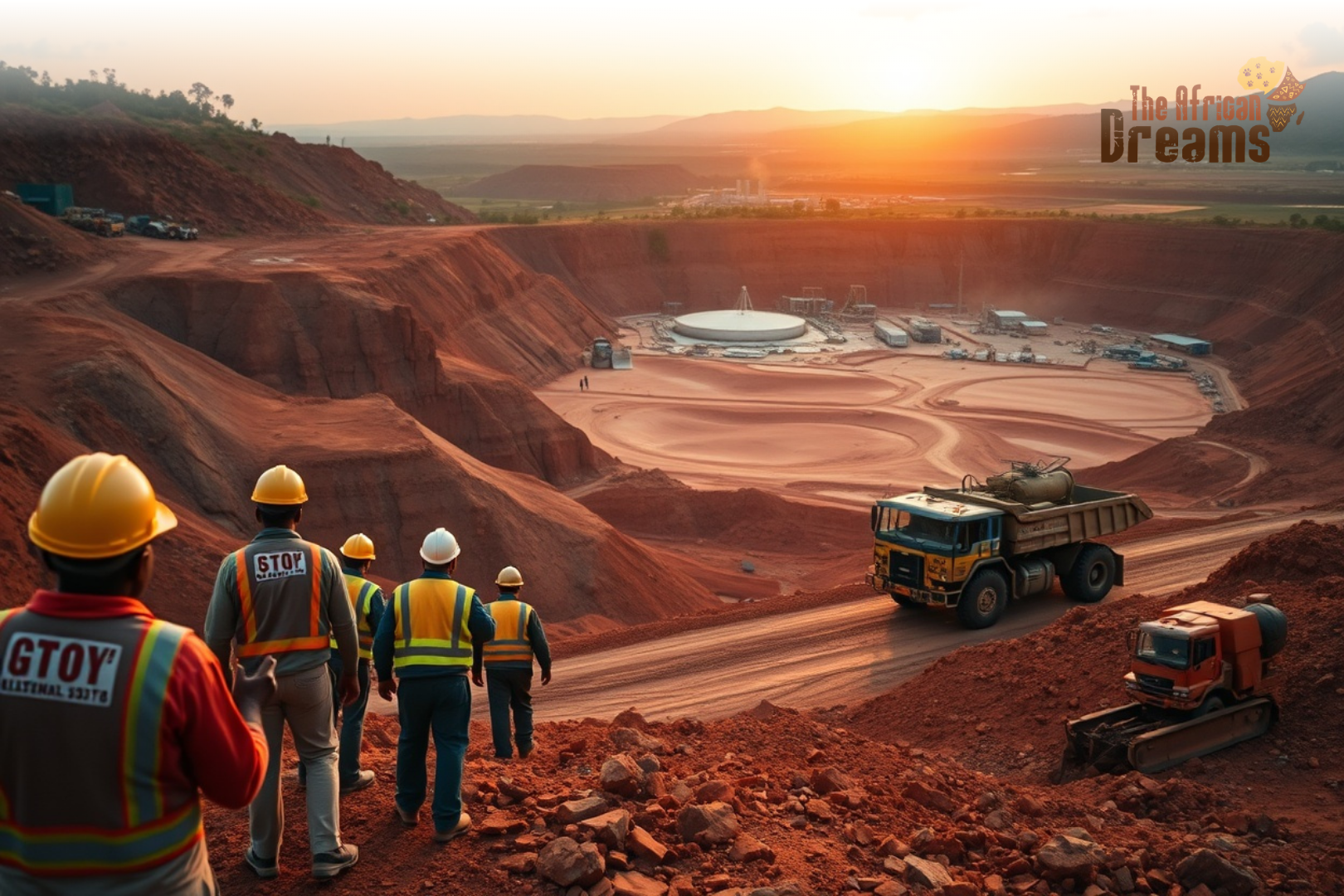
FDI in Malawi's Mining Industry
Malawi, known as the Warm Heart of Africa, is a country with great potential for economic growth because of its huge untapped natural resources. From manufacturing to mining, every sector has opportunities to grow significantly if proper care is taken. Malawi’s mining industry holds significant potential for economic growth.
The impact of foreign direct investment (FDI) on Malawi’s mining industry is notable, as the sector is influenced by it. Currently, mining contributes 1% to Malawi’s GDP. However, the government projects the sector’s contribution to rise between 10% and 20% in the medium & long-run, due to increased investment and development.
This blog will discuss the importance of FDI in Malawi’s mining industry and its impact on the country.
Malawi's Mining Industry
The history of Malawi’s mining industry is relatively recent compared to its neighbors. But it has significant potential due to the country’s untapped mineral resources. During the pre-colonial period, indigenous communities were engaged in artisanal mining. Primarily, they used to extract iron ore, salt, and clay for tools and local trade.
After independence, the governments focused on agriculture. A few small-scale operations in limestone, coal, and gemstones were active. Malawi’s mining industry gained attention in 2007 due to the discovery of uranium at Kayelekera.
Malawi has several minerals with economic potential, including uranium, phosphates (apatite), bauxite, kaolinite, coal, kyanite, limestone, rare earths (including strontianite and monazite), graphite, sulfides (pyrite and pyrrhotite), titanium minerals, and vermiculite. Most of these minerals were evaluated in the past by either the Ministry of Mining (through the Geological Survey Department) or private companies.
According to Malawi’s Ministry of Mines, the country has estimated lithium reserves of 1.5 million tonnes, making it one of the world’s leading producers. Lithium is an important part of manufacturing batteries for electric vehicles, a rapidly expanding market. By 2023, global demand for lithium is expected to increase by 40%, reaching 500,000 tonnes. It is clear that Malawi is well-positioned to meet this demand.
Malawi’s extractive industry gained momentum with the commissioning of the Kayelekera Uranium Mine in 2007/2008, which is by far the largest FDI project in the country. This mine holds about 51 million pounds of Uranium.
Some of the largest mines in Malawi are the Kanyika Niobium Mine and the Kangankunde Rare Earth Project, which extract significant amounts of natural resources.
FDI Inflow in Malawi’s Economy
Though steadily, Malawi’s economy is attracting foreign direct investment. The chart below shows the gradual improvement in FDI inflows in Malawi’s economy.
|
Year |
USD in Million |
(%) Increase/Decrease |
|
2020 |
252.18 |
356.62 |
|
2021 |
129.50 |
48.65 |
|
2022 |
198.73 |
53.46 |
|
2023 |
203.25 |
2.28 |
Figure : Increase/Decrease of FDI in Percentage
Why Invest in Malawi's Mining Industry
There are several factors that make Malawi’s mining industry a suitable place for investment.
1. Natural Resource Potential: Malawi is rich in minerals (uranium, niobium, rare earths), agricultural land, and hill tracts, making it attractive for mining, energy, and agribusiness investment. As most of the natural resources are untapped till now, foreign investors are getting attracted to invest for the long run.
2. Strategic Location: Malawi is centrally located in Southern Africa. It is surrounded by Mozambique, Tanzania, and Zambia. This position offers great regional trade potential. Malawi offers access to the SADC and COMESA trade blocs with a combined market of over 500 million people.
3. Stable Political Environment: Malawi is considered a peaceful and politically stable country that attracts foreign investors for long-term investment. It has a history of peaceful democratic transitions, which fosters investor confidence.
4. Investment Incentives: The Malawian government offers various incentives to attract foreign investment, including tax breaks and a one-stop service center through the Malawi Investment and Trade Center (MITC) to streamline investment procedures.
5. Infrastructure Development: The Malawian government is focusing on developing the infrastructure of the country, which significantly impacts FDI. Both urban and rural areas are getting equal importance while developing infrastructure.
Well-developed infrastructure increases the competitiveness of the overall economy of the country. Malawi ranks 115th of the 180 economies on the 2023 Corruption Perception Index and 129th out of 184 countries on the latest Index of Economic Freedom.
To learn more about the legal framework and reforms of Malawi’s mining industry, including steps to start a mining project, policy gaps, and what needs to change, read Malawi’s Mining Sector: Laws and Regulatory Institutions.
Impact of FDI on Economic Growth in Malawi
Foreign Direct Investment (FDI) inflows in Malawi have shown great fluctuations in recent years. In 2020, it peaked at $252 million, almost 2.09% of Malawi’s GDP. Although there was a significant decline in 2021, it rose to $206 million in 2023.
Through its positive inflow, FDI has reshaped Malawi’s mining and its overall economy. It is contributing significantly to the major contributing sectors. The tea, mining, and manufacturing sectors are now performing extraordinarily because of the heavy investment.
1. Export Enhancement: Projected FDI inflows are expected to generate significant export revenue, projecting $160 million at the end of this fiscal year. It will increase to $175 million by 2026. This boost in exports will positively affect the country’s foreign reserves and result in economic stability.
2. Generating Employment: A positive flow of FDI will foster the overall development of the economy. With increased productivity, more people will get the opportunity to get employed. It will improve the socio-economic condition of the country.
3. Industrial Development: Investments in industrial parks, such as the Magwero and Chigumula Industrial Parks, are set to foster manufacturing activities. This will result in the development of the infrastructure of the country, which will increase the competitiveness of the Malawian economy.
4. Sectoral Growth: FDI has been instrumental in the growth of key sectors, particularly agriculture, energy, and mining. The agricultural sector attracts the most FDI, primarily from countries like South Africa, Germany, and the United States. Additionally, there is a growing interest in renewable energy projects, especially in solar and hydropower, and exploration of rare earth elements near Lake Malawi, which could further enhance the mining sector.
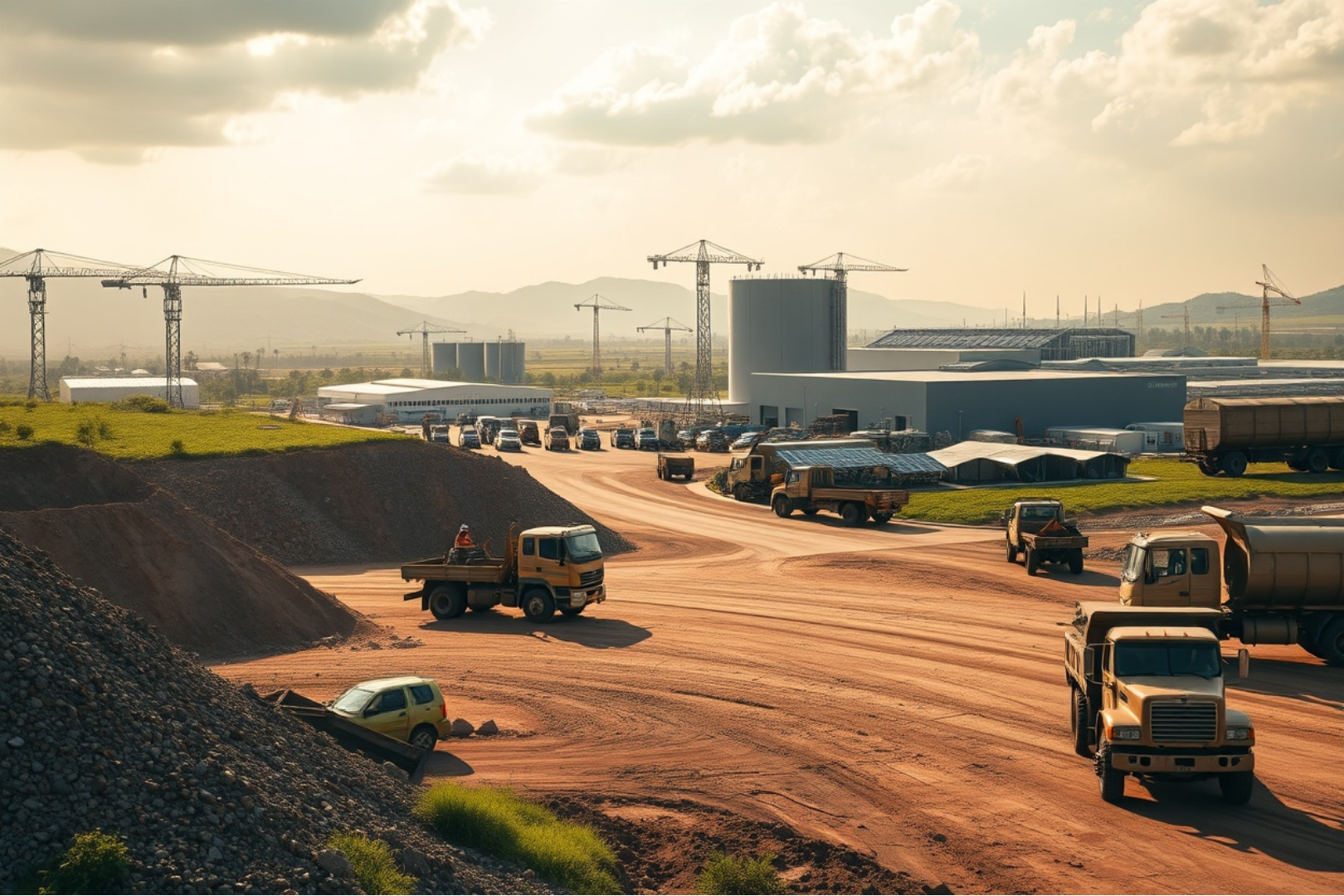
Challenges FDI is Facing in Malawi's Mining Industry
Despite the growth in Foreign Direct Investment (FDI), Malawi faces several challenges.
1. Inadequate infrastructure increases the overall cost for investors. Shortage of electricity, poor transportation network, and limited ICT access cause difficulties for the investors.
2. Shortage of technically skilled labor, especially in sectors like mining, manufacturing, and energy, makes it difficult for investors to get the expected productivity.
3. Inconsistent enforcement of regulations, lengthy procedures for business registration, land acquisition, and permits discourage investors’ confidence.
4. Forex shortage and currency instability make it difficult for foreign companies to repatriate profits or to import necessary materials.
5. Malawi’s economy has a small market with a population of 20 million. It’s difficult for investors to generate enough return by focusing on the local market only.
Future Opportunities in Malawi's Mining Industry
Malawi’s mining industry is experiencing significant growth, creating promising prospects for economic transformation. Proper planning and usage of its mineral resources will boost the economy by generating increased revenue.
According to the World Bank, Malawi can generate up to US$30 billion from mineral exports between 2026 and 2040, with annual revenue expected to hit US$3 billion by 2034. The financial institution projects the sector to account for 12% of the country’s GDP by 2027.
Malawi has recorded some milestones in 2025. Australian company Lotus Resources secured US$38.5 million in funding for its Kayelekera Uranium Project.
In January 2025, Kula Gold and African Rare Metals established a joint venture for the Wozi Niobium project to accelerate project development through expertise and shared capital.
Malawi is emerging as an important player in the global supply of rare earth elements, essential for green technologies and defense applications. Projects like the Songwe Hill and Kangankunde REE mines are attracting substantial foreign investment, positioning Malawi as a key supplier in this high-demand sector.
The Kayelekera Uranium Mine is set to resume operations by mid-2025. It will significantly contribute to government revenue and will create jobs in the northern region. This revival underscores Malawi’s potential in the uranium sector, which remains a strategic resource in the global energy market.
The Kanyika Niobium Mine in Mzimba District, with estimated resources of 60 million tonnes of ore grading 0.29% niobium metal, represents one of the largest niobium deposits in Malawi. This project is poised to become the second-largest mining operation in the country, offering substantial economic benefits.
Malawi’s diverse range of colored gemstones, including aquamarine, amethyst, and ruby, has seen a 61% increase in production in 2024, driven by rising global demand. These gemstones have found markets in Asia, Europe, and the USA, presenting significant export opportunities in the global market.
The government’s efforts to formalize Artisanal and Small-Scale Mining (ASM) activities through cooperatives have improved revenue collection from license fees and royalties, particularly in gold and gemstone mining. This formalization enhances sector transparency and contributes to sustainable economic development.
To support mining activities, Malawi plans to boost its energy generation capacity by 230 MW, addressing critical energy requirements for efficient mining operations. This initiative aims to create a conducive environment for mining companies to thrive and contribute to the country’s economic growth.
The launch of MAMICO, a state-owned enterprise under the Malawi Development Corporation, aims to promote the country’s mineral resources, including rare earth minerals, gold, uranium, niobium, and graphite, all over the world.
MAMICO’s focus on mineral exploration, mining development, and investment promotion is expected to generate foreign exchange earnings and stimulate economic growth.
Final Words: FDI in Malawi's Mining Industry with Significant Impact
Foreign Direct Investment (FDI) plays a major role in Malawi’s mining industry and its economic growth. FDI also significantly impacts other sectors, such as agriculture and manufacturing. Growth in FDI shows Malawi’s commitment to foreign investors. By focusing on challenges like infrastructure and regulatory issues, Malawi can tap the best benefits from FDI.
Ensuring political stability will give investors confidence in long-term investment. With effective use of FDI, Malawi’s mining industry can achieve sustainable economic growth.
Increased flow of FDI will have a positive impact on the overall development of Malawi’s economy. This will not only generate employment but also ensure increased revenue.
Today, Malawi’s mining industry is a hot cake for investors. As Malawi is enriched with huge untapped mineral resources, it is only natural. In the future, this can become a major player in Malawi’s economy.
To learn more about the importance of Malawi’s mining sector, the main challenges, solutions, and various investment opportunities available, you can read Malawi’s Mining Industry: Everything You Need to Know



0 Comments