
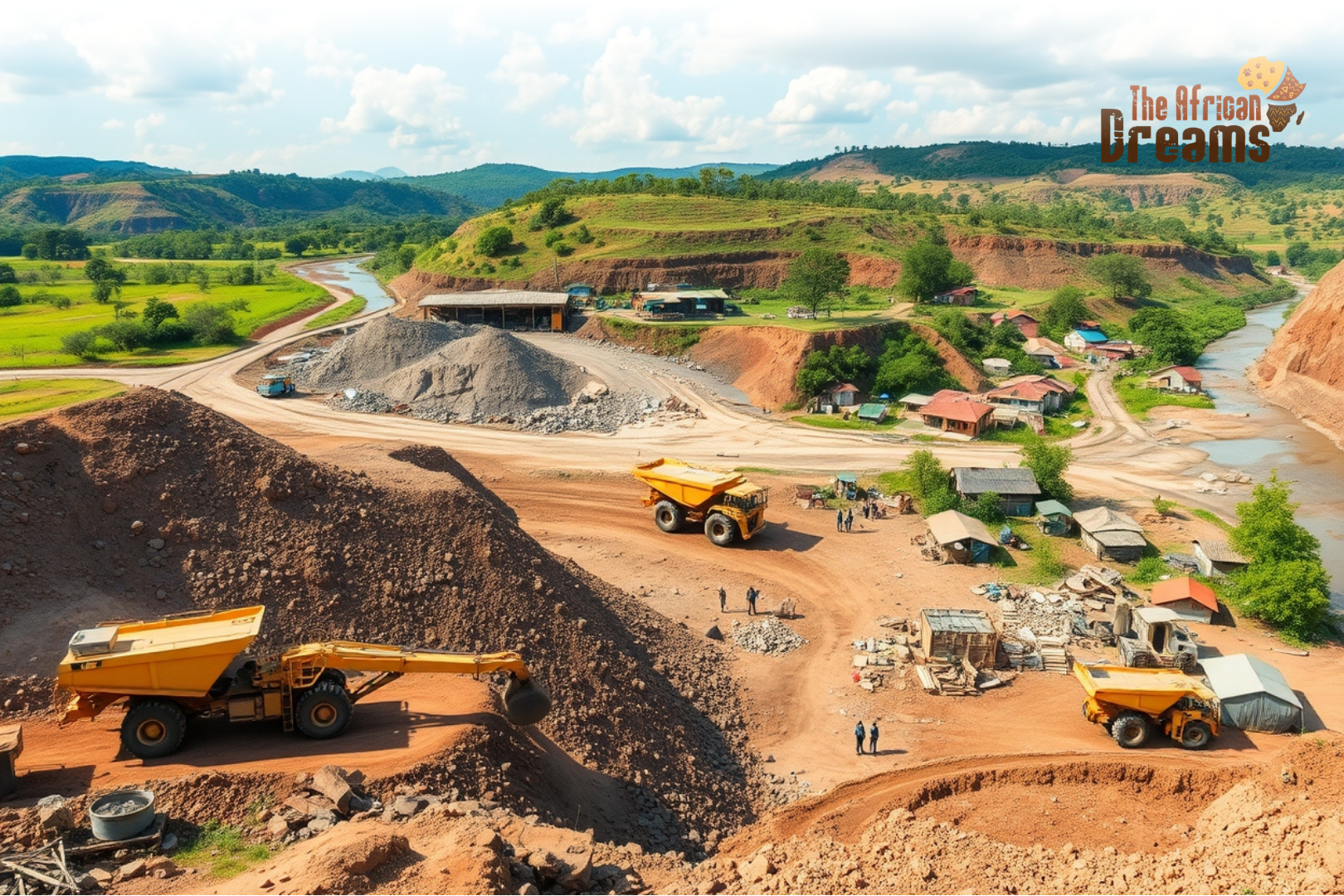
Introduction: Malawi’s Mines & Minerals Policy
Malawi is a country full of natural resources that can help it grow. Hidden beneath its land are valuable minerals such as uranium, coal, bauxite, rare earth elements, limestone, and gemstones. For a long time, these minerals were not fully explored or used. The country mostly depended on farming to support the economy and feed its people.
However, over time, the government came to understand that mining could help the country grow faster. It could create jobs, generate revenue, and improve the lives of many Malawians.
To make sure that Malawi’s mines and minerals are used wisely, the government developed a plan called the Mines and Minerals Policy. This policy acts like a guide or roadmap. It explains how Malawi will explore, mine, and use its minerals. It also shows how the country can benefit from these resources while protecting the environment and helping local communities.
This article explains the key ideas in Malawi’s Mines and Minerals Policy. It shows why the policy is important for Malawi’s future and how it can help improve the country’s economy and the lives of its people.
Article Highlights
Introduction to Malawi’s Mineral Wealth
Why Malawians Needed Malawi’s Mines and Minerals Policy
Key Goals of Malawi’s Mines and Minerals Policy
Core Values Guiding the Policy
Mining Rights & Licensing
Protecting Communities & the Environment
Support for Small-Scale Miners
Strengthening Mining Institutions
Legal Reforms & Inclusive Growth
Responsible Investment & Monitoring Progress
Why Malawi Needed Mines and Minerals Policy
For many years, farming was the main source of income in Malawi. Most people worked on farms, and mining was not a big part of the economy. As the population grew and more people needed jobs and better services, it became clear that Malawi needed to develop other parts of its economy. Mining became one of the areas that could support this change.
But there were several problems in the mining sector. There were no clear rules or laws on how mining should be done. This caused confusion and sometimes led to conflicts between mining companies and local communities.
Many people did not have access to good information about where minerals were found or how they could be used. Environmental damage also became a concern, as some mining activities harmed forests, rivers, and the land.
To deal with these challenges, the government created Malawi’s Mines and Minerals Policy. This policy was made to bring order to the mining sector. It sets clear rules that help both investors and communities understand how mining should be done.
Malawi’s Mines and Minerals Policy encourages responsible mining and makes sure that the environment and people are protected. The policy also aims to attract the right kind of investment, where mining activities bring real benefits to the country and its people.
A Clear Vision for Malawi’s Minerals
Malawi’s Mines and Minerals Policy is built around a clear vision. The goal is to use the country’s minerals in a smart and careful way so that everyone in Malawi can benefit, not just today, but also in the future.
This means promoting mining that
- Supports development,
- Reduces poverty, and
- Helps improve the lives of ordinary people.
Main Goals of Malawi’s Mines and Minerals Policy
To achieve this vision, Malawi’s Mines & Minerals Policy sets out some important goals.
1. One is to support safe and responsible mining. This means mining that follows rules, protects the environment, and respects local people.
The government also wants to get more people from Malawi and other countries to invest. These investors should bring in capital, create jobs, and help Malawi grow, while also complying with the country’s mining laws.
2. Another goal is to make sure that communities benefit from mining. This includes more jobs, better roads, and support for things like schools and health centers. Mining should bring improvements, not problems.
3. Malawi’s Mines and Minerals Policy also promotes great care for the environment. Mining must not destroy land, pollute water, or harm forests and animals. Companies are expected to clean up after themselves and fix the land when mining is finished.
4. Improving access to information is also a goal. The government wants better data about where minerals are, so people can plan better and investors can make informed choices.
5. The last key goal is to make mining laws and institutions stronger. The government plans to update old laws and train more experts to manage the sector better.
Core Values That Guide Malawi’s Mines and Minerals Policy
Malawi’s Mines and Minerals Policy is based on values that guide how mining should be done. One of these is transparency, which means mining activities and decisions should be open and easy to understand.
Another value is community participation. Local people must have a say, especially when mining happens on their land.
The policy supports sustainable development. This means using resources in a way that helps people today but also protects the future.
It also believes in sharing mining benefits fairly. Wealth from minerals should not go only to a few people but should benefit the whole country.
Finally, Malawi’s Mines and Minerals Policy protects human rights. No one should lose their home or safety because of mining. Everyone should be treated kindly and equally.
How Mining Rights and Licenses Work
In Malawi, all minerals belong to the government, but companies or individuals can apply for licenses to explore for or mine minerals. There are licenses for basic surveys, detailed exploration, full mining operations, and small-scale mining.
Malawi’s Mines and Minerals Policy says these licenses must be issued fairly, with clear rules on how to apply, how much to pay, and how to comply with the law. If someone breaks the rules, the license can be taken away.
This system helps keep mining organized and makes sure it benefits both the country and the people.
Community Rights and Benefits
Mining often happens in places where people live, grow crops, or keep animals. This can cause problems like land loss, pollution, or noise. Malawi’s Mines and Minerals Policy understands these challenges and includes ways to protect local people.
Before a mining company starts working, it must talk to the local community. People living in the area should know what is happening and be given a chance to share their views. This helps avoid fights and misunderstandings.
If a mining project takes away people’s land, the community must be paid fairly or helped in other ways. Malawi’s Mines and Minerals Policy also encourages mining companies to make agreements with the local people. These agreements can lead to better roads, clean water, schools, health centers, and other helpful services.
Mining companies are also asked to hire local people. This gives jobs to the community and helps them earn a living. They can also be trained in new skills so they can take part in more areas of mining work.
The goal is to make sure mining improves lives, not causes harm.
Taking Care of the Environment
Mining can harm nature if it is not done properly. It can cut down forests, pollute water, and damage the land. Malawi’s Mines and Minerals Policy says every mining project must be checked before it begins. This check is called an Environmental Impact Assessment (EIA).
Environmental Impact Assessment (EIA): The EIA helps understand what damage might happen and how to stop it. If the damage is too big, the project should not continue.
Even during mining, companies must follow rules to protect nature. They must handle waste carefully and protect rivers and soil.
When mining ends, they must clean the land and plant trees or crops again.
Helping Small-Scale Miners
In Malawi, many people in rural areas do small-scale mining. They mostly use basic tools and don’t have safety training. But they are still an important part of the mining industry.
Malawi’s Mines and Minerals Policy helps these miners by making it easier for them to get legal licenses. The policy also provides them with training in safety and improved mining methods. The government wants to support them in selling their minerals and staying safe from problems with bigger mining companies.
Improving the Institutions That Manage Mining
For Malawi to benefit from its mineral resources, it needs strong institutions to guide, support, and control mining activities. Malawi’s Mines and Minerals Policy says that these institutions must be improved so they can do a better job.
1. Department of Mines: One of the big changes is improving the Department of Mines. This department must be more efficient and offer better services to investors, miners, and the public.
2. National Mining Company: The government also plans to create a National Mining Company. This company will work on mining projects and help grow the industry. It will allow the country to take part directly in mining activities and benefit more from its resources.
3. Building Capacity: Another important step is building capacity. This means training more geologists, mining inspectors, engineers, and technicians. These experts will help monitor mines, study rocks, and make sure companies follow the rules.
4. Geological Survey Office: The geological survey office will also be modernized. It will collect better information about Malawi’s minerals, create updated maps, and share data with investors. Good data helps attract investment and allows for smarter decisions.
When these institutions are strong, they help protect Malawi’s interests and make the mining sector work better for everyone.
Malawi’s Mines and Minerals Policy for a Stronger Future
Malawi’s Mines and Minerals Policy also helps to improve the rules that control mining in Malawi. Some of the current laws are old and do not match modern needs or international standards.
Better Mining Laws: New and improved laws will help create a stable system that everyone can trust. This includes revising the Mines and Minerals Act so that it reflects the goals of today’s Malawi. It also means setting stronger rules on health and safety for workers and rules to protect the environment.
The new laws will also improve how licenses are given. The process should be easy to follow, fair for everyone, and clear. There will also be rules for what should happen when a mine closes, such as cleaning the area and restoring the land.
Strong mining laws are good for both investors and local people. They provide clear guidance and ensure everyone is treated fairly.
Making Mining Fair for Everyone: Malawi’s Mines and Minerals Policy
For a long time, mining in Malawi has been mostly dominated by men, with few opportunities for women, youth, or people with disabilities. Malawi’s Mines and Minerals Policy wants to change that. It says that everyone should have a chance to take part and benefit.
The government encourages more women to work in the mining sector. It also supports training and education programs for groups that have been left out. This will help them gain skills and take part in both small- and large-scale mining activities.
When all people, including women and youth, have equal chances, it helps reduce poverty and grow the economy more fairly.
Welcoming Responsible Investment
Malawi is not just looking for any investment, it wants responsible and honest investors who will respect the country’s laws and people. Malawi’s Mines and Minerals Policy creates a system where these kinds of investors can do business easily.
This includes
- Having clear laws,
- Reliable information about where minerals are found, and
- Great infrastructure, like roads, water, and electricity, near mining sites.
- The policy also supports partnerships between local businesses and international companies. This will help share knowledge and bring in new technologies.
With all these efforts, Malawi hopes to grow its mining industry in a way that supports long-term development and benefits everyone.
Checking Progress and Staying on Track
A policy is only useful if it is followed properly and produces real results. That is why Malawi’s Mines and Minerals Policy includes a clear plan to make sure everything stays on track.
The government will often review the policy to see if it is working well. This means looking at what is going well and what needs to be improved. Reviews like this help leaders know if the policy is helping the country or if changes need to be made.
It is also important for other people, not just the government, to be involved. Civil society groups, such as community organizations, watchdogs, and the media, will play a role in monitoring mining activities. These groups will help hold companies and the government accountable and make sure promises are kept.
Malawi’s Mines and Minerals Policy encourages the public sharing of information. People have the right to know what mining companies are doing in their areas, how much money is being made, and what is being done to protect the environment. When information is open, it builds trust.
If something is not working well, the policy can be updated. Making small changes over time helps the country stay on the right path and achieve better results. This way, the policy remains useful, flexible, and focused on real benefits.
Final Thoughts: Malawi’s Mines and Minerals Policy for the Future
Malawi’s Mines and Minerals Policy is an important step for Malawi. For many years, the country’s mineral resources were not fully used. Now, with a strong plan in place, Malawi is ready to use its minerals to help the economy grow, create jobs, and improve people’s lives.
Malawi’s Mines and Minerals Policy does not only focus on revenue. It also cares about the environment, the fair treatment of communities, and the provision of opportunities for small miners, women, and youth. It aims to make sure everyone benefits, not just a few.
With strong laws, better institutions, and honest leadership, this policy can turn Malawi’s mineral wealth into something good for the whole country. But this will only happen if everyone, the government, companies, communities, and citizens, work together.
By adhering to Malawi’s Mines and Minerals Policy and focusing on fairness, safety, and long-term progress, Malawi can build a bright and inclusive future through mining.
To learn more about Malawi’s mines, its mining sector, including why it matters, the legal framework, and reforms, steps to start a mining project, policy gaps, and what needs to change, you can read Malawi’s Mining Sector: Laws and Regulatory Institutions.



0 Comments