
About Malawi’s Food Security & Nutrition
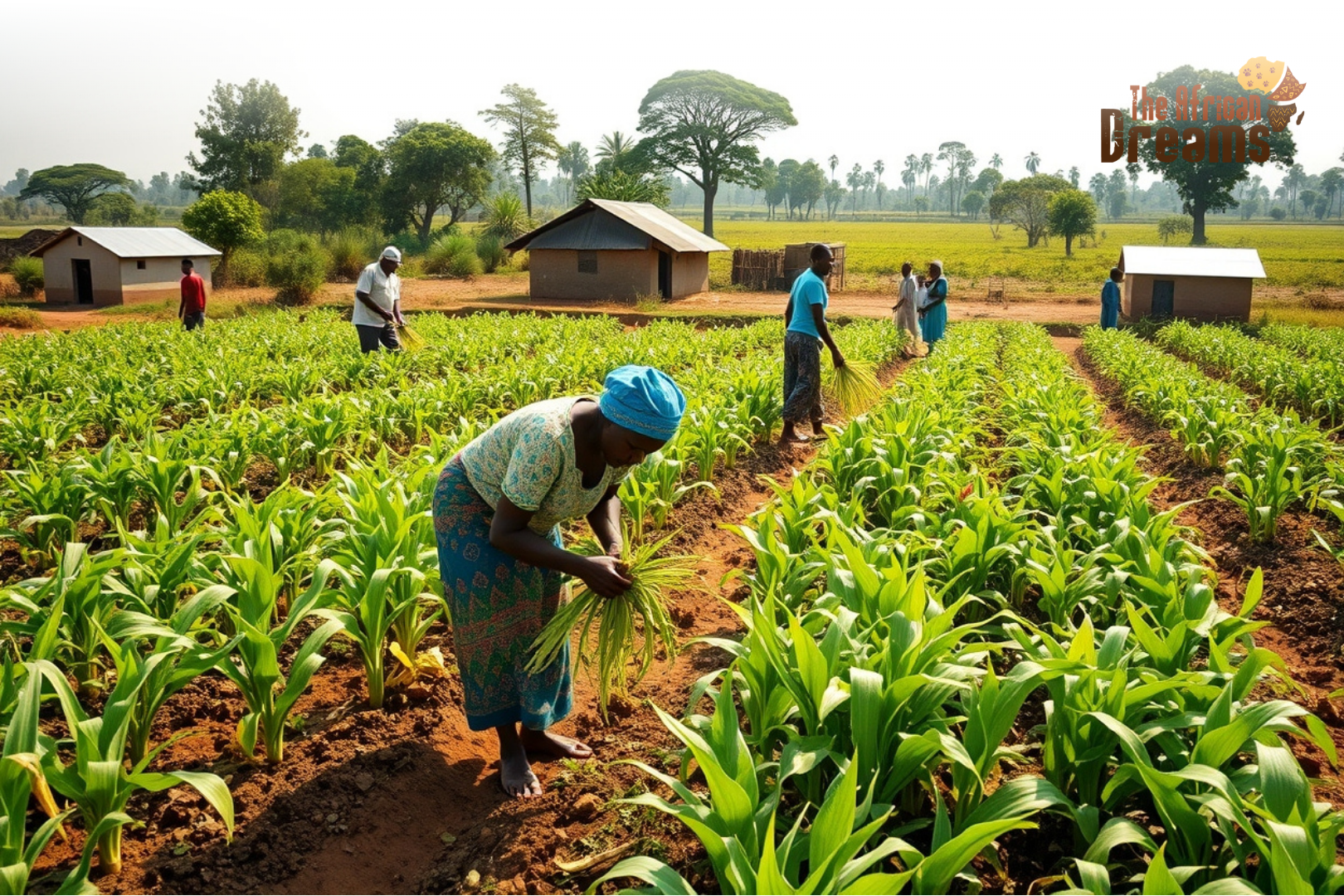
Malawi is a country that is developing its economy every single day. This development also includes ensuring food security and nutrition among the people. To ensure Malawi’s food security and nutrition within its people, the country has to address many challenges. These challenges include climate change, economic barriers, and limited agricultural productivity.
As a large number of the population depends on smallholder farming for their nutrition and Malawi’s food security, it is difficult to provide for all equally. That is why efforts to improve food security, sustainable farming practices, and varied diets are important.
This blog will discuss the importance of Malawi’s food security and nutrition, how Malawi farmers reap benefits of climate-smart methods, steps to ensure Malawi’s food security and nutrition and the significance of women and youth empowerment.
Article Highlights
Climate-Smart Agriculture in Malawi
Expanding Irrigation to Boost Year-Round Farming
Nutrition Programs in Malawi’s Schools and Communities
Reducing Post-Harvest Losses and Improving Market Access
Empowering Women and Youth in Food Systems, and
Creating Jobs For Youth in Farming and Agribusiness in Malawi.
Climate-Smart Agriculture is Important for Malawi’s Food Security and Nutrition
- Malawi’s food security and nutrition are often affected by droughts, floods, and poor soil. Many farmers still rely on rain-fed farming, which leads to poor harvests. According to the Malawi Vulnerability Assessment Committee (MVAC), over 4 million Malawians were food insecure in 2023.
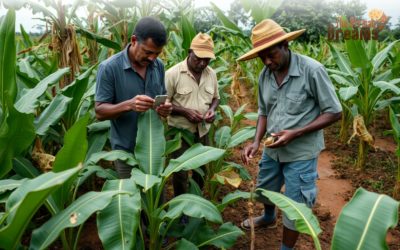
- Climate-smart agriculture boosts food production while helping to fight hunger. Farmers are using improved seeds, compost, intercropping, and agroforestry. These methods help increase harvests even when the weather is bad and ensure Malawi’s food security and nutrition.
- In Machinga, farmers trained in climate-smart practices increased maize production by over 60%. They also started growing orange-fleshed sweet potatoes, groundnuts, and soybeans, which help with Malawi’s food security and better nutrition.
- Organizations like Total LandCare and NASFAM train smallholder farmers to use sustainable methods. This includes protecting soil with mulch, rotating crops, and planting drought-tolerant varieties.
- The AGCOM Project (Agricultural Commercialization) also supports climate-smart farming in Malawi. It helps small farmers connect with markets while improving resilience to climate change.
Expanding Irrigation to Boost Year-Round Farming: Malawi’s Food Security & Nutrition
- Most farming in Malawi still depends on seasonal rains. When there is little or late rain, it becomes hard to grow enough food in Malawi. But, only a small part, about 3%, of the land used for farming in Malawi has irrigation to water the crops.
- The National Irrigation Master Plan aims to irrigate over 250,000 hectares of land by 2035. Government and donor-funded projects are working in areas like Salima, Nsanje, and Chikwawa to make this happen.
- One success story is the Bwanje Valley Irrigation Scheme in Dedza. It serves over 2,000 smallholder farmers growing rice, vegetables, and maize throughout the year.
- Solar-powered irrigation is starting to be used in Balaka and Mangochi. These systems help farmers access water even during the dry season. They are growing vegetables like okra, tomatoes, and cabbage to feed their families and sell at markets. This help with Malawi’s food security and nutrition.
- Drip irrigation systems are also being promoted under the Shire Valley Transformation Programme. These systems use less water and help farmers grow more food with less effort. These systems help with boost production and overall Malawi’s food security and nutrition improvement.
Nutrition Programs in Malawi’s Schools and Communities
- Nutrition in Malawi is still a challenge. Many children suffer from undernutrition and stunted growth. However, Malawi has made progress, stunting rates dropped from 42% in 2010 to 32% in 2023.
- The School Health and Nutrition Program (SHN) provides daily meals to learners in over 4,000 schools. This program improves attendance and helps children concentrate in class. Meals often include fortified porridge made from maize and soy.
- Malawi is part of the Scaling Up Nutrition (SUN) movement, which works to improve food and nutrition for mothers and children. SUN supports exclusive breastfeeding, food fortification, and community outreach.
- In rural areas like Ntchisi, Mzimba, and Chitipa, women-led care groups teach families about child feeding, kitchen gardens, and hygiene. These groups help prevent malnutrition and improve healthy eating.
- The World Food Programme in Malawi supports school meals using food purchased from local farmers. This creates a double benefit: improving Malawi’s food security and better nutrition for students and more income for smallholder farmers.
Reducing Post-Harvest Losses and Improving Market Access
- Up to 30% of crops in Malawi are lost after harvest due to poor storage, lack of transport, and limited access to markets. These losses reduce both food availability and farmers’ income.
- The AGCOM Project helps smallholder farmers sell crops like groundnuts, soybeans, and sunflowers to big buyers. Farmers in Kasungu and Mchinji now earn higher prices by selling directly to processors instead of through middlemen.
- The Affordable Inputs Programme (AIP) continues to provide subsidized seeds and fertilizers. In 2023, maize production increased to over 4 million metric tons, ensuring national food self-sufficiency.
- New storage warehouses and silos have been built in districts like Mchinji, Dedza, and Ntcheu. These help reduce spoilage and improve Malawi’s food security and nutrition at the community level.
- Farmers are using digital platforms like Esoko and Farm Radio Trust to access price updates and market information. More than 15,000 farmers used mobile tools in 2023 to sell their produce efficiently.
Empowering Women and Youth in Food Systems
- In Malawi, women make up more than half of the agricultural workforce, but many lack land, tools, and support. Empowering women improves both food production and family nutrition.
- In Dowa, Thyolo, and Ntcheu, CARE Malawi and GIZ help women by giving them training, land rights, and farming tools. Families where women are decision-makers tend to have better food security and improved health.
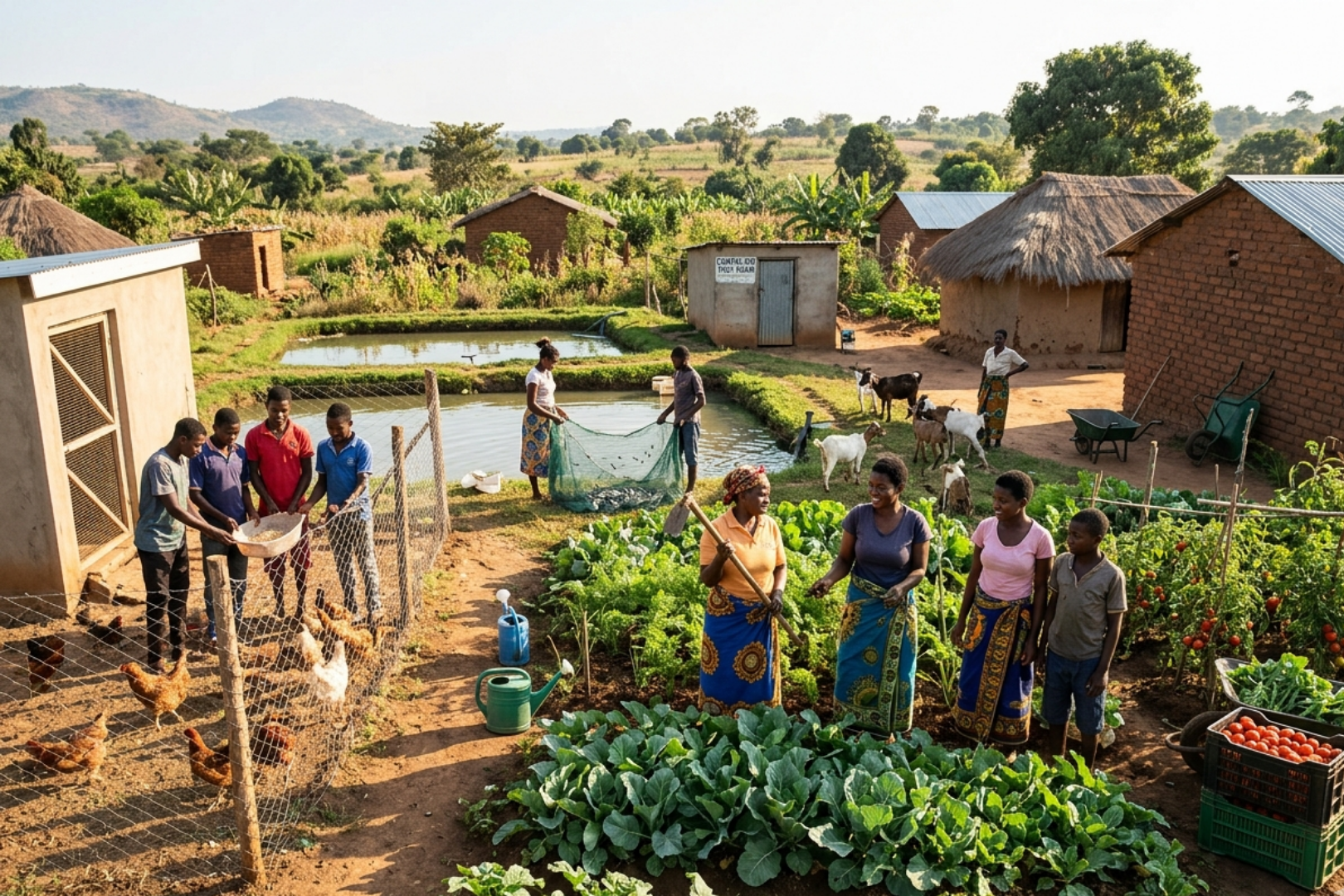
- Youth unemployment in Malawi is high. The ENABLE Youth Program, run by IFAD and the Malawi Government, teaches young people how to work in farming businesses, raise chickens, grow fruits and vegetables, and prepare food. These young farmers now earn incomes and create jobs for others.
- In Karonga, groups of young people raise fish, dry vegetables, and sell food to schools and hospitals. Their businesses improve local nutrition and create value in the food system.
- The PASSION Project by Heifer International supports women and youth with goats, chickens, and training. In Chiradzulu and Mzimba, families now produce eggs, meat, and milk for home use and local sale.
Creating Jobs for Youth in Farming and Agribusiness in Malawi
- Youth unemployment is high in Malawi, but farming offers many new job opportunities. Young people bring fresh energy, new ideas, and technology skills that can improve farming and agribusiness, helping both their families and communities grow.
- The ENABLE Youth Program, supported by IFAD and the government, helps young people start small agribusinesses. Youth learn to raise poultry, grow vegetables, keep bees for honey, and farm fish like tilapia. This support includes training, access to equipment, and sometimes small loans to start their businesses.
- In Karonga and Lilongwe, youth groups are farming tilapia fish and drying vegetables such as tomatoes and kale. These youth-run projects sell products to local schools and hospitals. These projects help improve Malawi’s food security and nutrition while earning income.
- The Youth Agribusiness Incubation Centres in Malawi provide training on farm business management, record keeping, and using digital tools. Over 3,000 youth have already been trained, gaining skills to run profitable, sustainable farming businesses.
- Young farmers in cities like Blantyre and Zomba use mobile apps to track crop sales, plan planting seasons, and find buyers. Using digital tools helps reduce food waste, increase profits, and connect youth farmers directly with markets, making farming more attractive and efficient.
To learn more about private-sector participation in Malawi’s agribusiness, including investment opportunities, you can read Private Sector in Malawi’s Agribusiness: Growth & Opportunity.
Final Thoughts: Malawi’s food security and nutrition
Improving Malawi’s food security and nutrition need a long term approach with government support, public private partnership, and investment from local and global investors. It will also need smallholder farmers including youth and woman to participate as ensuring Malawi’s food security and nutrition should be of highest priority to grow as a community.
By investing in climate-smart agriculture in Malawi, expanding irrigation to boost year-round farming, organizing nutrition programs in Malawi’s schools and communities, it is possible for Malawi’s food security and nutrition to improve.
Reducing post-harvest losses and improving market access, empowering women and youth in food systems, and creating jobs for youth in farming and agribusiness in Malawi are also important. Continuous collaboration between government and communities will help significantly to maintain this framework.
Therefore, with proper strategies and commitment, the country can ensure Malawi’s food security and nutrition and secure a healthy future for its people.


0 Comments