
Introduction: Starting a Farm in Uganda
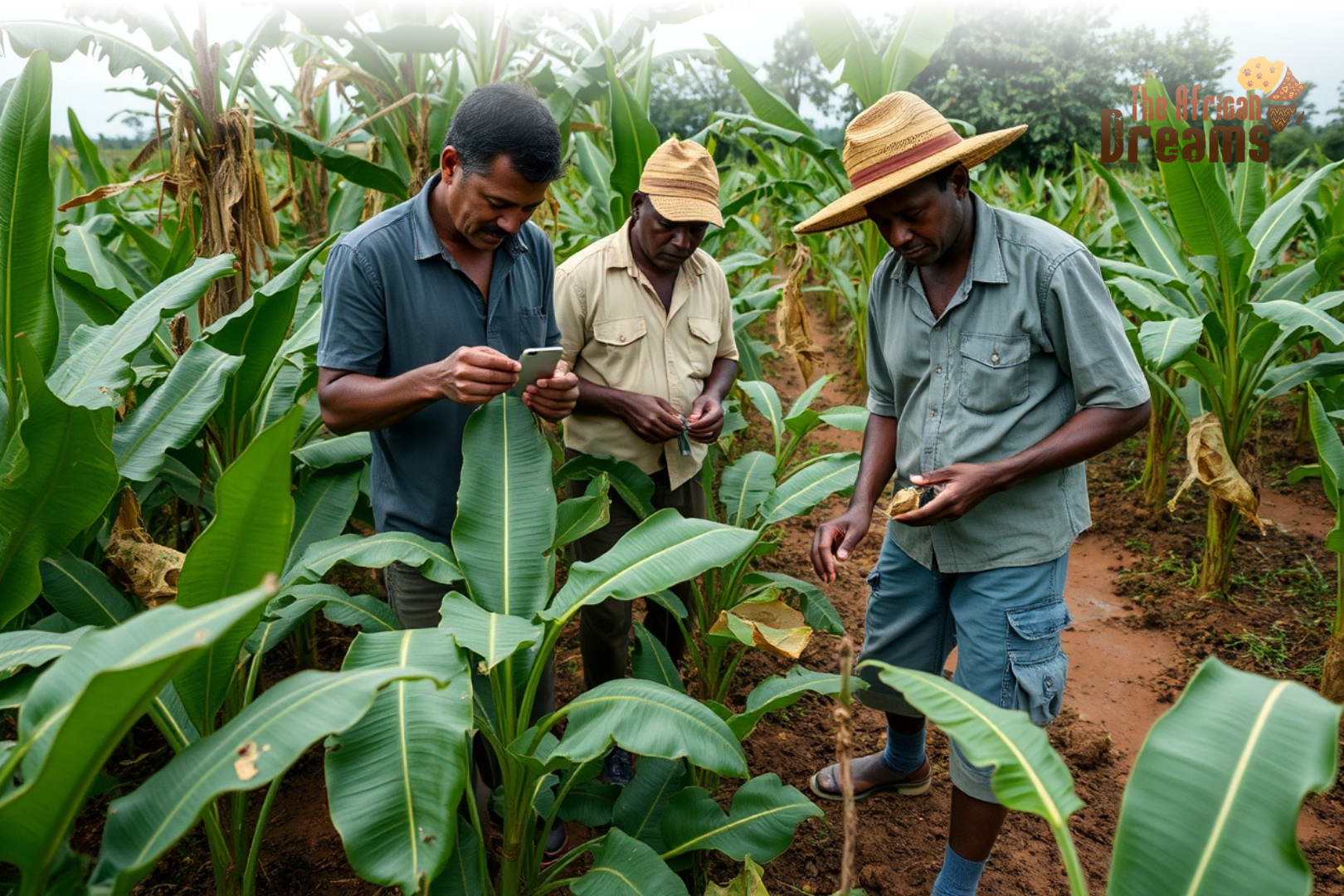
Ugandan farmers rely on rain-fed crops. With heavy rain comes heaps of pests and insects that tear apart the food crops. In Uganda, Joshua Okonya’s Integrated Pest Management system is how he overcame the Cassava mosaic disease.
“Pests don’t discriminate.”
It is a saying he often uses. How good the seed is does not matter. Pests can cause complete crop loss. He saw this happen on multiple occasions. Then he came up with the clever idea of pest management.
In 2005, there was a bacterial wilt outbreak of bananas, a staple crop in the country. The same thing happened with the Fall Army Worm. Preserving the harvest became the most irritating work because they were helpless against pests.
That’s why, to start a farm in Uganda, you must consider pest management. Here is everything you need to know about pest management before starting an agriculture farm in Uganda.
Article Highlights
The most common pests are crop-based and only attack certain types of crops.
Integrated pest management is a good way to start an agricultural venture or a farm in Uganda.
Framers should only use pesticides when the pest situation goes out of control, and they have no other way to manage it.
There are alternative, greener ways to deal with pests. For example, crop rotation, intercropping, etc.
Common Pests in Uganda: Know Your Crops’ Enemies
Uganda’s agricultural history is blemished with different kinds of pests. Before you start a farm in Uganda, you should learn about the different pests harmful to your crops.
Pests don’t just attack the crops. They will also hunt harvested crops and can ruin a big portion in no time.
Some pests are crop-specific. Pests choose their targets. Not all pests affect every crop type.
- If you think about coffee, the Coffee wilt disease and Coffee twig borer come to mind.
- The most notorious pest for bananas is the banana xanthomonas wilt or BXW. Cassava farmers are scared of the brown steak virus.
- Fruit flies and citrus cankers do major damage to fruits and vegetables. Annual losses for perishable and export crops can go up to 100%. Monetary damage for bananas alone falls between 35 and 200 million USD.
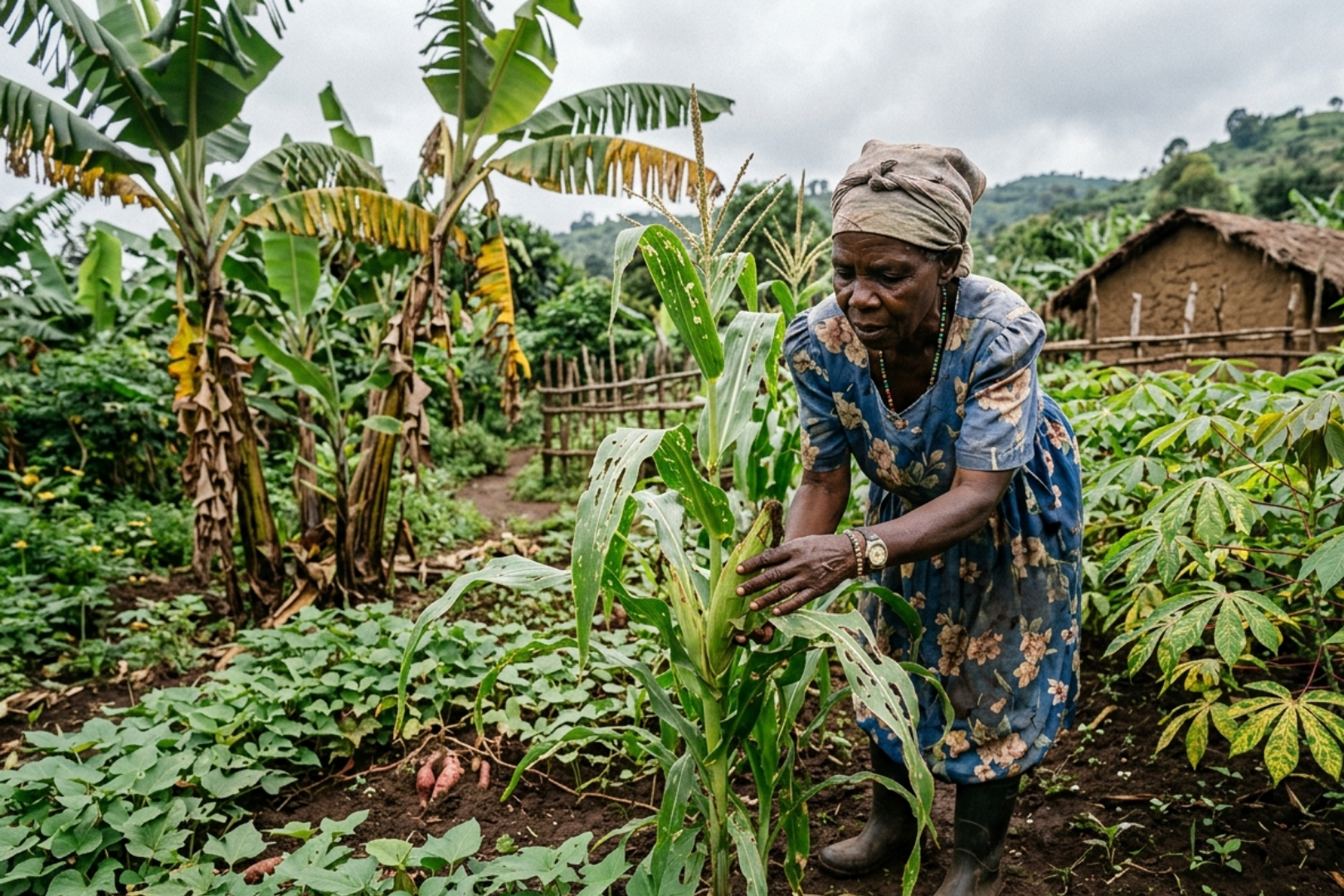
- For sweet potato farmers, insects are a nightmare. The sweet potato weevils and butterflies are the main concerns for them. Their larvae reach the roots and stems of the crop. The damage is so severe that you can’t even feed them to your livestock.
- Finally comes the biggest threat to maize farmers since 2016, the fall armyworm. Climate change is the main reason behind the outbreak. The fall armyworm can cause irreversible damage to maize. This is considered a serious food security issue. Researchers still haven’t developed any resistant varieties.
Pest Management and Use of Pesticides: Good or Bad?
Uganda is working with multiple organizations to improve crop protection against pests. As a farmer, the liability lies on you to implement an effective pest management routine if you work on a farm or want to start a farm in Uganda.
You should follow these steps to ensure crop safety from pests before starting your farm in Uganda:
1. Select the Right Crops: The first step is to select the right variety of crops. There are pest-tolerant seed varieties available in the market.
Select crops that are well-suited and have natural resistance to pests common in your area. You can reduce the need for intensive measures if you pick the right crops and enjoy a bountiful harvest.
2. Thorough Research: Do thorough research on your farmland. Soil type, climate, surrounding area, vegetation, and weed buildup directly affect the pest population. Also, take notes on changes in temperature and rainfall patterns.
3. Risk Assessment: The third step is important. Get the soil tested for risk assessment. You will get accurate numbers on the likelihood and impact on your crops. You can then prioritize your control measures and use resources efficiently.
4. Monitoring: Set up monitoring tools like pheromone traps and check your crops regularly. AI-powered solutions like Trapview can be used to monitor and forecast crop vulnerability.
5. Maintain Records and Control: Once you identify pests, you can implement Integrated Pest Management (IPM) to maintain records and integrate control methods.
The use of pesticides to control pests has its good and bad sides. The most used pesticides in Uganda belong to the WHO class II.
Check the pesticide for registration and acceptance. The application dosage must be certified; otherwise, you should avoid that specific type. You need to get a certification of competency in the safe handling of pesticides before you can start using them.
Non-Chemical Pest Control Methods: For Your Farm in Uganda
If your pest situation isn’t difficult, you should practice control methods that don’t require pesticides. These are safer than using chemicals.
You can reduce your reliance on pesticides. For an easier time managing pests, you should follow the methods mentioned below:
1. Crop Rotation: This is the most established practice in the whole world. Crop rotation can decrease a lot of disease, insect, and weed pressures. All you have to do is change the type of crops you grow in a field from season to season. What this does is disrupt the pest life cycles. For example, rotate maize with legumes or finger millet to remove pests that attack maize.
2. Intercropping: You can also grow two or more crops in the same field. Intercropping maize with Phaseolus beans is a common practice in Uganda. It makes it harder for pests to locate their preferred plants.
Many farmers grow herbs alongside their main crops because herbal crops work as natural pest deterrents.
3. Barriers and Traps: Barriers like nests and traps show positive results in reducing crop damage from pests. You can control specific larger pests, such as the fall armyworm, with this.
4. Pest Feeding Organisms: Harnessing nature’s own methods of pest control is another good way to get rid of them. Introduce beneficial insects or bacteria that are pest predators to deter them. The pheromone trap is another method to disrupt their mating habits.
Final Thoughts: Starting a Farm in Uganda with Effective Pest Management
If you go the farming route and want to start a farm in Uganda, it’s not possible to become successful without proper pest management. Your crops will be damaged before they even hit the market.
To implement effective pest management, farmers need support and education. Support from organizations like the International Potato Center is very important. You will need to establish an effective pest control method. The only way to make sure your harvest doesn’t go down the drain is to think 5 steps ahead.
Pest management, disease management, and the selection of tolerant crop varieties come first. If you want to build a farm in Uganda and a livelihood in agriculture in Uganda, you must focus on these as an entrepreneur.
If you are interested in learning about Uganda’s sustainable farming practices and the farmers in Uganda who have embraced them to become successful, you can read Uganda’s Sustainable Farming Practices.





0 Comments