
Agricultural Education in Uganda: Smallholder Farmers to Boost Yields
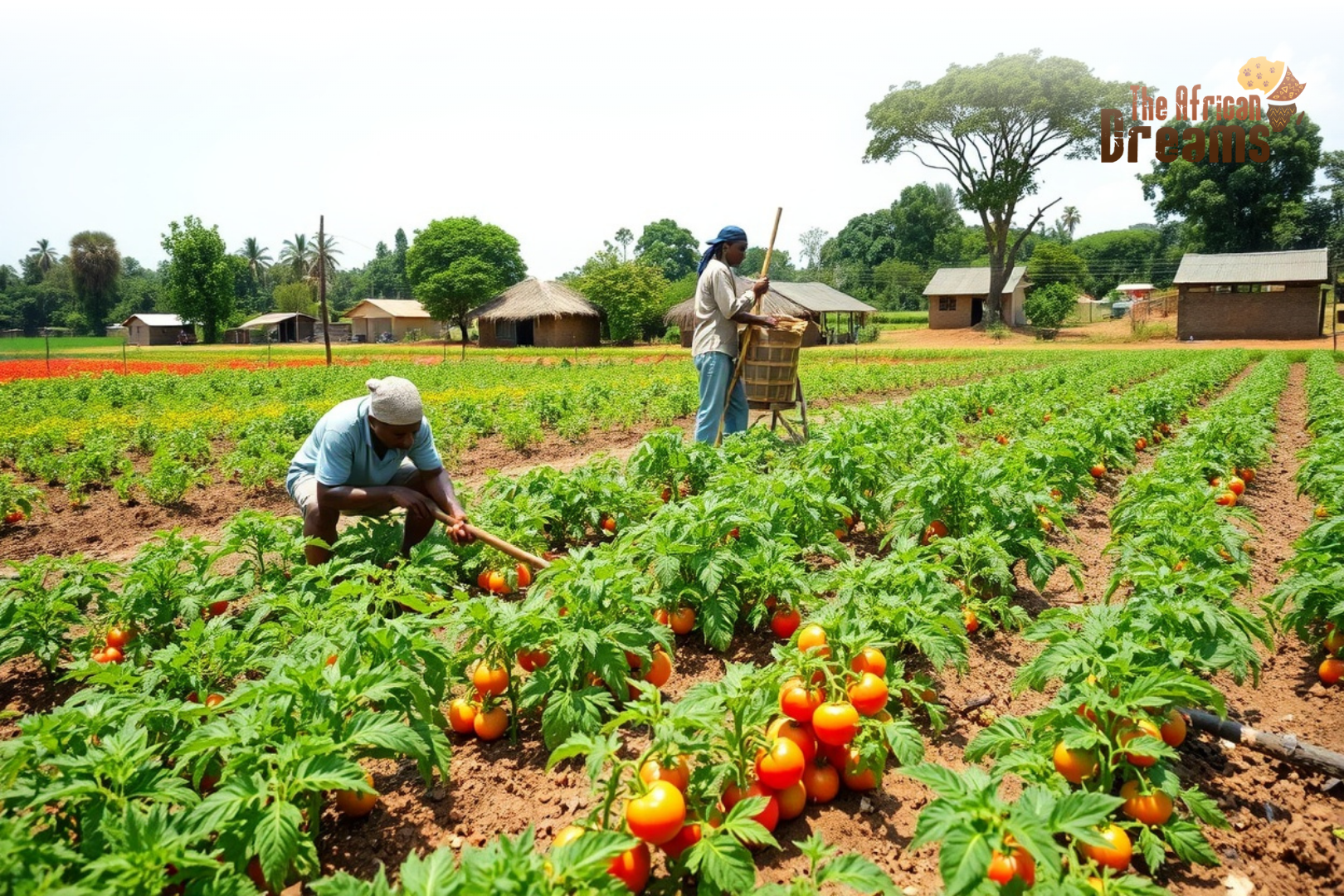
Zephaniah dropped out of school at the age of 14 because his family was unable to bear the cost of his education. Decades later, the father of two children now grows tomatoes in a small piece of land. Like his father, he didn’t know how to produce and practice the best farming techniques. Also, he didn’t know that he could yield a lot more from his land. Thus, his days were not so good for his family.
But the tables turned after he learned about the Raising the Village program, an initiative to lift farmers out of poverty. With knowledge from the program on how to increase crop yields by practicing modern farming techniques, Zephaniah witnessed an increased percentage of yields. He can now provide education expenses for his children and has also joined a savings association to save for the future. Agricultural education in Uganda’s smallholder farmers has helped them, like Zephaniah, in many ways.
In this blog, we will talk about cases like this, which show how agricultural education in Uganda’s smallholder farmers boosts yields.
Article Highlights
There are about 500 million smallholders around the world, most living below the poverty line.
Confined to subsistence farming, these farmers do not plan to turn to commercial farming. The primary reason is that they are unaware of agricultural education.
Providing education, support, and other resources can greatly increase yearly crop yields. Agricultural education in Uganda’s smallholder farmers will help them break out of poverty and become economically stable.
Smallholder Farmers: Who are They?
Small-scale farmers who operate within a limited area to grow food for their households are generally known as smallholders. There are no precise criteria to whom we can refer as smallholders. However, we can call family farms that focus on growing crops for a household and operate within 1 hectare to 10 hectares as smallholders.
There are about 500 million smallholders operating worldwide. Most of these farmers live below the poverty line, earning less than $2 a day. Smallholders are only engaged in producing food for their families. Fighting poverty is the primary concern for these poor people. They have never had the leisure to think about large-scale or commercial agriculture.
Smallholder Farmers in Uganda
About 70% of Ugandans employed are engaged in agriculture, which generates more than a quarter of the GDP. Smallholders are the backbone of Ugandan agriculture. They dominate the sector by producing most of the crops.
Uganda’s agricultural activities are centered around smallholders, who account for 85% of the total population. On the other hand, only 3% of people are engaged in large-scale commercial farming.
Subsistence farming can only provide food for a small portion. But the rising population demands more than the current production of goods. These farmers are stakeholders in food security. Turning them to commercial farming can ensure a sustainable economy based on agriculture.
Agricultural Education in Uganda’s Smallholder Farmers in a Brief
Agriculture education is the process of teaching and training students and farmers in modern techniques, sustainable resource use, production, etc. With a changing climate and advances in science and technology, modern farming needs sustainable practices in food production. The population and demand for food are rising continuously, but the arable land is decreasing.
Agricultural education in Uganda’s farming among farmers and smallholders emphasizes best practices of farming practices, ensuring improved yields.
Why Agricultural Education in Uganda’s Smallholder Farmers is Important
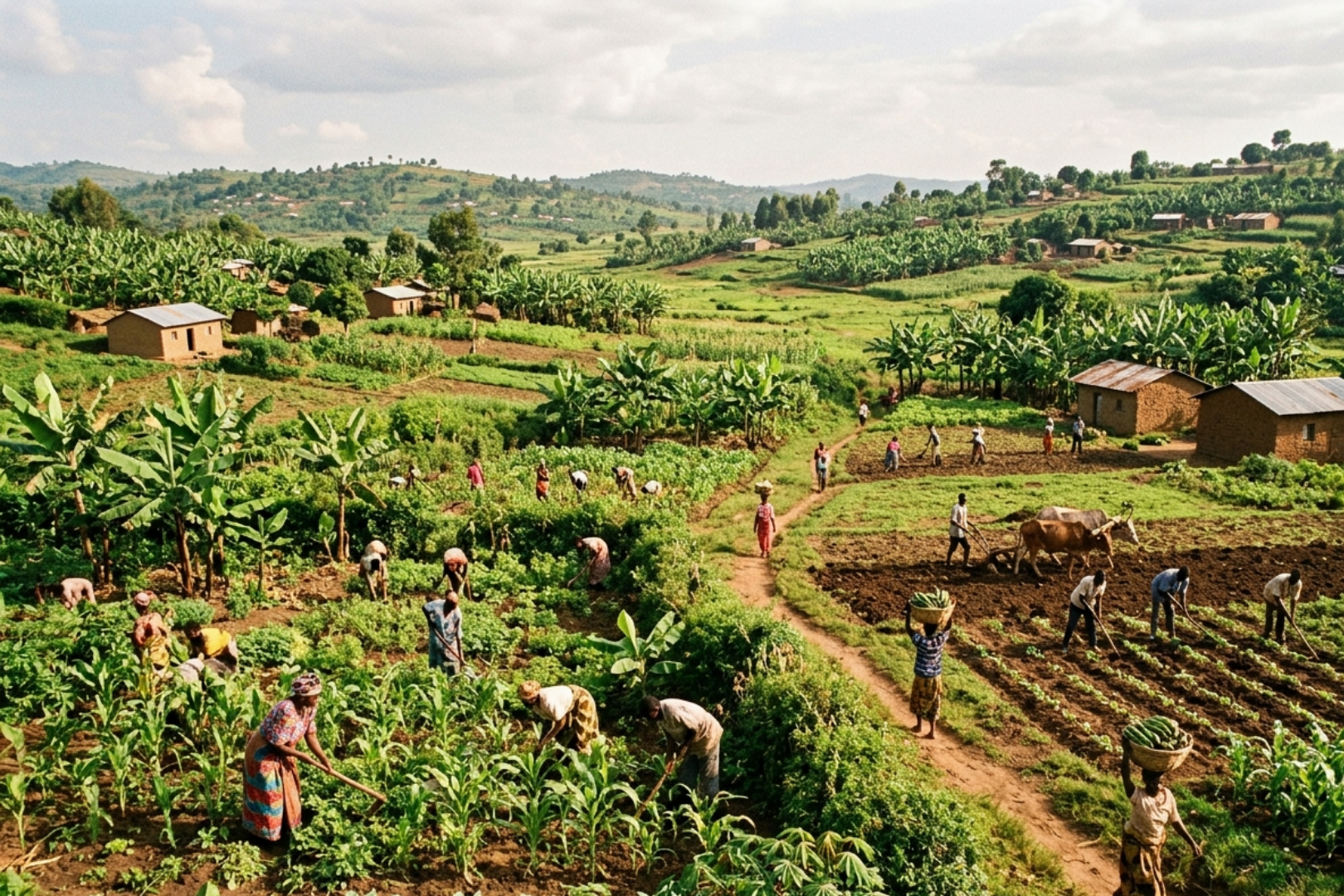
Uganda’s smallholders depend on family labor and mainly grow a single primary crop throughout the year. They’re not often regarded as an integral part of the economy. For example, these farmers have almost the same role as housewives. They are not getting enough recognition, but providing the biggest support received from them.
Smallholders do have a big impact on the global food economy. They contribute around 35% of the worldwide food supply. However, the most crucial factor is that these farmers are the providers for their local communities.
That’s why agricultural education in Uganda’s smallholder farmers is important, as like other smallholders, they also have a great impact on the food economy of the country.
Challenges Faced by the Smallholder Farmers in Uganda
Like farmers worldwide, Ugandan farmers are continually facing many challenges. The challenges are severe here as the East African country is located in one of the poorest parts of the world. However, the key challenges are:
1. No Savings: Most smallholder farmers live in rural areas and have limited land to feed themselves. So, they do not have any savings to support themselves in times of loss.
2. Climate Change: Farmers who depend on their small pieces of land for their daily livelihood are the most vulnerable to climate change. Without knowledge of climate-smart agriculture, they are losing a lot of production.
3. Lack of Knowledge of Agriculture: Not knowing the proper systems, plans, and methods for carrying out activities causes a lot of suffering. Because of this issue, the average yield can fluctuate to the bottom. The lack of agricultural education among Uganda’s farmers and smallholders poses many challenges to increasing production.
4. Vulnerable in the Supply Chain: The smallholders are the most vulnerable in the supply chain. The middlemen-dominated supply chain needs to give the farmers their deserved share.
For example, farmers couldn’t earn more than 10% of the market value of the matooke, while the middlemen grabbed the largest share. Supply chain issues pose a major threat to farmers in Uganda.
5. Limited Use of Technology: While farmers can access modern techniques, they need more technology or equipment.
From Subsistence to Commercial: The Need for Agricultural Education in Uganda’s Smallholders
Agriculture education, first, is a must to raise awareness about producing crops. Often, these farmers need to learn how to grow crops in adverse situations. The effects of climate change and other hindrances slow progress and limit it, creating a cycle of reduced production. Knowledge and practices of the current century can help them to overcome these challenges.
When subsistence farmers receive an education, they can produce a higher quality and quantity of food. Apart from using these foods for themselves, they can be stored and used later.
Besides, with agricultural education in Uganda’s smallholders, they will be able to organize themselves and form cooperatives and other support groups. These collective efforts will transfer experience, expertise, and training so that more farmers can benefit from the knowledge.
Uganda has a vast area of arable land. The country needs to utilize this fertile land. Agriculture education can improve production. The government can motivate farmers to shift to commercial farming.
Thus, the need for agricultural education in Uganda’s smallholders, including agricultural awareness and education, is massive. Additionally, commercial farming can bring Uganda the desired economy.
Final Thoughts: Agricultural Education in Uganda’s Smallholders Increases Crop Yields
Agricultural education in Uganda’s smallholder farmers can build communities that transfer knowledge. Farmers will know the factors that help increase production. For example, climate-smart agriculture can solve challenges and remove barriers to low production. Farmers can learn the techniques, receive training from government initiatives, and implement them in the field.
The use of chemicals on crops damages the soil and makes it infertile, hampering the production rate. But climate-smart agriculture can produce more crops without compromising quantity and quality. It also preserves and protects the environment.
Crop byproducts can be used for other purposes, like animal feed. Livestock waste can be used as biogas and organic fertilizer. In other words, the cost of production will go down severely without minimizing the amount of production.
Agricultural education in Uganda’s smallholder farmers also teaches crop diversification, pest management, and other techniques that are related to higher crop production and yield.
If you are interested in learning about Uganda’s sustainable farming practices and the farmers in Uganda who have embraced them to become successful, you can read Uganda’s Sustainable Farming Practices.






0 Comments