
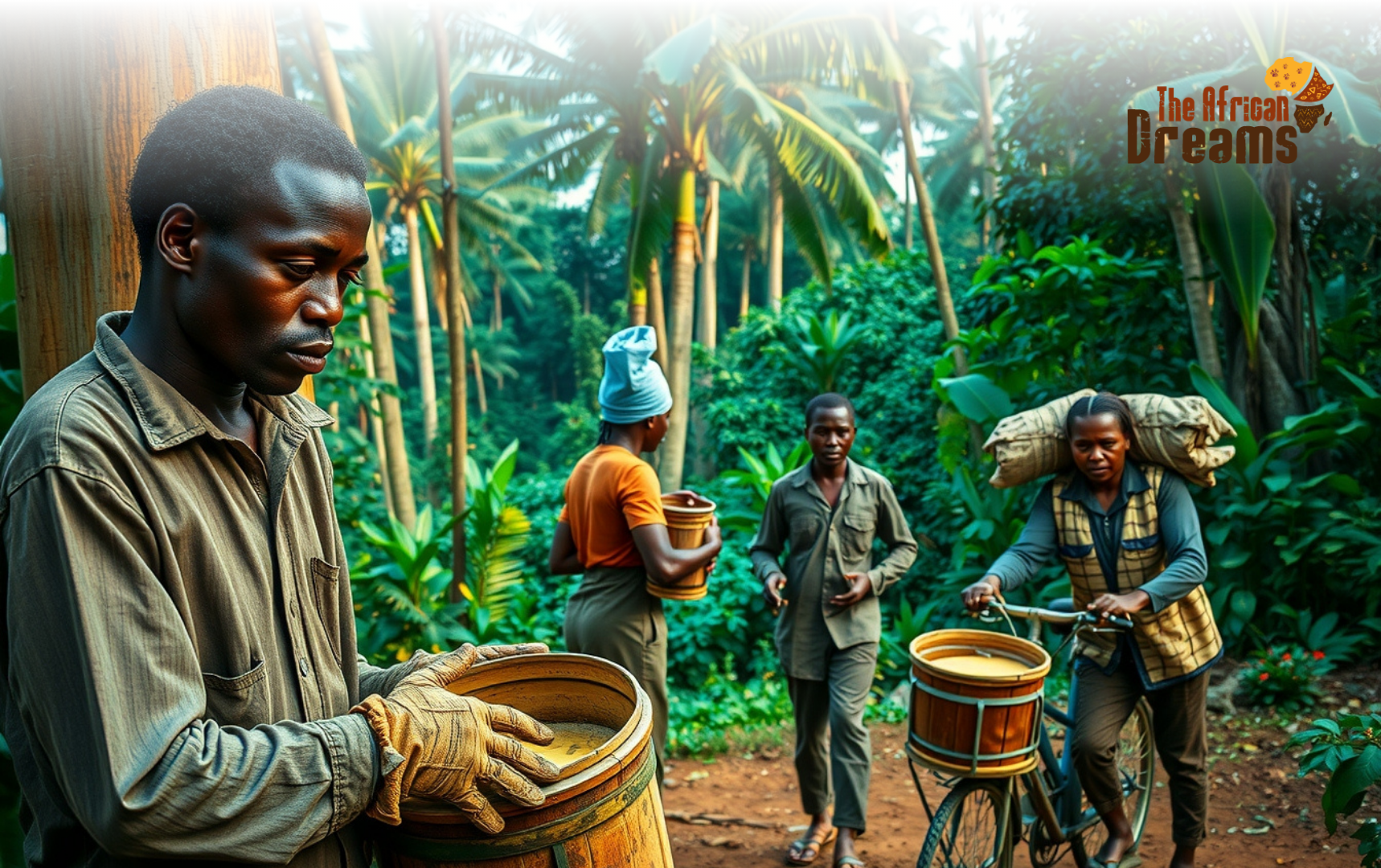
Interested in investing but don’t know where to put your money? We have got you covered!
Cameroon, located in the heart of Africa, has immense potential. The country has a diverse economy with opportunities in various sectors. From agriculture and mining to energy and services, Cameroon has potential in many different sectors. The government’s commitment to improving the business climate is another compelling reason to invest. Cameroon’s central location in Africa is a significant advantage. It offers businesses access to a larger market, making Cameroon an attractive hub for investors looking to expand in Africa.
Rubber plays a pivotal role in various industries worldwide. It serves as a critical material for products ranging from vehicle tires to medical equipment. Among the diverse global producers, Cameroon has become one of the top ten rubber producers. Let’s delve into how this nation achieved such a rank and its implications.
History of rubber in Cameroon
Rubber cultivation in Cameroon began when European settlers introduced the crop during the colonial period. The industry initially served the needs of the colonial powers. But has since evolved into a key economic pillar for the nation. The origins of rubber plantations in Cameroon trace back to the early 20th century, initially established by German and later French colonists. These plantations were primarily concentrated in the Centre, South, and East provinces. During the 1980s, the Cameroonian government initiated two smallholder rubber development projects, with partial funding from the World Bank. These projects were technically managed by two public agro-industries, CDC in the South-West and Hevecam in the South.
Today, the primary private entities driving Cameroon’s rubber industry are Hevecam, with 54,000 hectares, and Sudcam, with 45,000 hectares, both under the ownership of Halcyon Agri. The main markets for Cameroon’s rubber exports are Europe and the United States. By 2017, Cameroon’s total natural rubber production had reached 53,000 tonnes.
Present Status of Cameroon's Rubber Market
In 2020, Cameroon’s rubber production experienced a significant boost. It increased from 45,000 tons in the previous year to 60,000 tons, as reported by the Technical Commission for the Rehabilitation of Public and Para-public Enterprises (CTR). This 33% increase occurred despite the widespread disruptions in business activities caused by the COVID-19 pandemic. The resilience of the rubber sector was attributed to the expansion and renovation of plantations by key agro-industrial companies like Hevecam, Safacam, Sud Cameroun Hevea, and CDC.
This upward trend in rubber production continued into 2021 and is projected to persist. In the second quarter of 2021, the Bank of Central African States noted an uptick in rubber production not just in Cameroon but across other CEMAC member countries as well. Furthermore, Cameroon’s Minister of Agriculture, Gabriel Mbairobe, has projected an additional increase in rubber production for this year. He estimates a growth of 6,667 tons, driven by the implementation of an oil palm and hevea development project designed to support small-scale farmers.
Currently, Cameroon stands as a prominent player in the rubber industry. It contributes significantly to the global supply. According to the International Rubber Study Group, Cameroon’s rubber production has seen steady growth. The country consistently ranks among the top producers in Africa and makes its mark globally.
How Rubber Shapes Cameroon's Economy
The rubber industry is a substantial economic driver in Cameroon. It not only boosts the Gross Domestic Product (GDP) but also employs thousands of its citizens. Particularly in rural areas where job opportunities are often scarce, this industry helps create employment. The National Institute of Statistics reports that rubber exports significantly contribute to the nation’s economy. It brings in substantial foreign exchange earnings annually.
In 2022, Cameroon was the 20th largest exporter of Rubber in the world. The country exported $66.6M in Rubber. Rubber was also the 13th most exported product of Cameroon in 2022. The main destinations of rubber exports from Cameroon are:
United States: $17.2M
Spain: $5.88M
Germany: $5.54M
France: $5.48M
Belgium: $4.79M
Challenges and Innovations
Despite its economic benefits, the rubber industry in Cameroon is not without its challenges. First and foremost is the environmental impact associated with traditional rubber farming. Deforestation, land degradation, and biodiversity loss have been unfortunate byproducts of rubber plantation expansion. Environmental concerns pose significant threats. Economically, the industry is highly susceptible to global price fluctuations, which can dramatically affect the income of local farmers and the national economy. Social challenges also exist, including labor conditions and land rights issues.
In response to these challenges, Cameroon has embraced innovative practices. These are aimed at making rubber farming more sustainable and efficient. Initiatives such as improved crop diversification, eco-friendly harvesting techniques, and partnerships with global environmental organizations are in place. Reports from the Food and Agriculture Organization highlight these efforts, showcasing how they pave the way for a more sustainable future in rubber production.
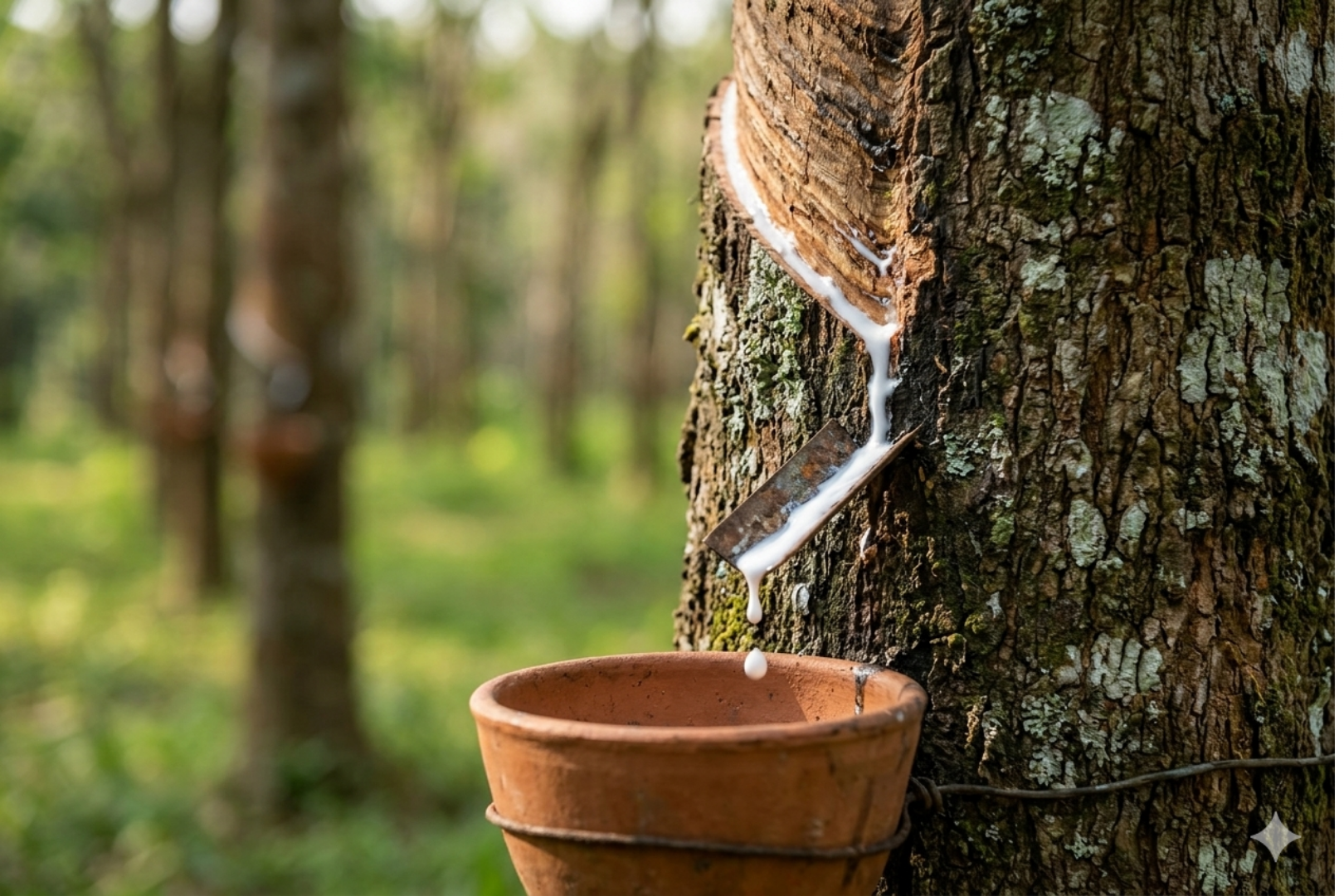
Conclusion: The Strategic Significance of Rubber to Cameroon
Cameroon is making a strong mark in the global rubber market. It has transitioned from its colonial roots to becoming a major agricultural player. The rubber industry is a key part of Cameroon’s economy, greatly boosting its GDP and providing a lot of jobs, especially in rural areas. However, as the industry grows, it faces big environmental and social challenges. These challenges require careful management to ensure their growth is sustainable.
Adopting eco-friendly practices and diversifying crops are good steps forward. These actions, along with strong partnerships and ongoing support from the government, are crucial for overcoming challenges. This will help in maximizing the potential of Cameroon’s rubber industry. This makes Cameroon an attractive option for investors looking for stable and growing opportunities in Africa. Investing in Cameroon’s rubber production is not only profitable but also supports the country’s development, benefiting both investors and local communities. Invest now!

0 Comments