
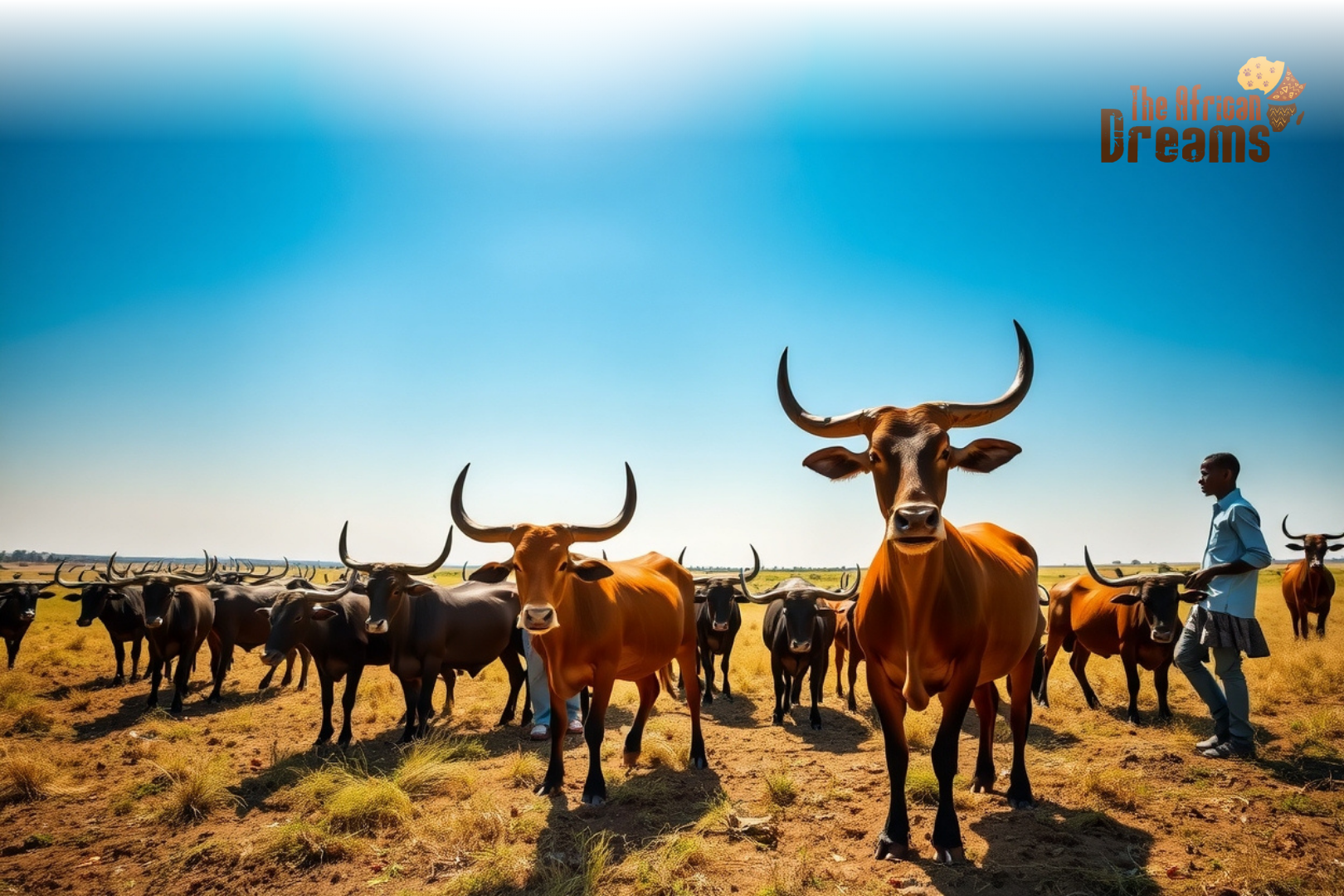
Uganda’s rich agricultural heritage is the backbone of its economy. This sector provides livelihoods for many of Uganda’s citizens. Indigenous cattle are one of the treasures of this fertile land, and they are much more than farm animals. Uganda’s cattle are part of Uganda’s cultural fabric. It also represents the wealth and status of communities. The indigenous cattle farming sector is vibrant and very important to rural economic stability. It supplies milk, meat, and other daily necessities from local markets.
The challenges of farming in a changing climate do not discourage local and international investors. As a result, the sector is poised for growth and profitability. Indigenous cattle farming in Uganda is on the verge of a bright future with supportive government policies and innovative agricultural practices
Indigenous Cattle Farming in the Current State
Uganda is famous for its indigenous cattle breeds, the Ankole and Zebu, which are among the best. Cattle are a source of pride, a key asset for many farmers, and a significant investment in their future. These cattle are also known for their ability to survive in the country’s harsh conditions. Most of them are seen in the Cattle Corridor, which extends southwest to northeast. Cattle farming is deeply rooted in the local culture and economy here.
Uganda’s farming practices are still traditional. The vast grasslands are natural, where cattle roam freely, aligning with the local methods that have been passed down through generations. This system is called free-range. It helps keep the cattle healthy and growing without the stress of confinement.
Indigenous cattle in Uganda do not exist for simple agriculture. They are important to the livelihoods of rural communities. Cattle are a significant source of income for many families who sell milk, meat, or other dairy products. This sector has a profound economic impact on the market and food security in the region.
Ugandan Ankole and Zebu cattle breeds are vital players. They contribute to local climatic conditions and traditional cultural practices.
Ankole Cattle
Ankole cattle have exceptionally long horns, up to 8 feet long, which serve both as a cooling mechanism for the body and as a status symbol for communities. Ankole cattle are primarily bred for their meat and milk. Their milk tends to be high in butterfat, but in lower amounts than other dairy breeds. Also, they are celebrated during various cultural festivals and are often involved in bride-wealth negotiations, which attest to their great socio-economic importance. These cattle are famous for their resilience, living in dry, sometimes harsh conditions.
Zebu Cattle
Zebu cattle are from South Asia and were introduced to Africa later. They are adapted to hot climates because of features such as a large hump and droopy ears. They also have these physical traits, which help them observe heat and manage in dry conditions. Ankoles tend to be smaller than Zebus but are highly prized for meat and milk, which are rich in nutrients, though yield is low. In addition, they are also used as draught animals due to their strength and endurance. Zebus are also resistant to parasites and diseases. Also, they are well-suited to tropical environments where challenges exist.
Challenges Facing the Sector
Uganda’s indigenous cattle farming has drawbacks that could hinder its development.
- One of the main problems is managing diseases such as foot and mouth disease (FMD). This disease restricts the movement of cattle and access to local and international markets. Maintaining healthy livestock and expanding the cattle trade require effective disease control.
- The problem is maintaining genetic diversity. There is also a possibility that breeding practices will reduce genetic diversity. It can make cattle more vulnerable to diseases. Also, they become less able to respond to changes in the environment. Preserving the unique traits of Indigenous breeds while improving their productivity is a delicate balance that requires careful management and scientific research
- Cattle farming in Uganda is also threatened by climate change. Grassland availability for free-range systems is dependent on rainfall. Innovative approaches to water management treatment are necessary. Droughts can severely reduce the availability of water, which causes stress to animals and reduces productivity. That will ensure the resilience of cattle farming against climate impacts.
Investment Opportunities and Economic Potential
The indigenous cattle sector in Uganda offers a wealth of investment opportunities that will deliver economic returns and sustainability. The cattle industry is important economically for families across the country. Stakeholders can earn income by improving cattle breeds and increasing production capability. They can also capture the local and international demand for beef and dairy products.
Government incentives play a crucial role in encouraging investments. These include tax breaks, import duty waivers, and livestock research and development support. The policies aim to attract investors by lowering the cost of entry and operation within the sector.
Uganda’s unique position in East Africa allows it to take advantage of a bigger regional demand market- especially markets targeted for Halal beef exports, among other things.
There is also a strong need for better infrastructure, including better water systems during drought and more efficient veterinary services. Investments in these areas could tremendously increase productivity and animal welfare and improve yields and product quality.
Government and Institutional Support
The Ugandan government has several projects to develop the indigenous cattle farming sector. One key initiative is the BUILD project. It focuses on boosting livestock development through strategic research and improved veterinary services. This initiative reflects a broader commitment to improving animal health and agricultural productivity.
The government also facilitates the development of infrastructure that supports cattle farming. It includes the construction of valley dams and water tanks to provide reliable water sources for livestock. Especially during dry seasons. These infrastructural developments are vital for maintaining cattle health and productivity year-round.
Conclusion
Indigenous cattle farming in Uganda is focused on the Ankole and Zebu breeds, which offer a compelling blend of cultural heritage and economic potential. These cattle are also important symbolically in the production of meat, milk, and the power of draft. Even under adverse environmental conditions, they play a very important role in the agricultural sector.
This sector is an excellent place for investment. Government subsidies and research are ongoing to further productivity and sustainability. These breeds are even more valuable because efforts are underway to breed them for improved disease resistance and climate adaptability.
Investors and local stakeholders will be able to contribute to a sector crucial to Uganda’s economy and cultural identity. Stakeholders can support indigenous cattle farming in Uganda to ensure longevity and prosperity.





0 Comments