
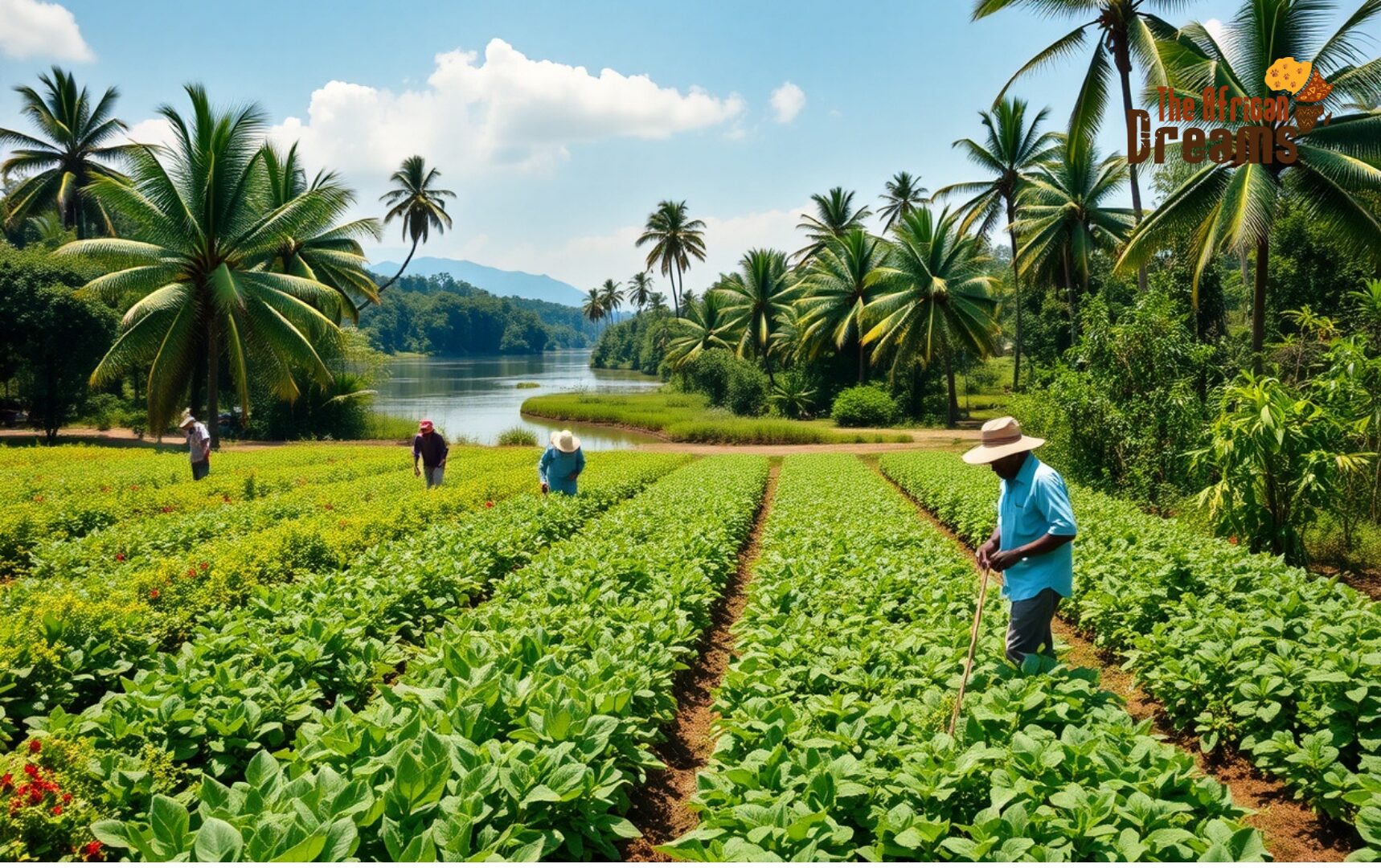
The Democratic Republic of Congo (DRC) is at a turning point, with sustainable agriculture emerging as the next big opportunity.
As an investor, you may ask: Why should I invest in the DRC’s agriculture sector? What makes sustainable farming in this country a profitable and long-term opportunity? This article answers these questions and more. It sheds light on the immense potential of sustainable agriculture in the DRC and why you should consider it for your next investment.
Why Congo? What’s the Opportunity?
Did you know that the DRC has 80 million hectares of arable land—much of which remains untapped?
With a wide variety of soils, a favorable climate, and water resources from the Congo River basin. This country has the potential to be a leading agricultural powerhouse in Africa. Experts suggest the DRC can rank among the top agricultural producers in the world. It can stand alongside nations like Brazil, India, and the United States. However, more than 70% of the country’s food is currently imported, even though agriculture employs 60% of the population. So the opportunity for growth, both in domestic food production and exports, is massive. As an investor, you can tap into this enormous potential by supporting sustainable agriculture. This sector is set for long-term growth.
Why Sustainable Farming in Congo?
Various markets are considering agriculture investments in Africa. So why is sustainability so important for Congo’s agriculture?
Sustainable farming addresses two key issues in the DRC
Food Security: The DRC could feed its population with the right agricultural practices. It could also help reduce the food crisis in neighboring African countries.
Environmental Conservation: The DRC’s vast forests and biodiversity are at risk due to unsustainable farming operations.
Sustainability investment can safeguard the land for posterity. It ensures the socioeconomic sustainability of farming. Sustainable practices like agroecology, conservation agriculture, and crop rotation help improve soil health. These strategies boost yields and protect biodiversity. They are profitable and eco-friendly.
How is Congo Adapting to Climate Change?
Sustainable farming techniques can help reduce risks. No-till farming, agroforestry, and crop diversification help investors to achieve this.
These methods increase farm resilience against erratic weather patterns and enhance long-term productivity.
The climate crisis is becoming more urgent every day. By supporting projects with climate-adaptive technologies, you are protecting your investments from this.
For DRC, a promising future awaits most farmers as they begin using these methods. This shift will enable less water investment and free them from outdated and risky farming systems.
What Support Are the Government and Global Organizations Providing?
If you’re wondering whether you’ll have support from local or global establishments, the answer is a resounding yes. The DRC government, along with international organizations like the World Bank and FAO, is promoting sustainable farming.
One such example is the Agriculture Rehabilitation and Recovery Support Project, It aims to build farm productivity and nutrition through reputed sustainable means. The project shares knowledge about biological processes to improve resource planning. This reduces pressure on ecosystems by practicing and extending the concept of synergy described by Stengel.
This proposal has received funding from the relevant bodies. This highlights strong support for sustainable agriculture. It shows a strong legal system operating sustainable agriculture in the DRC.
Technologies Available to Support Sustainable Farming
The DRC is experiencing a revolution in sustainable agriculture through technology. It is now easier to access and more profitable. One way of doing this is to use it to promote the digital platforms being found and developed. The work of the GRECOM-RDC project, which has the digital platform NYUKI TECH, is exemplary.
These provide the farmers with real-time market information and climate alerts via SMS. These platforms are very useful to farmers. They give information that helps them make good decisions and become more productive. And finally, they help get the best potential markets for their products.
Key Investor Challenges
Every investment has its negative aspects. The agriculture sector in the DRC also faces several challenges. Infrastructure is a major concern, especially the country’s transportation network. It makes it difficult to move goods. This is also where major development waits for anyone to take the bait.
Investing in infrastructure projects can reduce food waste and improve market access. Projects include improving roads, storage facilities, and transportation networks.
Financial services, like micro-loans, are also needed to help farmers use sustainable practices. These are areas where investment can make a real impact.
Is Sustainable Farming Profitable for Investors?
The answer is yes—and here’s why.
The DRC has vast fertile land and a growing population, both create a high demand for food production. There is a growing global demand for eco-friendly products, particularly in European markets. By supporting sustainable agriculture, you can gain access to these lucrative markets. Investments in technology, training, and infrastructure can reduce operational costs. It will increase productivity and profitability in the long term. Sustainable farming is future-proof. This means investment will continue to yield returns as global markets prioritize environmental responsibility.
Connecting with local landowners, building roads, and engaging digitally is important. They keep the business profitable in the long run. This approach also supports food safety while protecting the environment. Partnerships with private landowners and innovative technology will also contribute to environmental restoration.
Final Thoughts: Why Now Is the Time to Invest
The Congo has plenty of land and good weather. It has been working to adopt eco-friendly practices for some time. It means it is ready for a revolutionary agricultural era. To achieve this revolution, the sector needs the right investments. These investments should provide profit and the opportunity to innovate the future of farming in Africa. So, investing in sustainable agriculture in the DRC is part of the agricultural revolution. It will help build a more sustainable, fair future.
0 Comments