
Introduction
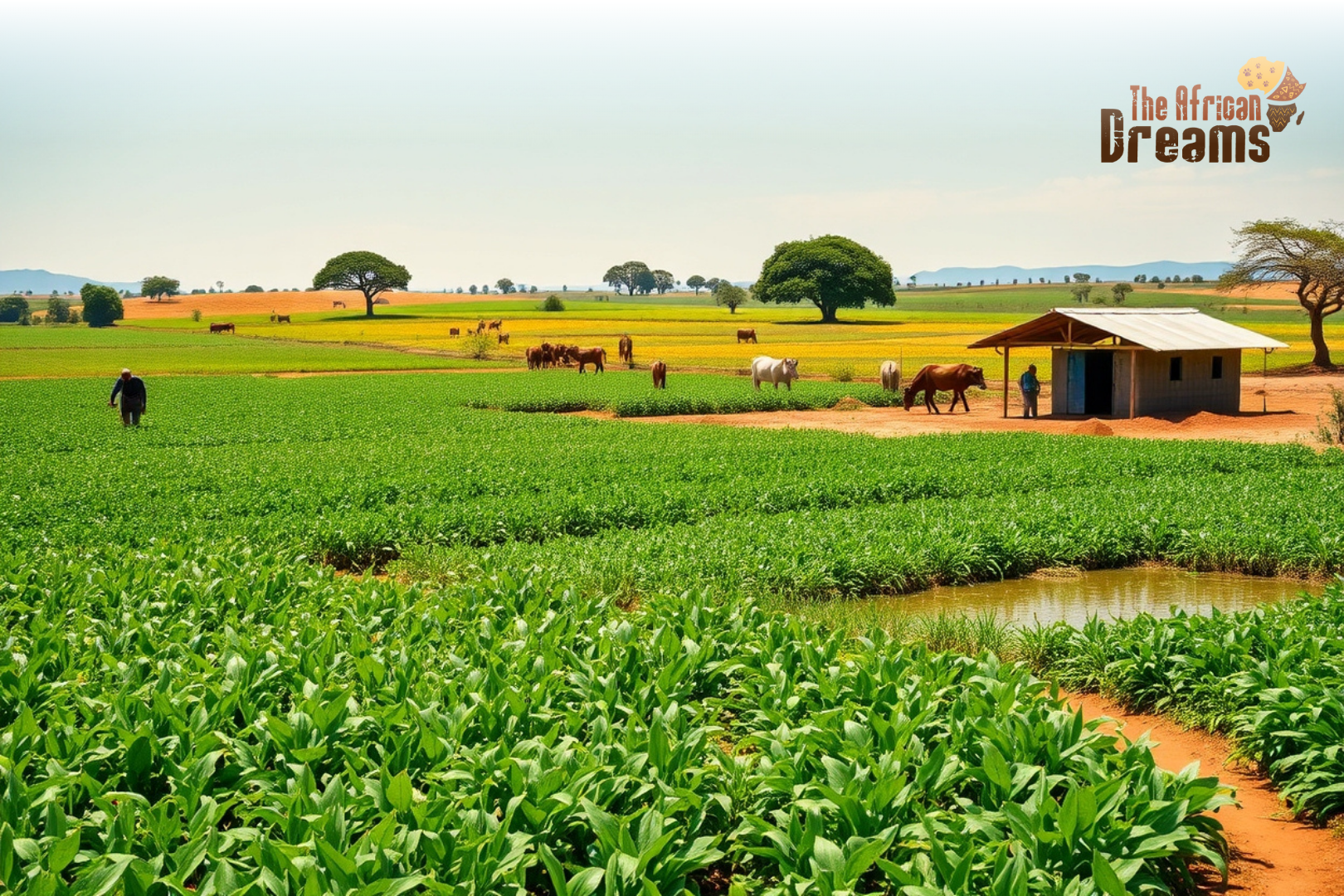
Agriculture has long been the pillar of Zimbabwe’s economy. It has been supporting millions of livelihoods and making a significant contribution to national development. The country’s rich natural resources, fertile soils, and suitable climate make it a powerhouse for agricultural production. Agriculture contributes approximately 18% to Zimbabwe’s GDP and employs around 60-70% of the population. Despite many challenges, Zimbabwe’s agricultural sector offers various opportunities for entrepreneurs and investors.
In this article, we’ll explore five key business opportunities in Zimbabwe’s agricultural sector, highlighting specific examples, success stories, and the great potential for growth. If you’re interested in starting an agribusiness in Zimbabwe, these opportunities could be your path to success in your business in Africa.
Article Highlights
- Overview of Zimbabwe’s Agricultural Sector
- Opportunities in Zimbabwe’s Agricultural Sector:
- Horticulture and Export Crops
- Livestock and Poultry Farming
- Aquaculture Development
- Agro-Processing and Value Addition:
- Organic and Sustainable Farming Practices
Zimbabwe’s Agricultural Sector: An Overview
Zimbabwe’s agricultural sector is diverse. The country produces crops such as tobacco, maize, cotton, and various horticultural products. These crops play a vital role in both local consumption and export markets. In fact, Zimbabwe remains the largest producer of tobacco in Africa, with this crop alone accounting for nearly 11% of GDP in 2017. The country is serving as a major foreign currency earner through exports, particularly to China.
Similarly, the country’s livestock sector is a significant source of protein and income for rural communities, while the growing demand for organic and sustainable produce is creating new market opportunities.
Tobacco stands out as a significant contributor, with Zimbabwe being the largest producer in Africa and the sixth-largest globally. In 2017, tobacco farming contributed 11% to the country’s GDP, providing livelihoods for approximately 3 million people. The primary export market for Zimbabwean tobacco is China, which accounted for 54% of the country’s exports in 2015.
However, the agricultural sector faces many challenges, particularly following the land reform policies initiated in 2000. These reforms led to a significant decline in commercial farming output, making Zimbabwe a net importer of food products. For instance, between 2000 and 2016, annual wheat production fell from 250,000 tons to 60,000 tons, and maize production decreased from 2 million tons to 500,000 tons.
Despite these setbacks, recent initiatives have aimed at revitalizing the sector. The introduction of conservation agriculture techniques has led to a rise in smallholder farmers adopting sustainable farming methods, resulting in increased yields. Between 2005 and 2011, the number of smallholders practicing conservation agriculture in Zimbabwe increased from 5,000 to more than 150,000, with cereal yields rising between 15% and 100% across different regions.
However, with renewed policy efforts to revitalize farming, rising global demand for high-value crops, and growing interest in sustainable agricultural practices, Zimbabwe offers many opportunities for entrepreneurs and investors alike.
Opportunities in Zimbabwe’s Agricultural Sector
1. Horticulture and Export Crops
Zimbabwe’s climatic conditions are favorable for the cultivation of various high-value horticultural crops. In recent years, there has been a surge in the production of blueberries, with output doubling to 7,000 metric tons in the previous year. This growth is driven by increasing global demand, particularly from European markets.
However, challenges such as limited access to funding and land tenure issues hinder the full potential of this sector. Many farmers struggle to secure financing due to the lack of collateral, as banks often do not accept government-issued land leases as security. Addressing these financial constraints could unlock significant growth in the horticulture sector. For example,
Blueberry Farming: Zimbabwe’s favorable climate has led to a significant increase in blueberry production, doubling to 7,000 metric tons recently. This surge is driven by growing global demand, particularly from European markets.
Macadamia Nuts: The country has seen a rise in macadamia nut farming, with exports contributing notably to foreign exchange earnings. The global demand for these nuts presents a lucrative opportunity for local farmers.
Below, we will be discussing some opportunities in this sector.
1. Diversification into High-Value Crops: Farmers can explore cultivating other high-demand crops such as avocados and chilies, which have established markets in Europe and Asia.
2. Greenhouse Production: Investing in greenhouse technologies can enable year-round production of vegetables and flowers, enhancing yield and quality.
2. Livestock and Poultry Farming
Beef Production: Zimbabwe’s beef industry, once a major supplier to European markets, has seen a shift towards domestic demand. Revitalizing this sector could once again open avenues for exports.
Poultry Farming: The poultry sector has grown, with increasing local consumption of chicken and eggs. This trend indicates a robust market for poultry products.
Opportunities in Livestock and Poultry Farming
1. Dairy Farming: With dairy production projected to grow by 10.8% annually between 2023 and 2028, investing in this sector can meet the rising demand for milk and dairy products.
2. Apiculture (Beekeeping): Beekeeping offers a sustainable income source with minimal land requirements, producing honey and other bee-related products.
3. Aquaculture Development
Tilapia Farming: Given Zimbabwe’s abundant freshwater resources, tilapia farming has emerged as a viable business, supplying both local and regional markets.
Opportunities in Aquaculture Development
1. Expansion of Fish Species: Introducing other high-value fish species, such as catfish, can cater to diverse consumer preferences and reduce over-reliance on a single species.
2. Integration with Crop Farming: Implementing integrated aquaculture-agriculture systems can optimize resource use, where fish farming complements crop irrigation.
4. Agro-Processing and Value Addition
Fruit Processing: Companies like Tanganda Estates have ventured into processing fruits into juices and canned products, adding value and extending shelf life.
Cotton Ginning: Zimbabwe’s cotton industry has seen growth, with production increasing from 33,000 tons to 93,000 tons between 2016 and 2020. Investments in ginning facilities can enhance the value chain.
Opportunities in Agro-Processing and Value Addition
1. Establishing Processing Plants: Setting up facilities for drying, salting, and preserving various agricultural commodities can reduce post-harvest losses and meet market demands.
2. Packaging Solutions: Developing innovative packaging can improve product appeal and extend market reach, especially for exports.
5. Organic and Sustainable Farming Practices
Conservation Agriculture: Adoption of conservation agriculture techniques has led to increased yields among smallholder farmers, promoting soil health and sustainability.
Maggot Farming: Farmers in southeastern Zimbabwe have embraced breeding black soldier fly larvae to convert organic waste into protein-rich livestock feed, thereby reducing costs and promoting sustainability.
Opportunities in Organic and Sustainable Farming Practices
1. Organic Certification: Achieving organic certification can open up premium markets locally and internationally, catering to health-conscious consumers.
2. Training and Consultancy: Providing education on sustainable practices can empower more farmers to adopt eco-friendly methods, enhancing overall sector resilience.
Challenges in the Sector
Despite its potential, Zimbabwe’s agricultural sector faces several challenges:
- Climate Change: Unpredictable weather, including droughts and floods, can devastate crops and livestock. Farmers are now being encouraged to adopt climate-smart practices like conservation agriculture and drought-resistant crops.
- Land Tenure Issues: Many farmers struggle to access credit because they don’t have formal land ownership documents to use as collateral. This makes it difficult to invest in equipment, seeds, and other resources.
- Limited Infrastructure: Poor roads, outdated irrigation systems, and limited access to markets make it harder for farmers to reach consumers, both locally and internationally.
- Access to Finance: Many farmers, especially smallholders, have trouble getting loans to expand their businesses. High-interest rates and strict lending requirements make financing out of reach for many.
Road to Recovery and Growth
Despite challenges, Zimbabwe’s agriculture is steadily bouncing back. The government and development partners are investing in projects to improve irrigation, rebuild farming infrastructure, and provide training on modern farming techniques. Programs promoting conservation agriculture have helped smallholder farmers double their yields in some areas, even in drought-prone regions.
Increased private sector involvement, including partnerships with international agribusinesses, is also helping to inject much-needed capital into the sector. For example, companies are working directly with farmers through contract farming arrangements, providing seeds, equipment, and technical advice in exchange for a share of the harvest.
At the same time, young entrepreneurs and innovators are stepping up with new ideas — from maggot farming for livestock feed to hydroponic systems for urban agriculture. This wave of innovation, combined with Zimbabwe’s natural agricultural strengths, makes the future look promising.
Conclusion
Zimbabwe’s agricultural sector is ripe with opportunities across various domains. By leveraging favorable climatic conditions, investing in value addition, and embracing sustainable practices, entrepreneurs and investors can contribute to the sector’s growth and the nation’s economic development. Addressing challenges such as financing and infrastructure will be pivotal in realizing these opportunities.
If you’re considering getting involved in Zimbabwe’s agriculture, now is the time to act. The potential is immense, and with the right strategies and support, the rewards could be just as significant.
Frequently Asked Questions (FAQs)
1. What are the main challenges facing Zimbabwe’s agricultural sector?
Key challenges include limited access to financing, inadequate infrastructure, land tenure issues, and vulnerability to climate change.
- How can one invest in Zimbabwe’s agricultural sector?
Investors can explore opportunities through contract farming, establishing processing facilities, or partnering with local farmers and cooperatives.
- Is organic farming profitable in Zimbabwe?
Yes, with the global shift towards organic products, farmers adopting organic practices can access premium markets, both locally and internationally.
- What support is available for new farmers in Zimbabwe?
Various government and non-governmental programs offer training, funding, and technical support to new entrants in the agricultural sector.
- Which crops have the highest export potential?
Crops like tobacco, blueberries, macadamia nuts, and avocados have shown significant export potential due to high global demand.
- Why Zimbabwe’s Agriculture Is Full of Opportunity?
For anyone looking to start or expand a business in Zimbabwe, agriculture offers endless possibilities. Whether it’s growing high-demand export crops, raising livestock, processing agricultural products, or investing in sustainable farming practices, there are countless ways to succeed.
With its vast land, abundant water resources, and hardworking farmers, Zimbabwe is well-positioned to become a regional agricultural powerhouse. By overcoming existing challenges and seizing new opportunities, the country’s agricultural sector can thrive — improving food security, creating jobs, and driving economic growth for years to come.
0 Comments