
COVID-19 in Uganda: How Agriculture Recovered
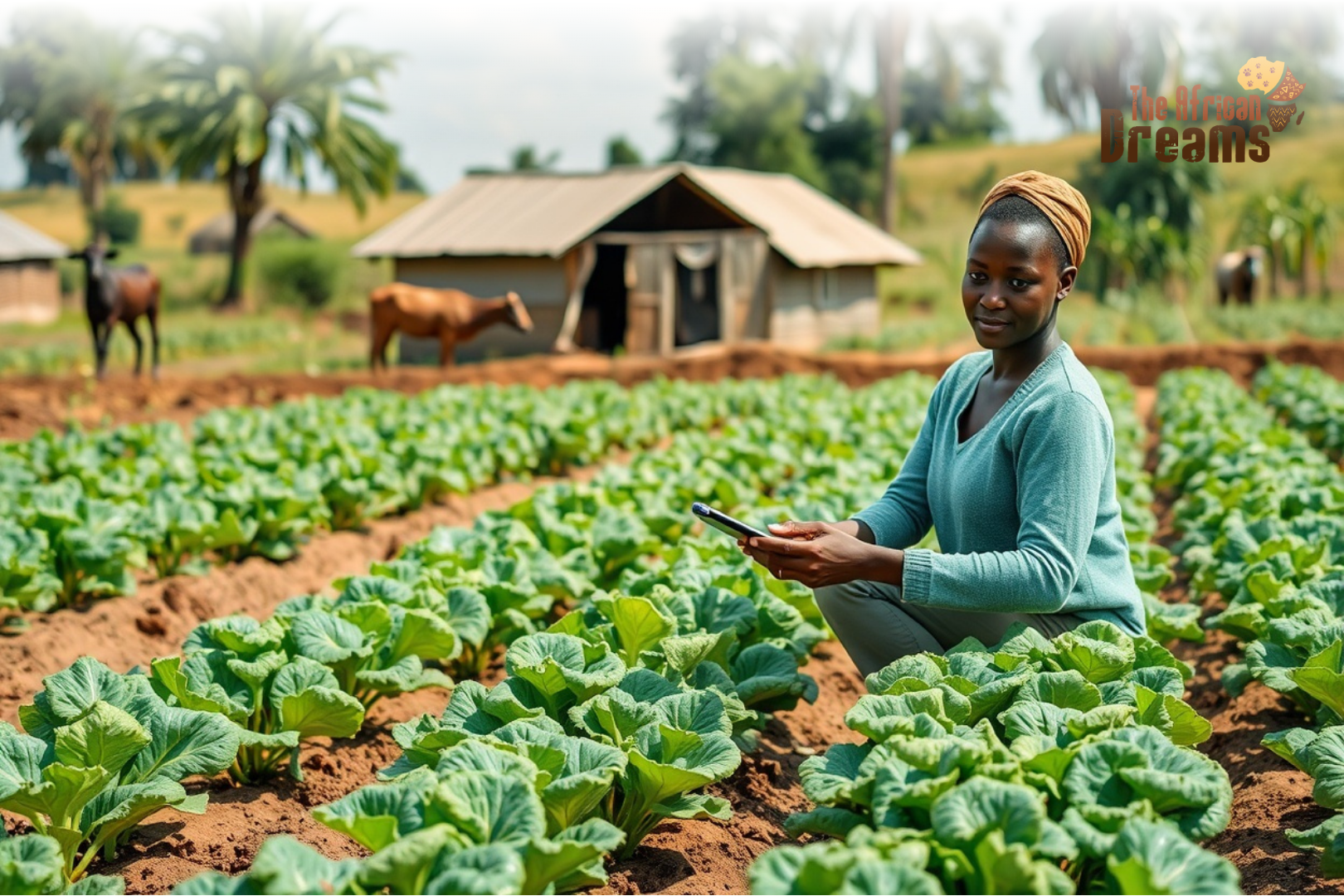
Building resilience was the backbone of agricultural recovery during the post COVID-19 in Uganda. A 23-year-old Ajidiru Robinah saw how devastating the effects of the lockdown were. Fortunately, she got by with the savings she had with a local group. What helped her stand firm was the vegetables she started growing as an income source.
Her current plan is to think long-term and save enough to set aside some money for safety. She wants to use the rest to rent a bigger farm. Like her, many others started to plan again during COVID-19 in Uganda to secure their livelihoods during difficult situations like this.
The effects of COVID-19 in the African region were destructive. Like most parts of the world, their economy took a major blow. Smallholder farmers faced challenges. But Uganda took steps to bounce back. Their agriculture and economy are on a star-spangled path.
How did Uganda’s agriculture and farmers recover from the crisis? This article will discuss COVID-19 in Uganda and its post-recovery efforts in the agricultural sectors.
Article Highlights
The COVID-19 Pandemic affected Uganda’s agriculture, food security, and economy
The government took the right measures to deal with the damage from post-COVID-19 in Uganda. They also started the recovery process.
International organizations provided the necessary insight into how the country should move forward.
Technological advancements have made the transition to recovery smoother.
COVID-19 in Uganda: Damages to Uganda’s Agriculture, Economy, and Food Security
COVID-19 in Uganda is a pandemic that has hit every part of Uganda’s agricultural sector. It affected everything from production to distribution and trade. Both farmers and consumers suffered far-reaching consequences.
The main issue for a country reliant on agriculture on this scale was food deterioration. The lockdown notice came out in March-April. That’s when the farmers started growing crops. The food crops began to fail, wasting all the hard work and investments.
Another serious issue was with the harvested crops that were in storage units. Farmers were unable to go to the market and sell their produce. The large amount of harvested food crops started rotting inside the storage units. Food security became a larger problem than being infected with the coronavirus.
The export sector took the most serious blow in the face of lockdowns. The flower industry, for example, almost collapsed. Exports dropped by 90% in late March 2020.
The prices for horticulture items went down by 50%. Lockdowns in the European market slowed down any progress for recovery in July 2020.
Many people lost their jobs during the crisis. It affected about 3.8 million temporary workers and 600,000 permanent employees. The flower industry sent 4,000 workers home two months into the pandemic. Most farms had to let go of more than half their workforce because they couldn’t afford to keep them paid.
Restrictions on movement and transportation added another layer of issues with the food supply chain. Agricultural production and local trading were completely shut off for a few months. Those with little savings were the most affected. They couldn’t work to afford food for their families. Sold their livestock, their only source of income, to survive a bit longer during this tough time.
Damage Control & Post-COVID-19 in Uganda’s Agricultural Recovery
Getting the affected people rehabilitated and working again was a big challenge. The Ugandan government and many international organizations came forward to support the people. They started development projects to restore the economy. Let’s take a look at how well these projects worked:
Government Initiatives
The government took immediate measures to soften the damage caused by the COVID-19 in Uganda. The name of the game was resilience among farmers during this pandemic.
The partnership between the government and GiveDirectly was a huge step in delivering cash transfers to the affected. It was called an unconditional cash complement to the Parish Development Model. They invested in agricultural input materials, livestock, and other business ventures.
The 2019 Cash for Coffee program is also a good example. It showed how impoverished farming communities improved their food security and income.
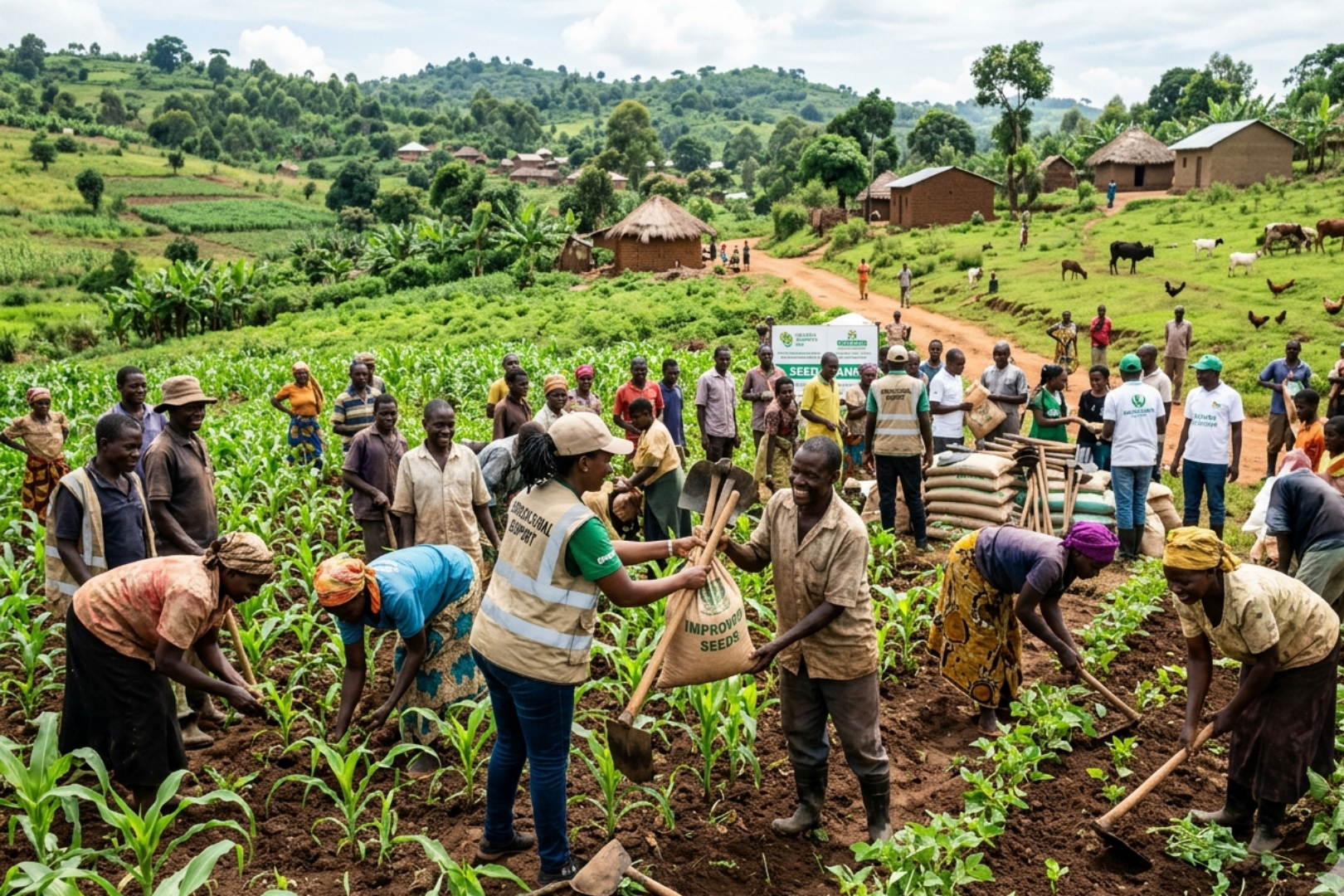
FAO’s Electronic Voucher System was the stepping-stone for integrating technology into agriculture. This went directly to the refugee communities to mitigate food security concerns. The Nakivale Refugee Settlement in March 2022 is one such example. This voucher system helped 5,916 refugee households escape extreme living conditions. They leveraged 12 local agro-dealers and the IDEA platform.
All this was done to ensure that these households received certified-quality seeds and gardening tools. The results from these investments were outstanding. The government started focusing on improving access to inputs. So smallholder farmers can increase their productivity.
The Agricultural Cluster Development Project followed similar patterns. It is another example of the government taking the initiative to improve the farmers’ livelihoods. It reached 461,514 beneficiaries, with almost half of them being women. This participation is another example of support from the government taking initiatives during COVID-19 in Uganda. Production for beans and Cassava also went up 51% and 149%, respectively.
International Organizations’ Role in Recovery
The government of Uganda alone would not have been able to succeed on this scale. International organizations played major roles in the recovery process. Like the World Bank, the African Development Bank, and the FAO.
The World Bank is the top contributor to the economic recovery after the COVID-19 pandemic. The recovery efforts were for many developing countries, including Uganda, to support during post COVID-19 in Uganda.
The bank’s 17th Uganda Economic Update (UEU) emphasized the need for greener farming policies to build resilience. The byproduct of this was to reduce economic vulnerabilities. The report says that the economy of Uganda saw a sharp contraction and was at the slowest pace in three decades.
Fiscal consolidation and prioritization of spending towards human capital development, along with greener farming, were the goals. The goal was to focus on fiscal consolidation. They prioritized spending on human capital development and greener farming.
The FAO of the United Nations has been actively involved in the recovery efforts. They found that the country needs to focus on agriculture for economic recovery. They need to prioritize future investments and redirect toward this sector.
The reports from FAO indicated five categories –
- Private Consumption
- Total Gross Domestic Product
- Agrifood GDP
- Reducing Poverty
- Export Growth
These reports provided insights to the government on where it should put recovery efforts for the best results during post COVID-19 in Uganda.
Digital Platforms for Farmer Support: Case Study on Agricultural Digitalization in Uganda
Digital platforms like EzyAgric and AgriNet have come a long way. They are helping farmers gather information on the market. They can check real-time market prices and weather conditions whenever they want. They can set, adjust, or update prices according to the market when there are fluctuations. These are app-based services. They connect the farmers directly to buyers, reducing the need for middlemen.
Recently, there have been talks about using farm management apps. Apps like FARMIS help farmers track expenses, yields, and inputs. GPS and GIS technologies are gaining popularity for their effective results. These tools improve farming efficiency and productivity.
The mass use of technology in agriculture is a positive aspect for farmers. They welcome innovations, but the information needs to be provided thoroughly for them to understand.
Final Thoughts: Recovering Agriculture During Post COVID-19 in Uganda
It has been a while since the pandemic left. The recovery of agriculture during post COVID-19 in Uganda shows convincing results. The government played a crucial role in addressing the damage from the lockdowns in post COVID-19 in Uganda. Organizations and tech companies also contributed a lot to the recovery efforts. Their efforts helped support recovery in various sectors.
The rapid acceptance of technological innovations in agriculture is promising indeed. The country needs a proper value chain development. It will help the development plans to achieve succeess. It is also clear that without farmers support the agricultural sector cannot thrive. Therefore, by supporting farmers,Uganda is set to build a strong agricultural sector that helps everyone.
Post COVID-19 in Uganda affirms a bright future for the sector. The country can improve the agriculture sector with collaboration and commitment including government support, and public private partnerships.





0 Comments