
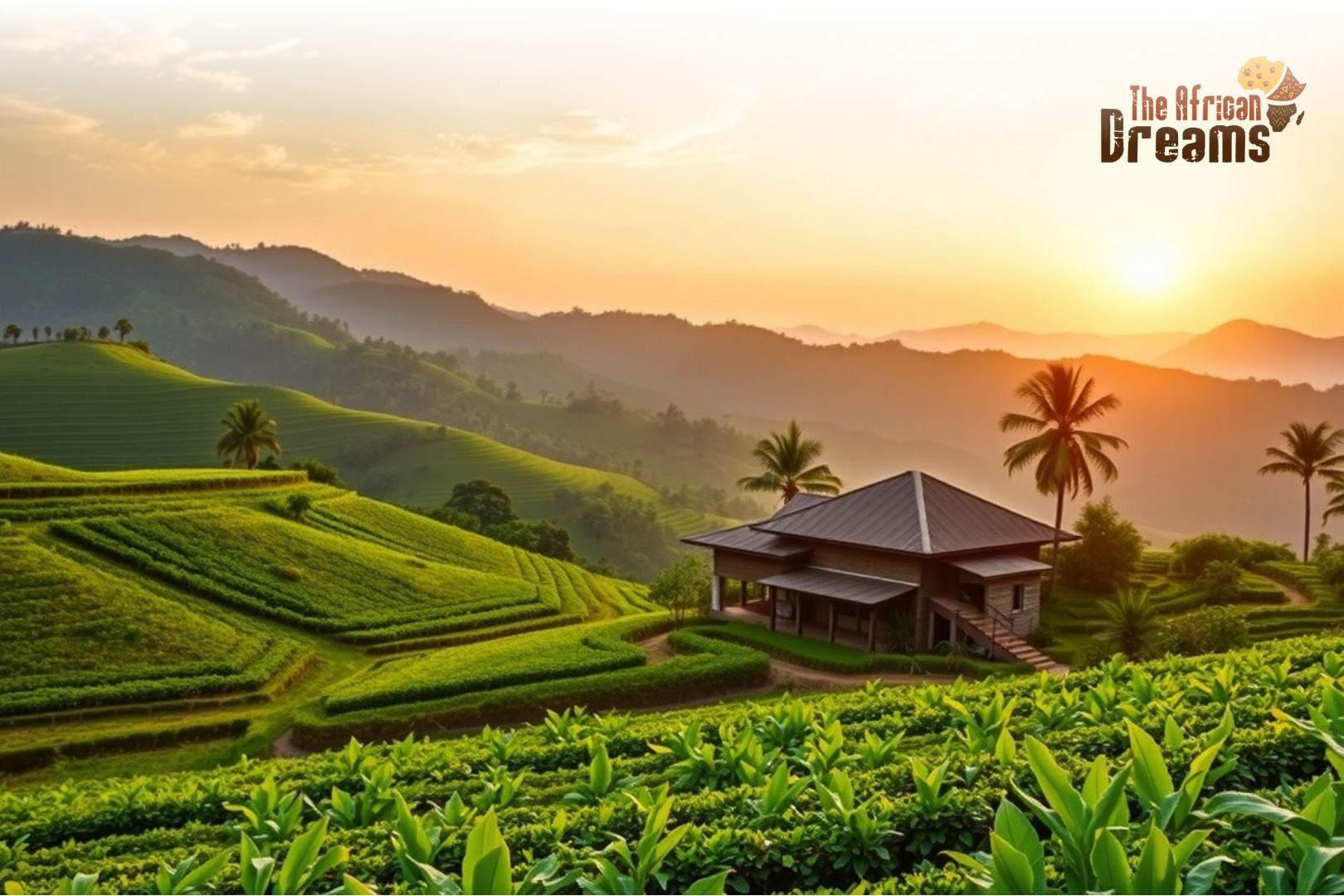
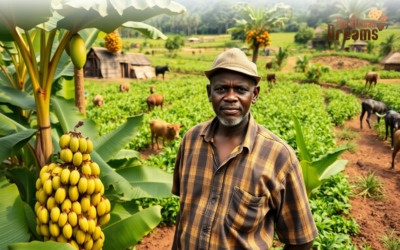
Imagine waking up to the gentle rustle of banana leaves and the scent of freshly brewed Rwandan coffee through the air. This is agritourism, a chance to step into Rwanda’s rural life and experience its agricultural roots firsthand. It’s not just about seeing the crops; it’s about feeling the heartbeat of a nation where farming is a way of life.
Agriculture is at the core of Rwanda’s story. It employs about 70% of the population and contributes a significant 25% to the country’s GDP. With its rich, fertile soils and pleasant climate, Rwanda grows an impressive variety of crops. In 2019, the country harvested 2.6 million tons of bananas and 1.2 million tons of sweet potatoes. These numbers tell a story of abundance, but they’re also a testament to the hard work and unity that define Rwandan communities.
More than just an economic backbone, farming is a tradition in the cultural fabric of Rwanda. Fields here don’t just produce food; they nurture connections, passing down values of resilience and collaboration through generations.
What is Agritourism?
Agritourism is a combination of agriculture and tourism. It allows visitors to experience country life. This emerging sector is currently being demonstrated in Rwanda, where it demonstrates the nation’s agricultural abundance while promoting cultural exchange and sustainable growth.
Agritourism is growing by 12% per annum globally and Rwanda is jumping on the bandwagon. Visitors play hands on activities such as planting, harvesting, or even preparing traditional meals. It serves as an extra income source for farmers as well as opens doors to connection the farmers with the world and passing on their heritage and techniques.
Agritourism fits perfectly with Rwanda’s sustainable tourism goals. Most of the programs are community driven meaning that guests can work with locals and live authentic rural traditions. In addition, these interactions not only enhance the visitor’s experience, but also bring people closer together culturally.
Agritourism in Rwanda isn’t just a literary recreation since agriculture plays a key role in everyday life. It bridges the gap between the worlds, connecting rural communities and helping travelers appreciate the land and its people more deeply.
Rwanda’s Key Agritourism Destinations
Some of Rwanda’s remarkable agritourism destinations are home to visitors who can take part in the country’s agricultural heritage firsthand. Designed with care to highlight the symbiosis between farming and culture, and tourism, these locations promote local communities.
1. Red Rocks Cultural Campsite:
Red Rocks Cultural Campsite, situated near Volcanoes National Park, has become a focal point of community-based agritourism. Visitors can make banana beer, weave traditional baskets, and cook using fresh ingredients picked right from the farm. Eco-friendly practices and the reinvestment of proceeds into community development support sustainability. This has been a hub for cultural exchange, and visitors can glimpse the traditions of rural Rwandan life.
2. Lakeside Fish Farm:
Lakeside Fish Farm is just an hour’s drive from Kigali and offers interactive experiences of fish farming, tours of organic vegetable gardens and educational programs on aquaculture. Families, especially, like the petting zoo and fishing at the destination. This is why travelers looking for fun and education will find it in this place.
3. Tea and Coffee Plantation Tours:
Visitors can walk through Rwanda’s tea and coffee plantations, such as Gisakura Tea Estate and Kinunu Coffee Washing Station, have a taste session and learn about sustainable production methods. Rwanda’s two biggest exports are tea and coffee, which have played a big part in the country’s economy. The tours are a look into the dedication of local farmers and fair trade practices.
Challenges and Opportunities in Rwanda’s Agritourism Sector
However, agritourism in Rwanda is blooming, but the industry presents challenges and opportunities. These factors shape its growth, and it is necessary to develop it strategically.
Challenges
-
Infrastructure Gaps
The infrastructure in rural Rwanda does not support large numbers of tourists. Poor road conditions, a lack of accommodation options, and inadequate facilities deter visitors from visiting agritourism sites. This means that these destinations can’t reach as far as they could, particularly for international travellers.
-
Limited Awareness
Many Rwandans and tourists are still unfamiliar with the idea of agritourism. However, travellers often overlook rural experiences for more traditional attractions like gorilla trekking, and local communities may not even realize its potential.
-
Capacity Building Needs
Farmers and community members generally lack the training to host tourists effectively. Communication, customer service, and business management skills are all needed to give customers high-quality experiences. However, without proper training, agritourism’s potential may go underutilized.
Opportunities
-
Government Support
Sustainable tourism is a priority for the government of Rwanda, which has put in place the Rwanda Development Board (RDB) to take it forward. Activities like the ‘Visit Rwanda’ take on board diverse travel experiences which include agritourism. Government support can fill the gaps in infrastructure and help raise awareness.
-
Global Interest in Sustainable Tourism
Agritourism provides a meaningful and sustainable way to travel. Rwanda’s focus on eco-tourism as a prime destination for agritourism seekers echoes this trend.
-
Partnerships and Innovation
The private sector, NGOs, and local communities can drive the development of agritourism. For example, training workshops for farmers or marketing support for agritourism destinations will enhance their competitiveness and visibility internationally.
-
Cultural Preservation
Agritourism helps communities preserve and showcase their traditions. Visitors are, therefore, connected to traditional cooking, banana beer brewing, and indigenous farming techniques. They also promote these interactions to pass on these local traditions to youngsters.
Practical Tips for Agritourists Visiting Rwanda
For those planning to explore Rwanda’s agritourism offerings, here are a few tips:
- Choose Reputable Operators: Opt for destinations that prioritize community involvement and sustainability.
- Respect Local Customs: Take time to learn about Rwandan culture and adhere to local etiquette.
- Plan Ahead: Agritourism experiences often involve pre-arranged activities, so it’s best to book in advance.
- Support Locals: Purchase handmade crafts or locally produced goods as souvenirs.
Conclusion:
A local farmer in a Rwandan banana field dubs a traveler hands dirtied from the soil, and shares stories of planting seasons and harvest traditions. In the nearby air, the aroma of freshly brewed coffee, the group of children singing while helping their families pick sweet potatoes. The essence of agritourism in Rwanda is this way: a journey to the heart of the country.
Agritourism is more than an income source for the farmers. It’s a chance to keep their heritage alive, to keep age old traditions alive and to invest in their future. It gives communities agency, encouraging young people to recognize the worth of who they are, while also lifting livelihoods. It’s not just a trip—it’s a chance to see first hand, a way of life predicated on a rugged, united, connected to the earth, way of surviving.
Rwanda is ready to shine as the world looks for more meaningful travel experiences. The country’s agritourism industry offers beautiful landscapes, friendly people and a commitment to sustainability and has the power to transform rural areas and leave every visitor feeling completely changed by their experience. Agritourism in Rwanda is so much more than that: it is an invitation to be part of a beautiful story of culture, tradition and growth.

0 Comments