
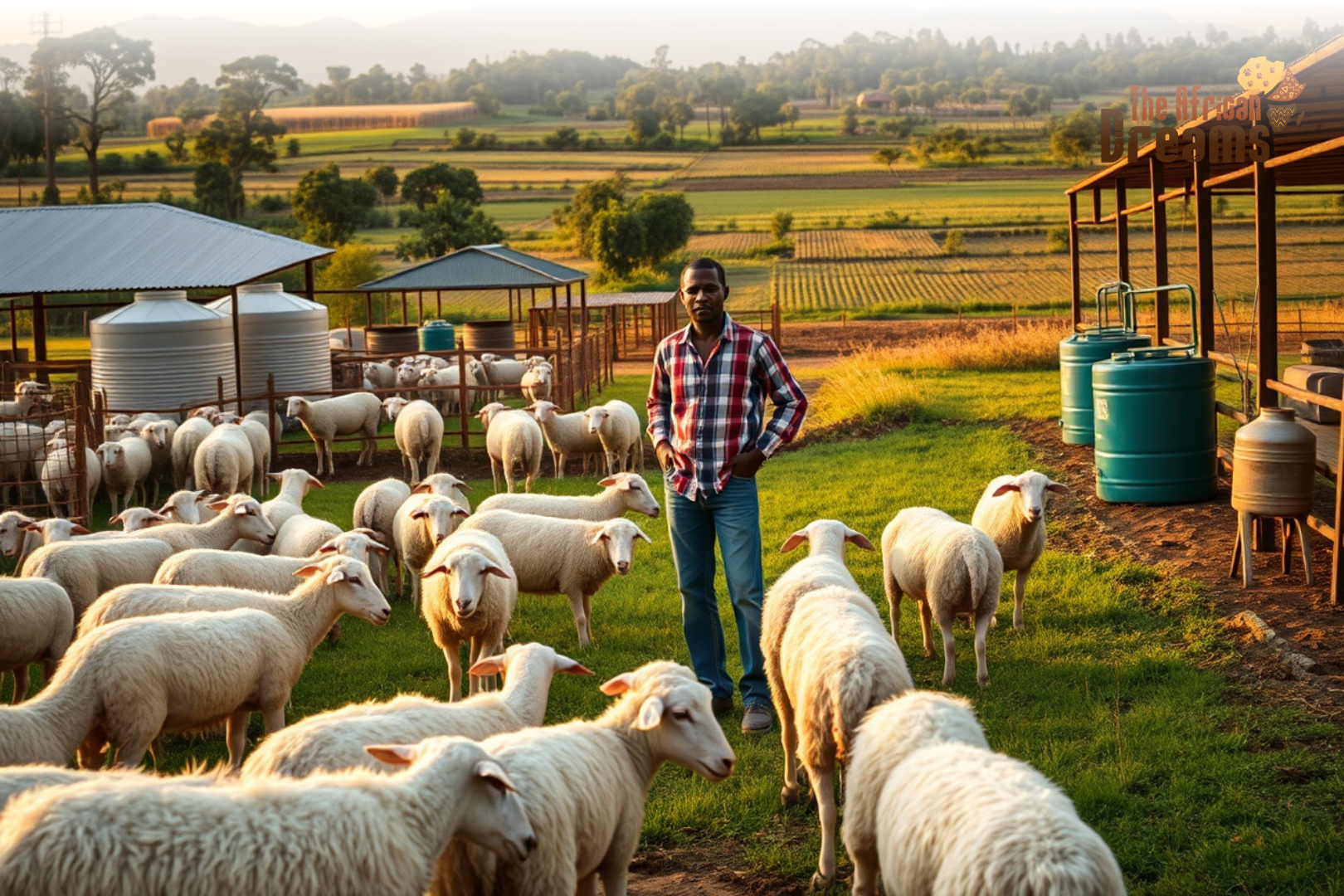
Introduction: Uganda’s Sheep Farming
Uganda’s sheep farming is changing lives and creating success stories. People are finding new ways to make money and improve their lives. From religious leaders to former executives, many have found success in raising sheep.
If you’re trying to start a business, look no further for all the inspiration you need. Pastor Robert Kayanja and Evans Kibor’s EK Farm are among the most successful sheep farms in Uganda. Their stories show how hard work and wit in breeding and farm management can bring success in sheep farming. In this article, we will talk about Uganda’s sheep farming and how the farmers are achieving success in this.
Article Highlights
Overview of Uganda’s sheep farming
How easy Uganda’s sheep farming is to breed and produce a wide range of commodities
Pastor Robert Kayanja is enabling rehabilitated children to find work and promoting agriculture as a good source of income.
Evans Kibor’s EK farm, which started with a modest number of sheep, is now the largest Dorper Sheep farm in the country.
These success stories inspire the youth to take up farming as a career.
Ins and Outs of Uganda’s Sheep Farming
Breeding sheep is easier than breeding cattle or goats. Livestock farming had problems from the get-go. There were layers of challenges that the farmers had to overcome. Initially, there were no veterinary services. That is why sheep became popular, as they require less maintenance than other livestock. The only issue worth mentioning is the shortage of feed and grazing land during drought seasons.
As Uganda’s sheep farming started to become popular, there were misconceptions among the farmers. A good example is the idea that shearing was solely driven by profit. However, farmers quickly realized that it was important for the lambs to stay healthy. Uganda’s warm climate is toxic for furry sheep, and they have to be cut every once in a while. So why not make a profit out of it?
The government of Uganda quickly realized the economic value sheep have. The main products are wool, milk, and meat. But by-products like fat, fatty acids, and manure also have commercial value.
The Agriculture Sector Strategic Plan (ASSP) of 2015/16 – 2019/20 prioritized investments in livestock. Uganda has around 4.5 million sheep, contributing 17% of the value to agriculture and 4.3% of the GDP.
Uganda’s sheep farming doesn’t take much land either. A farmer can rear 15-20 sheep on a single acre of land. Smallholder farmers, who are the largest group, can easily start doing sheep farming businesses on their limited land.
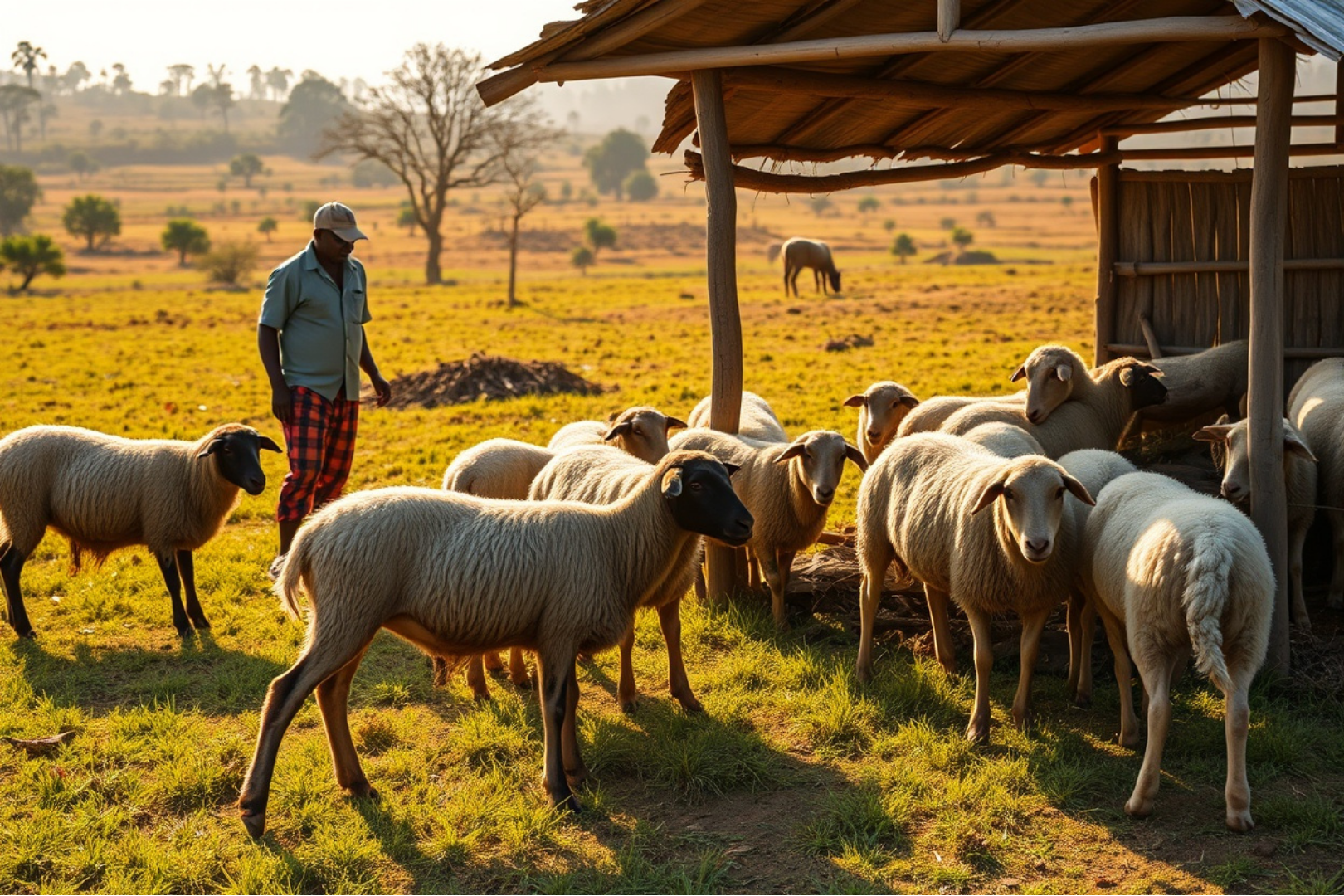
Success Story: Pastor Robert Kayanja, The Farming Pastor
Robert Kayanja is considered a shepherd in the sheep farming and livestock industry. The pastor turned farmer is an interesting story. He claims the sheep are his friends.
Pastor Robert Kayanja was among the first to realize how sheep had a high potential to earn money. These animals have various attributes. They are good for the mutton, and selling their wool is also a great way to make money. Sheep milk is a good protein source and can be used to make milk soap. Soaps from sheep milk are in high demand across the whole UAE region.
The Gospel of Uganda’s Sheep Farming
Pastor Robert Kayanja is an intellectual in farming in general. He has found ways to incorporate new ideas into his farming ventures. What he did differently from other sheep farmers was integrating different types of farming activities in his 640-acre field.
Almost 400 acres of his farm are reserved for cattle, livestock, goats, and sheep. He capitalized on the natural advantage of sheep breeding over cows or goats. He set up his farm in a land he got from his family in Kiryangondo. His ideas on the use of feeding troughs spread like wildfire. Even though he has a large sheep horde, his favorite animal is a cow named Birabwa.
The scale of Robert’s farming endeavors is quite astonishing. He grows passion fruits, maize, bananas, sugarcane, and vegetables. He saw potential in Uganda’s sheep farming to reduce unemployment. He currently employs over 100 people on his farm alone. He offers jobs to rehabilitated street children with a commitment to community development.
How Pastor Robert Kayanja Became Successful in Uganda’s Sheep Farming
Robert Kayanja’s sheep farming venture became successful because of his innovative approach to breeding. He also knew how fast these animals reproduce. Kayanja found out that their wool and meat have a strong market demand. Especially during festivals like Eid, when sheep are in high demand for sacrifice.
He visited the Harvest Money Expo in 2017 to understand how modern farming techniques worked. He learned about mechanized silage production and water management. He then dug up valley dams and boreholes to counter dry seasons. His initiatives are well-known in the region and are a sight to behold.
Kayanja now works as a teacher and encourages others to find employment in Uganda’s sheep farming. His story is inspirational, not just for his financial success. His approach to farming is holistic, combining faith, community building, and agriculture. He actively promotes different ways to succeed in farming and urges people to engage in agriculture.
EK Farm: From Banker to Richest Dorper Sheep Farmer
EK Farm is the brainchild of Evans Kibor. He was a successful banker who quit his job and started raising sheep. EK Farm’s journey began with a modest start. With hard work and resilience, he now has a lucrative Dorper sheep farm. He achieved great success in agriculture, especially in Uganda’s sheep farming, despite not having a background in it.
The farm’s initial investment was small. He started with only ten ewes and one ram. Most people who go into sheep farming start small. Evans carefully selected quality breeding stock. He understood the importance of genetics in building a successful flock. He sourced the ewes from a North Kenyan registered farm. The ram came from a different breeder to avoid inbreeding.
What he saw was rapid growth in the first year and a half. He knew immediately of the potential for quick returns in sheep farming. The 10 ewes and 1 ram bred 60-70 lambs in 16 months. Sheep have a short gestation period of about 150 days and multiple lambing seasons. Ewes also gave birth to twins, which helped his flock size increase rapidly.
Evan also personally cared for the lambs and used sound breeding programs. However, his success mainly came from his mindset of quality over quantity. His ideas paid off, and he started getting healthy and productive offspring.
The EK Farm sits in the town of Eldoret along the Kisumu road. Evan also opened a branch in the Olulung’a Ngoi Ngoi area of Narok. His initial stock of 11 has grown to 300 sheep.
The farm currently specializes in different breeds of the Dorper sheep. These sheep can adapt to harsh climates. And their meat sells for a fortune in both local and international markets. They also source animals from other farms to meet demand. Thanks to exporting Dorper meat, farmers have a steady income throughout the year. His achievements with Dorper sheep farming are truly inspirational.
Final Thoughts: The Art of Uganda’s Sheep Farming
The journeys of Pastor Robert Kayanja and EK Farm show that Uganda’s sheep farming can become profitable. They are easy to maintain, require less land, and can withstand harsh environments with ample food and water.
With dedication, government support, public-private partnerships, and the right approach, anyone can benefit from Uganda’s sheep farming. These stories prove that people from different backgrounds can all succeed in this field. These stories also encourage youth in Uganda to pursue farming as their primary source of income.
If you are interested in investing in Uganda and want to know what things you must know before you invest, you can read Invest in Uganda: Things You Must Know.





0 Comments