
Introduction
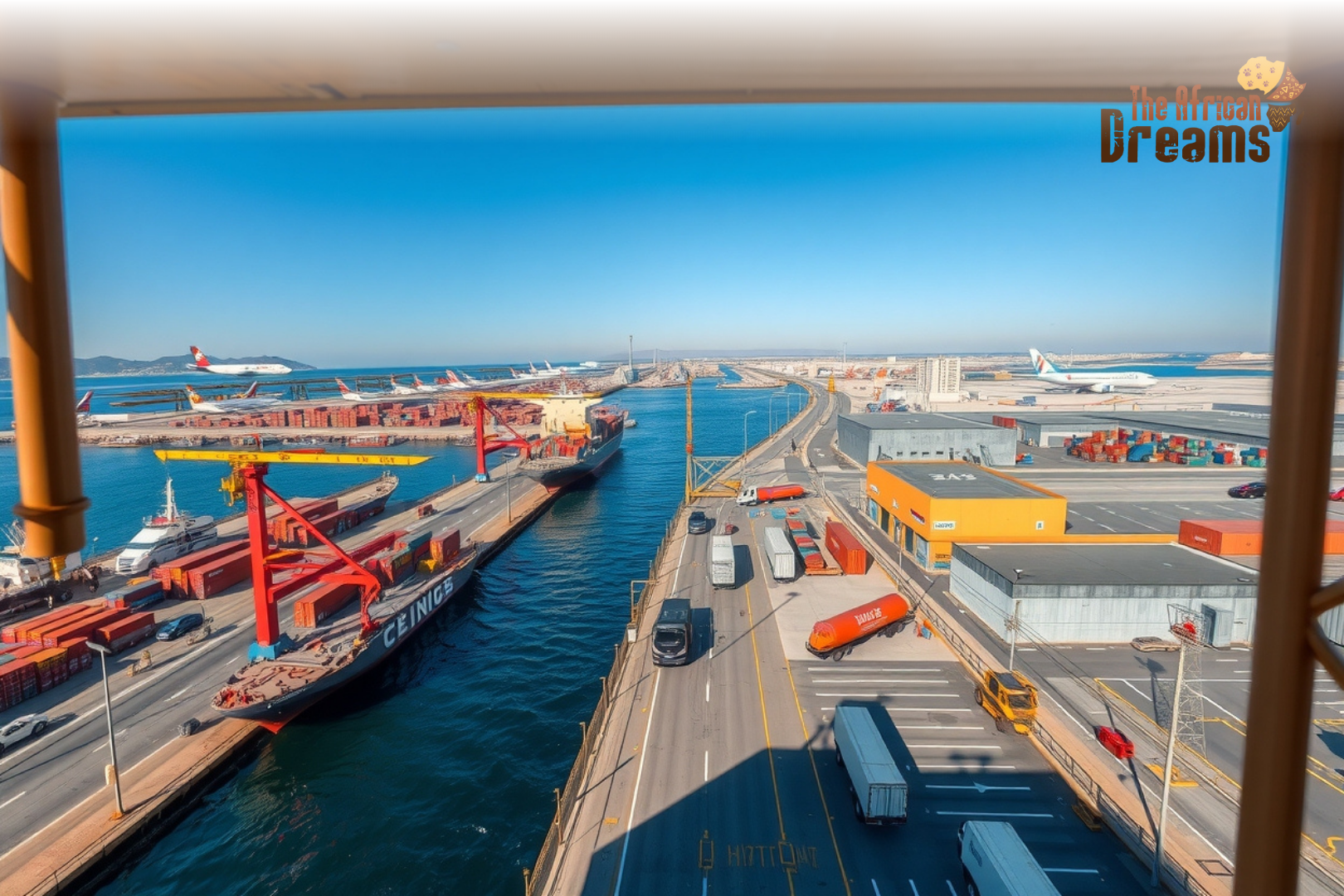
Libya is in a very good location. It sits between Africa, Europe, and the Middle East. This makes it a great place for trade. But the transport and logistics sector in Libya is still growing. Many roads, ports, and airports need upgrades.
The country has thousands of kilometers of roads, many seaports, and several airports. But some parts are old or damaged. Because of that, it is hard to move goods quickly and safely.
Still, things are starting to change. The government is now working to fix roads, build better airports, and make ports stronger. These changes are important for bringing in goods, sending products out, and helping trade grow.
For investors, the transport and logistics sector in Libya is full of opportunities. There is space to invest in cargo handling, supply chains, storage, and transport services. As more businesses start working again, the need for better logistics will grow fast.
Current State of Transport Infrastructure
Libya has many roads, several ports, and a few airports. But a lot of them need repair or upgrades. War and low investment in the past slowed down progress.
- Roads and Highways: Libya has around 100,000 kilometers of roads. Some highways connect big cities like Tripoli, Benghazi, and Misrata. But many smaller roads are damaged or unpaved. Trucks often move slowly, and transport costs go up.
- Airports and Air Transport: There are several airports, including Tripoli International Airport, Mitiga Airport, and Benina Airport in Benghazi. Some were damaged during the conflict. Now, the government of Libya is trying to rebuild and expand them. A few airlines have started flying again, and air cargo is slowly increasing.
- Seaports and Maritime Transport: Libya has over 15 seaports, and some of them are quite active. Tripoli Port, Misrata Port, and Benghazi Port handle a large share of the trade. But the equipment is very outdated, and loading takes a long time. There is also not enough room for very large ships.
Right now, Libya’s transport system can still move goods, but it’s not fast or smooth. This causes some big delays in the supply chain. Still, it gives investors a very good chance to help by improving ports, airports, and road systems.
Logistics Services and Supply Chains
Logistics in Libya is still slowly developing. Many companies move goods, but they face quite a few problems. Trucks are often very slow, warehouses are still limited, and customs can take a long time. This makes it pretty hard to move products quickly and safely.
- Warehousing and Cargo Handling: There are still not enough modern warehouses. Many storage places are very small and very old. Some of them do not have cold storage, which is very important for storing food and medicine. At the ports, cargo handling is still very slow. Machines used in this sector require upgradation.
- Distribution and Delivery Challenges: Delivering goods inside Libya can be really hard sometimes. Some roads are still broken or not safe enough. Trucks often face checkpoints or long delays. This makes it very difficult for companies to deliver on time.
Still, more businesses are starting to need better logistics. As trade grows, Libya will very likely need stronger supply chains. This gives investors a chance to bring in modern systems, better trucks, and smart delivery tools to help the market grow faster.
Investment Opportunities
Libya’s transport and logistics sector offers many chances for investors. The country has around 83,200 km of roads. Only about 47,590 km are paved. That means a lot of roads still need work. Many ports and airports are also very outdated and not working at full capacity.
Libya’s Logistics Performance Index is only 1.7 out of 5, which shows that the sector is still far behind global standards. But this also means there are chances for improvement. Investors can bring in better delivery systems, new warehouses, and smart tools to help the sector grow.
1. Road and Rail Expansion Projects: Many roads in Libya are either damaged or very old. The government is now trying to fix highways and build new ones to better connect cities and border areas. There is also a plan to start railway projects.
The plan includes a 3,170 km standard-gauge rail network, starting from Ras Ajdir to Sirte, and another line from Sirte to Benghazi. These rail lines could help move goods much faster and cheaper. For now, the progress is a bit slow, but investors who join early may see very strong returns later.
2. Port Upgrades and Logistics Hubs: Libya has more than 15 ports. The major ones are in Tripoli, Misrata, and Benghazi. But many of them have very old equipment and limited space. Loading and unloading are very slow because of these reasons. These also increase costs.
The government wants to build logistics hubs near the ports. These hubs will help with storage, cargo sorting, and faster delivery. Investors can help by building or managing these hubs. These projects may take time, but the returns could be fairly good.
3. Airport Modernization and Cargo Handling: Libya has 139 airports. But not all of them are fully working. Many airports need new cargo areas and updated systems. Airports like Tripoli International and Benina in Benghazi are slowly being rebuilt.
There is also demand for better training and smart tracking tools. Investors can help bring in modern equipment and services. These upgrades can help Libya handle more air cargo.
All of these projects give investors a very good chance to bring in modern solutions. The country needs a lot of help to move goods more easily and safely. Those who enter early might become part of Libya’s growing transport system and gain long-term benefits.
Government Initiatives and Support
The Libyan government is gradually improving transport and logistics.
Public-Private Partnerships (PPPs): The government is now opening the door for private companies to work together with public projects. These are called public-private partnerships. They help the country build a little faster without using too much government money. Some road and port projects are already being offered to investors through PPP deals, which may lead to some good results.
Special Economic Zones and Customs Reforms: Libya is planning to set up special economic zones (SEZs). These are places where business rules are a bit easier, and taxes are lower than usual. The goal is to bring in more foreign companies to set up transport hubs and warehouses.
The government is also working very hard to improve customs. Right now, it takes quite a long time to move goods across borders. New rules and simple digital systems are being planned to make things a bit faster and cheaper.
These steps show that the government is trying to make investing slightly easier. With better laws, some tax support, and fewer delays. These will help Libya attract more businesses.
Regional Connectivity
Libya has a very strong location. It sits between North Africa, Europe, and the Middle East. This makes it a natural trade bridge. Goods can move from Africa to Europe and back through Libya.
The country shares borders with six other nations: Egypt, Tunisia, Algeria, Niger, Chad, and Sudan. With better transport, Libya can become a main route for regional trade. Right now, roads and borders are still weak, but new plans are starting.
- Trade with Egypt and Tunisia: Libya already moves goods with Egypt and Tunisia. Roads like the Ras Ajdir border crossing (Tunisia) and the Emsaed border (Egypt) are very busy. There are talks to build stronger road links and open new trade zones at the borders. This will help goods move faster and help businesses in all three countries.
- Links to Central Africa: Libya’s southern roads go to Chad and Niger. These links are not well-developed, but they are very important. If Libya improves these routes, it can become a trade path for landlocked countries in Central Africa. This is also part of the African Continental Free Trade Area (AfCFTA). If Libya joins fully and builds better transport, it can earn more by becoming a hub for regional trade.
- Sea Links to Europe: Libya’s ports are very close to southern Europe. Goods can go from Libya to Italy, Malta, and Greece in just a few days. If ports improve, Libya can become a shipping stop between Africa and Europe.
For investors, this means Libya is full of opportunities. New roads, trade zones, and border projects can give strong returns if they are planned well and built early.
Investor Success Stories
Some foreign companies have already started working in Libya’s transport and logistics sector. Their work shows that investing here can bring good results, even with some challenges.
- Misrata Free Zone and Global Shipping Firms: The Misrata Free Zone is one of Libya’s most active ports and logistics hubs. It allows foreign companies to operate with lower taxes and fewer customs delays. Global shipping and logistics firms have worked in this zone to manage cargo, offer storage, and support trade. These companies earned good profits by helping move goods between Libya, Europe, and other parts of Africa.
- ENI’s Logistics and Port Services: While ENI is mostly known for its oil projects, it also invested in logistics to support its operations. This includes cargo handling, shipping services, and road access to remote areas. These investments helped ENI cut costs and improve delivery for its oil projects, showing that logistics can strongly support big industries.
- Turkish Construction and Transport Support: Several Turkish companies have worked in airport repairs and cargo terminal upgrades. Firms like TAV Construction were involved in Tripoli International Airport before delays hit the project.
Even though some work stopped, these deals proved that foreign investors are interested in transport infrastructure and can partner with Libya’s government for future projects.
Conclusion
Libya’s transport and logistics sector is slowly improving. Roads, ports, and airports still need a lot of work. But the country is in a very good location. It can connect Africa, Europe, and the Middle East. The government is making plans to fix systems and make trade a bit easier. Special zones, customs reform, and public-private deals are starting to help.
There are also chances to build new roads, rail lines, and cargo hubs. These projects may take time, but they can give strong results for investors who enter early.
It is certain now that Libya has real potential. Investors who help build the transport sector now can grow with the country and earn steady profits in the future.
FAQs
- Is Libya safe for transport and logistics investment?
Libya is slowly getting better. Some areas are safer now, and the government is fixing roads and ports. Investors should check local news and work with trusted partners. - What are the best places to invest in logistics in Libya?
Tripoli, Misrata, and Benghazi are the top choices. These cities have active ports and airports that need upgrades. - Can foreign companies own logistics businesses in Libya?
Yes, foreign companies can work in Libya. The government allows public-private deals and is also making special zones for easy business. - Is there demand for better delivery services in Libya?
Yes. Many businesses are growing and need faster and safer ways to move goods. Better delivery systems can help a lot. - How can investors start a logistics business in Libya?
First, they need to talk to local officials or business groups. Then they will need to look into special economic zones. Starting small and growing along the sector will secure healthy profits.




0 Comments