
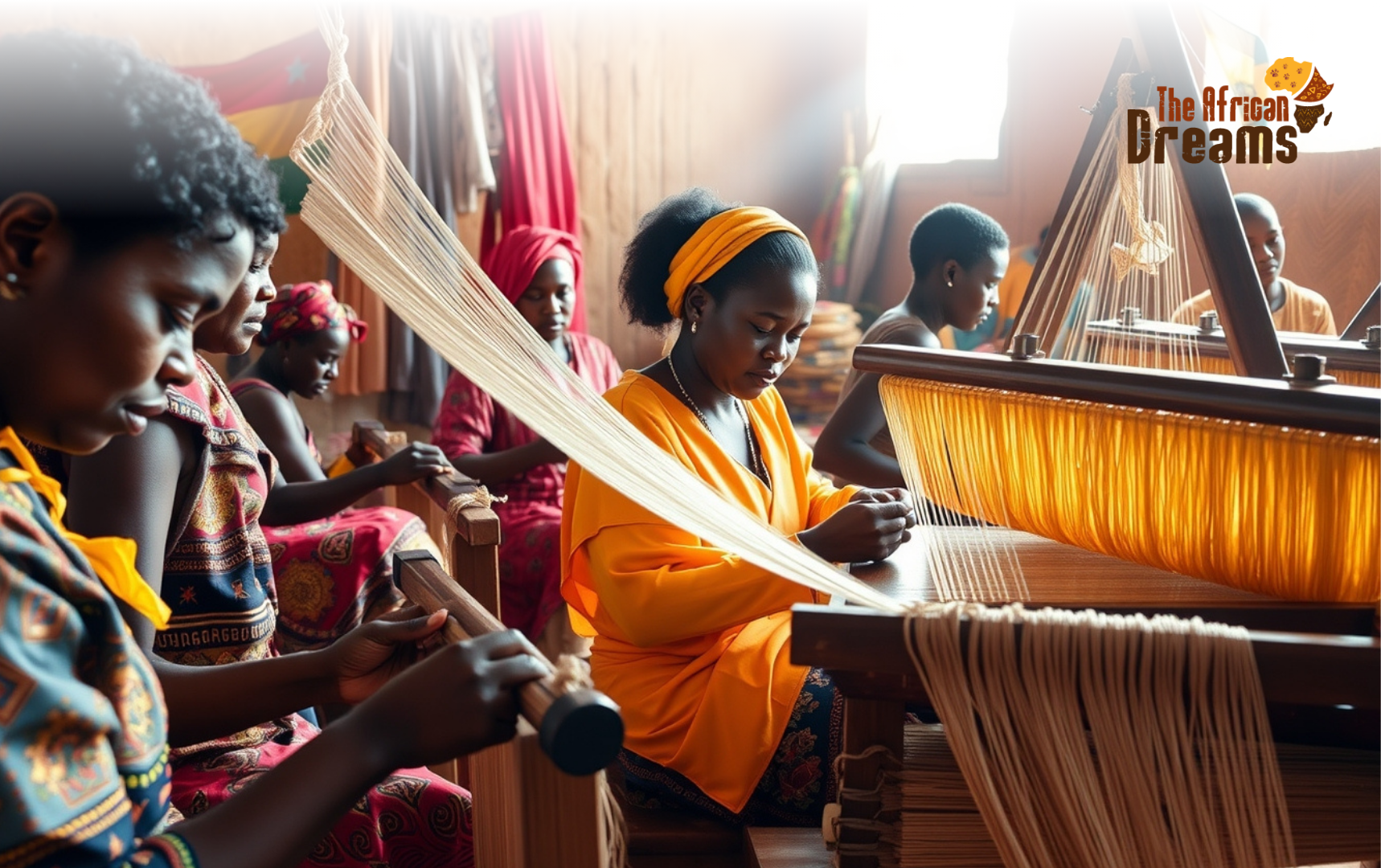
Over the centuries, Silk and celebrities have had a long-standing relationship. Most celebrities love to wear silk because of its comfort. Additionally, it can capture an instant fashion sense. In the early 20th century, Hollywood celebrities – Audrey Hepburn, Grace Kelly, and Marilyn Monroe brought silk to the forefront of fashion. The stereotype of glamorous and sophisticated silk accessories and dresses became an absolute icon.
It also caught the love of ordinary people for its ability to cope with temperature changes. It helps keep consumers cool when it’s hot outside and warm when it’s cold. The major attraction was that this fabric was distinctive because of its shimmeriness. In addition to its texture, silk rapidly became a fashion premium.
Today, silk has become an essential in everyday wear, surpassing its status as a luxury garment. More affordable silk blends are making their way into the market. Everyone can now enjoy silk’s elegance in everyday outfits and accessories. Because of its quality, Rwanda’s silk demand is rising, benefiting everyone, from workers to celebrities.
Article Highlights
Economic Growth and Export Potential: In 2021, Rwanda’s silk exports were valued at $387,000, and high-quality silk products reached markets in Vietnam, China, and Italy.
Investment Opportunities in Rwanda’s Silk Industry: With government support and a growing global demand for sustainable textiles, Rwanda presents an attractive opportunity for investors looking to expand into sericulture.
Success Stories in Sericulture: Farmers like Pierre Kanyarwanda have transitioned from subsistence farming to profitable silk production, increasing household incomes and inspiring local communities.

The History of Rwanda's Silk Industry
As the industry grows, demand for high-quality silk in Rwanda increases. Seriana, a local but well-known designer, shared the history of Rwandan silk.
The government has been promoting silk farming since early in the New Millennium. With support from international partners. Rwanda’s silk products have excellent export prospects for an ever-increasing world market demand for high-quality silk. From childhood, she aspired to become a fashion designer. Now, she runs a boutique centre renowned for its iconic design.
Seriana primarily uses silk in all her products. Her organization is also famous for its quality. She expresses her gratitude to the Rwandan workers who diligently produce high-quality silk. That is the main reason for the boutique’s fame. Although she began her journey in the early 2000s, she anticipates a lasting impact. That will contribute to the growth of Rwanda’s fashion culture and create numerous success stories in the lives of ordinary people. Among these, Pierre Kanyarwanda’s story stands out as one of the memorable success stories. People get inspiration & confidence in the potential of the Rwandan silk industry.
True Success Story
Pierre Kanyarwanda is a 47-year-old farmer who used to do subsistence farming. That offered him barely enough to sustain his family’s basic needs. Most of the time, his income was inadequate to improve his family’s living standard.
The PRICE Project for Rural Income through Exports provided Pierre with comprehensive sericulture training. It taught him how to cultivate and maintain mulberry trees, the primary food source for silkworms. Pierre also learned how to handle silkworms to produce high-quality cocoons, which he then harvested and processed to make silk yarn. With the knowledge and materials he received at PRICE, Pierre could quickly shift to farming silk.
His new venture significantly increased his income because silk cocoons are more expensive than other crops. His success also inspired the community where he lived. His example inspired other farmers to venture into sericulture, contributing to this region’s general economic development.
Challenges Facing Rwanda's Silk Industry
One of the ongoing problems in this sector is the lack of investment. Therefore, the estimate indicated a 43% decline in silk cocoon production in fiscal year 2021-2022.
Despite the recent establishment of sericulture and processing facilities. Further infrastructural development is needed to facilitate industrial-scale output, including mulberry cultivation, silkworm rearing, and silk processing facilities.
Although the Project for Rural Income Throughout Exports (PRICE) has instituted a training program. More widespread and continuous training is still needed. This need for more training is an opportunity for improvement and growth in the industry.

Opportunities for Investors- Chance to Unlock Rwanda's Silk Potential
Investors can determine the future of the Rwandan silk industry through many initiatives.
- By forming partnerships with government support, both parties can profit. This will enhance credibility, increase market reach, and long-term sustainability, creating a win-win situation for all.
- Organisations can invest in sericulture and provide small farmers with inputs and technical services. This ensures a consistent supply, stabilises output production and lowers expenses.
Investors can also facilitate access to local and international markets. New income streams are opened through marketing and distribution channels, and the industry’s reach is broadened.
Rwandan Silk Demand
With the growing global demand for sustainable and natural fibres -Rwanda has the potential to establish a significant silk industry. This would yield substantial returns on investment for the country. In the 2020–2021 financial year, Rwanda exported 17,042 kilograms of silk products, earning more than $254,000. The silk products exported to Vietnam included 9,000 kilograms of dried cocoons. China received 7,448 kilograms of silk sheets. Italy received 593 kilograms of raw silk.
For investors looking to diversify their portfolios, the silk industry offers an opportunity to invest. In a low-volume, high-value-added sector with promising growth prospects, particularly in emerging markets like Rwanda. The potential for growth in the Rwandan silk industry is not just a possibility but a promising reality. This offers a hopeful outlook for potential investors.
Why Investors Should Take This Opportunity
The plant, a silk factory in Kigali, Rwanda, can process 70–100 tons of silk cocoons annually. Silk makes two significant products: silk yarn and silk sheets. There are many reasons for taking this initiative, such as
- The Rwandan government invested $1.3 million in the factory’s buildings and machinery, demonstrating its unwavering commitment to the industry.
- 50% of the silk yarn produced in 2019 received the highest quality grade of 6A, and 40% received a 5A rating.
- Rwanda’s silk exports were worth about US$387,000 in 2021.
- There are approximately 5,000 farmers engaged in silkworm rearing.
- Some projects, such as the Project for Rural Income through Exports PRICE. This project has improved the quality of silk products amidst growing demand. Especially in Asia, Rwanda’s silk industry has enormous export potential.
They are looking for investors to expand the industry further. By 2023, they plan to expand silk farming to 10,000 hectares of mulberry plantations. This expansion will create production and export capacity for Rwandan silk products.

Conclusion
Investors can prudently shape the Rwandan silk sector, making it a perfect opportunity for investors to capture the market. The government looks forward to forming partnerships, making this a promising field for investors. Though this sector is facing many problems, these can be solved. With strategic decisions and solutions, some initiatives can work as value addition. Additionally, the demand for Rwandan silk is growing. Moreover, this country is renowned for its high-quality silk, so the demand will have the lowest possibility of decreasing. Therefore, it will help the farmers overcome the problem and build a good business portfolio for the investors.

0 Comments