
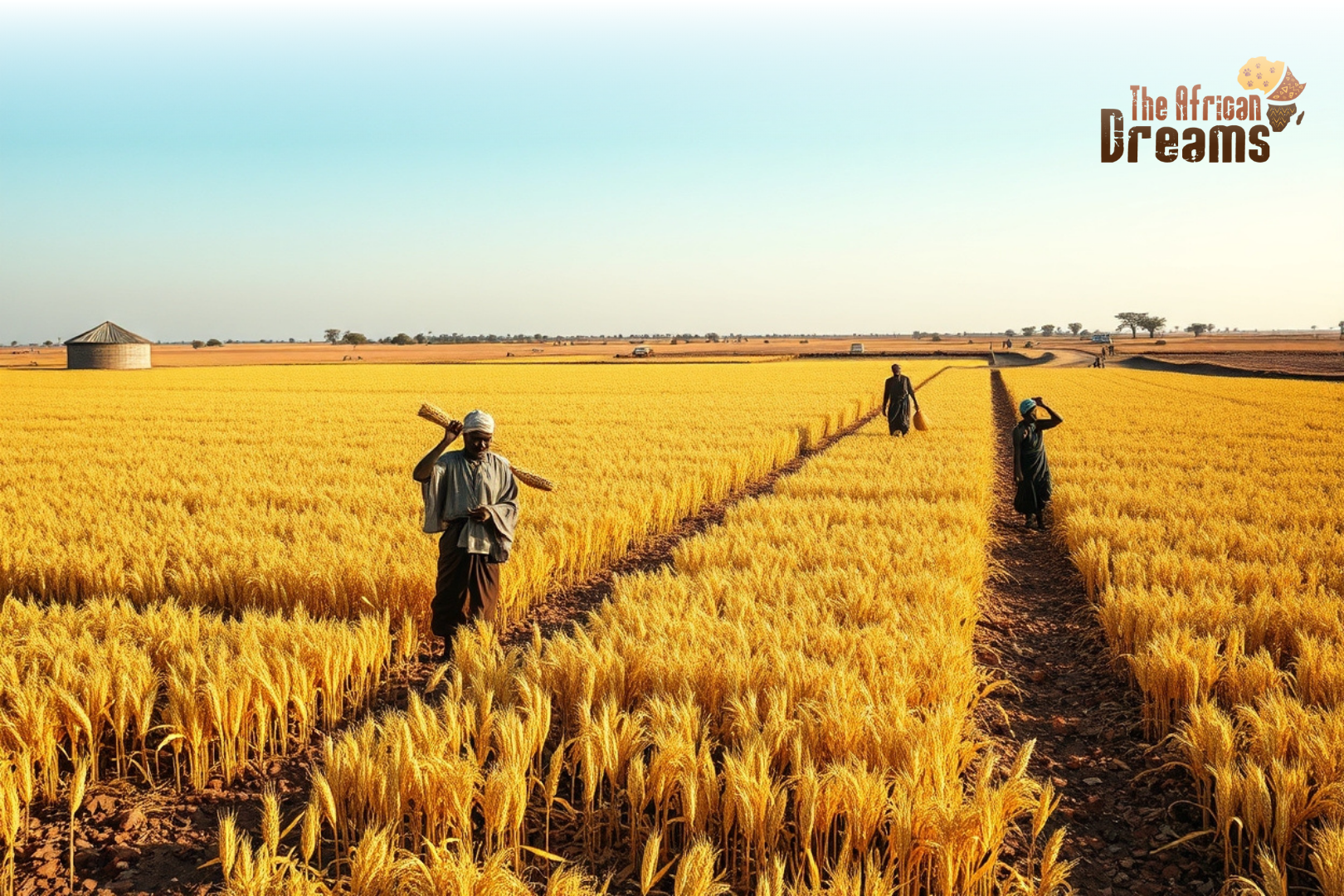
Want to invest but have no clue where to put your money? We have got you covered. Senegal, a country located in West Africa, is the place for you. Now let’s learn why.
Senegal’s agriculture employs a large portion of the country’s workforce. Amongst other agricultural products in Senegal, millet stands out as a crucial crop. This case study delves into the opportunities in Senegal’s millet industry and highlights the potential for investment.
Millet is particularly important in Senegal because it thrives in dry conditions. This makes it ideal for the Sahel region, where water is scarce. However, growing millet comes with its challenges, such as unpredictable weather and limited access to markets. This study explores how these obstacles are tackled through innovative agricultural practices and government support.
The Challenges
The millet industry in Senegal, while promising, faces several significant challenges. One of the main issues is the impact of climate change. In recent times, a decline in the amount of rainfall along with a shorter rainy season. Drought stress early in the growing period can significantly decrease plant height, biomass, and overall grain yield and weight. Unpredictable rainfall and frequent droughts in the region endanger millet crops. These conditions threaten millet crops, which are vital for both the economy and food security in Senegal.
In addition to climate challenges, the infrastructure for supporting millet production is lacking. Roads, storage facilities, and market systems are not well-developed, making it difficult for farmers to sell their crops efficiently. This results in high post-harvest losses and limits the farmers’ potential income.
Furthermore, the millet value chain in Senegal is highly informal. Many farmers operate on a small scale and do not have formal connections to larger markets. They also lack access to modern farming technologies that could increase their yields and make farming less labor-intensive. Addressing these issues is crucial for the growth of the millet sector in Senegal.
The Solutions
To address the challenges in Senegal’s millet industry, a combination of innovative agricultural practices and supportive policy measures has been implemented. These efforts are aimed at making millet farming more resilient to climate change and economically viable for farmers
One key solution has been the development and distribution of drought-resistant millet varieties. These new strains are better suited to withstand the erratic weather patterns caused by climate change, ensuring more stable yields. Additionally, training programs for farmers on climate-smart agricultural techniques have been rolled out, teaching methods that conserve water and improve soil health
On the policy side, the government, along with development partners, has focused on enhancing the infrastructure necessary for a robust millet value chain. This includes investments in better roads for transportation, improved storage facilities to reduce post-harvest losses, and marketing platforms that link farmers directly to buyers. These improvements not only help in reducing logistical costs but also boost the profitability of millet farming
Furthermore, efforts to formalise the millet value chain have been accelerated. Programs that connect smallholder farmers to larger markets and introduce them to agribusiness skills are crucial. These programs help integrate traditional millet farming into the broader agricultural economy of Senegal, ensuring that farmers get fair prices for their crops and can scale their operations
The Implementation
Implementing solutions to bolster Senegal’s millet industry has involved multiple strategies, each targeting specific aspects of the agricultural and economic challenges. Here’s how these solutions have been put into action:
- Development and Distribution of Improved Seeds: Programs have been established to breed and distribute drought-resistant millet varieties. These seeds are designed to thrive under the erratic rainfall patterns and harsh conditions typical of the Sahel region. Real-life example: A project spearheaded by international agricultural agencies introduced these seeds to Senegalese farmers, providing them with both the seeds and the training necessary to cultivate them effectively
- Climate-Smart Agricultural Training: Training sessions have been conducted to educate farmers on new agricultural techniques that are both sustainable and climate-resilient. These include water-saving practices and soil health improvement methods. Real-life example: Workshops and field days organised by local agricultural extension services have helped spread these practices among millet farmers, significantly improving their crop management skills
Infrastructure Improvements: Significant investments have been made in infrastructure to support the millet value chain. This includes constructing better roads for transportation, upgrading storage facilities to reduce grain spoilage, and developing digital platforms for market information. Real-life example: A government-led initiative supported by international funding focused on building new roads and renovating old ones in key millet-producing areas to ease the transport of goods to market - Market Access Programs: Efforts to formalise the millet value chain have been accelerated through programs that link farmers directly to larger markets. These programs also include training in agribusiness skills to help farmers manage their operations more effectively. Real-life example: A cooperative model was introduced where smallholder farmers could aggregate their harvests, gaining better negotiating power and access to larger buyers, thereby ensuring fairer prices and more consistent market access
Final Remarks
By improving millet production, Senegal not only boosts its economy but also secures a stable food source for its people. Therefore, improving the infrastructure with government assistance to assist farmers, along with investors and business people, to produce more millet is necessary. Millet Industry of Senegal is not only going to continue to grow, but, with proper strategies, it will also help the country with its economy.

0 Comments