
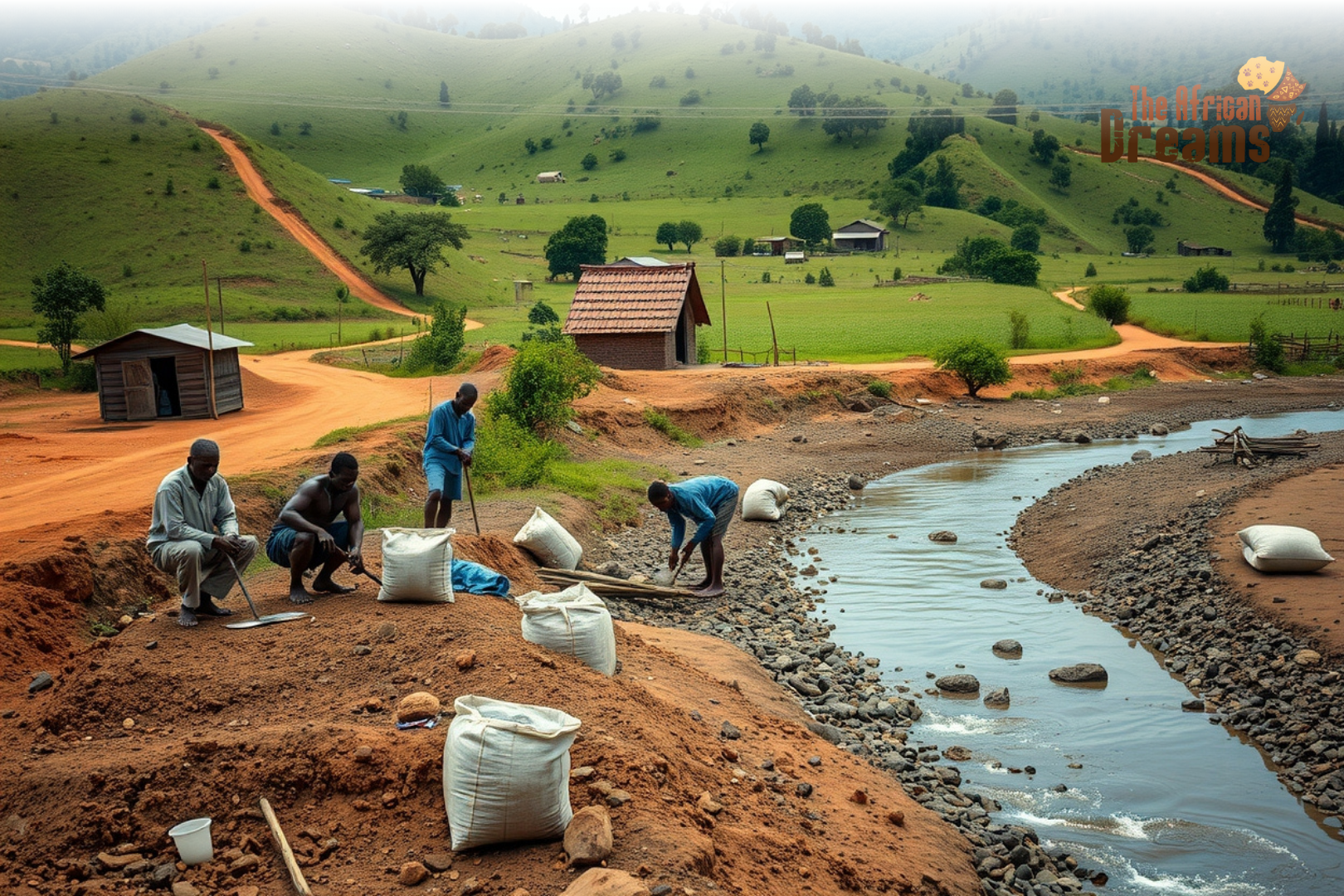
Malawi’s gold industry is full of exciting investment opportunities. It is driven by rising international demand and untapped mineral reserves. The artisanal and small-scale mining sector offers big economic opportunities for local and global investors.
However, the gold sector faces many challenges, including poor infrastructure and environmental issues that need attention. Despite challenges, Malawi’s gold industry is still growing, and soon it will become a key player in the global market.
This article looks at Malawi’s growing gold sector. It highlights the challenges and opportunities for investors. It also talks about how Malawi’s gold industry promotes sustainable and profitable involvement.
Article Highlights:
Overview of Malawi’s gold sector and how it is growing mainly through artisanal and small-scale mining.
The Reserve Bank buys local gold to boost foreign reserves.
Gold exports are increasing, especially to the UAE.
Major challenges include poor infrastructure, weak regulations, and illegal mining.
The government is formalizing the sector and improving gold trading markets.
Investment incentives and legal reforms are attracting interest; with more support, gold mining could boost Malawi’s economy and jobs.
Current State of Malawi's Gold Industry
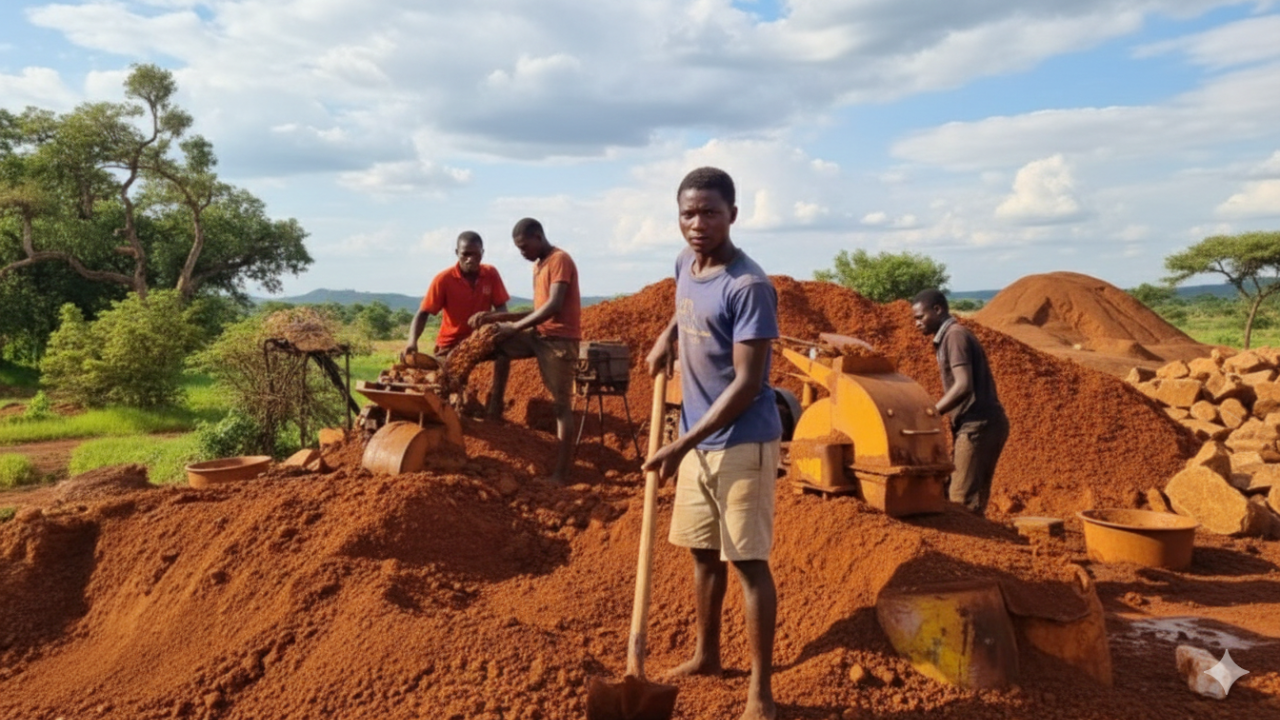
Malawi’s gold industry has undergone significant changes in recent years. The industry is led by small-scale and artisanal miners. They are working to expand and formalize their operations.
Malawi’s gold industry includes production, reserves, exports, and government efforts.
Gold Production and Reserves
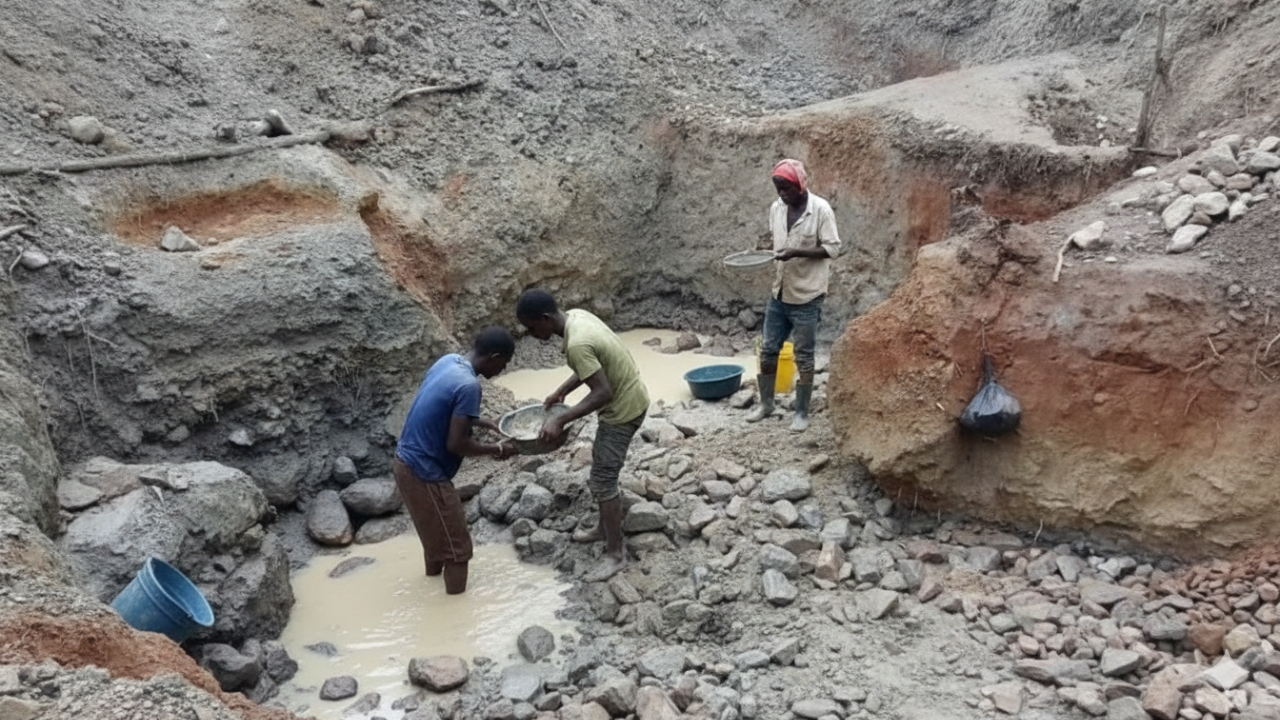
A. Artisanal Mining Dominance: Malawi’s gold production is primarily artisanal and small-scale mining (ASM). These miners frequently recover gold with simple tools and techniques without official permits.
B. Gold Deposits in Malawi: The biggest gold deposits are mainly in the central and northern regions. This includes areas like Lilongwe, Mzimba, and Kasungu.
Malawi’s official figure for gold reserves remains unchanged at 0.40 tons; it has not moved since 2000. Data from Trading Economics published in March 2024 shows this.
C. Reserve Bank of Malawi’s Gold Purchases
The Reserve Bank of Malawi (RBM) launched an initiative to buy gold from local miners to support the nation’s foreign currency reserves. By early 2025, the RBM had gathered nearly 295 kilograms of gold worth about $27 million.
The gold has been kept in reserve and hasn’t been sold yet. The RBM has said it will refine the gold to 99.99% purity and keep it in the official reserves. The state news agency is yet to share more details about the plan to boost the country’s economic stability and foreign exchange position.
Gold Exports and Trade
A. Export Performance: In 2023, Malawi was the 128th largest global exporter of gold, exporting $14.9 million.
These exports were mainly aimed at the United Arab Emirates. This shows the growing interest in Malawi’s gold, although the sector’s potential is not fully exploited.
B. Trade Balance: Malawi’s 2023 gold trade balance is positive, with exports outweighing imports.
The country imported only $1.69k worth of gold, mostly from the UAE. As a gold exporter, Malawi has a positive trade balance.
Economic Contribution
A. Mining Sector’s Role in GDP: Malawi’s mining sector includes gold and other minerals. It makes up about 1% of the country’s GDP.
The government expects this contribution to grow as reforms and investments in the sector bear fruit. Gold, as a high-value commodity , will thus play a pivotal role in this expansion.
B. Employment and Livelihoods: Small-scale or artisanal mining is a significant source of livelihood for much of Malawi’s rural population.
An estimated 60,000-plus direct beneficiaries of work in gold mining activities. These miners sustain thousands of households, especially in rural areas with few other job options.
Investment Challenges in Malawi's Gold Industry
Malawi, a gold-rich country, has many mining business opportunities. However, several challenges stop these opportunities from being fully realised. These include sociopolitical issues, budget limits, regulatory hurdles, poor infrastructure, and environmental problems. Unlocking the sector’s potential and ensuring sustained development depend on overcoming these obstacles.
1. Infrastructure Deficits: Lack of infrastructure is among the core challenges facing Malawi’s gold industry. Poor road networks, unreliable power, and limited water access also affect mining operations.
For example, the Kayelekera Uranium Mine is unlikely to succeed without reliable power and access to water. Still, the region continues to suffer from outages and shortages. Infrastructure issues make it harder for mining companies to attract investors. This raises operational costs and limits growth in the sector.
2. Financial Constraints: Financial constraints impede Malawi’s gold sector. The National Mining Investment and Development Corporation was set up to boost mining. However, it is seriously underfunded.
In the financial year 2024/25, the government set aside a paltry K8.746 billion for the mining sector, only 0.15% of the total national budget. The funding is insufficient, delaying the company’s operation and limiting industry progress.
3. Regulatory Complexities: Malawi’s mining laws and regulations are complex and often conflict with each other. They are also not enforced well. Mineral rights and exploration permits cost a lot and take time.
There are many fees and strict rules that make the investment less appealing. Weak environmental regulation casts doubt on the government’s sustainable mining efforts. Regulation-related obstacles create uncertainty for domestic and foreign investors.
4. Environmental Concerns: In Malawi, a primary concern is environmental degradation caused by mining. Illegal mining and smuggling of minerals, especially gold and gemstones, continue to thrive. These activities take away resources from the government.
They also create risks for the environment and workers. Artisanal and small-scale mining (ASM) has been a key area of focus for the sector to formalize. Many miners still work outside the law. They often sell their goods to unregistered middlemen and smugglers.
5. Socio-Economic Issues: The gold industry in Malawi has a bittersweet socio-economic impact. While mining generates jobs, it is generally under exploitative conditions. Unsafe conditions result in health risks and injuries.
Many miners are forced to work in hazardous environments, with few safety precautions in practice. Mining often brings limited and uneven economic benefits. Local people usually do not gain much from these activities. This gap causes social instability and overall growth.
Solutions to Challenges in Malawi's Gold Industry
1. Formalization of the Gold Mining Sector: The Reserve Bank of Malawi has opened a regulated gold market to mitigate the financial sector through this black market. This programme helps artisanal miners sell their gold at fair prices. They get paid right away and receive technical support.
This helps them improve their livelihoods and encourages sustainable mining practices. The sector’s formalization will help the government collect taxes and royalties. This, in turn, will increase revenue for public services.
2. Community-Based Interventions: Programs like the Sustainable Mining Applied for Livelihood Advancement (SAMALA) address community-based problems. They have improved the miners’ socio-economic conditions.
They collaborated on mining, environmental protection, and financial education. These programs have raised living standards for miners. Balaka miners can now build houses and send their children to school.
These steps fight child labour, stop sex discrimination in mining, and promote gender empowerment.
3. Implementing Legal Frameworks: The Malawian government has decided to enforce mining rules more strictly.
The Ministry of Mining has banned illegal river gold mining in Zomba due to allegations of child labor and other violations. These measures are vital to combat illegal mining and ensure that mining work is done in a responsible and legal manner.
It also supports creating gold markets in key districts like Liwonde and Mangochi. This helps make gold trading more transparent.
4. Improving Community Engagement and Transparency: In response to local complaints, the government aims to set up gold markets in Liwonde and Mangochi districts, among other areas.
The goal is to let communities share in mining profits. This will be done by providing clear gold trading markets. Steps are being taken to cut corruption and boost mining governance.
This will build trust and collaboration among all stakeholders. These reforms involve setting up the Mining Regulatory Authority. They also involve setting up integrity committees. This helps improve transparency and accountability in the sector.
5. Investment in Infrastructure: Infrastructure Development is Key to Mining Growth. The government understands that the mining sector can’t thrive without better infrastructure. This includes transport networks, telecommunications, and electricity supply.
Investing in these areas will bring down the cost of mining, improve efficiency, and attract local and foreign investment. Setting up centres for cutting and polishing will enhance mineral products. Also, teaching basic business skills will help boost revenue.
6. Education and Capacity Building: Training and education on miners’ purposes is one key to the sector’s sustainable development.
Most artisanal miners are barely literate and unfamiliar with modern mining techniques. Authorities and NGOs should invest in knowledge transfer initiatives. These initiatives can help miners learn about safe mining, caring for the environment, and managing finances.
Establishing mining desk officers in district councils may also help narrow the knowledge gap and assist miners.
How to Invest in Malawi's Gold Industry?
Malawi’s gold sector is attractive for both local and foreign investors. The country has rich natural mineral resources, new rules in place, and a government eager for investment. This creates a great chance for mining development. Now, let’s talk about how you can invest in gold in Malawi.
1. Understanding Malawi’s Gold Industry: Malawi mainly focuses on artisanal and small-scale mining (ASM) for gold. However, the country aims to formalise and expand these operations.
In 2023, Malawi exported gold valued at $14.9 million, with the United Arab Emirates as the highest destination. This signifies a growing market for gold exports.
2. Regulatory Framework: The Mines and Minerals Act of 2018 is Malawi’s primary mining legislation. It also requires the state to own all mineral resources.
The act creates a hybrid mining title system, increasing transparency and decreasing corruption. It divides mining licenses into small, medium, and large categories, each with its associated rights and obligations.
3. Investment Opportunities: There are many ongoing gold mining projects in Malawi. The Kayelekera Uranium Mine will reopen.
The Kanyika Niobium Project in Mzimba and the Rare Earth Project in Phalombe are being developed. There is plenty of money in these gold projects.
4. Investment Incentives: The government of Malawi is focused on increasing the mining industry’s contribution to GDP.
The Mining Investment Forum in 2024 drew over 300 attendees from around the world. It was the perfect place for opportunities. Security is complemented by tax-free zones with customs duty exemptions if they are ready to invest in industries.
5. Infrastructure and Logistics: In ongoing development projects, Malawi is also making strides in enhancing road networks and energy supply. All these events are essential for the smooth functioning of mining operations and the movement of gold to export markets.
6. Environmental and Social Considerations: Investors are required to ensure environmental sustainability under the Mines and Minerals Act. This act requires mining companies to create environmental management plans.
They must also take part in community development programs. This way, local communities gain from mining operations.
What is the future outlook for Malawi's gold industry?
A number of key considerations will determine the future of Malawi’s gold industry.
The government promises to reform. It will invest in infrastructure, enforce environmental rules, and support small-scale miners. The right policies can help the sector create jobs, lower poverty, and boost foreign exchange earnings.
The Ministry of Finance says that if these reforms happen, the mining sector should grow by 6 percent each year for the next five years.
Gold has a central role to play in this growth. This will hinge on formalizing the ASM sector and bringing responsible investment to bear.
There are also opportunities to add value. Currently, most of the gold produced in Malawi is exported raw. Setting up local refineries might boost revenues and generate more jobs. The government is considering public-private partnerships to build these facilities.
Final Words
Mining supplies are increasingly needed in Malawi because the gold industry is still growing. By addressing the challenges, Malawi’s gold industry will become a strong player in the regional gold market. If regulations improve, infrastructure will get better, and mining practices will become sustainable. Then, the sector can significantly boost the economy and improve the lives of the local communities.
The nation’s huge but untapped gold deposits favor early and ethical investors. The government sees mining as key to economic diversity. So, long-term investment and strategic partnerships are vital for Malawi’s gold industry. The industry is growing, but investors need to research thoroughly and be prepared before putting their investment in it.
For those willing to take advantage, the future is here in Malawi’s gold industry.




0 Comments