
Introduction
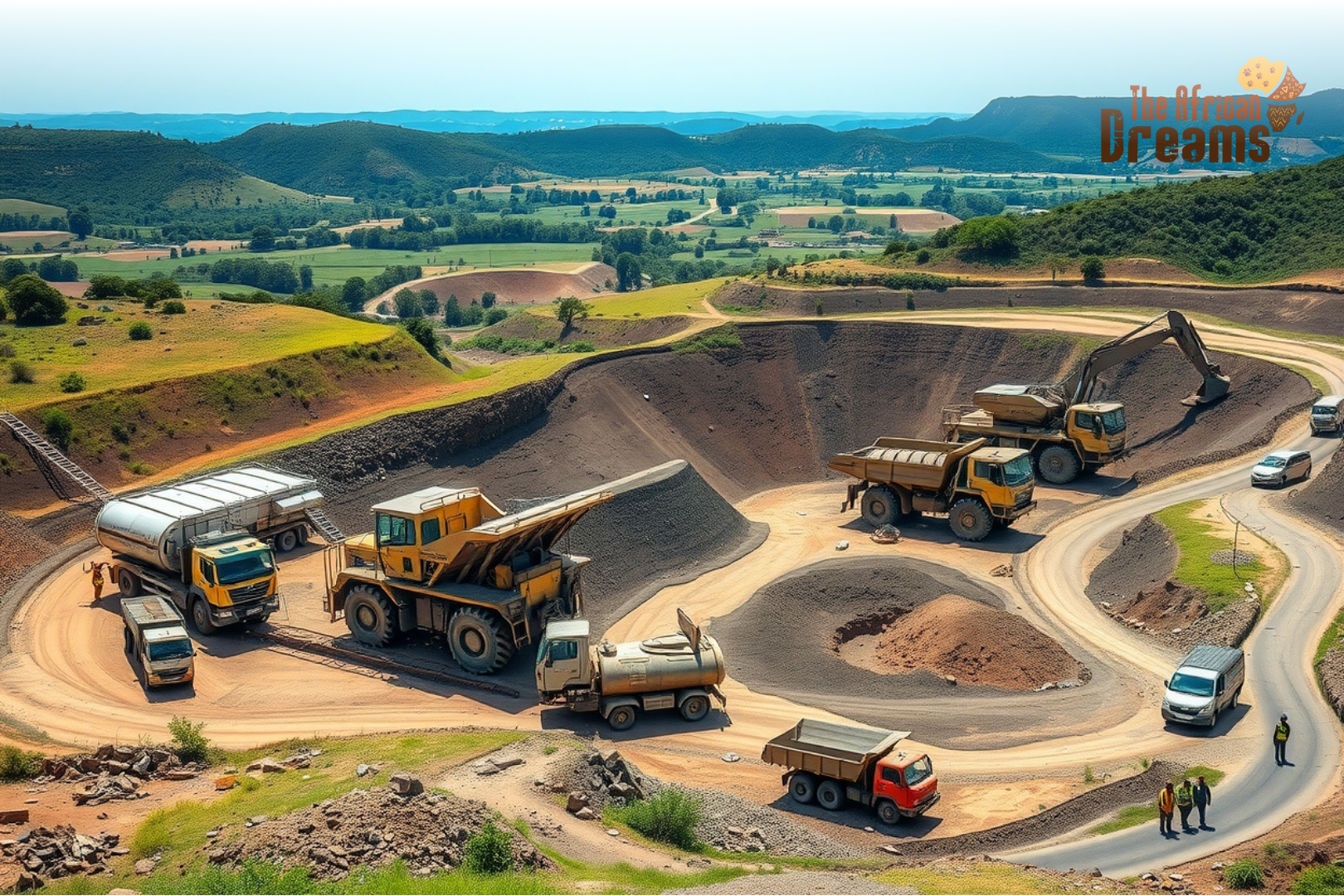
Malawi, often called the “Warm Heart of Africa,” is attracting more foreign investors to the mining sector. Earlier, countries like South Africa and Namibia were more popular. But today, Malawi’s minerals are getting attention. Malawi’s one of the largest mining project is the Kayelekera Uranium Mine. This case study will explore FDI in Malawi’s extractive industry through Kayelekera Uranium Mine.
Projects like Kayelekera Uranium Mine show both the opportunities and the challenges of investing in Malawi’s mining sector. With more demand for uranium for clean energy, now is a good time for Malawi to restart the Kayelekera project.
Article Highlights
How Malawi’s mining industry is growing because of FDI and government support
An overview of the Kayelekera Uranium Mine that shows the country’s potential to grow.
Impact of FDI in the mining sector
Challenges and how they were addressed
The future outlook for mining investors in Malawi, especially in uranium and rare earth elements.
Why Malawi?
Investors who are looking for new opportunities in Africa’s mining industry, Malawi is a great choice. The Fraser Institute’s 2023 report ranks Malawi among the top five African countries for mining investment. Its political stability and supportive government also help the mining sector grow. The country offers easier regulations for investors to help grow the economy.
Today, Malawi has important resources that are getting attention around the world, like uranium at Kayelekera, huge rare earth minerals at Kangan Kunde, and different types of gemstones. These materials are very important today, as the world focuses more on clean energy and high-tech production.
FDI in Malawi’s Mining Sector: Rise, Fall, and Revival
1. The Rise (2009): A Good Beginning: In 2009, Malawi’s mining sector took a big step forward when Paladin Energy started the Kayelekera Uranium Mine. This one project brought about $220 million in foreign investment, which was one of the largest amounts coming from outside the country at that time.
Mining quickly became an important part of Malawi’s economy. It created new jobs, helped the country earn more from exports, and made Malawi better known as a place where mining could grow.
2. The Fall (After 2014): Hard Times: But the good times did not last.
In 2011, there was a major nuclear accident in Fukushima, Japan. This made the world’s demand for uranium drop, and the price of uranium fell a lot. Because of this, the Kayelekera Mine was no longer making enough to stay open. By 2014, the mine had to stop working and was put into “care and maintenance,” meaning it was closed but looked after in case it could open again later.
When the mine stopped working, foreign investment in Malawi’s mining industry also dropped. Investors became more careful, and the growth of mining in Malawi slowed down.
3. The Revival (Today): A Fresh Start: Today, things are starting to look better again.
Looking ahead to 2020, there has been a new wave of global interest in nuclear energy, which has made uranium projects more valuable again. Because of this, Lotus Resources Ltd, an Australian company, bought 85% of the Kayelekera uranium mine and started making plans to reopen it and increase production.
Recent studies have shown that if the mine is restarted, it could produce around 2.4 million pounds of uranium each year. This would bring a lot of economic benefits to Malawi, helping the country grow and create more opportunities for its people.
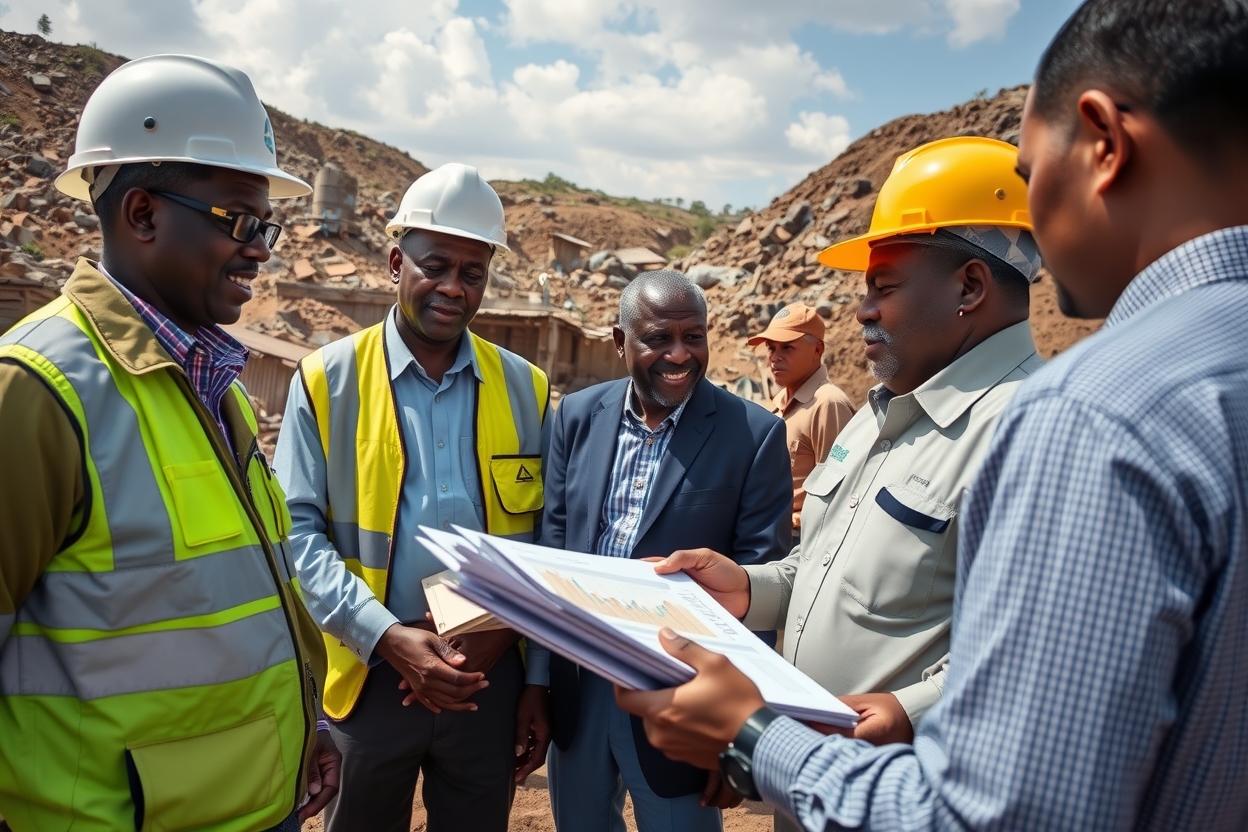
Figure: Lotus Resources Limited Executive management team, which holds an 85 percent stake in the Kayelekera Uranium Mine in Karonga, is expected to visit Malawi next week to assess how soon the mine can resume operations.
Key Factors Bringing Investment into Malawi’s Mining Sector
Many important things are helping bring more foreign investment into Malawi’s mining industry. Here’s a simple look at why investors are becoming more interested:
1. Plenty of Minerals: Malawi has many valuable minerals that have not been fully explored yet. These include uranium, rare earth elements, bauxite, coal, and niobium.
The government is focusing on mining as a big part of growing the country’s economy, especially through its plan called Malawi Vision 2063. Investors see a lot of opportunity because these minerals are needed more and more around the world.
2. Stable Government: A stable government is important when people invest money for the long term.
Since the peaceful elections in 2020, Malawi has enjoyed a calm and democratic environment. This gives investors peace of mind, knowing that they can work without worrying about sudden political problems.
3. Easy Access to Other Markets: Malawi is a member of groups like the Southern African Development Community (SADC) and the African Continental Free Trade Area (AfCFTA). This means companies in Malawi can easily sell their minerals to many other countries in Africa and beyond, not just within Malawi. This makes mining projects more worthwhile.
4. Support for New Investors: The Malawian government is offering special help to encourage investors. Through the Malawi Investment and Trade Centre (MITC), new businesses can get tax breaks, bring in mining equipment without paying import taxes, get special licenses for big mining projects, and get faster service through a “One-Stop Service Centre.” These benefits help companies save money and start working faster.
5. Better Roads, Railways, and Energy: Malawi is building and fixing important infrastructure like roads, railways, and power stations. Special attention is being given to railway links to ports in Mozambique, making it easier to ship minerals to other countries.
Good infrastructure makes moving goods cheaper and quicker, which is something investors
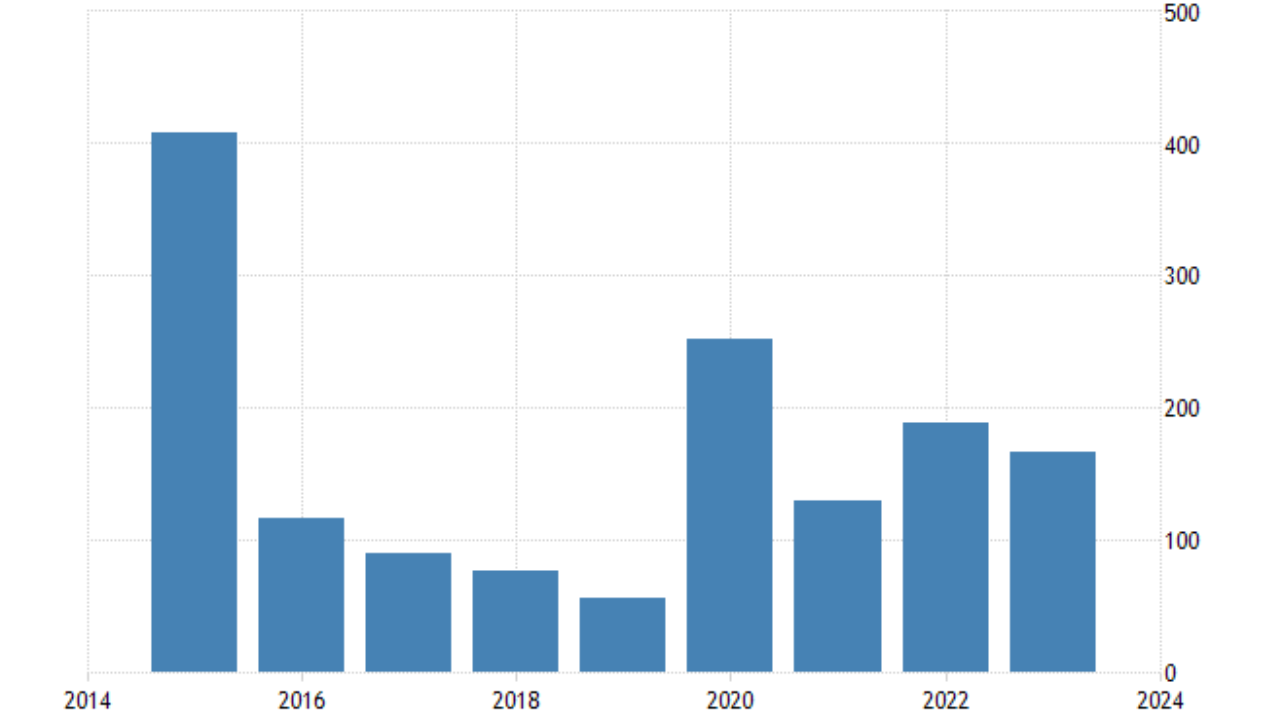
Figure: Graph of Malawi Foreign Direct Investment
Case Study: Kayelekera Uranium Mine
About the Project
In 2009, an Australian company named Paladin Energy opened the Kayelekera Uranium Mine in Malawi. They spent about $220 million on it, which was a very big investment for Malawi at that time.At its busiest, Kayelekera produced about 3% of the world’s uranium, showing how important the mine was both for Malawi and for countries needing uranium for energy.
Why the Mine Stopped Working (2014)
Even though things started well, the mine had to stop operations in 2014.
There were two main reasons:
- Global Problems: In 2011, a nuclear accident in Fukushima, Japan, made people around the world more afraid of nuclear energy. This caused uranium prices to fall sharply, making it hard for Kayelekera to make a profit.
- Local Problems: Malawi’s infrastructure was weak. The mine faced high electricity costs and frequent power cuts (load shedding). Also, the government delayed paying VAT refunds owed to Paladin Energy, making it harder for the company to manage its finances.
What Investors Can Learn
Even though the mine shut down, there are important lessons for future investors.
Today, the world’s need for uranium is growing again, especially as more countries want clean energy. However, investors need to plan carefully.
- Working with local transport and logistics companies can help avoid delays and build good relationships with local communities.
- Finding reliable, affordable energy, such as installing solar-powered systems, can protect mining operations from problems caused by expensive or unreliable electricity.
How Mining Helps Malawi’s Economy
1. Mining’s Contribution to the Economy: In 2021, mining made up about 1% of Malawi’s total economy.
The government hopes that by 2030, mining will grow and contribute about 10% of the country’s economy.
Big mining projects like Kayelekera bring money to the government through:
a. Royalties (payments for using the land)
b. Export taxes (taxes on minerals sold to other countries)
c. Company taxes (normal business taxes)
2. Creating Jobs for People: Mining projects create many jobs in Malawi. Some jobs require specialized skills, but many are simple enough for many people to do. For example, when Kayelekera was busiest, it gave jobs to over 1,000 people. About 95% of those workers were Malawians.
Mining also helps other businesses grow, like:
a. Transport companies
b. Catering companies (providing food)
c. Logistics companies (moving goods)
d. This creates even more jobs across the country.
3. Learning New Skills and Technology: When foreign companies invest, they bring not just money but also knowledge and technology. Malawian workers learn important skills like:
a. How to find and study minerals (geological surveying)
b. How to protect the environment during mining
c. How to use modern mining machines and methods
These skills help Malawians become better trained, which is good for the country’s future.
4. Building Better Roads, Energy, and Communication: Mining companies often help build things that improve life for everyone, such as:
a. New roads in rural areas
b. Stronger and more reliable electricity systems
c. Improved internist services and networking
All of these not only help the mining companies but also improve the lifestyles of the locals.
Challenges and How Malawi Overcame Them
Foreign direct investment in Malawi’s mining industry faces several challenges. Let’s discuss the challenges and how it tries to fix them:
1. Unclear Rules and Lengthy Paperwork: Unclear rules and slow procedures are one of the biggest problems Malawi’s mining sector faces. Investors may face delays in paperwork and license approvals. Complications with land rights and getting community permission can cause these delays.
Thorough research and staying up to date will help in this case. In addition, to solve this, the government is also changing the rules and setting up the Mining Cadastre Portal to make things clearer and faster.
2. Environmental and Social Concerns: There are also environmental and social issues that make things harder. For example, projects like Kayelekera have been criticized because people are worried about radiation, water pollution, and the lack of benefits for local communities.
To keep both investors and local people secure, the government needs to make stricter rules to protect the environment and make sure that Environmental and Social Impact Assessments (ESIAs) are done properly.
3. Changing Prices of Minerals: Another challenge is that the price of minerals like uranium can change a lot. For example, in 2011, uranium prices dropped suddenly, which caused problems for projects like Kayelekera. This shows that Malawi needs to have a stronger economy that doesn’t rely too much on just one mineral.
Investors need to be prepared for sudden drops and plan accordingly.
4. Political Risk: While Malawi is a great choice for investment, there are still concerns about politics. Investors often think about independent courts and the country’s efforts to fight corruption before participating. The government of Malawi is also working on this.
Solutions and Suggestions
The government of Malawi is taking several steps to make Malawi a better place for investment:
1. Improving Security: The Malawi government is trying to make the mining laws clear for everyone and easy to follow. They are also tightening land rights to ensure they are secured for everyone. The rules are to be fair and consistent, so the local and foreign investors feel safe to invest in the mining sector.
2. Be Transparent: The Malawi government is also trying to follow international standards like the Extractive Industries Transparency Initiative (EITI). This means sharing all information about mining contracts. This will build trust among both the parties, the investors, and the people, and will make them interested to do more business.
3. Support Local Communities: Mining companies should be required to help local communities by investing in Corporate Social Responsibility (CSR) programs. They can also buy from local businesses and train workers in new skills, so that the benefits of mining go to the people of Malawi.
4. Make Business Easier: The government also introduced the One-Stop Investment Centre, where investors go for help. There should be clear, easy-to-follow rules on environmental protection, worker safety, and labor laws. Simplifying these processes will make it easier for companies to start and grow in Malawi.
5. Plan for Price Changes: Finally, Malawi should be ready for changes in mineral prices. One way to do this is to set up a sovereign wealth fund to save mining revenue. This fund can be used to help the country during hard times when prices drop.
Malawi should also explore other minerals besides uranium to ensure the economy remains strong and balanced in the future.
Future Opportunities: Why Invest in Malawi
Malawi’s mining industry has a lot of potential for the future. Paladin Energy is doing a study in 2024 to see if it can restart the Kayelekera uranium mine. Early results are promising, showing that with updated equipment and using renewable energy, the mine could still be successful even if uranium prices are lower than expected. This is a good sign for the country’s uranium industry.
Besides uranium, many new mining projects are starting up. Mkango Resources is working on a big rare earth project at Kangan Kunde, which is an important material for the global green economy. At the same time, there are also many projects focusing on graphite because of the growing demand for batteries worldwide. The government is working hard to bring in more investments by setting up Special Economic Zones and speeding up the process for getting mining licenses.
One senior official from the Ministry of Mining said,
“Malawi is the next big place for important minerals—if investors deal with its challenges carefully.”
This shows that the country is becoming an important place for minerals that the world needs.
Conclusion: Should You Invest?
The answer is yes, but with a plan. Success will depend on being careful and aware of the risks. Investors who focus on minerals that have strong demand worldwide, like uranium and rare earth materials, will be able to profit more. Working closely with local companies and staying up to date with new rules will help them grow quickly.
Malawi’s mining sector offers great opportunities for investors and businesses to earn great rewards. Of course, rewards come with lots of responsibilities and manageable risks, too. However, with proper planning, strategy, management, and experienced guidance, an investor can bring good returns from Malawi’s mining sector.





0 Comments