
Introduction: Discover Cattle Farming in Libya
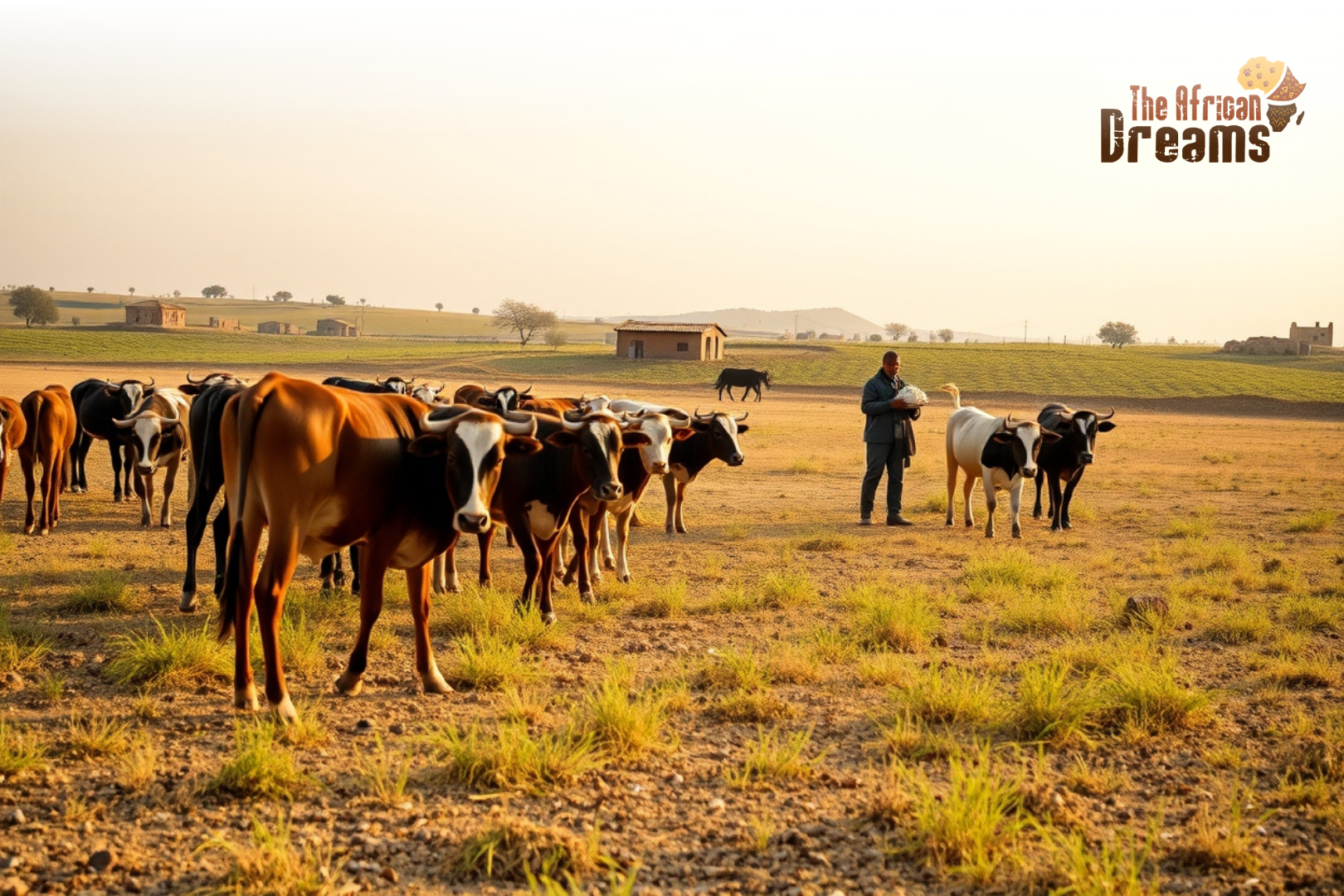
In the early morning in a village in Libya everything feels calm. The sound of cows eating grass and some farmers calling out from far can be heard. It’s a normal scene there. For a long time cows have been a big part of village life. Kids help by carrying food for the cows. Women make milk ready at home. And the small shop owners wait for meat and milk to arrive. All these small things show something big. Cow farming is not just farming. It’s part of their food, their money and their tradition too.
Cattle farming in Libya is a very important part of farming in the country. People raise cattle for both meat and milk. These are used in homes, hotels, and small shops all over Libya. The demand for beef, milk, and other dairy products is now growing very fast.
Even though many people raise cattle, local farms still do not produce enough. A lot of meat and milk is still brought in from other countries. This shows there is a big gap in the market. New farmers and investors can really help fill this gap.
Libya has a lot of open land that can be used for grazing. In some areas, farmers also grow feed crops like barley and grass for the animals. With better tools, good care, and simple support, these farms can produce a lot more meat and milk than they do now.
Cattle farming in Libya also helps rural families earn money. It gives jobs, supports small markets, and keeps food supply strong. For people who want to invest in farming, cattle is a very smart option. The market is ready, and the chances of profit are really good.
Current Market State of Cattle Farming in Libya
Cattle farming in Libya is slowly growing. In recent years, the number of cattle in the country has increased to over 165,000. This number is expected to keep rising in the coming years. Even though the sector is still small, it is moving in the right direction.
Meat production from cattle is still low. In 2022, Libya produced around 6.7 million kilograms of fresh beef. At the same time, the demand for beef is going up. In 2024, the beef market was worth about 161 million dollars. But the supply from local farms is not enough to meet what people need. Some of this gap is filled by imports, which means money is going outside the country.
Many farmers face problems with animal feed. The price of feed is very high, and it is not always easy to find. There is also a lack of proper care, such as good veterinary services and vaccines. These things make cattle farming more costly and risky. Power cuts and local problems also make it harder to grow.
Even with these issues, cattle farming in Libya is still very important. It is the main source of income for many rural families. In fact, livestock is the number one income source for about one in five people in Libya. This shows that the sector plays a strong role in the economy.
There is still a lot of room for growth for cattle farming in Libya. Libya imports a big part of its meat and milk. Local farms can grow fast if they get better feed, training, and simple tools. The country has enough land for grazing, and the demand is already there. With the right support, cattle farming in Libya can become a very strong sector in the near future.
Why Libya Is Suitable for Cattle Farming
Natural Traits
-
Libya has open land, especially in the northern parts of Libya. These lands are perfect for cattle grazing.
-
Some regions grow crops like barley and alfalfa, which can be used as cattle feed to reduce costs.
Climate
-
Warm and dry weather during most of the year lowers the risk of cattle diseases. One of the major reasons for cattle farming in Libya.
-
Easier to raise animals in open fields without needing big barns or buildings.
Water Availability
-
Water is found in several farming zones, from underground wells or small irrigation systems.
-
Some regions have limited water, but careful use can solve this problem.
Location
-
Close to major markets like Egypt, Tunisia, and southern Europe.
-
With better roads, storage, and transport, Libya can export dairy and beef to nearby countries.
Farming Tradition
-
Long tradition of raising animals among many families.
-
With support and training, local farmers can do even better
Investment Opportunities in Cattle Farming in Libya
Cattle farming in Libya can be a great place for the investors to invest. The demand of meat and milk is growing really fast. But the meat and milk obtained from the local Libyan farms is not enough to meet this demand. If the investors invest in this sector with proper support, this sector can go a long way. They can also secure a very good amount of profit for themselves.
- Feed and Fodder Production
Libya still imports most of the feed corps. This increases the cost of cattle farming by a very big margin. Investors can focus on this issue and invest on growing more feed crops like barley and alfalfa or sorghum. The investors can also invest in feed processing units. Investing in these can lower the costs for the farmers and these can grow their farms even faster, which is a positive sign for cattle farming in Libya.
- Dairy and Beef Processing Facilities
In most areas, meat and milk are still sold fresh without any proper processing. There are only a few dairy or meat plants in the whole country, and they are not enough to meet growing demand. This part of the sector is still very limited.
Investors can build milk processing units to make products like yogurt, cheese, and packaged milk. These are now really popular in cities and even small towns. Clean and safe packaging can help farms sell more and reach more customers.
Investors can also invest in modern slaughterhouses. Investing in cold storage units can also be a very good option. These investments will keep the meat fresh. These investments are important if the seller wants to sell the meat in supermarkets or if they want to export.
With the right setup, processed dairy and beef products can enter new markets and bring in strong returns, even with small-scale investment. The chance for growth here is really high, but it needs better systems and simple upgrades to work well.
- Veterinary and Animal Health Services
Farmers often face diseases like foot and mouth. But there are not enough vets or vaccines. Investors can start vet clinics, mobile vet teams, or training centers. These services are needed in almost every region. Healthy animals mean better farms and more income.
- Grazing Land Improvement
Much of Libya’s grazing land is not fully used. Investors can work with farmers to improve this land. They can plant grass, build fences, and manage water better. This helps farmers keep more cattle and use the land wisely. Thus, cattle farming in Libya can be easier for farmers.
- Farmer Cooperative Models
In Libya, most farmers still sell on their own in small local markets. This often leads to higher costs and lower profits. Investors can support them by helping to form farmer groups or cooperatives.
These groups can work together by sharing tools, transport, and training. When farmers join forces, they can buy at lower cost, sell at better prices, and reach bigger markets more easily.
Working as a group also makes it easier to grow their business step by step. Cooperatives give farmers more support, more chances to learn, and a better chance to succeed.
- Cold Storage and Transport Network
Transport and storage are big problems. Fresh milk and meat spoil fast in Libya’s heat. Investors can build cold storage and buy refrigerated trucks. This helps products stay fresh and reach cities and other countries without loss.
- Training and Knowledge Sharing
Many farmers in Libya use old methods. They do not always know how to feed cattle well or take care of their health. Investors can offer training programs. These can teach better feeding, breeding, and farm care. With better knowledge, farms can grow faster.
Libya had over 165,000 cattle in 2021. This number grows a little each year. In 2022, local farms produced about 6.7 million kilograms of beef. But in 2024, people in Libya spent over 161 million dollars on beef. A lot of it came from imports. The livestock sector gives income to around 22 percent of Libyans. Still, many farms are small and need help to grow. This is also the reason to put more effort into cattle farming in Libya.
The gap between how much meat and milk people want and how much farms produce is very large. Most farms are still small and need support. With better feed, land, tools, and training, farms can grow fast. Libya has good weather and enough land for this. Investors who step in now can see strong returns and long-term growth in cattle farming in Libya.
Challenges in the Cattle Farming Sector
Cattle farming in Libya has a lot of potential, but there are still some big problems holding it back.
- One of the main issues of cattle farming in Libya is animal feed. Most of the feed comes from outside the country, and the price goes up and down a lot. Many farmers just can’t afford enough feed, so they end up keeping fewer cattle.
- Animal health is also a very big problem. In many places in Libya there are not enough vets or vaccines. When cattle get sick, it’s very hard to treat them in time. This leads to severe losses for the Libyan farmers.
- Water is another serious issue for cattle farming in Libya. Not all farmers have water systems or irrigation. In dry areas, this becomes a big challenge, especially during the summer.
- Transport and storage are weak too. Some of the Libyan farmers do not have access to cold storage or good roads to move their meat and milk. The farmers are then forced to sell the meat and milk at a very low price because they do not stay fresh that long.
- And finally, many farmers still use old ways of farming. They don’t get enough training or help. Without learning better methods, it’s hard for them to grow their farms or improve results.
These are the challenges that the investors can face while investing in this sector of cattle farming in Libya. But all of these problems can be solved by right investments
Success Stories of Investors in Cattle Farming in Libya
Some investors in Libya have already seen strong results by getting involved in the cattle farming sector.
One local investor started a small dairy farm near Tripoli by providing modern milking machines and feed to a group of farmers. Within one year, milk production increased, and the investor was able to sell packaged milk to local shops at a good price. The investment paid off quickly and continues to grow.
In Benghazi, a company set up a small meat processing and cold storage facility. They partnered with nearby cattle farmers and bought the meat at a fixed rate. With very clean packaging and proper storage, the company sold beef in supermarkets and earned very steady profits.
Another investor focused on feed production. They grew barley and alfalfa on rented land and sold the feed to cattle farmers at lower prices than imported options. This reduced feed costs for farmers and gave the investor regular income.
These stories show that cattle farming in Libya is already working for smart investors. With the right plan and support, it can become a very strong and rewarding business.
Final Words
Cattle farming in Libya is growing slowly but has a lot of potential. The demand for meat and milk is rising, and local farms are still not able to meet that demand. This opens up many chances for investors who want to enter the agriculture sector, specially cattle farming in Libya.
The country has very good land, weather, and people who are already involved in livestock. With the right support, farmers can very easily improve their production and grow their farms. Investors can help with feed, training, storage, or processing and get very good returns.
Even with some clear challenges, the cattle farming in Libya is already showing very strong signs of progress. With simple changes and new ideas, this sector can grow very fast and help both farmers and investors earn more. Cattle farming in Libya can become one of the very important parts of Libya’s farming future.
FAQs
- Why is cattle farming important in Libya?
Cattle farming helps produce meat and milk, which are in very high demand. It also gives jobs and income to many rural families. - What can investors do in cattle farming in Libya?
Investors can support feed production, build storage units, set up dairy or meat processing, and offer training. These areas can bring very strong returns. - Is there enough land for cattle farming in Libya?
Yes. Libya has a lot of open land, especially in rural areas. Some regions also grow feed crops like barley and alfalfa. - What are the main problems farmers face doing cattle farming in Libya?
Farmers struggle with expensive feed, weak storage, poor vet services, and limited training. These problems slow down growth. - Has anyone made profit by investing in cattle farming in Libya?
Yes. Some investors have already made very good profits by helping farmers, setting up cold storage, or growing feed locally.



0 Comments