
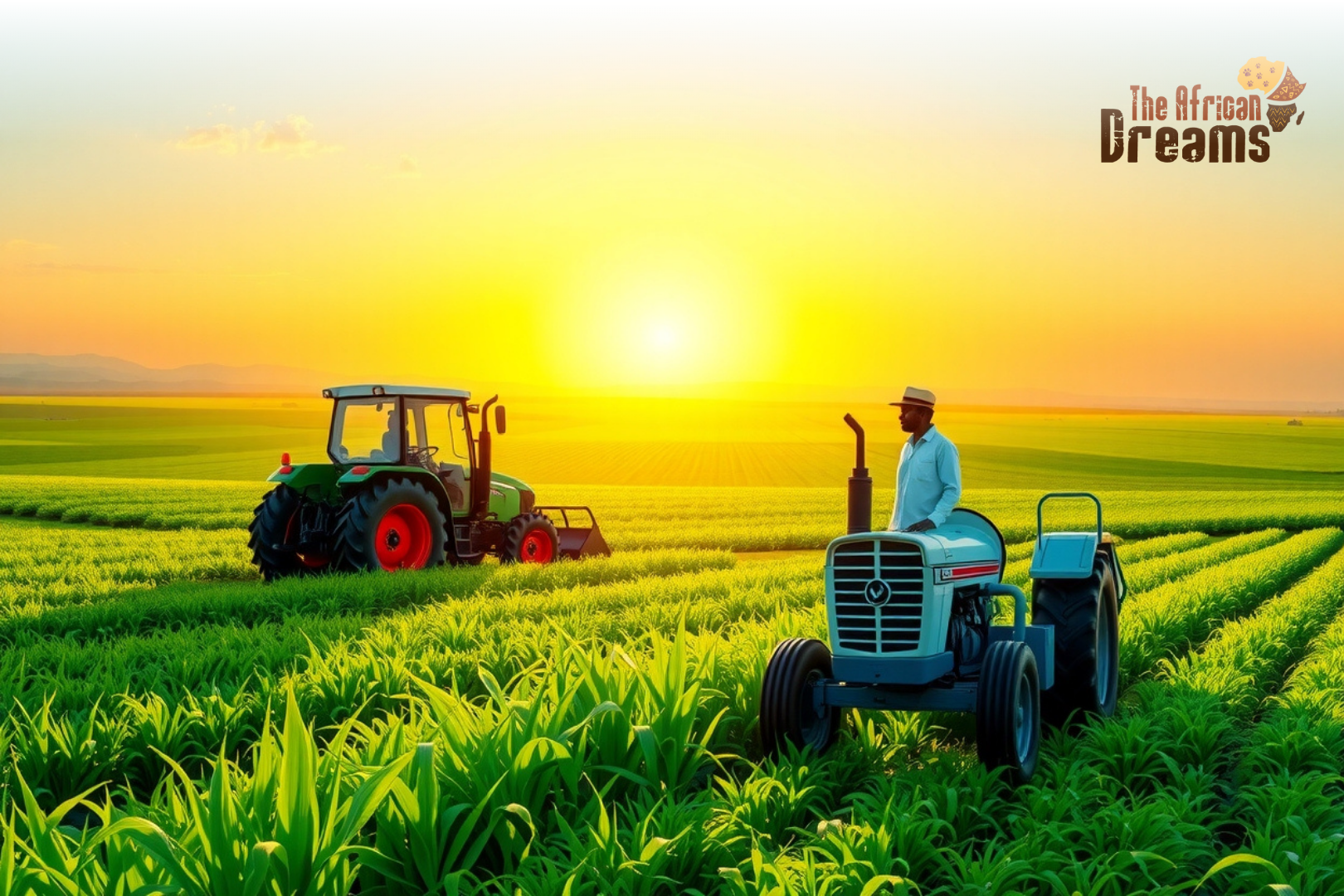
Nigeria’s vast arable land and growing demand for agricultural products present significant opportunities for aspiring farmers. With the right strategy, starting an agro-farm can be highly rewarding. This guide will walk you through the steps needed to start a successful farm in Nigeria, focusing on practical advice and proven methods.
Introduction: Why Start a Farm in Nigeria?
Farming is one of Nigeria’s primary economic activities, employing about 60% of the country’s workforce and contributing approximately 21% to GDP. Despite its extensive agricultural sector, Nigeria can still not produce enough food to meet local demand. This gap presents a lucrative opportunity for farmers to fill the market needs, particularly in high-demand crops like cassava, maize, rice, and livestock such as poultry and goats.
The Nigerian government also supports agriculture through grants, low-interest loans, and other incentives to increase food security and reduce imports. This is a great time for beginners to venture into agriculture, whether for crops, livestock, or mixed farming.
Planning and Preparation
Conduct Market Research
Market research is crucial to understand what products are in demand and which crops or livestock are profitable. For instance, tomatoes and cassava are highly sought after, with cassava being a staple food for 95% of Nigerian households. Identify gaps in supply and understand your target market to avoid saturating it.
Create a Business Plan
A comprehensive business plan outlines your goals, strategies, and financial needs. It should cover the farm’s mission, market strategy, production timelines, economic forecasts, and risk management. A solid plan also helps obtain loans or attract investors. Remember, a business plan isn’t just a document; it’s your blueprint for success.
Secure Financing
Starting a farm requires considerable capital. Funding sources include personal savings, agricultural loans from banks, and government grants. Nigeria’s Central Bank and agricultural schemes like the Anchor Borrowers’ Program offer favorable financing options. Explore these options to reduce initial financial pressure.
Acquiring Land and Setting Up
Choosing and Acquiring Farmland
Acquiring suitable farmland is critical to your farm’s success. Consider the location’s proximity to markets, infrastructure, and the suitability of soil and climate for your chosen crops. For example, cassava grows best in loamy soil, while rice requires swampy or waterlogged areas. If purchasing land isn’t viable, leasing is a flexible option.
Farm Infrastructure and Equipment
Once the land is secured, the next step is developing the farm’s infrastructure. Essentials include fencing, storage facilities, irrigation systems, and workers’ housing. Tools and machinery like tractors and plows should be chosen based on the scale of farming. Invest wisely in infrastructure to avoid disruptions in farm operations.
Legal Registration
Registering your farm with Nigeria’s Corporate Affairs Commission (CAC) is necessary for legal recognition and access to loans or grants. Joining farmer associations can also provide support, technical assistance, and valuable market information. For instance, joining a poultry association can aid in setting fair prices and gaining market access.
Choosing What to Farm
Selecting Crops or Livestock
Choosing suitable crops or livestock depends on market demand, climate, and soil quality. Cassava, maize, and tomatoes are among Nigeria’s most profitable crops. If you prefer livestock, poultry farming and goat rearing are highly lucrative. Poultry products, for instance, have consistent demand year-round due to their nutritional value and affordability.
Mixed Farming Approach
Mixed farming involves cultivating crops and raising livestock simultaneously. This method diversifies income streams and reduces risks. For example, you can grow maize while raising poultry, using the crop residues to feed the birds. This synergy minimizes waste and boosts profitability.
Farm Management and Sustainability
Labor and Workforce Management
Effective farm management includes recruiting skilled labor and providing training. Depending on the farm’s size, you may need permanent staff for daily activities and seasonal workers for planting or harvesting. Offering incentives and maintaining good working conditions can help retain skilled labor.
Adopting Best Practices
Sustainable farming practices such as crop rotation, efficient irrigation, and integrated pest management are crucial. Crop rotation helps maintain soil fertility and reduces the likelihood of pests. Record-keeping of all farm activities, expenses, and income is vital for monitoring progress and making informed decisions.
Harvesting, Marketing, and Sales
Planning the Harvest
Proper planning ensures minimal losses during harvest. Different crops have different harvesting schedules; some may take a month, while others, like cassava, may take up to a year. Timely harvesting is crucial to maintaining product quality and market value.
Marketing Strategies
Building a solid brand and identifying market channels is essential for selling farm produce. Establish direct relationships with wholesalers, supermarkets, and food processing companies. Consider collaborating with other farmers to access broader markets and increase bargaining power. Consistent product quality will help in maintaining customer loyalty.
Conclusion
Starting a farm in Nigeria requires careful planning, access to quality resources, and market understanding. Anyone can create a successful agribusiness with a robust business plan, secured financing, and sustainable farming practices. Agriculture is profitable and essential for Nigeria’s food security and economic growth. Whether you start small or large, consistency and patience are the keys to long-term success in farming.

0 Comments