
Introduction: Explore Agro Exports in Uganda
Are you looking for a sector to invest in that will ensure profitability as well as sustainability? Investing in agro exports in Uganda could be your ideal choice. With its rich agricultural history, fertile lands, and growing global demand for high-quality produce, Uganda presents a profitable and underutilized market for agro-exports.
Investing in agro exports in Uganda is highly profitable when done right. The country’s favorable climate, and hardworking agricultural workforce also make it an ideal location to capitalize on the growing global demand for organic, sustainable produce. This blog will discuss agro exports in Uganda, including an overview, growth, contributions to the Ugandan economy, government policies, and why you should invest in them.
Article Highlights
Agro exports in Uganda: Uganda’s agricultural sector is a significant contributor to the country’s GDP and export earnings.
Almost 70% of the working population is engaged in agriculture, providing the first job for three-quarters of those aged between 15 and 24 years.
78% of the Ugandan population lives in “rural” areas where farming is the predominant economic activity.
Uganda: An Agricultural Powerhouse
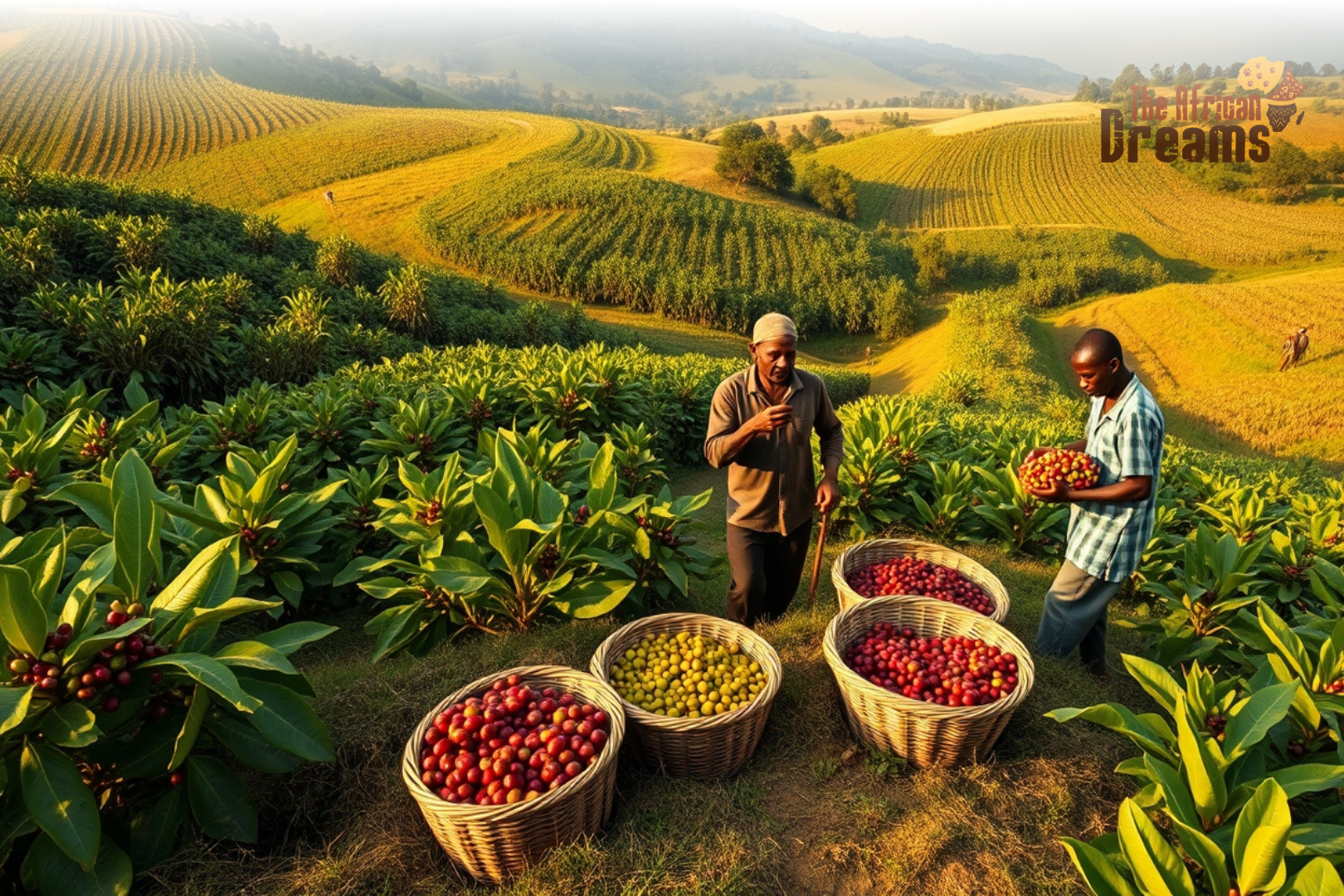
Uganda is heavily dependent on its agricultural sector. Since the late 80s and early 90s, people here have chosen agriculture as their way out of poverty. Agro products and agro-processing account for a great percentage of their GDP as well as the export sector.
The agricultural sector plays a central role in Uganda’s economy, generating some 24 percent of the Gross Domestic Product (GDP) and accounting for more than half of the country’s export earnings.
Almost 70 percent of the working population is engaged in agriculture, which also provides the first job for three-quarters of those aged between 15 and 24 years. 78% of the Ugandan population lives in “rural” areas where farming is the predominant economic activity.
There are several sectors and sub-sectors, despite being the cornerstone of Uganda’s economy, that are still not being fully utilized. Coffee, cassava, and maize are the front liners, whereas horticulture, dairy, etc., are the sub-sectors. Analyzing the market of these agro products will make it clear whether one wants to invest in Uganda or not.
Potential of Agro Exports in Uganda
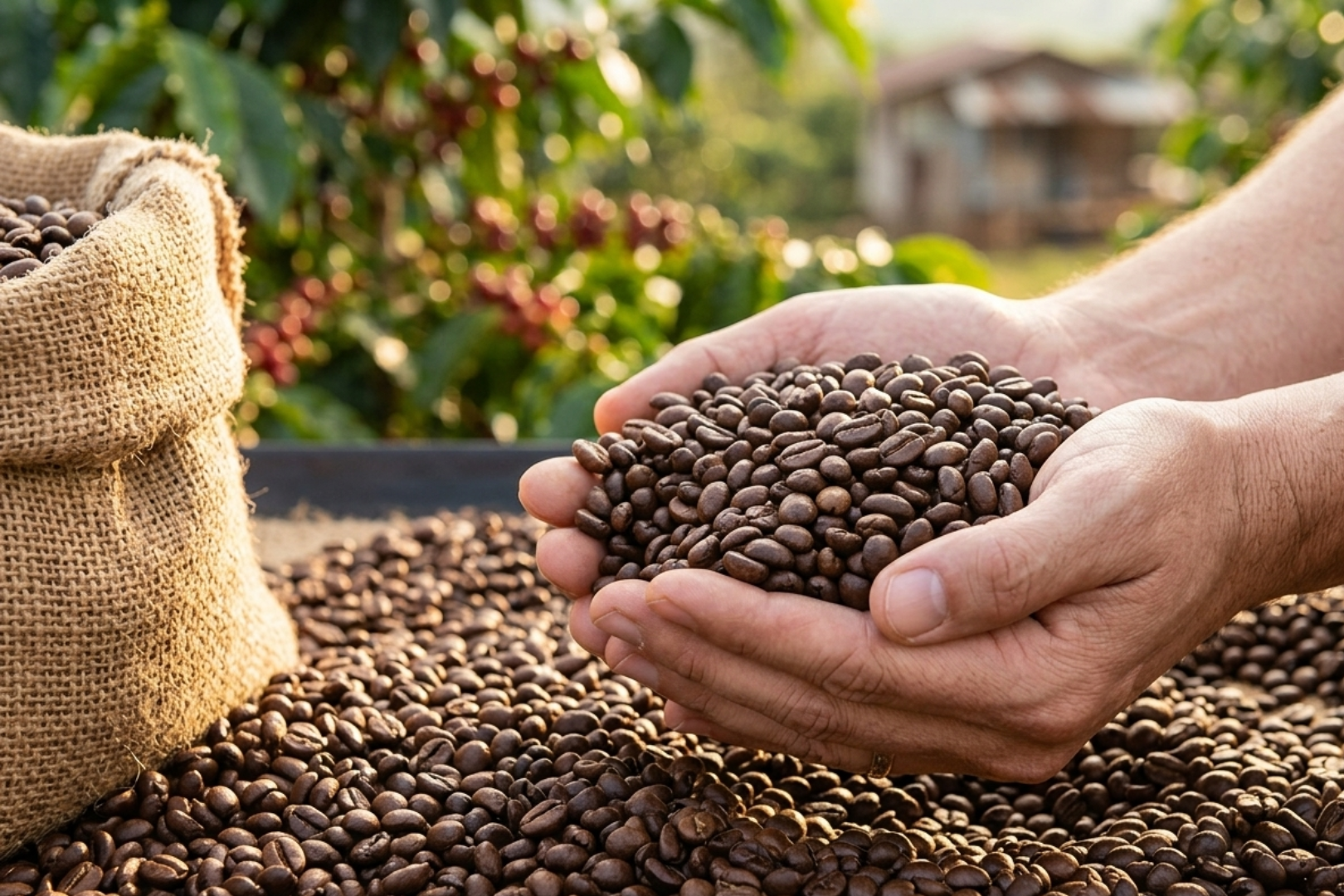
The worldwide coffee market is projected to reach $155.6 billion by 2027, growing at a 5.5% CAGR. This increase in demand is driven by the growing popularity of specialty coffee, a more health-conscious customer base, and a burgeoning middle class in emerging nations.
Uganda’s coffee output for the market year 2024/25 will increase by 1.44%, to 6.9 million bags. Uganda has a lot of fertile soil and the ideal height for Robusta and Arabica.
Robusta grows at 800 to 1,400 meters above sea level, whereas Arabica grows between 2,300 and 6,000 meters. Green coffee exports are predicted to increase marginally, from 6.52 million to 6.58 million bags.
Uganda’s main coffee export destinations are the EU, the United States, Morocco, and India. To comply with EUDR, the Ugandan government plans to register coffee farmers and establish a national traceability system.
THE USDA FAS project aims to move 100,000 healthy KR plants into farmers’ hands and support an increased future supply of high-quality planting material. Coffee exporting offers the potential for impressive profit margins, often ranging from 20% to 40% or more.
You can maximize your returns by leveraging your expertise, established supply chains, and efficient logistics, and outpace traditional investment options.
Diversifying Your Agro-Export Portfolio
This information is quite sufficient for a reasonable investor to invest in Uganda. But is it all about coffee? Absolutely not. Governments as well as international organizations are taking a great interest and investing heavily in sub-Saharan countries, where Uganda is certainly one of the most important ones.
The agro-processing sector is booming in Uganda. Food processing alone accounts for 40% of total contributions. Adding tobacco and drinks brings the total to 57%.
The manufacturing sector has increased at an average pace of about 6% over the previous five years, with food processing expanding at 8% each year. The meat and fish processing industry is growing the fastest, followed by milk, edible oils, and bread items, indicating that the country’s dietary patterns are changing.
Consumers are growing more health-conscious as time goes by. This has increased demand for organic, natural, and minimally processed agricultural goods, creating new opportunities for agro-processing enterprises to distinguish their offers and respond to changing customer preferences.
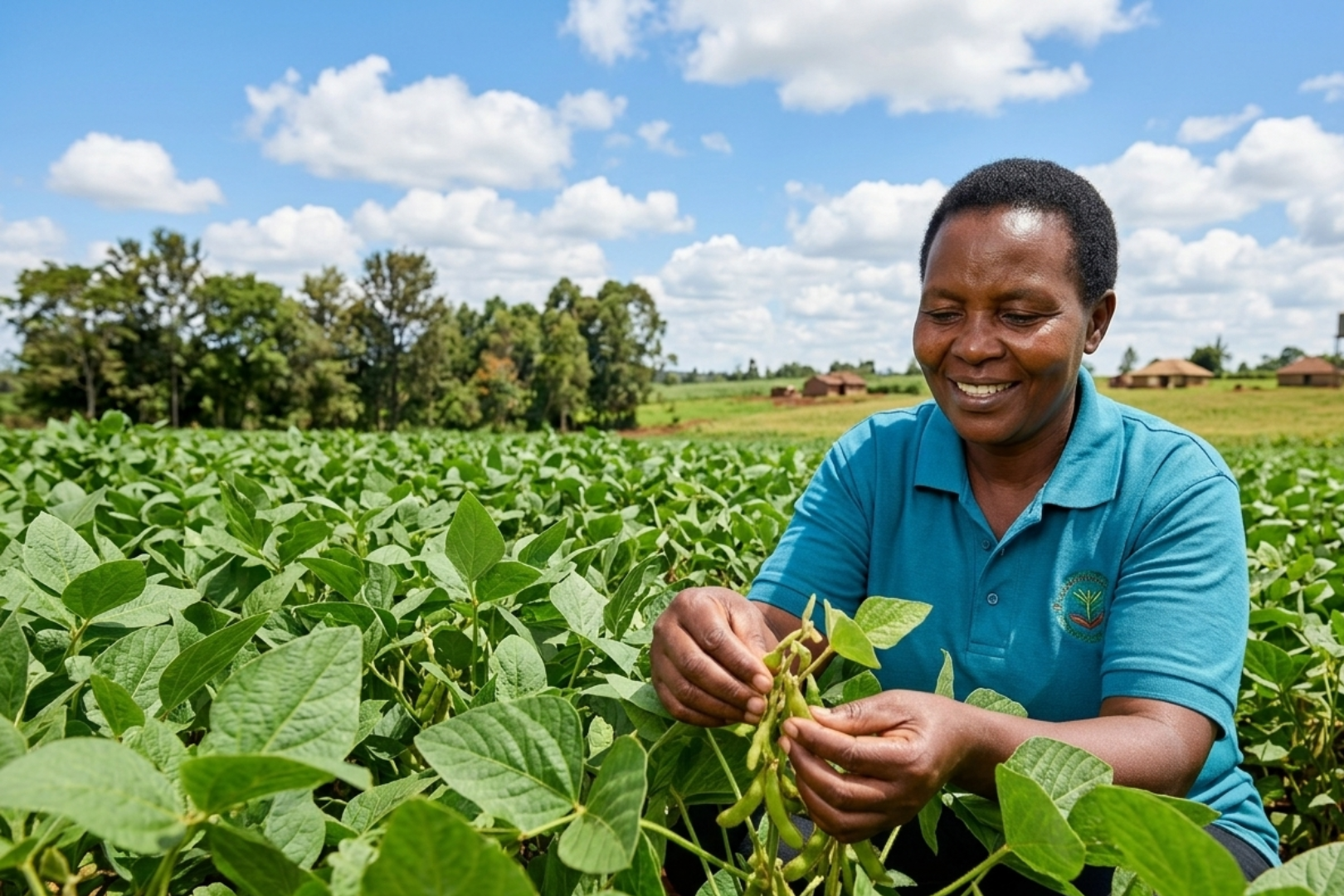
Cassava is another sector that can be pretty much lucrative if used properly. Cassava byproducts, including starch, ethanol, and sorbitol, hold significant economic value due to their diverse industrial applications and market potential. Cassava starch is a key ingredient for multinational companies such as Nestlé and Unilever, and the global cassava starch market was valued at USD 4.53 billion in 2020.
Sorbitol, a natural sweetener from cassava, is used extensively in the food and pharmaceutical industries. Cassava-based ethanol plants can enhance economic benefits, as ethanol is a crucial biofuel and industrial solvent.
Other than the small-scale production of fruits and vegetables to meet domestic demand, commercial horticulture production in Uganda is dominated by floriculture production, largely for export to the EU market. The local market for cut flowers exists, but it is still small.
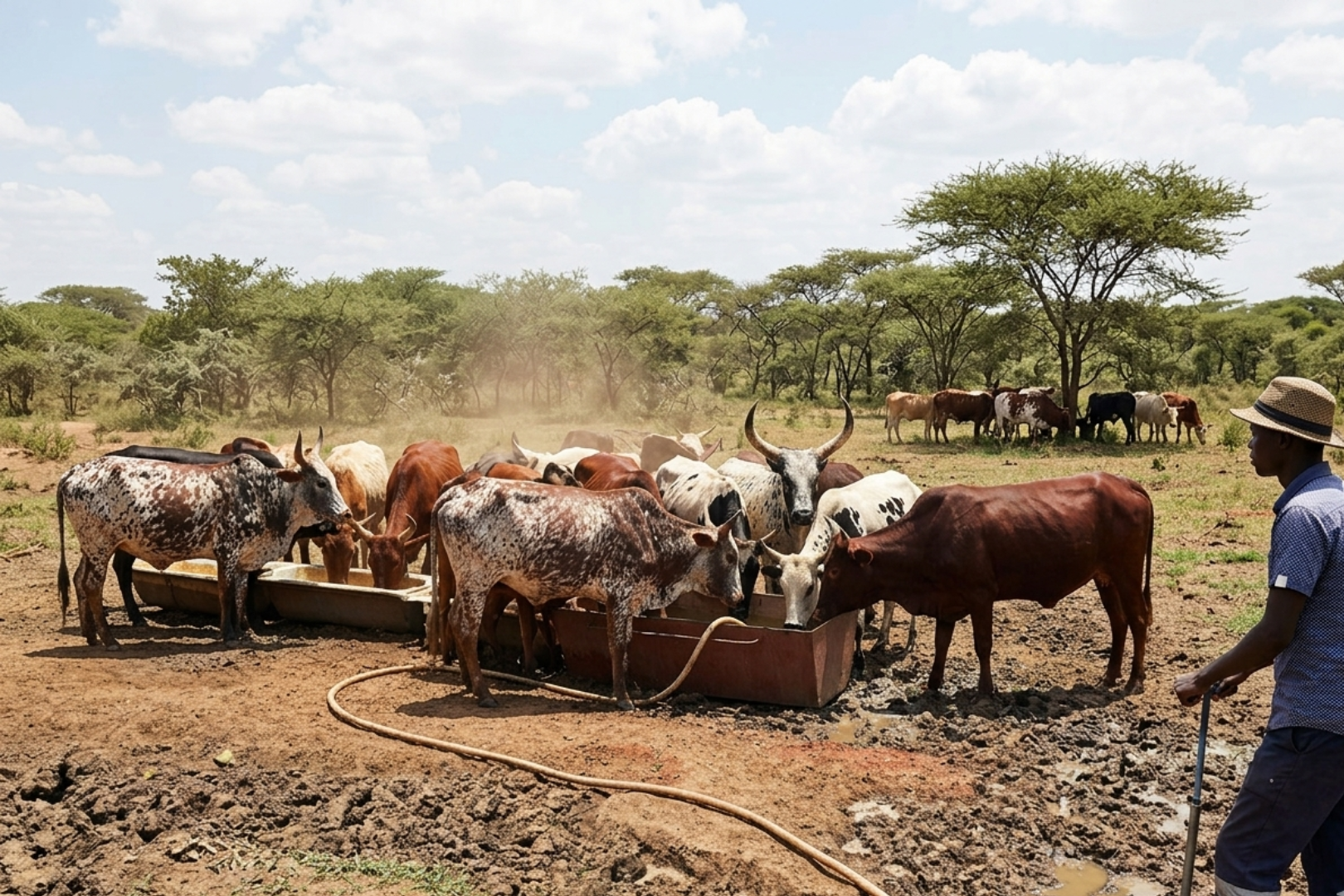
The livestock subsector of Uganda contributes 17 percent to 19 percent of the Agricultural Gross Domestic Product (AGDP) and 7-9 percent of the National GDP. Uganda still experiences a deficit of dairy products, amounting to a shortfall of between 100 and 200 million liters per annum of milk needed to meet minimum nutritional standards (MFPED, 1996).
This deficit represents an opportunity for continued expansion of market-oriented smallholder dairy production. This is attainable given the liberalization of the economy and the input and output markets needed to sustain dairy production.

Investing in Agro Exports in Uganda
A. Favorable Government Policies
The Ugandan government has created several incentives and support programs to encourage international investment in agro exports in Uganda. These include
- Tax rebates,
- Simplified export procedures and
- Infrastructure development programs.
B. Growing Demand for Organic and Sustainable Produce
Consumers globally are looking for high-quality, ethically sourced agricultural goods. Uganda’s dedication to sustainable farming techniques makes its agricultural products extremely desirable in global markets. It’s clear that early movers in this market can position themselves as leaders and reap the rewards.
Final Words
Uganda produces various agricultural goods, including coffee, tea, fruits, vegetables, and spices. With its abundant terrain, suitable climate, and hardworking agricultural communities, the country is well-positioned to become a key participant in the global agro-export industry.
While the agro exports in Uganda have shown impressive growth in recent years, there is still vast untapped potential waiting to be unlocked. With supportive government policies, local and global investment, and public-private partnerships, the sector will continue to grow.
With the right strategy and support, you can unlock a steady stream of export revenue that will take your business to new heights. Don’t let doubts hold you back – seize this opportunity to maximize your profits through agro exports in Uganda.
To learn more about the agricultural opportunities in Uganda and why it is considered a land of potential, you can read Uganda’s Agriculture & its Opportunities.






0 Comments