
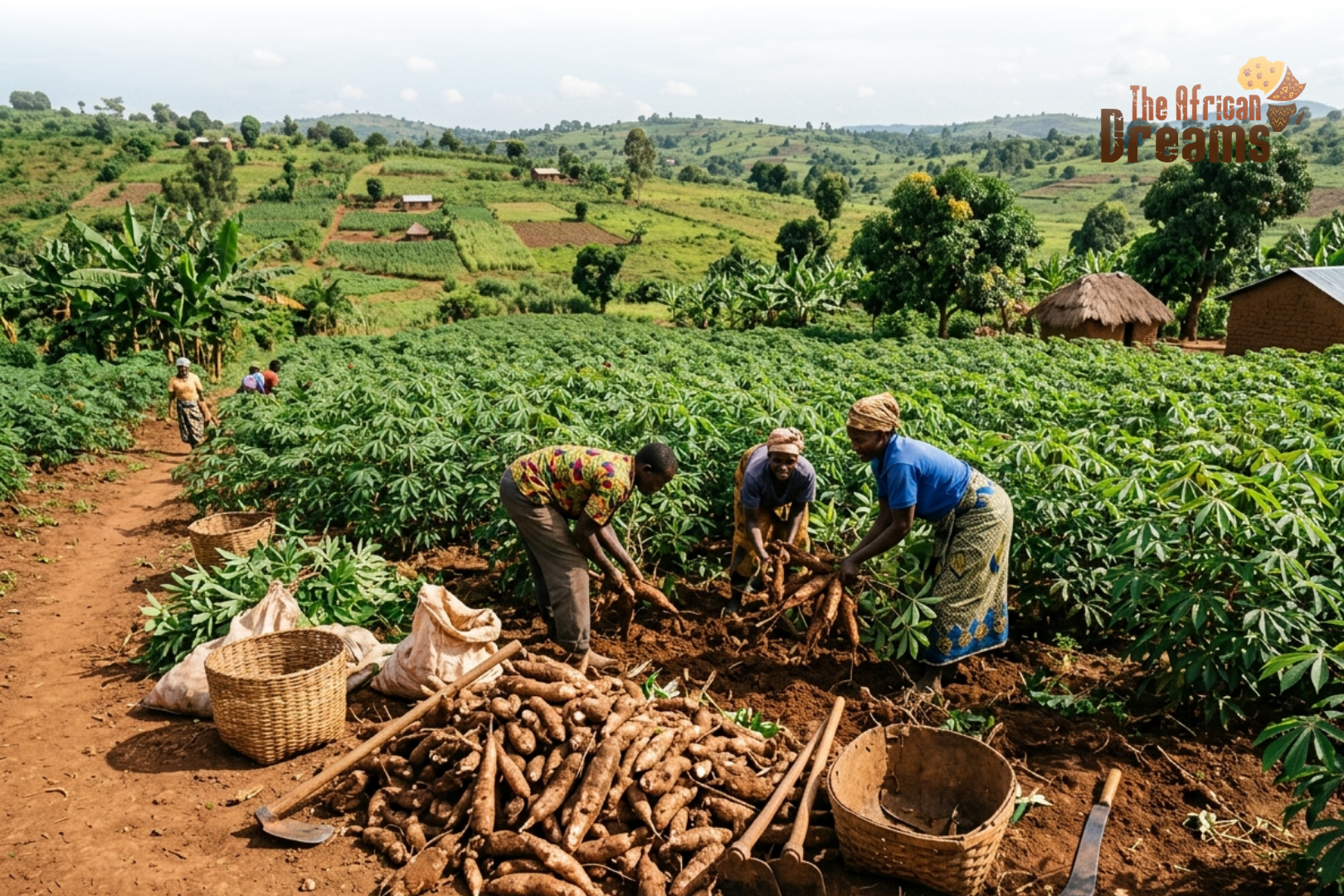
Introduction: Trendy Cassava Farming in Uganda
Did you know that the chewy pearls in the trendy bubble tea are made from tapioca, which is derived from Cassava roots? Thanks to pop culture, we enjoy this trendy beverage; little do we know that cassava is not just a dessert ingredient but a fundamental and beneficial sector of agriculture. Cassava farming in Uganda is also a potential goldmine for investors.
It presents a lucrative opportunity for those willing to invest. Deep dive into this article to discover why this versatile crop is key to profitable agricultural ventures in East Africa.
Article Highlights
Cassava is a major staple food in Uganda and a source of household income for millions in sub-Saharan Africa.
74% of farmers in Uganda produce Cassava, with the country producing 5 million metric tons per year.
NARO is involved in cassava farming in Uganda, especially breeding whitefly-resistant variants for better cooking and flour quality.
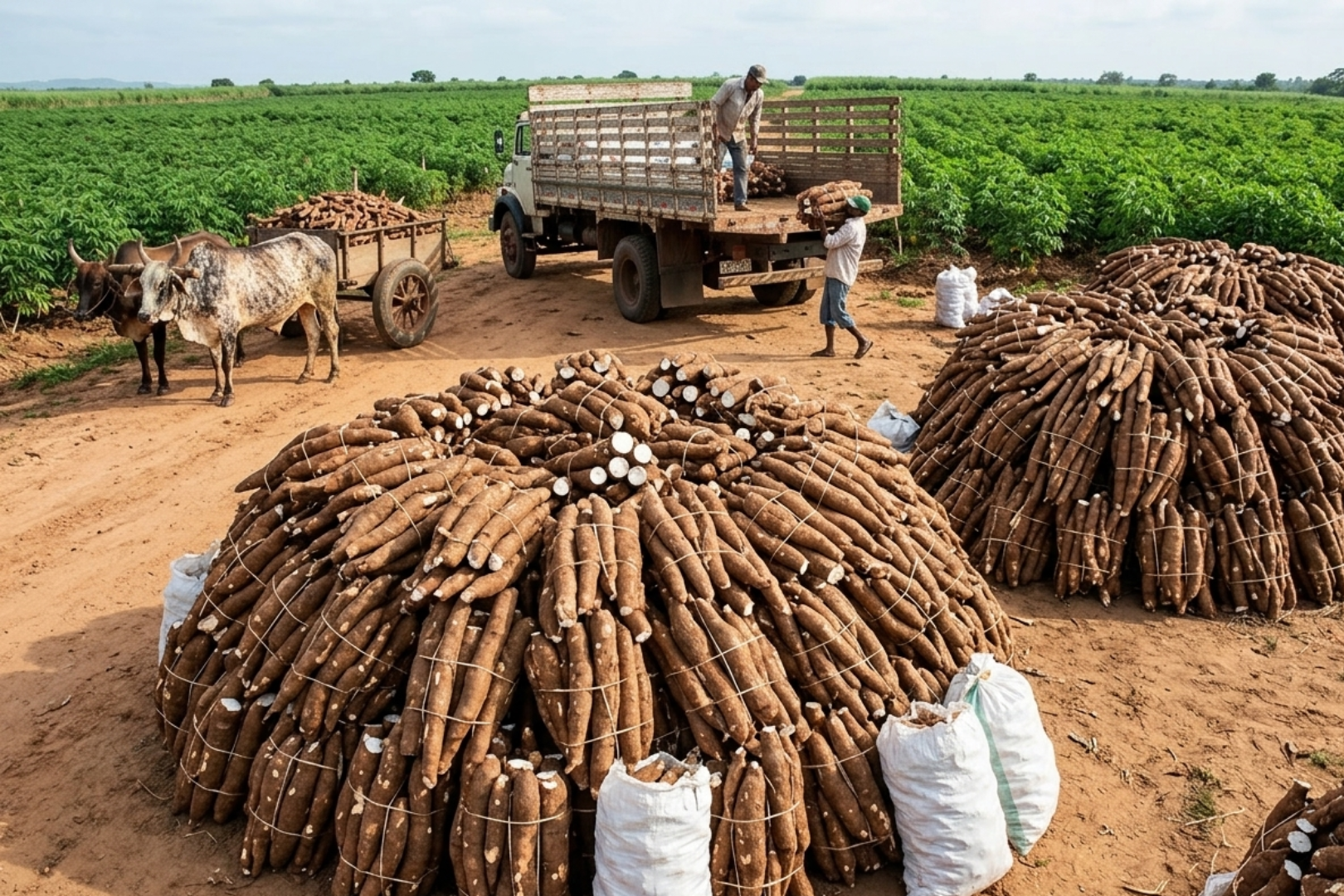
Overview of Cassava Farming in Uganda
Cassava is recognized as the main crop for aiding the poor, increasing food and nutrition security, animal feed manufacturing, and biofuel ethanol industries, as well as alcohol. Cassava also has a huge potential to reduce the import bill on wheat, modified starch, liquid glucose, and other products.
Cassava is the major staple food in Uganda after bananas and is a source of household income specialty in small household farmers across millions of people in sub-Saharan Africa. According to UBC television, 74% of farmers in Uganda produce cassava, and the country produces 5 million metric tons per year.
Processing Cassava in Uganda
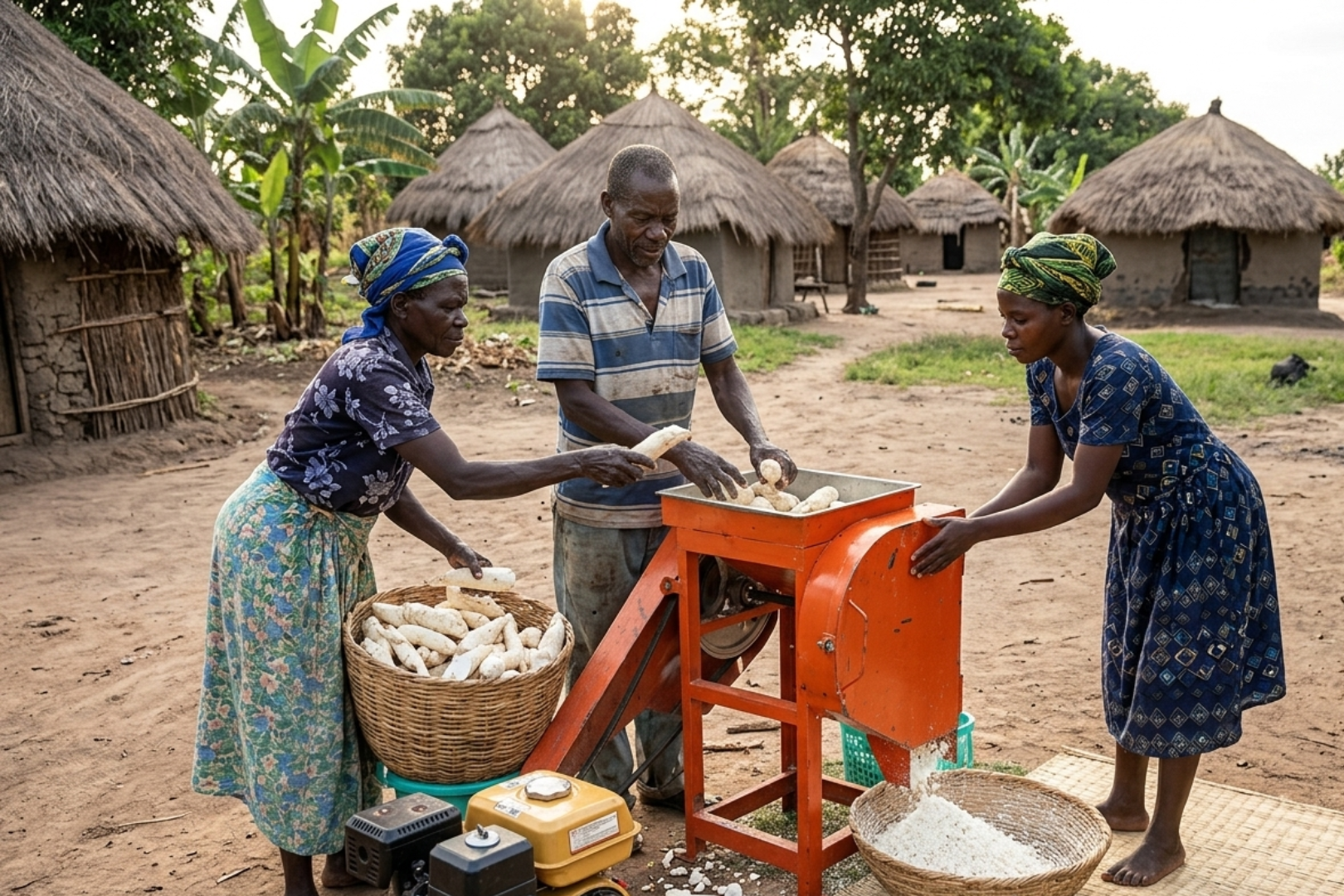
Processing cassava into value-added products could significantly increase profit margins. Selling cassava in the form of “heaps” on the street resulted in prices 50% higher than the farm gate price.
Processing cassava into value-added products such as chips increased producers’ gross margins by at least 40% compared to selling fresh tubers. Efforts are also underway to develop provitamin A-enriched yellow-root cassava varieties to combat vitamin A deficiency.
Both men and women farmers have shown interest in yellow-root cassava farming in Uganda, primarily valuing traits like early maturity and high yield. However, there is a need for nutritional education to promote the benefits of these improved varieties.
Cassava Farming in Uganda and its Economy
The byproducts of cassava are rather lubricant in nature. Starch, ethanol, and sorbitol hold significant economic importance due to their diverse industrial applications and lucrative market potential.
Cassava starch is a key ingredient for multinational companies like Nestlé, Unilever, and various breweries, driving a high demand for this versatile product. The global cassava starch market was valued at USD 4.53 billion in 2020 and is expected to reach USD 5.80 billion by 2027, growing at a CAGR of 3.6%.
Additionally, sorbitol, a natural sweetener derived from cassava, is used extensively in the food and pharmaceutical industries, contributing to the increasing value of cassava byproducts.
Establishing cassava-based ethanol plants further enhances economic benefits, as ethanol is a crucial biofuel and industrial solvent. Processing plants that reduce wastage by converting cassava into these valuable byproducts can significantly boost profitability. By tapping into these markets, investors can capitalize on the high demand and diverse applications of cassava farming in Uganda, including cassava byproducts, ensuring substantial returns on investment.
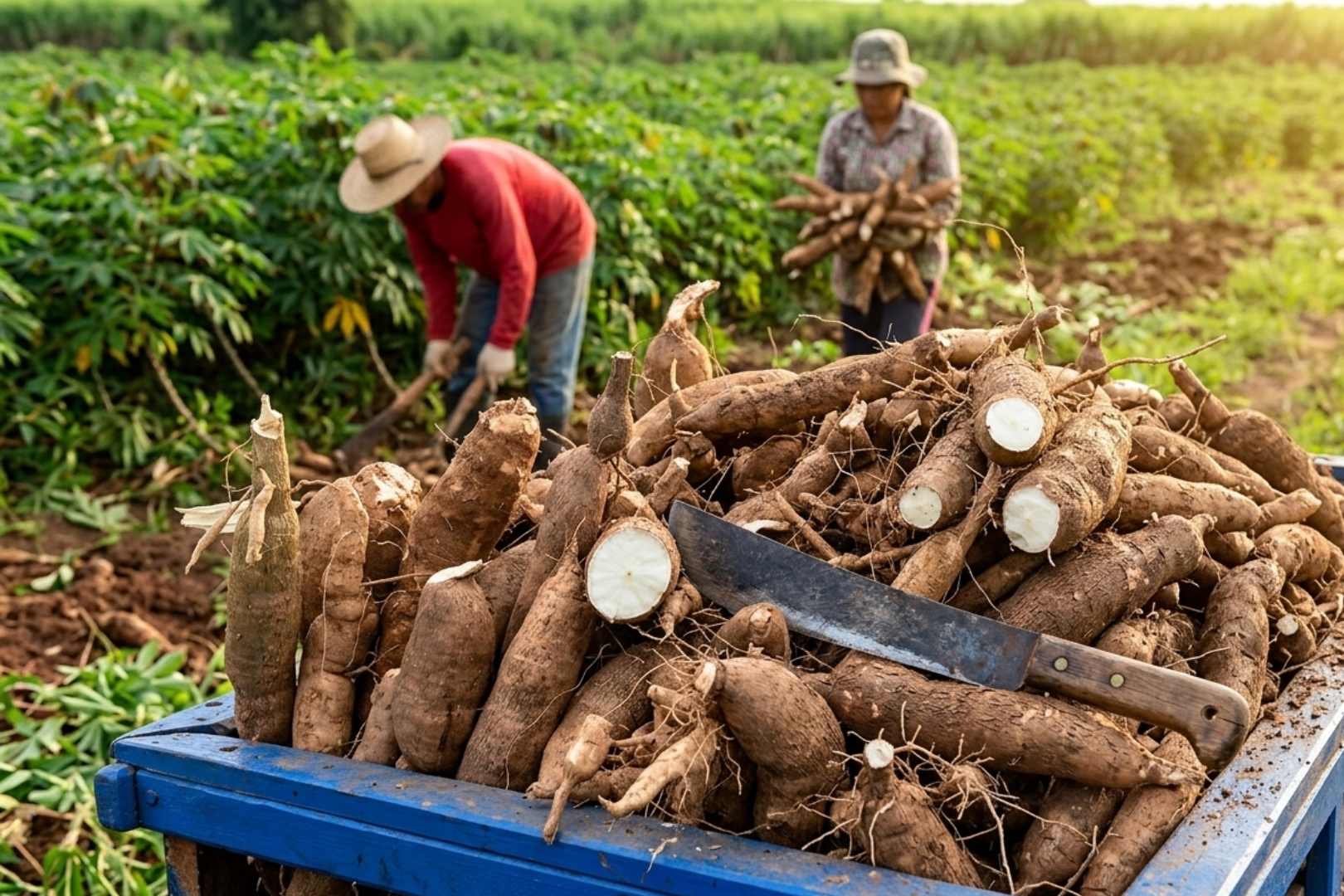
Understanding Cassava Farming in Uganda
Understanding the nature, production, and post-production of cassava is crucial before investing in it. The National Agricultural Advisory Services (NAADS) issued guidelines on cassava farming that will be helpful to future investors.
Cassava Ecological Requirements and Storage
- Cassava thrives at all altitudes but is best at low and medium altitudes (800-1500 a.s.l).
- Rainfall distribution is crucial at 1000-1500 mm.
- Soil pH should be 5.5-6.5.
- The optimal temperature range is 25-32 degrees centigrade.
- Investors should conduct price and market surveys on cassava-related products.
- Proper planting techniques in swampy regions optimize growth conditions.
- Fresh cassava roots should be peeled, washed, sliced, and refrigerated at 4°C.
- Dry cassava chips should be stored in moisture-proof bags, kept clean and dump-proof, and vermin-free.
According to Felistue Acan, an agribusiness advisor at Catalyst Uganda, cassava is profitable given Uganda’s socio-economic and geographic advantages. However, post-harvest techniques, poor storage facilities, and failure in post-service handling are affecting the farmers. Also, pests and diseases are of great concern.
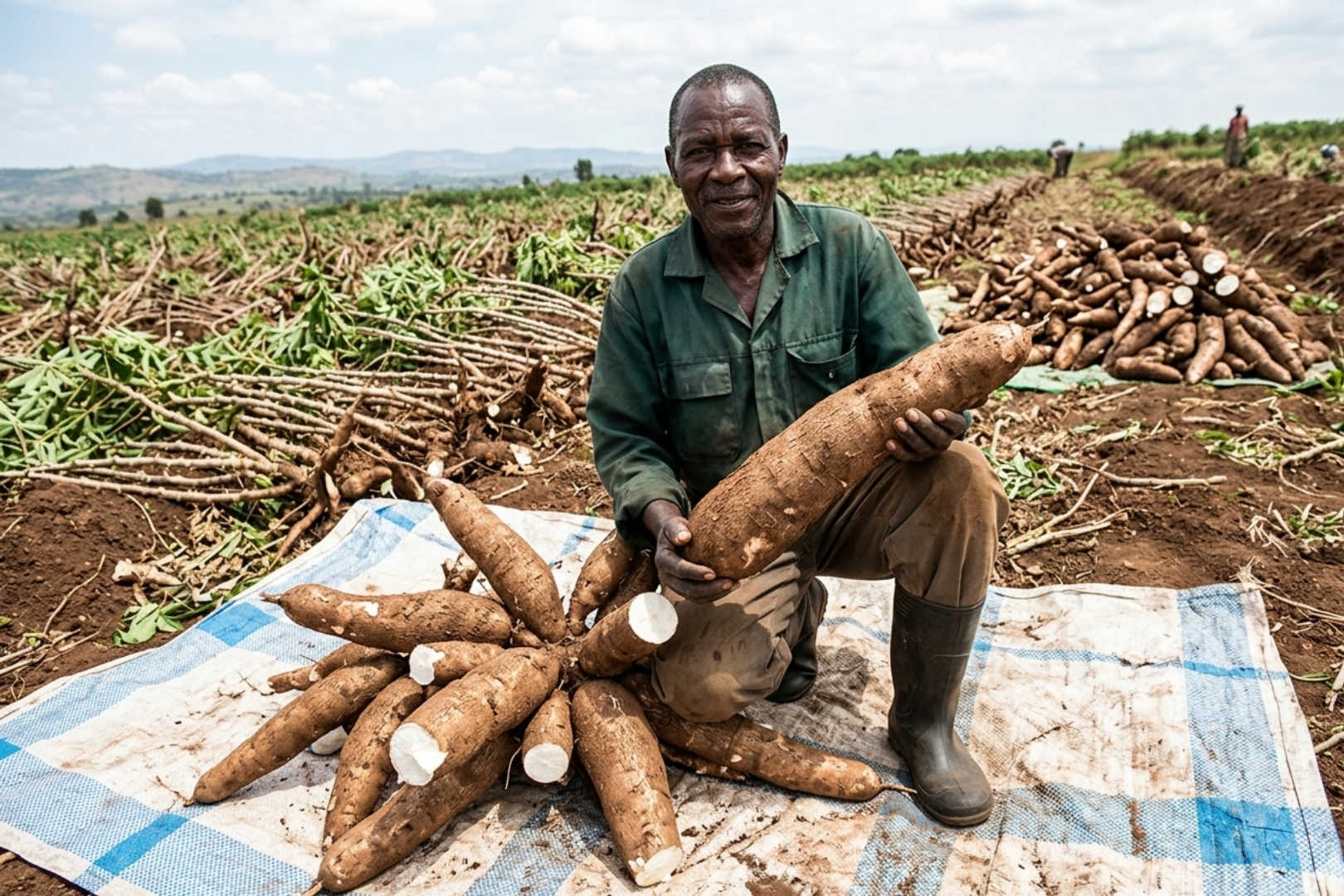
Challenges in Cassava Farming in Uganda
Cassava farming in Uganda is severely impacted by
- Pests and diseases, affecting farmers’ income and food security.
- Whitefly, brown streak disease, and cassava mosaic disease cause significant yield loss.
The National Agricultural Research Organization (NARO) has developed genetically modified cassava that shows resistance to these diseases. Dr. Titul Alicai plans to distribute 29 resistant varieties to farmers, saving them $100 million annually.
These varieties are farmers’ choices today because of their ability to resist drought and disease, unlike the old cassava varieties.
|
Variety |
Maturity period |
Yield |
Tolerance to Cassava Brown Streak Disease (CBSD) |
Resistant to Drought |
|
NASE 14 |
12-18 months |
25-30 T/ha |
Tolerant |
Resistant |
|
NASE 19 |
12-18 months |
25-30 T/ha |
Tolerant |
Resistant |
|
NARO CASS 1 |
12-18 months |
25-30 T/ha |
Tolerant |
Resistant |
|
NARO CASS 2 |
12-18 months |
25-30 T/ha |
Tolerant |
Resistant |
Cassava farmers in Uganda are using genetically modified varieties to improve crop quality and reduce pesticide costs. NARO is breeding whitefly-resistant variants, aiming to cross them with local varieties to improve cooking and flour quality.
The African Agricultural Technology Foundation (AATF) is providing a framework for African countries to access global technologies and address disease-related issues.
Case Study: Patrick Alengo & Augustine Akuttu
Patrick Alengo from the Alebtong district is a successful farmer in his community. After observing the environment, he decided to grow cassava. He said that, drawing on knowledge gained at the International Fertilizer Development Centre, he expanded his Cassava field to 180 acres and earns roughly 500 million shillings annually. He employed 8 people and is respected as a model farmer in his community.
Augustine Akuttu, a farmer in Amuria District, has transformed his family’s living standards by owning over 400 acres of cassava and processing high-quality cassava flour. He was awarded the best Cassava Seed Entrepreneur for 2013-2017 in Uganda. He serves as chairperson for Teso Cassava Growers’ Cooperative Union, aiming to improve the lives of middle-income individuals by 2025.
Why Should You Invest in Cassava Farming in Uganda
Uganda has significant potential in cassava cultivation due to its ideal climatic conditions, increasing market demand, and supportive government policies. The country produces over 3 million metric tons of cassava annually, a significant increase over time. Cassava and its products, including flour, starch, and animal feed, are in high demand due to population growth and changing dietary habits. The government has been working on developing agriculture through subsidies, infrastructure development, and market access.
Cassava is a stable crop due to its climate change resilience and adaptability to different soil types. Studies show that farmers could recover their investment by up to 200%, making cassava a financially viable venture in Uganda. Therefore, cassava farming in Uganda is indeed a profitable choice for local and global investors and businesspeople.
Final Words
Cassava farming in Uganda proves highly profitable and sustainable as an agricultural venture. Cassava is one of the staple crops in securing food in the country. The supportive programs and policies of the Ugandan government have thereby laid a very strong base for cassava cultivation. Being a crop that thrives well in all kinds of soils and climate change-resilient, cassava cultivation offers a stable and reliable farming alternative.
With returns of as high as 200%, cassava farming in Uganda is highly financially viable, since input costs are low relative to market demand. Therefore, cassava farming generally qualifies as one of the most lucrative opportunities for farmers and investors alike as Uganda continues to grow its agricultural sector. This is also a great opportunity for both economic growth and food security.To learn more about the agricultural opportunities in Uganda and why it is considered a land of potential, you can read Uganda’s Agriculture & its Opportunities.





0 Comments