
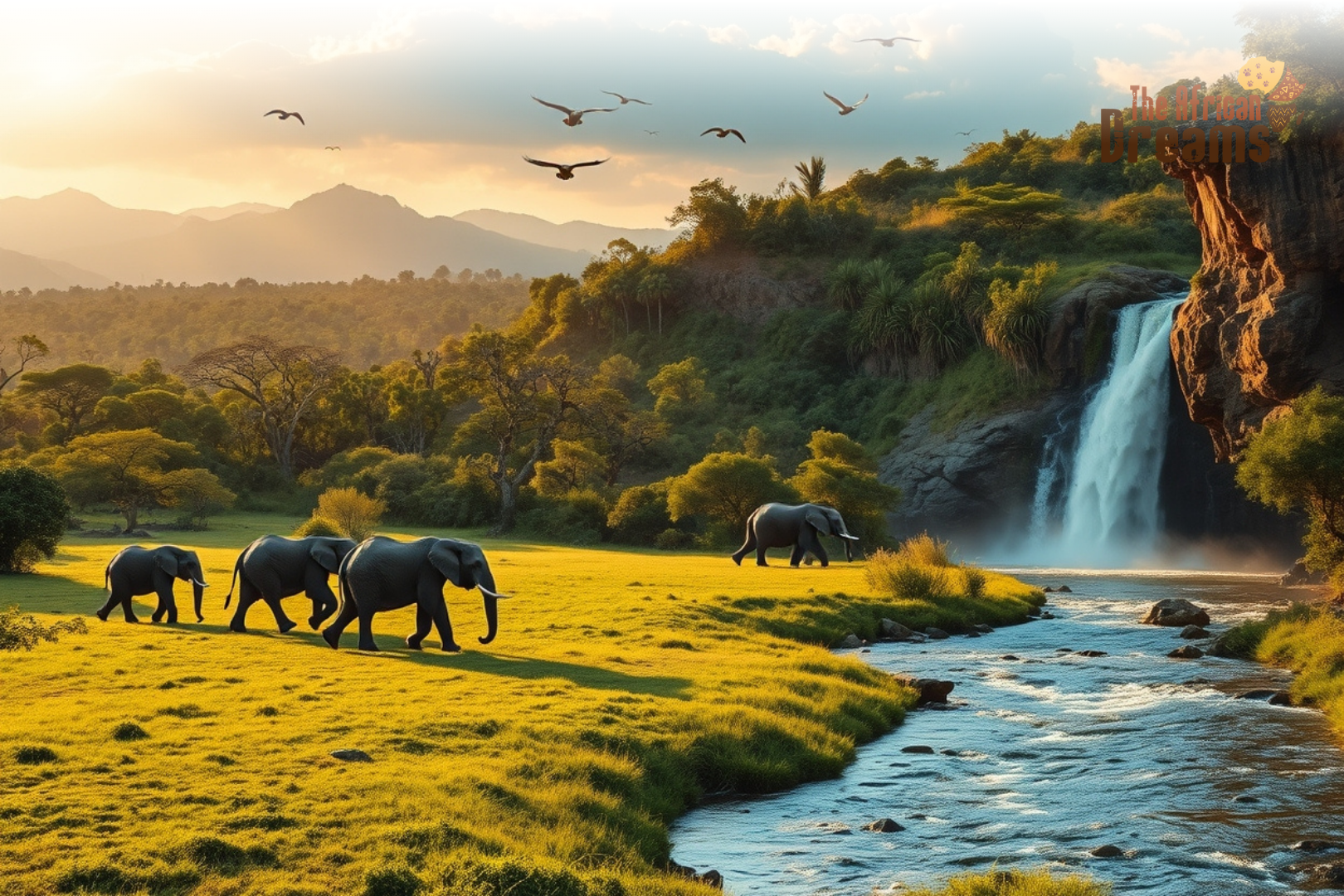
Introduction: Discover the National Parks of Uganda
Uganda is a country with breathtaking natural beauty. The country has the world’s longest river, the largest lake in Africa, and owns the tallest mountain range. From the famous mountain gorillas to the tree-climbing lions, the country has tropical rainforests, and even if that doesn’t amaze you, it has Murchison Falls. The ten national parks of Uganda are also a determinant of the country’s vast natural beauty and resources.
The national parks serve as the country’s face to other countries in upholding its diverse wildlife, ecosystem, and culture. These parks symbolize its diverse beauty, topography, and tourism. In this article, we’ll rank the top national parks of Uganda for your next visit and discuss the country’s dynamic and promising sector.
Article Highlights
Uganda’s vast natural beauty lies within its national parks and also serves as a conservation of wildlife and resources.
The 10 national parks of Uganda, including their diverse ecosystems, make the country one of the top tourist destinations in Africa.
In 2012, Lonely Planet ranked the country #1 on its “Best in Travel” list.
Lake Mburo National Park
Located in Nyabushozi County, Kiruhura District. Like many other national parks of Uganda, Lake Mburo National Park is rich in wildlife and scenic views, making it a must-visit in Uganda.
It houses over 300 bird species and a vast collection of animals, including impala, zebra, warthog, hippopotamus, etc. Predators such as lions, leopards, hyenas, and jackals also exist.
Named after Lake Mburo, the park has five lakes in its 260 square kilometers area. Popular activities include horseback riding, safari, boat trips, and trekking through the forests and savannah.
Semuliki National Park
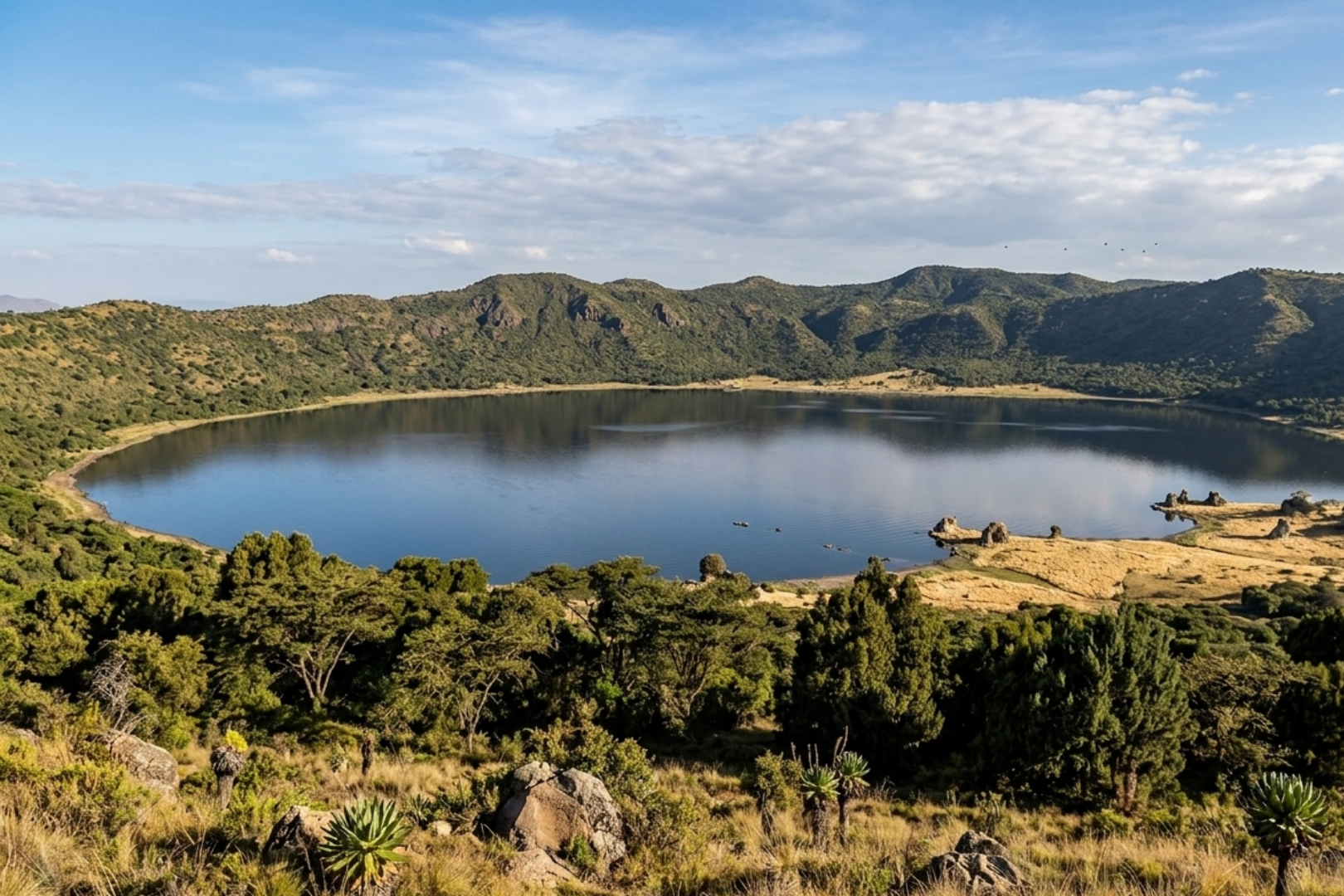
Semuliki National Park was established in October 1993 and has the only tropical lowland rainforest in East Africa. With about 219 square kilometers of area, the park is located in the Bundibugyo District in the Western Region of Uganda.
Semuliki National Park has one of the richest wildlife biodiversity among the national parks of Uganda, with birds and butterflies as the key attractions.
One of the most intensifying features of the park is that the river Semuliki runs through it, giving it an aura when the sun glints off the river. It is home to four ethnic groups- Bwamba, Batwa, Batuku, and the Bakonjo. With 441 bird species and 53 types of mammals.
It’s also a savanna grassland, and it offers Sempaya Hot Springs for visitors to have a taste of Central Africa without visiting it.
Kibale National Park
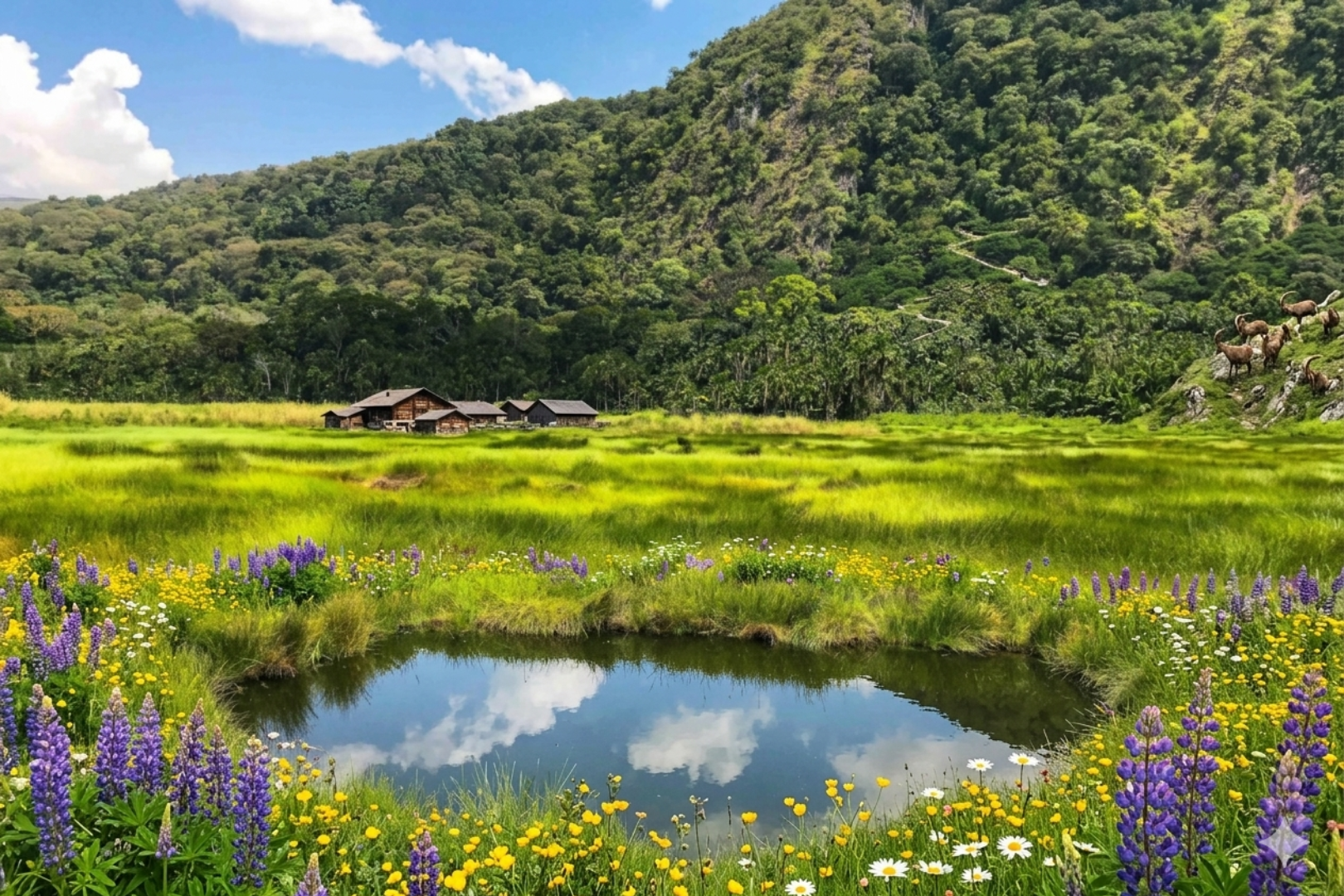
In the western part of Uganda, Kibale National Park covers 766 square kilometers. The diversity in its ecosystem is mostly centered on evergreen forests, and with a decent array of landscapes. The local inhabitants are two major tribes- the Batooro and Bakiga, who share the park with 13 species of primates. Moreover, it has 325 species of birds and 229 species of trees, boasting unique diversity.
Not only does the park contain a majestic vibe, but its fertile lands offer good production of Robusta coffee. The park has an exclusive safari activity: chimpanzee trekking.
One of the last survivors of lowland and montane forests, Kibale National Park is worth paying a visit while roaming in Uganda. So, next time if you plan to visit the national parks of Uganda, make sure to visit this park as well.
Mgahinga Gorilla National Park
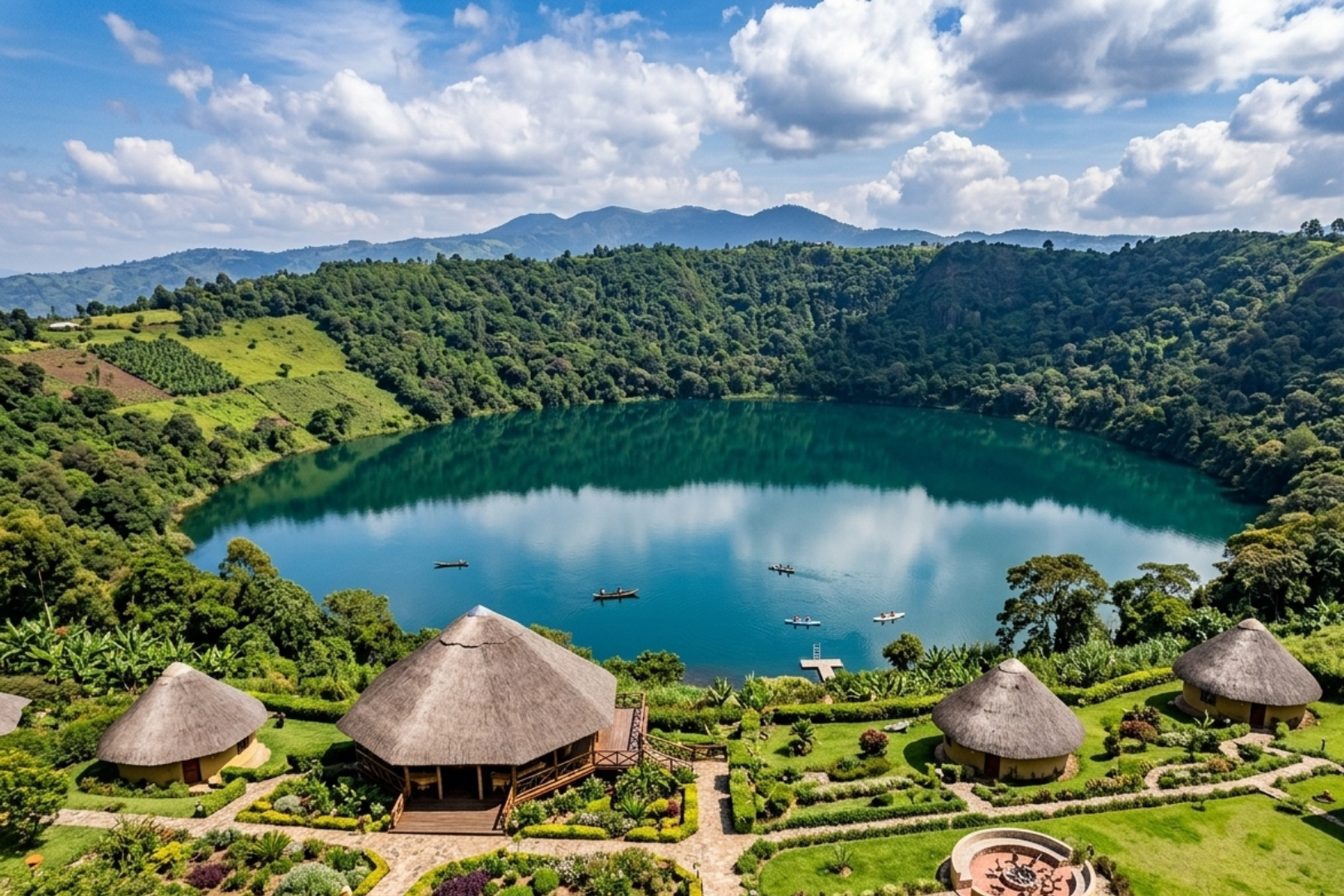
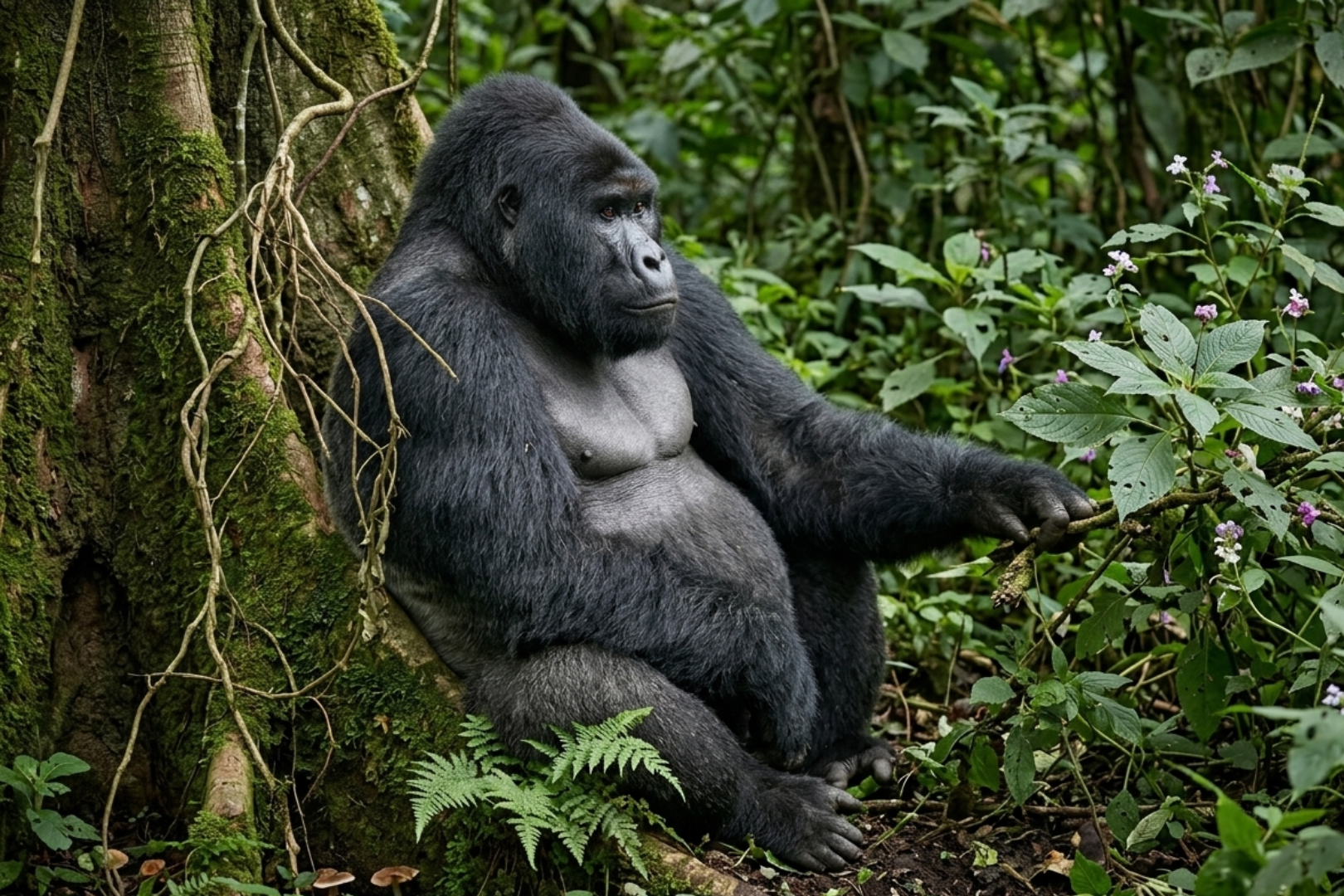
With an area of 33.9 square kilometers, Mgahinga Gorilla National Park is the smallest national park in Uganda. It is located in southwestern Uganda. As the name suggests, the park features mountain gorilla as its primary attraction, while it also offers about 180 bird species and 76 mammal species, including leopard, giant forest hog, black-and-white colobus, African bush elephant, etc.
Within its small area, the park also contains three volcanoes of the Virunga Mountains. The greenery gets its appeal from bamboo trees. Though the park receives the least amount of tourists, the visitor could enjoy the culture of the Batwa pygmies, gorilla trekking, and birding.
Kidepo Valley National Park
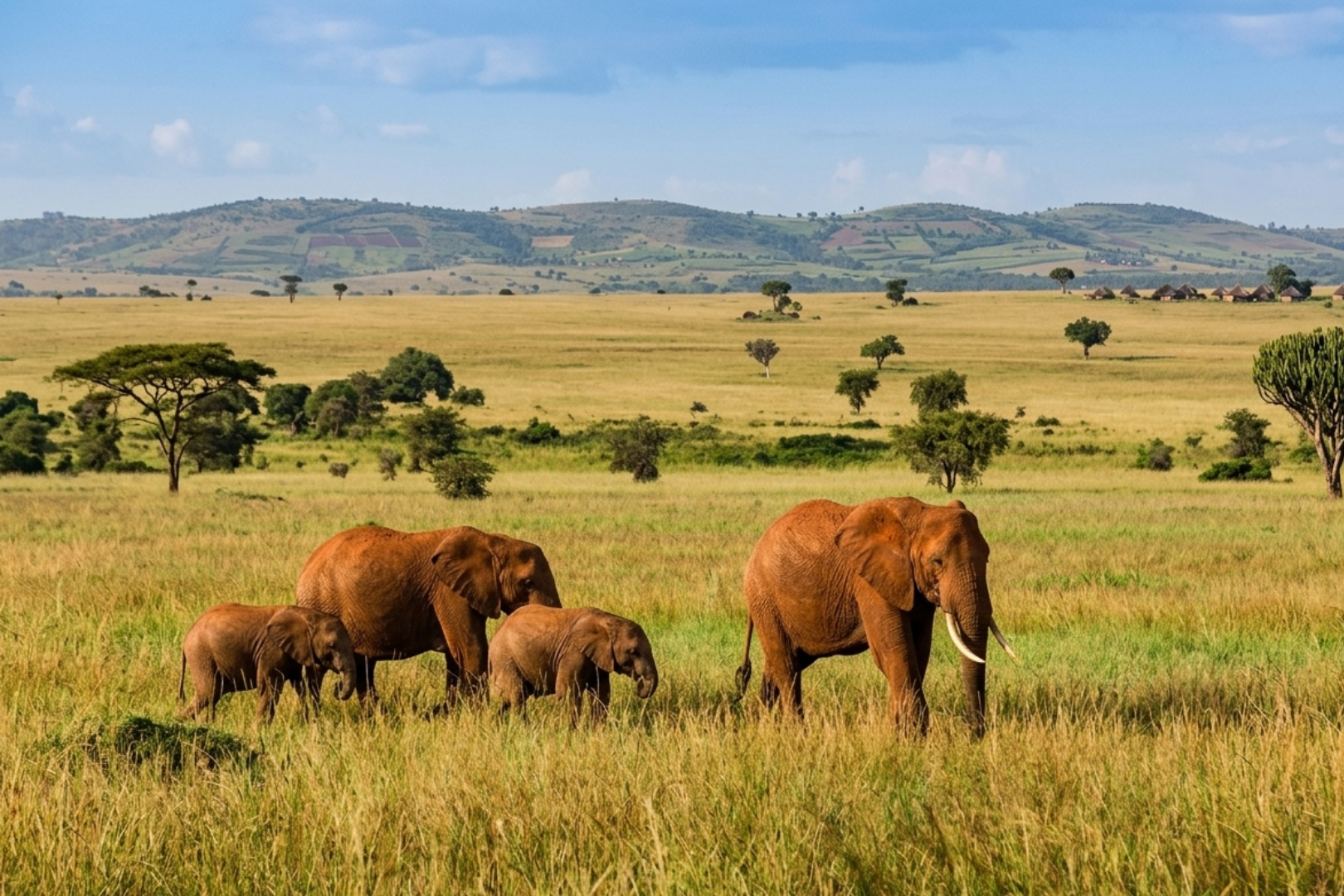
Kidepo Valley National Park is located in the Northern region of Uganda. The park is covered with tree savannah and clayey soil. Dotted with palm trees, it has abundant wildlife.
The south side is dominated by Mount Morungole. The mountain is also home to an indigenous community named the IK. It is also the source of two rivers, Kidepo and Narus.
Kidepo Valley National Park has a vast area of 1,442 square kilometers and shares a border with South Sudan. About 475 species of birds and 77 mammals inhabit the park, adding intensity to its majestic wilderness.
Like many other national parks of Uganda, it’s a place not only to visit to enjoy a wildlife safari but also to experience the panoramic beauty of Mount Morungole.
Mount Elgon National Park
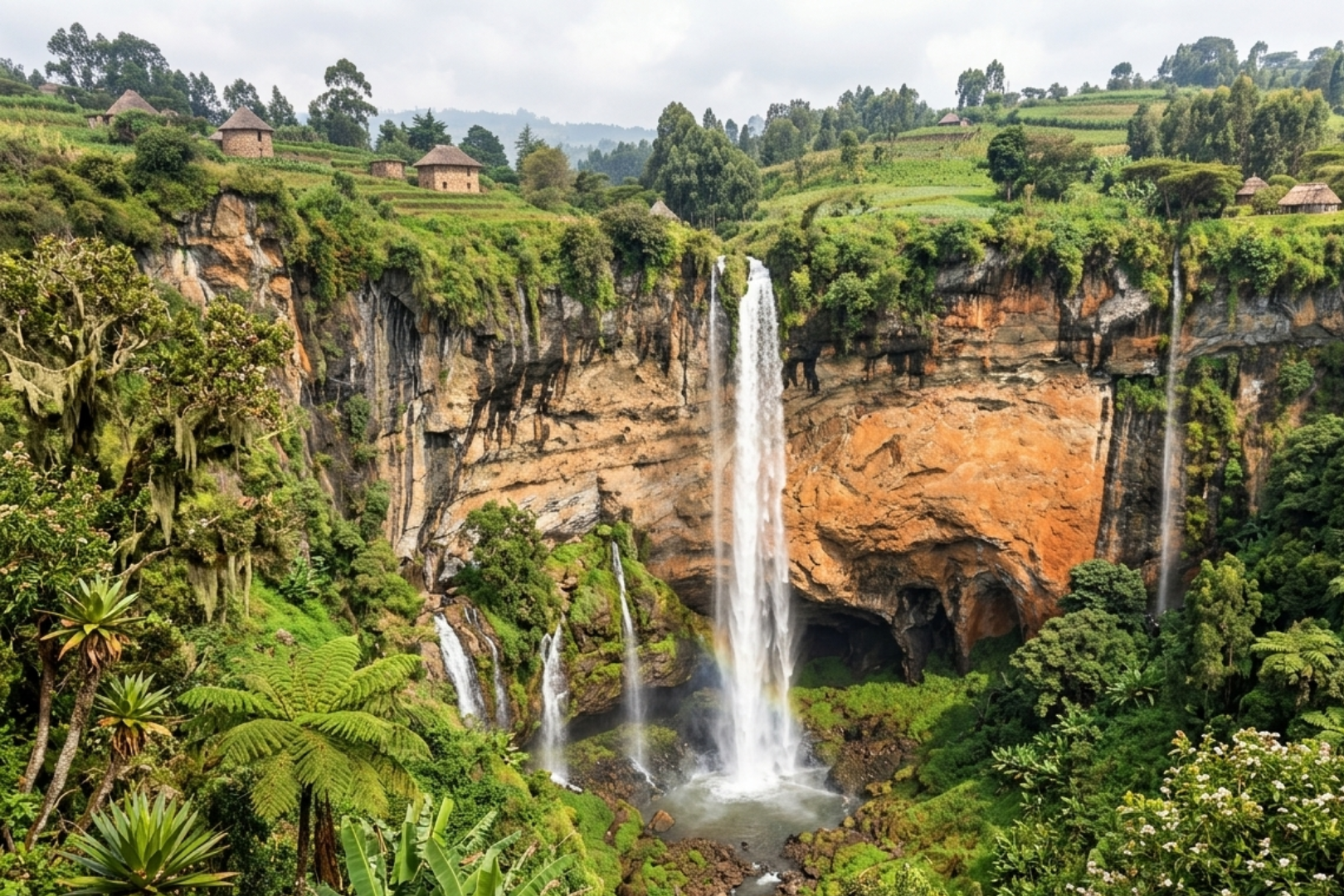
Imagine traveling 140 kilometers northeast of Lake Victoria. You’ll be at the gate of Mount Elgon National Park, proudly waiting to welcome you with open arms. Both Uganda and Kenya share the 1,279 square kilometers of park, though the latter has authority over a marginal part of it.
The park is named after Mount Elgon, which is also the source of the Nzoia River. About 144 bird species, including Jackson’s spurfowl, the eastern bronze-naped pigeon, Hartlaub’s turaco, and the Tacazze sunbird, are the inhabitants. As you descend Mount Elgon, a variety of mammals like antelopes, colubuses, and monkeys will be spotted.
Murchison Falls National Park
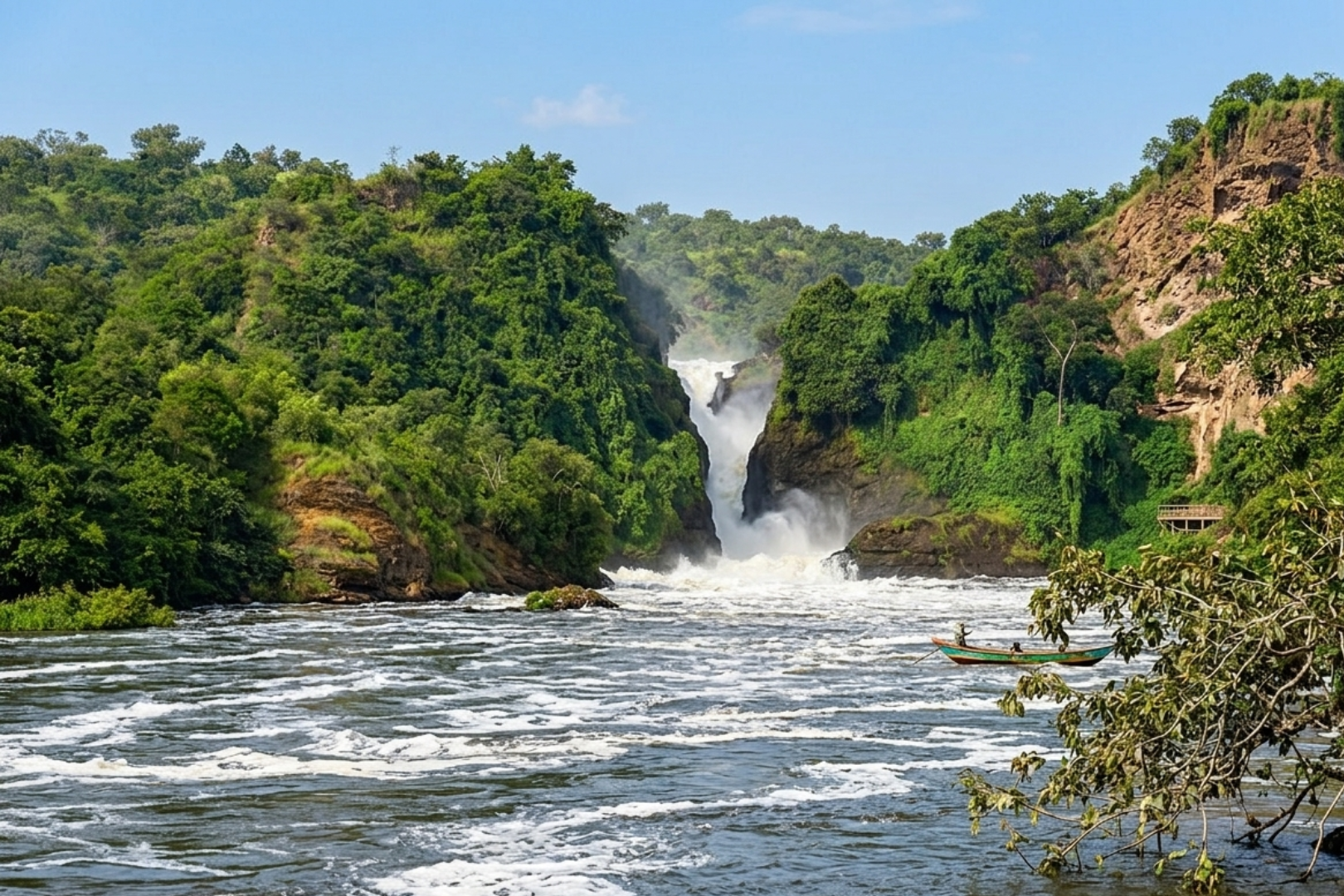
Have you ever witnessed the dazzling view of a waterfall spraying water of about 300 cubic meters per second? You can have a breathtaking experience in one of the national parks of Uganda, Murchison Falls National Park. It is Uganda’s largest national park.
With an area of 3,893 square kilometers, the park houses 76 species of mammals, including a Nile crocodile reserve, the largest in Uganda. Besides, the park also offers 450 recorded bird species, among which the prehistoric Shoebill sits on top of the attention drivers.
The park can add a long checklist to your notebook. The northern part is covered with savanna and Borassus palms, while woodland and forest patches are in the south. A stretch of the Nile, the Victoria Nile, bisected the park to create the dramatic roar of Murchison Falls.
Apart from the Murchison Falls, the park offers several activities, including launch trips, game drives, cultural tours, hiking, hot air balloon safaris, and more!
Queen Elizabeth National Park
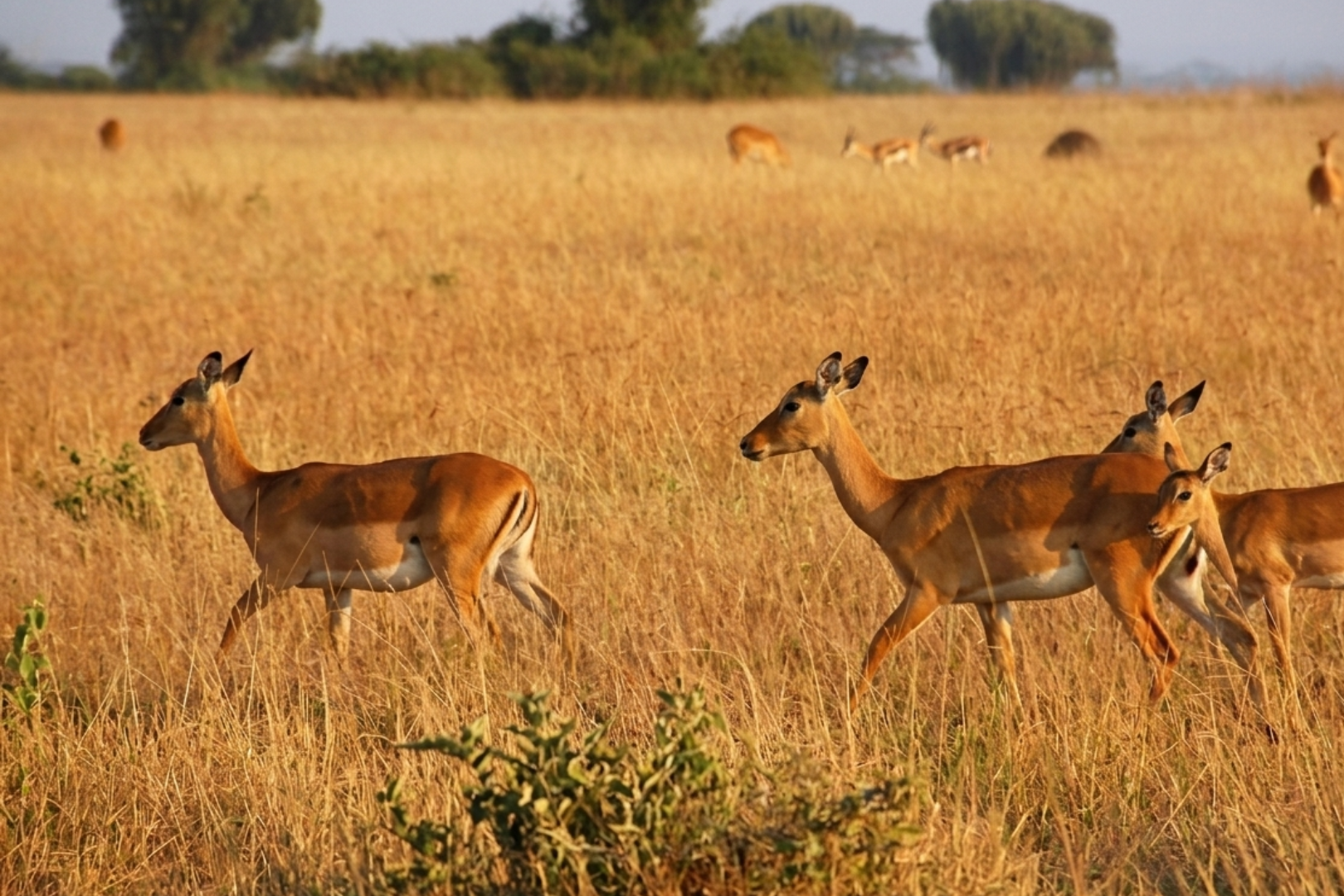
Founded in 1952, Queen Elizabeth National Park combines the Lake George and Lake Edward Game Reserves. Located in the western part of Uganda, the park has an area of 1,978 square kilometers and is one of Uganda’s most popular tourist places. It holds a scenic beauty filled with abundant wildlife, volcanic cones, and deep craters.
But the specialty lies within its mammals. Considered the best place to see lions, it is one of the two places to offer a serene experience of witnessing the tree-climbing lions. About 618 birds and 95 mammal species inhabit the park, with an isolated primate species named the “Lost Chimpanzees”.
The never-ending attractions also include the Kazinga Channel, Kasenyi Plains, Kalinzu Forest, Mweya Peninsular, etc.
Rwenzori Mountains National Park
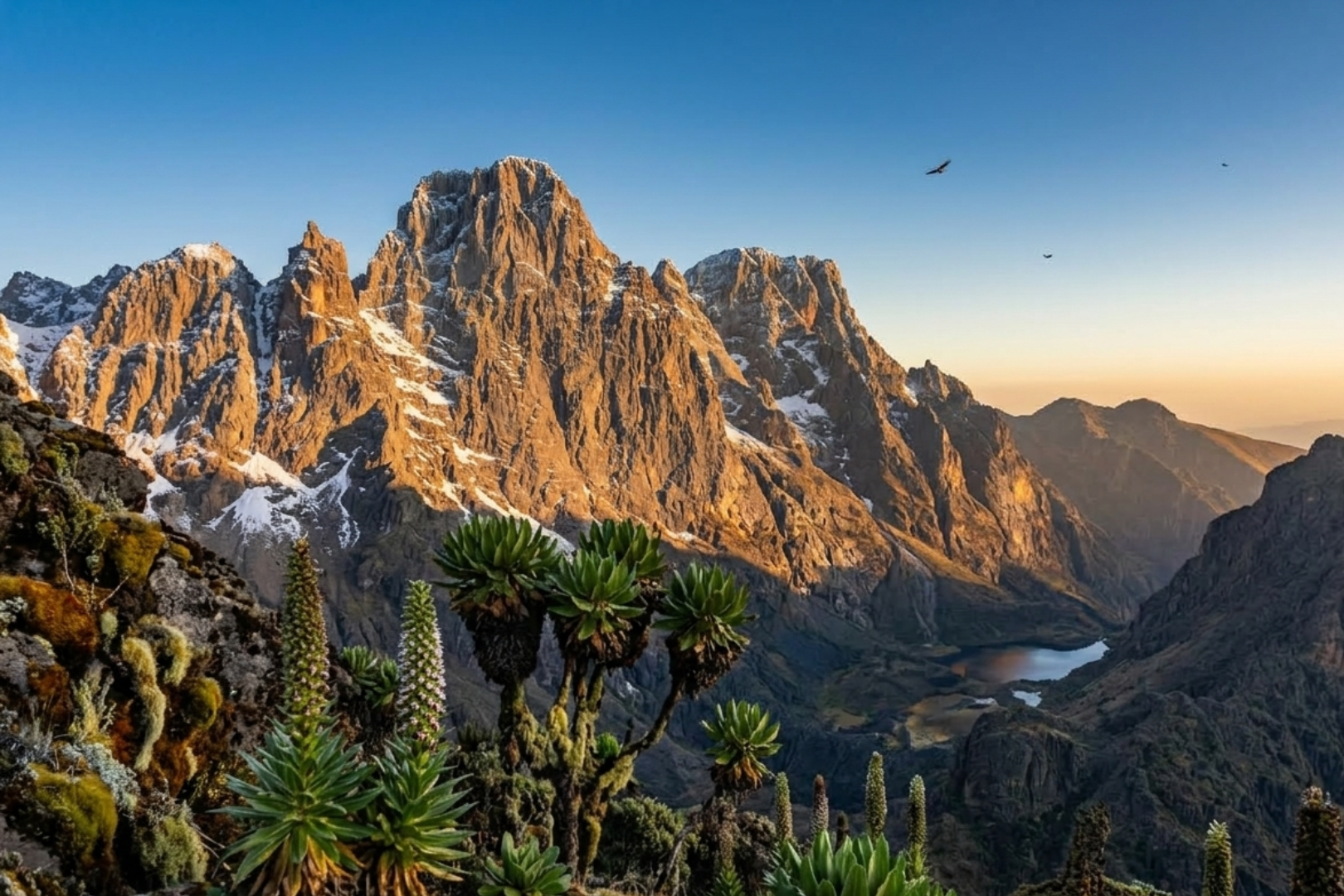
Derived the name from Africa’s third-highest mountain peak Rwenzori, the Rwenzori Mountains National Park is about 1000 square kilometers in size. UNESCO has listed it as a World Heritage Site for its diverse nature and unique natural beauty. The park is located in southwestern Uganda, occupying a decent portion of Mount Rwenzori.
The park is known for its natural resources of plants and trees. With 89 species of birds, 15 species of butterflies, and four primate species, it houses vast wildlife and idyllic peaks. The dominant activities include climbing the Margherita Peak of Mount Stanley and hiking.
Bwindi Impenetrable National Park
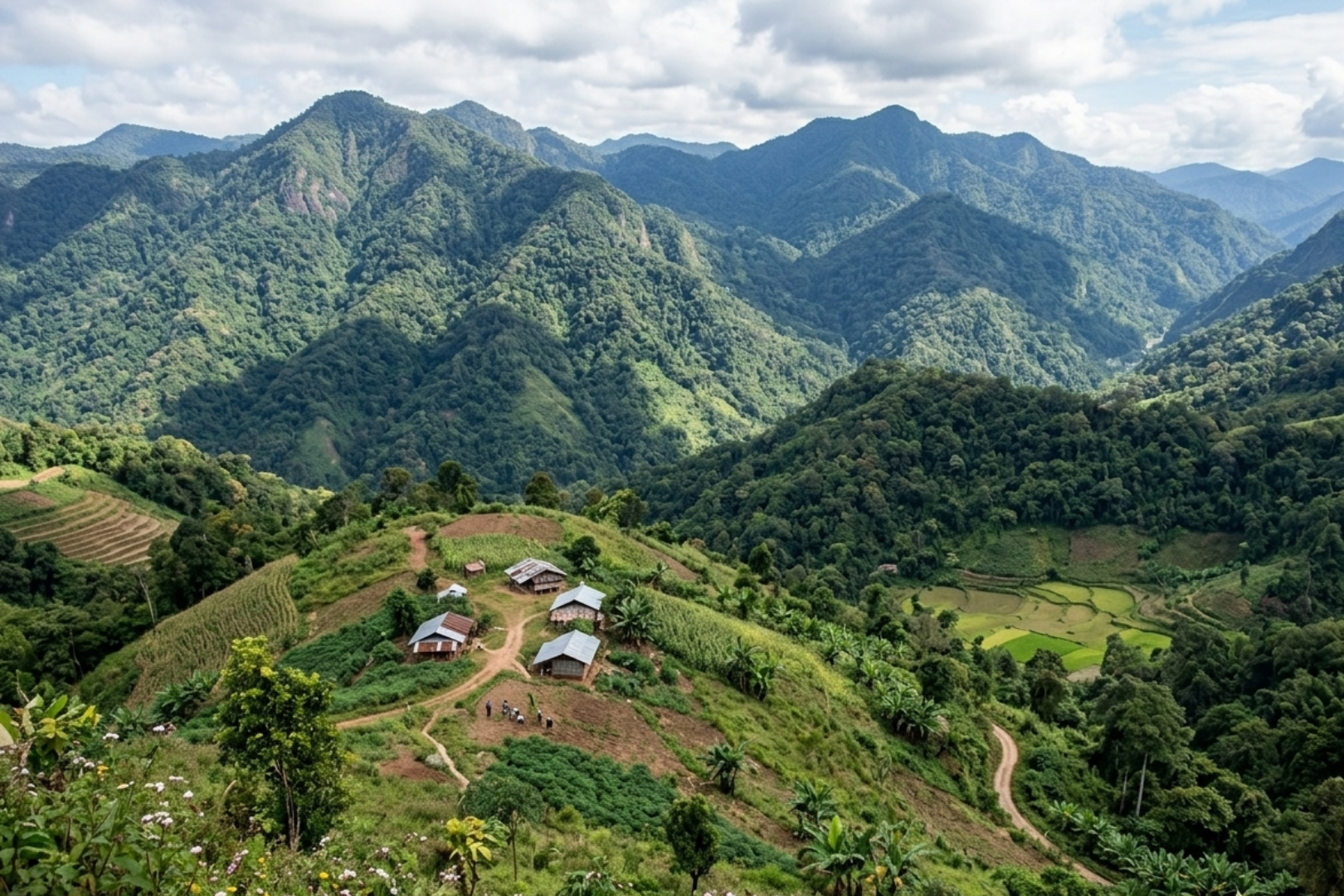
Part of the Bwindi Impenetrable Forest, the park is named similarly. Sitting on the edge of the Albertine Rift, Bwindi Impenetrable National Park has an area that covers 331 square kilometers of southwestern Uganda. UNESCO listed it as a designated World Heritage Site.
The prime feature of the park will be its diverse species. It is the largest reserve of Mountain Gorillas, with almost half of the world’s total population. Besides, the inhabitants include 120 species of mammals, 350 species of birds, and other species of wildlife. The park is under the management of Uganda Wildlife Authority and is considered one of the richest populations of trees, small mammals, birds, etc.
The landscape and scenery of the park shaped it into a symphony of natural artistry. With tropical rainforests, towering trees, and rivers, the park provides a lifeline for the total ecosystem.
The Future Outlook of National Parks of Uganda
Uganda, being an agriculture-based economy, has the opportunity to grow as a tourist destination. It is known that the country heavily relies on agriculture for its economy. 70% of the people are connected to agriculture, contributing a quarter to the country’s GDP. However, with the ten national parks of Uganda and their resources to attract tourists, the country holds a strong position in turning the tourism sector into a pillar of its GDP.
Undoubtedly, the road to becoming a center economy is possible by utilizing and growing each possible sector. And, the national parks of Uganda are the key to making the tourism sector one.
It is high time to focus on and develop the national parks of Uganda to attract more tourists. Hence, it is high time for investors to join in improving and contributing to the development of the country, ensuring infrastructure growth and economic development.
To learn more about investment opportunities in Uganda, you can read Uganda: A Rising Investment Hub
0 Comments