
Introduction
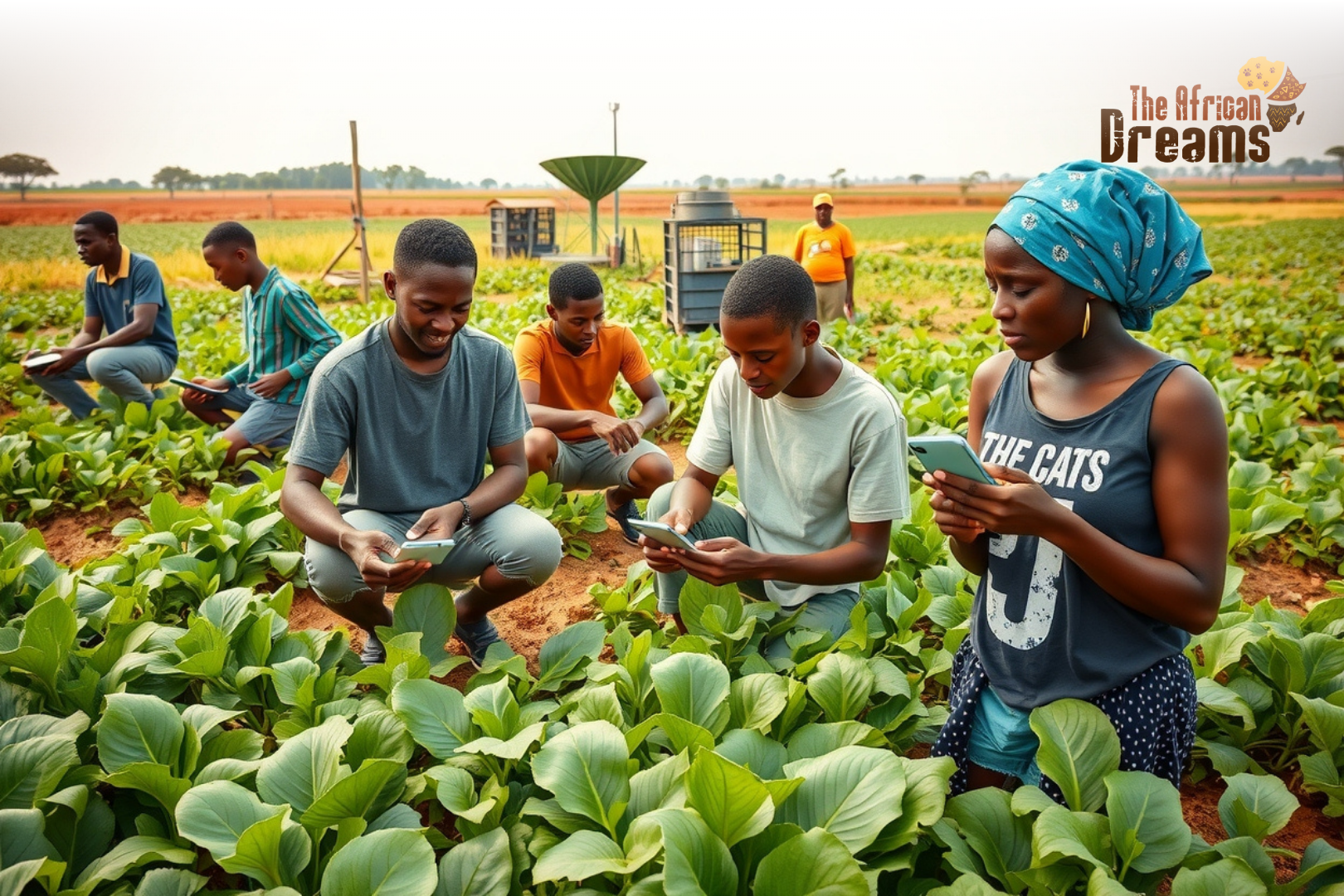
Like many African countries, Zimbabwe has a rich agricultural heritage and vast potential in the agri-food sector. Despite agriculture being a backbone of the economy, youth participation in the sector has been limited due to various challenges. However, with the right policies and innovations, Zimbabwe is turning the tide by creating new opportunities for young people to thrive in the agri-food systems.
This case study explores how Zimbabwe is leveraging policy reforms to empower youth, highlights real success stories, and provides insights into how policy innovations can drive transformation in the country’s agricultural landscape.
Article Highlights
Youth and Agriculture: The potential of young people to shape Zimbabwe’s food systems.
Policy Interventions: How government policies are unlocking new opportunities.
Success Stories: Inspiring examples of youth-led agricultural businesses.
Future Outlook: What needs to be done to sustain progress
Challenges in Zimbabwe’s Agricultural Sector
Despite agriculture’s significance in Zimbabwe, young people often face major obstacles:
1. Limited Access to Land:
- Land distribution policies often favor older generations.
- Youth struggle to secure land rights, making it hard to start farming businesses.
2. Lack of Finance & Credit:
- Many financial institutions view young farmers as risky investments.
- High interest rates and tough collateral requirements make loans inaccessible.
3 . Inadequate Skills & Training:
- Gaps in practical, hands-on agricultural education.
- Limited access to modern farming techniques and technologies.
4. Market Access Barriers:
- Difficulties in connecting to local and international markets.
- Lack of infrastructure, such as cold storage and transportation systems.
5. Climate Change & Resource Constraints:
- Unpredictable weather patterns and droughts impact productivity.
- Limited access to irrigation and sustainable farming resources.
Key Policy Innovations in Zimbabwe’s Agri-Food Systems
Zimbabwe has introduced several policy innovations to address the barriers young people face in agriculture. These policies aim to create an environment where youth can access resources, build businesses, and contribute to a more sustainable food system. Let’s break it down!
- Youth-Focused Land Reform Policies
Access to land has historically been one of the biggest challenges for young people in Zimbabwe. Land reform policies are now evolving to ensure that the youth — who make up a large part of the population — have a fair chance to enter the agricultural sector.
Youth Land Allocation Programs:
- Dedicated portions of redistributed land are reserved for young farmers.
- Local authorities are working with youth organizations to identify promising young agricultural entrepreneurs.
Flexible Leasing Models:
- Introduction of short- to medium-term land leases with low entry costs.
- Leases include clauses that reward productive use, encouraging sustainable farming practices.
Land Tenure Security:
- Policies are being refined to provide clear land titles or long-term leases to youth.
- Secure land rights help young farmers attract investors and secure loans.
Impact:
These reforms have made it easier for young people to acquire land, leading to a rise in youth-led farming cooperatives and small commercial farms across the country.
- Financial Support & Youth Agribusiness Funds
Financing is critical for starting and scaling agricultural ventures, but young farmers often struggle to access loans because of limited collateral and limited credit history. The Zimbabwean government and development partners have introduced financial policies to bridge this gap.
Youth Empowerment Agricultural Fund (YEAF):
- A government-backed fund that provides low-interest loans and grants.
- Tailored for youth-led projects across the agri-food value chain, from crop production to food processing.
Subsidized Inputs & Equipment:
- Government programs offer discounts on seeds, fertilizers, and farming tools.
- Young farmers can lease or purchase machinery through flexible repayment schemes.
Agricultural Insurance Schemes:
- Introduction of affordable crop and livestock insurance products.
- Protects young farmers from financial ruin caused by droughts, floods, or pests.
Impact:
More young people can now start and sustain agri-businesses without being crippled by financial barriers. Access to affordable credit and insurance has encouraged youth to take bold steps in experimenting with new farming techniques and business models.
- Agricultural Education & Skill Development
Equipping young people with the right skills is essential for their success in the agri-food sector. Zimbabwe has introduced policies that integrate practical agricultural education and business development support into national youth programs.
Agritech Training Centers:
- Training hubs teach modern farming techniques, such as hydroponics, vertical farming, and precision agriculture.
- Centers offer free or subsidized courses, making them accessible to rural youth.
Youth Incubation Programs:
- Agri-business incubators provide mentorship, resources, and market linkages.
- Young entrepreneurs receive training in business planning, financial management, and digital marketing.
Curriculum Reform in Schools & Colleges:
- Integration of agriculture and entrepreneurship into secondary and tertiary education.
- Hands-on learning through school gardens and community farm projects.
Impact:
Young people are becoming more confident and capable in managing agricultural ventures. This has spurred innovation, with many youth using tech-driven solutions to boost productivity and solve local food security issues.
- Market Access & Value Chain Integration
Producing food is only half the battle, young farmers also need reliable markets to sell their products. Zimbabwe’s policies have been designed to improve market access and connect young producers to both local and international buyers.
Youth Agro-Hubs:
- Government and private sectors are setting up hubs where youth farmers can collectively store, process, and market their produce.
- These hubs help small producers negotiate better prices and lower logistics costs.
Public Procurement Policies:
- Policies mandate that public institutions (like schools and hospitals) source a percentage of their food from youth farmers.
- Creates a steady market for young producers and boosts their income stability.
Export Facilitation Programs:
- Training programs teach youth about export requirements and global market standards.
- Government agencies assist with the paperwork and certifications needed for international trade.
Impact:
Young farmers are moving beyond subsistence farming and entering higher-value markets. By being part of organized hubs and value chains, they can earn more and reinvest in their businesses, creating a good impact on rural development.
- Climate Resilience & Sustainable Farming Policies
Climate change is a major threat to Zimbabwe’s agricultural sector, making resilience a top policy priority. Policies now focus on empowering young farmers with the tools and knowledge to adapt to changing weather patterns and build sustainable systems.
Climate-Smart Agriculture (CSA) Programs:
- Training on sustainable techniques like conservation agriculture, crop rotation, and agroforestry.
- Distribution of drought-tolerant seed varieties and support for water-saving technologies like drip irrigation.
Green Innovation Grants:
- Funding for youth-led projects that promote sustainability, like organic farming or renewable energy-powered cold storage.
- Rewards for innovations that reduce carbon emissions or enhance biodiversity.
Early Warning & Extension Services:
- SMS and app-based services that provide weather forecasts, pest alerts, and market prices.
- Expansion of agricultural extension services to deliver hands-on support to rural youth.
Impact:
Youth farmers are emerging as champions of sustainable agriculture. By adopting climate-smart practices, they are building more resilient farming systems and helping their communities adapt to environmental changes.
The Bigger Picture
Zimbabwe’s policy innovations have created a dynamic shift in the agricultural sector. More young people are now viewing agriculture as a viable and exciting career path, not just a last resort. These policies not only address immediate barriers like land access and finance but also build long-term resilience through education, market integration, and climate-smart practices.
The combination of policy support, youth energy, and technological innovation is driving a new wave of agricultural transformation in Zimbabwe — one where young people are leading the charge toward food security, economic growth, and sustainable rural development.
Success Stories: Youth Making a Difference
Real stories show the impact of these policy innovations. Here are some inspiring examples:
- Chido Govera: Transforming Lives Through Mushroom Farming

Chido Govera turned her struggles into an opportunity to uplift her community through sustainable mushroom farming. She’s now a global advocate for empowering vulnerable populations with agricultural skills. Orphaned at age 7, Chido faced extreme hardship but discovered hope through agriculture.
Innovation: Founded The Future of Hope Foundation to teach mushroom farming as a sustainable income source.
Impact:
- Trained hundreds of young people, orphans, and women in mushroom cultivation.
- Created community-driven food production systems, reducing hunger and poverty.
- Became an international speaker on sustainable agriculture and youth empowerment.
- Recognition: Chido’s work has been featured globally as a model for agricultural social entrepreneurship.
- Inspiration: Chido’s story shows how agricultural knowledge can break cycles of poverty and build resilient communities.
- Jacqueline Gowe: Empowering Women Through Beekeeping

acqueline Gowe turned her passion for nature into a thriving business and a movement to support women in agriculture. Left her corporate job in the UK to return to Zimbabwe and explore beekeeping.
Innovation: Founded Sweet Maungwe Honey and trained rural women in sustainable beekeeping practices.
Impact:
- Trained over 5,000 women and girls in beekeeping and honey production.
- Helped women establish honey cooperatives, boosting local economies.
- Promoted environmental conservation through ethical honey harvesting practices.
- Recognition: Leads the Zimbabwean chapter of AWARFA-N, advocating for women in agribusiness.
- Inspiration: Jacqueline’s work highlights how agri-entrepreneurship can empower communities and protect ecosystems.
- Nkosilathi Nyathi: Championing Climate-Smart Agriculture

Nkosilathi Nyathi started his climate activism as a child, proving that young voices can drive real change. Grew up witnessing the impacts of climate change on agriculture in Victoria Falls.
Innovation: Built the city’s first biogas plant to convert organic waste into clean energy for cooking and heating.
Impact:
- Reduced deforestation by providing a sustainable energy alternative.
- Advocated for climate-smart agricultural practices to help farmers adapt to changing weather patterns.
- Spoke at international platforms (like COP25) to push for youth inclusion in climate action.
- Recognition: Gained global recognition as a youth climate leader and agricultural innovator.
- Inspiration: Nkosilathi’s story shows the power of youth-led innovation in building climate resilience.
- Piason: Leading an Organic Farming Revolution
Piason, a young farmer from rural Zimbabwe, is inspiring his community by proving that sustainable practices can lead to greater yields and profits. Grew up in a small farming village and became passionate about improving local farming techniques.
Innovation: Introduced organic farming methods, like composting and crop rotation, to boost soil health.
Impact:
- Increased crop yields without relying on chemical fertilizers or pesticides.
- Educated fellow farmers on sustainable practices through local workshops.
- Helped the village become more self-sufficient and resilient to climate change.
- Recognition: Praised by local agricultural organizations as a youth leader in sustainable farming.
- Inspiration: Piason’s efforts demonstrate how grassroots change can start with one determined individual.
- Insect Farming for Resilient Livelihoods
Young farmers in southeastern Zimbabwe are turning an unusual idea, maggot farming, into a profitable, sustainable business. Droughts and harsh weather made traditional livestock farming unsustainable in some areas.
Innovation: Started breeding black soldier fly larvae to turn organic waste into protein-rich livestock feed.
Impact:
- Reduced feed costs for livestock, making farming more affordable.
- Created an eco-friendly solution to manage waste and improve soil quality.
- Inspired more young people to explore alternative, climate-resilient farming models.
- Recognition: Featured in international media as an example of youth-driven agricultural innovation.
- Inspiration: This story shows how thinking outside the box can lead to new opportunities in agriculture.
Youth Led Agri- Tech Innovations Making Significant Impact
Zimbabwe’s agricultural sector is witnessing a dynamic transformation, driven by the innovative spirit of its youth. Young agripreneurs are integrating technology into farming practices, leading to increased productivity and sustainability. Here are some notable youth-led agri-tech innovations making a significant impact:
- Eagles’ Nest Agri-Challenge: Fostering Youth-Led Agricultural Enterprises
Launched by ZimTrade, the Eagles’ Nest Agri-Challenge aims to revolutionize Zimbabwe’s agricultural landscape by empowering youth-led agricultural enterprises. The initiative provides technical support, training, and mentorship to young farmers, equipping them with cutting-edge technologies and sustainable practices. By blending technology with entrepreneurial training, the program is setting the stage for a new generation of export-ready agripreneurs who will shape the future of Zimbabwe’s agricultural sector.
Key Features:
- Technical Support: Access to modern agricultural technologies and practices.
- Training Programs: Capacity building in sustainable farming and agribusiness management.
- Mentorship: Guidance from experienced professionals to navigate the agricultural value chain.
Impact:
- Innovation: Encourages the development of new farming techniques and solutions.
- Market Access: Prepares youth for global markets, enhancing export potential.
- Sustainability: Promotes environmentally friendly and sustainable agricultural practices.
- Wadana Agro-Consultancy: Leveraging Social Media for Agricultural Transformation
Co-founded by young visionary Ashley Nyaruwanga, Wadana Agro-Consultancy Pvt Ltd utilizes social media platforms to inspire and educate Zimbabweans about opportunities in agriculture. What began as a YouTube show has evolved into a dynamic company with a mission to reshape how the country’s youth understand and pursue agriculture.
Key Features:
- Educational Content: Produces videos and articles on modern farming techniques and agribusiness opportunities.
- Community Engagement: Creates online forums for knowledge sharing and collaboration among young farmers.
- Consultancy Services: Offers personalized guidance to aspiring agripreneurs.
Impact:
- Awareness: Increases interest in agriculture among the youth.
- Empowerment: Provides resources and knowledge to start and sustain agribusinesses.
- Networking: Builds a community of like-minded individuals passionate about agriculture.
- AI-Powered Agricultural Solutions: Enhancing Productivity
Youths from Zimbabwe’s universities are leveraging Artificial Intelligence (AI) to develop innovative agricultural solutions to boost farmers’ productivity. These AI-driven initiatives assist in various aspects of farming, from crop monitoring to yield prediction.
Key Features:
- Precision Farming: Uses AI to create accurate planting, watering, and harvesting schedules.
- Pest and Disease Detection: Employs machine learning algorithms to identify and manage crop threats.
- Data Analytics: Analyzes soil health, weather patterns, and crop performance to optimize farming practices.
Impact:
- Efficiency: Reduces resource wastage and increases yield.
- Decision-Making: Provides data-driven insights for better farm management.
- Scalability: Allows small-scale farmers to adopt advanced technologies affordably.
- Agricultural Youth Desk: Engaging Youth in Agribusiness Ecosystems
The Agricultural Youth Desk, established by Zimbabwe’s Ministry of Lands, Agriculture, Fisheries, Water, and Rural Development, serves as a platform dedicated to engaging and supporting youth involvement in agriculture. Recognizing the innovative potential of young people, the initiative focuses on integrating youth into agribusiness ecosystems.
Key Features:
- Capacity Building: Offers training programs in modern agricultural techniques and technologies.
- Resource Access: Facilitates access to land, finance, and markets for young farmers.
- Policy Advocacy: Represents youth interests in agricultural policy formulation.
Impact:
- Inclusion: Ensures youth participation in decision-making processes within the agricultural sector.
- Empowerment: Provides tools and resources necessary for successful agripreneurship.
- Innovation: Encourages the adoption of new technologies and practices among young farmers.
- Agri-Tech Marketplaces: Connecting Farmers to Broader Markets
Agri-tech marketplaces are digital platforms that connect farmers with buyers, sellers, and service providers in the agricultural value chain. In Zimbabwe, these innovative marketplaces facilitate transparent and efficient transactions, enable farmers to access broader markets, and streamline the distribution of agricultural products.
Key Features:
- Online Platforms: Provide virtual spaces for buying and selling agricultural products.
- Market Information: Offer real-time data on prices, demand, and supply trends.
- Logistics Support: Coordinate transportation and delivery services for agricultural goods.
Impact:
- Market Access: Expands reach to national and international buyers.
- Transparency: Ensures fair pricing and reduces exploitation by intermediaries.
- Efficiency: Simplifies the supply chain, reducing costs and time to market.
These youth led agri tech innovations are not only transforming Zimbabwe’s agricultural sector but also inspiring a new generation to view agriculture as a viable and lucrative career path. By embracing technology and innovative practices, Zimbabwean youth are creating the way for a more sustainable and prosperous agricultural future.
Conclusion
Zimbabwe’s experience shows that with targeted policy innovations, the agri-food sector can become a thriving space for young people. While challenges remain, the country is making significant progress through land reforms, financial support, skills training, market access programs, and climate resilience initiatives.
By continuing to invest in youth and evolving policies to meet emerging needs, Zimbabwe can reach the full potential of its young agricultural entrepreneurs, driving food security, economic growth, and sustainable rural development for years to come.
Frequently Asked Questions (FAQs)
- Why is agriculture important for youth in Zimbabwe?
Agriculture offers a vast opportunity for job creation, entrepreneurship, and economic stability, especially for the growing youth population.
- What are the biggest barriers for young farmers?
Access to land, finance, markets, and skills are the main obstacles, though policy changes are helping to address these issues.
- How can young people get involved in agriculture?
They can join youth-focused programs, seek government support, participate in training centers, and explore tech-driven agri-solutions.
- What role does technology play in modern farming?
Technology helps improve productivity, reduces costs, and connects farmers to markets through platforms, apps, and data-driven farming practices.
- What is the future of youth in Zimbabwe’s agri-food systems?
With continued policy support and innovation, young people are poised to lead the sector’s transformation, making agriculture more dynamic, sustainable, and profitable.

0 Comments