
Uganda’s Coffee: Story of the Farmers
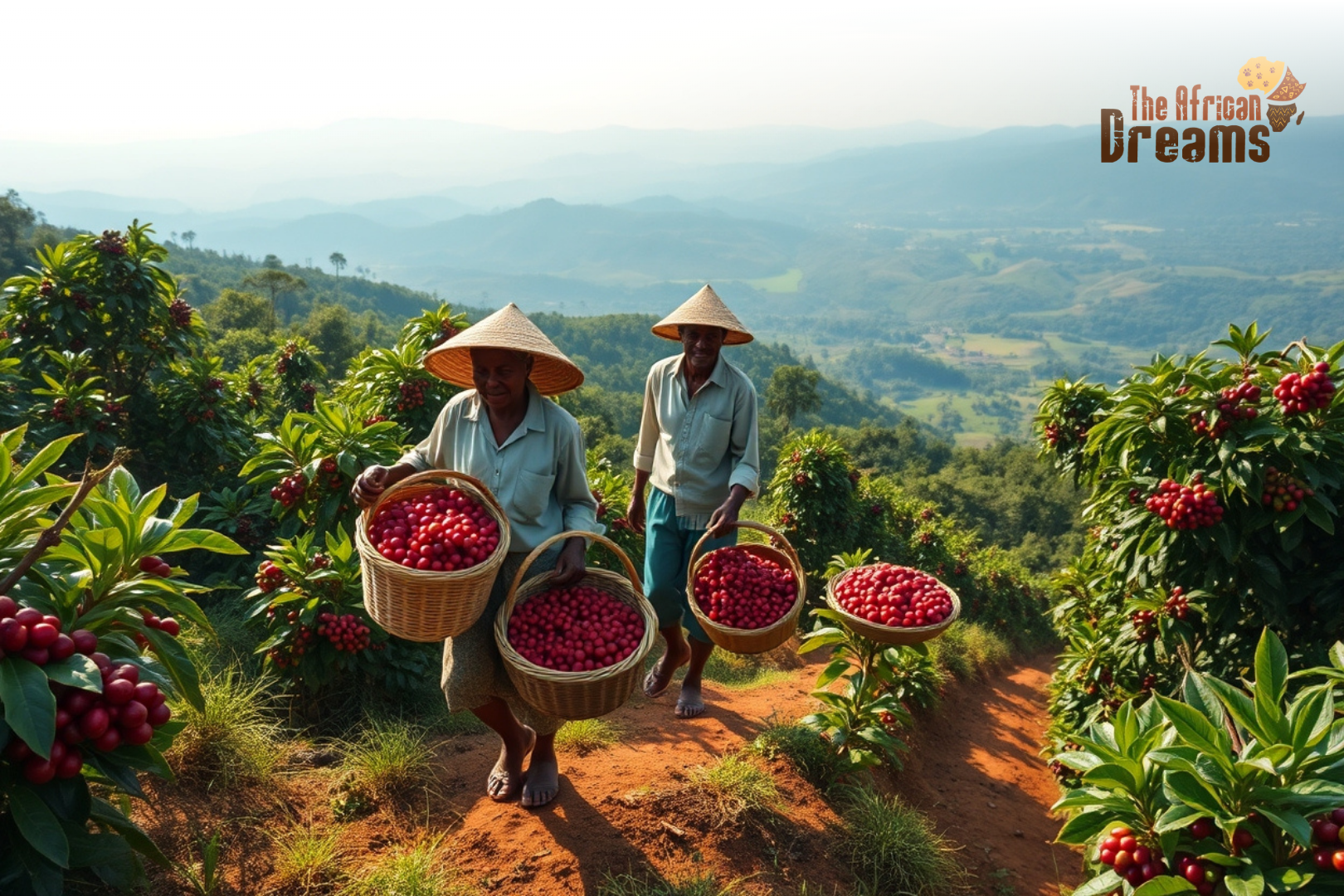
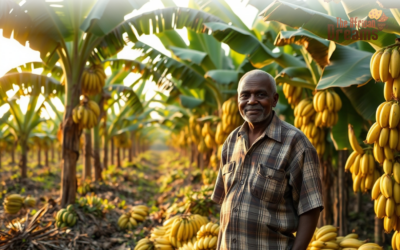
Mujabi Yusuf’s family, like the one-and-a-half million other families in Uganda, relies heavily on coffee harvesting for their livelihood. However, this wasn’t always the case for Yusuf. Initially, he cultivated other vegetables before venturing into coffee farming. In an interview with the World Bank, Yusuf shared that coffee farming proved to be more profitable than any other crop he had grown. Though he continues to cultivate cassava and bananas, coffee has become the cornerstone of his agricultural endeavors, significantly enhancing his family’s income.
With its vast agricultural potential and lush, fertile soils, Uganda is a country where people like Yusuf are mostly involved in farming. Millions of people rely heavily on Uganda’s Coffee as one of the main cash crops. You’ll know, after reading this article, the profitable prospects in Uganda’s coffee farming industry, the industry’s potential for expansion, economic advantages, and the obstacles that must be overcome to maintain and grow this essential sector.
Article Highlights
Uganda is a country blessed with natural resources that favor coffee production, which can be pretty useful for its further prosperity.
Different government and non-government organizations are taking steps to take Uganda’s Coffee sector forward toward a more successful and lucrative stage.
A broad community of women and youth has yet to be utilized in Uganda’s Coffee sector.
Uganda’s Coffee: Blessed with Natural Resources
According to Coffee Intelligence, Arabica prices have reached as high as $2.39/lb this week – their highest levels since September 2022. Meanwhile, Robusta has been trading at an all-time high. This price hike is directly related to the unusually hot and dry season in Vietnam. But that is not the case in Uganda.
Uganda’s coffee production for the market year 2024/25 will rise by 1.44%, reaching the equivalent of 6.9 million bags.
This brings us to the question: Why is Uganda’s Coffee important to coffee enthusiasts?
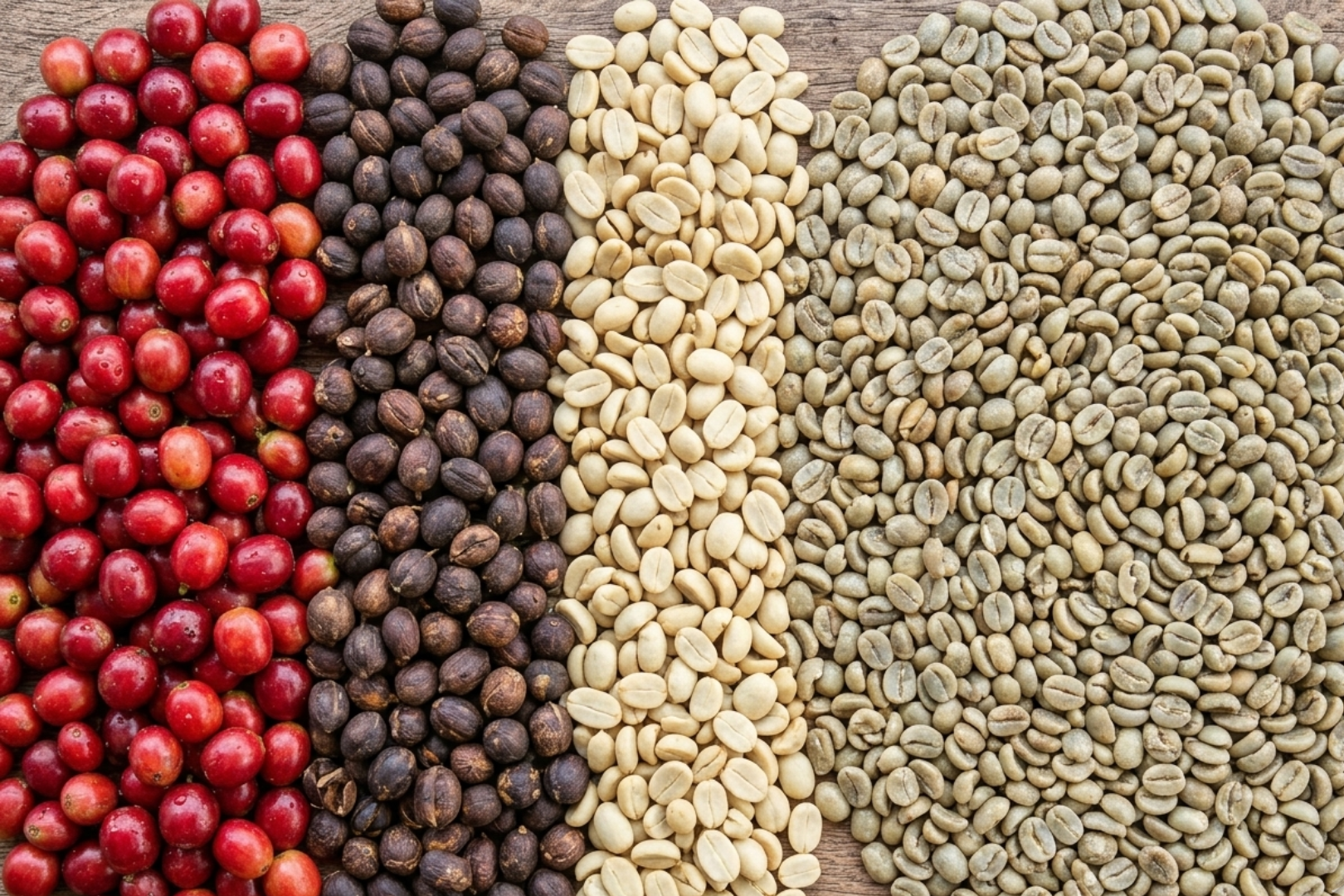
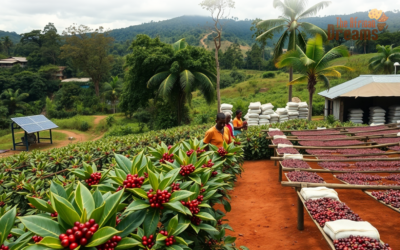
The fertility this land provides, the perfect altitude for Robusta and Arabica, is pretty much available in Uganda. The altitude ranges from 800 to 1,400 meters above sea level for Robusta and 2,300 to 6,000 meters above sea level for Arabica. The high altitude, especially for Ugandan Robusta, makes it very unique and characterized by intrinsic quality characteristics/attributes.
Sustainable and specialty coffees are being sold to niche markets at high premiums compared to conventional grades. The Central, Western, South-Western, Northern, and Eastern regions all support coffee growth, with specific areas specializing in either Robusta or Arabica varieties.
High-yielding Clonal Robusta coffee varieties are being planted to boost productivity. In contrast, Arabica varieties like SL 28 and SL 14 thrive in high- and medium-altitude regions such as the Mountain Elgon and the Rwenzori. This geographic diversity and commitment to improved cultivation practices enhance Uganda’s coffee production potential.

Rising Seed Development Partnerships of Uganda
To help triple coffee output to 20 million bags by 2030, World Coffee Research (WCR), the Uganda Coffee Development Authority (UCDA), and the Uganda National Coffee Research Institute (NaCORI) have been working to boost Uganda’s nursery and seed sector over the past year.
As part of the collaboration, training materials are published, extension officials and nursery operators are trained, seed lots are assessed, and seedlings from accredited nurseries are distributed.
Uganda wants to increase Uganda’s coffee production acreage by 20% and increase yields by three to four times. These initiatives will help the approximately 1.5 million households that depend on coffee farming.
The ongoing, multifaceted effort to improve access to high-quality C. robusta and C. arabica seedlings has involved several initiatives, including the release of locally relevant, open-access training materials, the instruction of nursery operators and extension officers, the assessment and cleaning of seed lots, the distribution of seedlings from certified nurseries through UGACOF/Sucafina, and more.
Uganda, a major producer and exporter of robusta coffee, is working with WCR and UCDA to increase local nurseries’ ability to supply improved varieties, including 10 Coffee Wilt Disease (CWD)-resistant clonal lines, under the name NARO Kituza Robusta (KR) 1-10.
The initiative, funded by Strauss Coffee B.V. and WCR member companies worldwide, aims to put 100,000 healthy KR plants into farmers’ hands and support a future increase in the supply of high-quality planting material.
WCR has also conducted training sessions for 393 nursery operators and 77 UCDA extension officers on grafting to optimize robusta nursery establishment and management. Open-access educational resources are also being released for Ugandan farmers and nursery operators.

Growth of Uganda’s Coffee: NEUCAF and Cafe River Collaborations
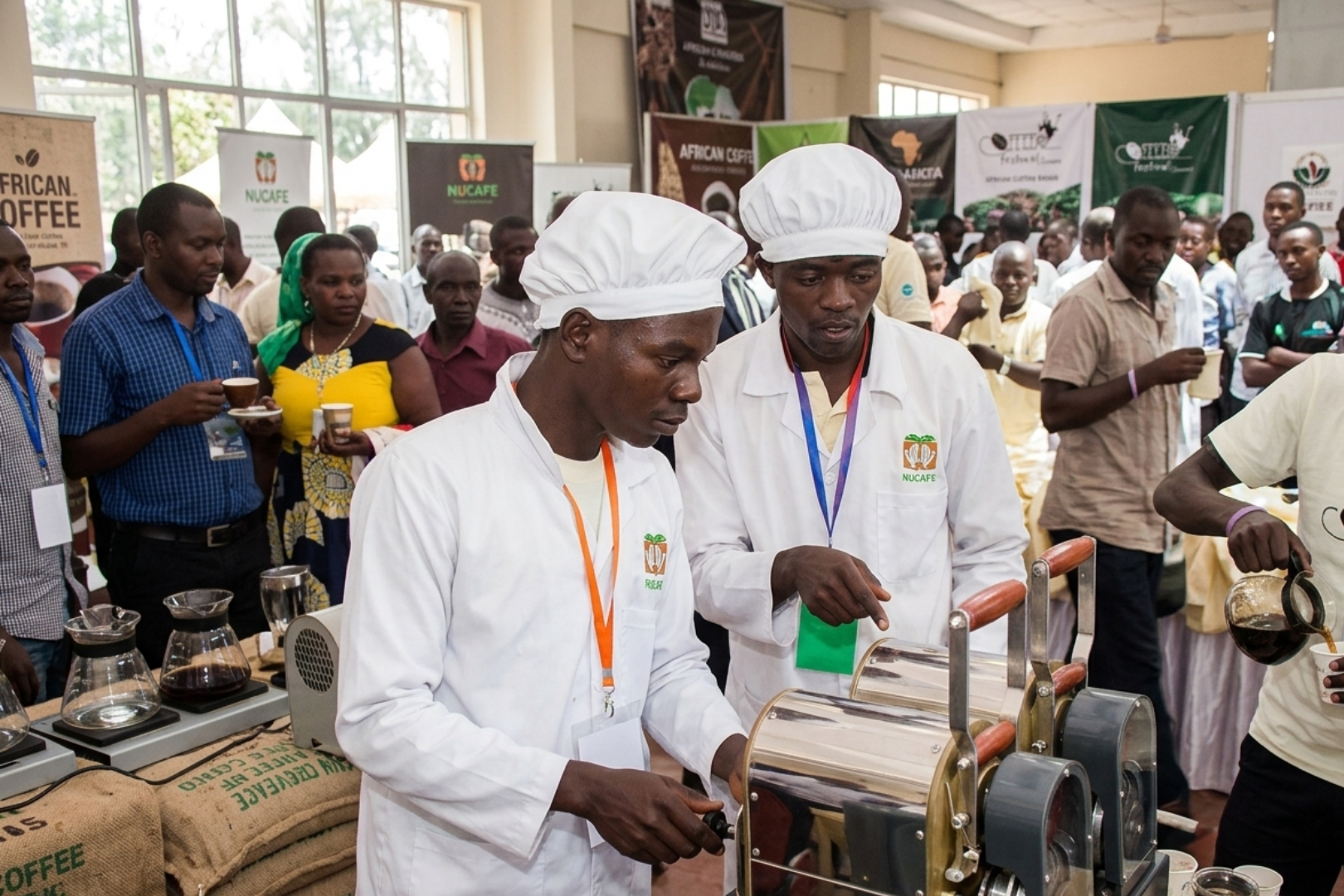
An important turning point in the growth of Uganda’s coffee sector has been reached with the partnership between Café River and the National Union of Coffee Agribusinesses and Farm Enterprises (NUCAFE). Through this relationship, the major issues that coffee producers confront will be addressed, and the entire value chain will be improved, resulting in more profitability and sustainable growth for all parties.
1. “Generate sufficient disease-resistant clonal coffee plantlets to mitigate the coffee wilt disease (CWD)”.
It was one of the policies that concentrated on generating sufficient disease-resistant clonal coffee plantlets. For coffee growers in Uganda, Coffee Wilt Disease (CWD) has been a recurring issue that has resulted in significant losses in productivity and revenue.
The partnership hopes to lessen the effects of CWD by creating and distributing these disease-resistant plantlets, which would guarantee healthier harvests and more consistent yields for farmers.
In addition to protecting coffee growers’ livelihoods, this program helps Uganda’s coffee industry as a whole remain stable and expand.
2. “Mobilise smallholder farmers into groups to work with key market traders to meet export market demands and sustainably unlock the coffee value chain. This will be done in partnership with private sector organizations like the National Union of Coffee Agribusiness and Farm Enterprises (NUCAFE).”
According to this policy, it will organize small coffee farmers into groups to trade with key markets and meet export demand, improving Uganda’s coffee industry in the long term, with help from private organizations.
The NUCAFE-Café River Treaty is a noteworthy advancement for Uganda’s investment and coffee-growing industries. Creating clonal coffee plantlets resistant to disease will improve crop resilience and tackle the problem of Coffee Wilt Disease. By turning 26,000 metric tonnes of green coffee beans into higher-value products, the plant will also increase profitability and might make up to $160 million a year.
The factory will boost the local economy and generate jobs. Additionally, it will emphasize sustainable farming methods that align with consumer preferences and global trends. The partnership also shows a strong institutional commitment to Uganda’s coffee industry, lowering entrance barriers by facilitating better access to resources, financial aid, and training.
Liberalized Marketing Policy
Uganda’s coffee industry is fully liberalized, allowing direct transactions between farmers and traders. Certification programs such as Fairtrade, Rainforest Alliance, and Organic have improved coffee quality and farmers’ livelihoods. The Ugandan government is implementing reforms to enhance competitiveness and sustainability, focusing on better extension services, access to inputs, quality control, value addition, and market diversification.
THE USDA FAS project aims to move 100,000 healthy KR plants into farmers’ hands and support an increased future supply of high-quality planting material. In partnership with UGACOF/Sucafina, nearly 50,000 KR plants have been supplied to entrepreneurial farmers in the Greater Masaka region, supporting a network of over 2,000 other farmers in Uganda.
WCR, UCDA, and NaCORI are working together to optimize the country’s ability to propagate and successfully grow robusta varieties.
Increasing Domestic Consumption and Global Trade
Uganda’s coffee consumption is expected to rise by 1.52% in 2024/25, reaching 330,000 bags, driven by a growing coffee culture. The Uganda Coffee Development Authority promotes coffee consumption, contributing to the country’s popularity.
Green coffee exports are expected to rise slightly from 6.52 million to 6.58 million bags. Uganda’s main coffee export destinations are the EU, the United States, Morocco, and India. To comply with EUDR, the Ugandan government plans to register Uganda’s coffee farmers and establish a national traceability system.
Utilizing the growing population
Uganda has the youngest population in the world, with over 78% of the population below 30 and a median age of 15. Unemployment in Uganda is on the rise, and young people shoulder the burden. One in three young Ugandans did not have a job in 2015.
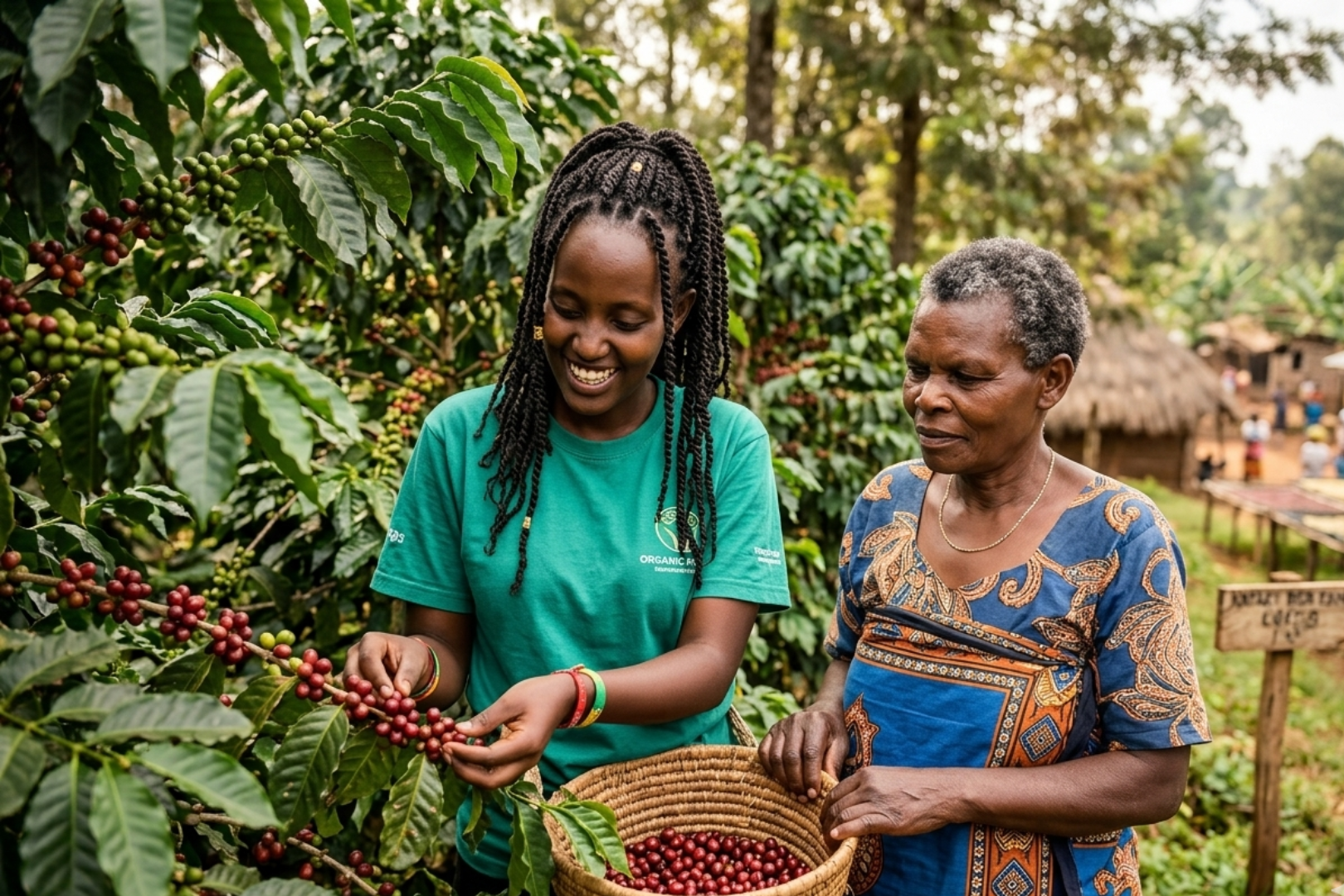
Compared to men, women are more likely to be unemployed. The main export to Uganda is coffee. The most lucrative crop in the country, Uganda’s coffee generates between 20 and 30 percent of Uganda’s annual foreign exchange revenues. By leveraging the unrealized potential of adolescents and women, who make up a sizable share of the unemployed population, a new investor can capitalize on Uganda’s rapidly growing coffee industry.
Final Words: Investing in Uganda’s Coffee
There is significant potential for profit because Uganda’s coffee sector is a major contributor to the country’s foreign exchange earnings, accounting for up to 30% of total exports. With its natural resources and organizations collaborating of improve coffee production, Uganda’s coffee farming is indeed a great opportunity for investors.
With a proper strategy, public-private partnerships, the right infrastructure, and technological advancements, Uganda’s coffee farming will continue to grow. Investors should take this into consideration, pre-plan, and seek guidance from the local communities before investing to maximize the benefits. For local and global investors and businesspersons, this is the time to invest in Uganda’s coffee sector and collaborate with communities to drive it forward.
For more details about Uganda’s coffee as the most profitable cash crop of Uganda, you can check Coffee: An Overview of Uganda’s Most Profitable Cash Crop


0 Comments