
Introduction: Travel to Malawi
Malawi, “The Warm Heart of Africa,” is a great destination for tourists. Unlike many commercialized destinations, Malawi offers a more intimate travel experience. Its wide range of wildlife makes it a great destination for ecotourism. The country’s biodiversity is also rich.
Culturally, Malawi is of various ethnic groups, each with vibrant traditions and customs. The Chewa, Yao, and Lomwe are among them. Each has unique dances, music, and rituals that offer visitors a deep dive into African heritage. In summary, Malawi is a mix of natural beauty, culture, and heartfelt hospitality.
Article Highlights
In this article, we will talk about the 5 best places you must visit when you travel to Malawi.
Majete Wildlife Reserve
Lake Malawi National Park
Mount Mulanje
Nkhotakota Wildlife Reserve
Chongoni Rock Art Area
1. Majete Wildlife Reserve
Location: Southern Malawi, near Blantyre
Size: Over 700 square kilometers
Majete Wildlife Reserve is one of Africa’s most inspiring conservation success stories. Once a park devoid of animals due to rampant poaching, Majete has undergone a dramatic transformation since 2003, thanks to the partnership between the Malawian government and African Parks. If you plan to travel to Malawi, this reserve should make it to the list.
What Makes Majete Special?
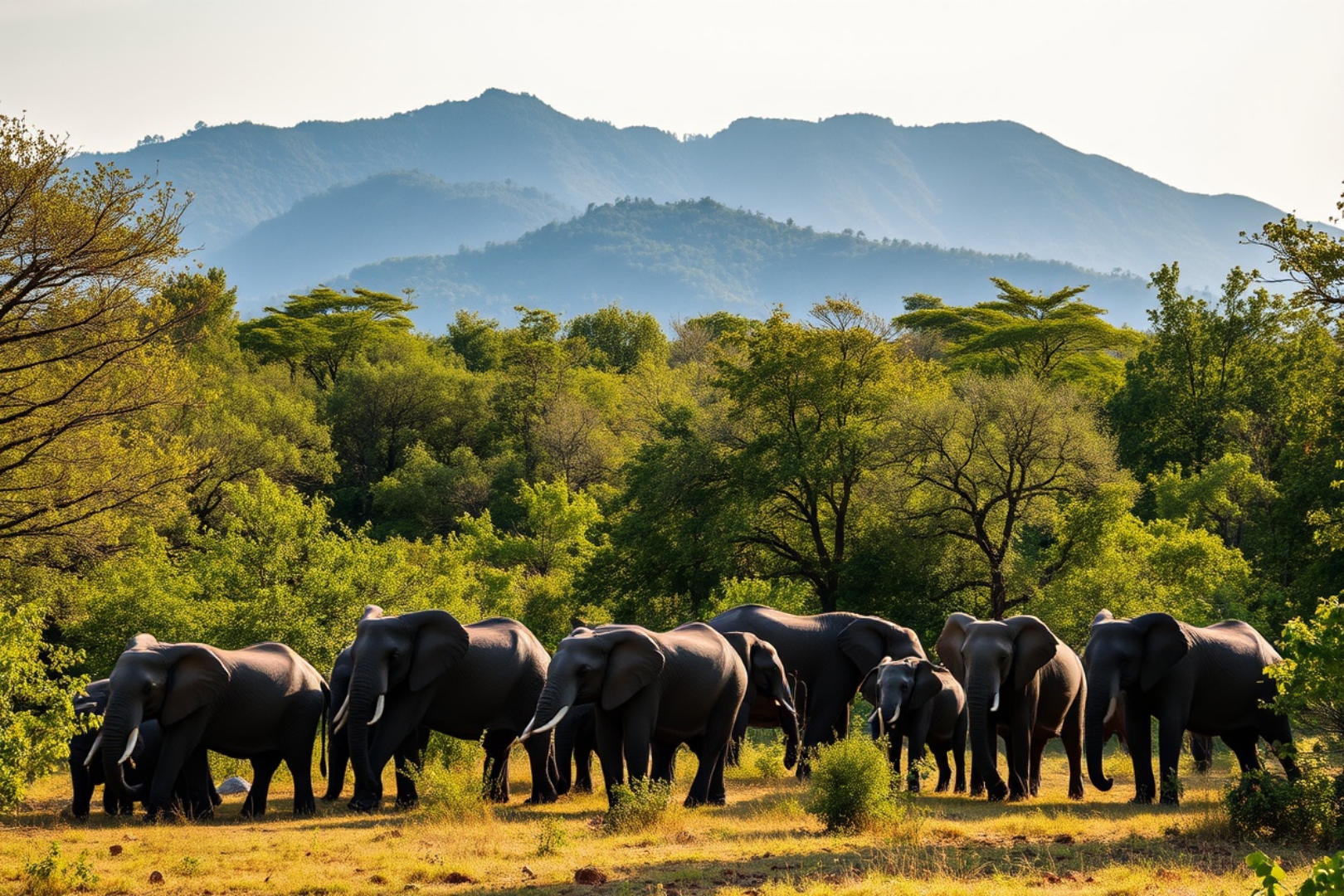
1. The Big Five: Majete is the only place in Malawi where you can see Africa’s “Big Five”, lion, leopard, elephant, buffalo, and rhino, all in one park. These animals were carefully reintroduced to create a thriving ecosystem.
2. Exclusive Safaris: It’s not overrun with tourists like other African parks, so it offers a more intimate wildlife-viewing experience. Safari drives, guided walks, and boat safaris on the Shire River are all available.
3. Community Integration: Majete is more than a park; it’s a community project. Local villages benefit directly from tourism through employment and education initiatives.
Highlights
1. Game drives at dawn and dusk
2. River safaris with views of hippos and crocodiles
3. Cultural interactions with local villages
2. Lake Malawi National Park
Location: Southern end of Lake Malawi
Size: Africa’s Inland Ocean, stretching over 580 kilometers
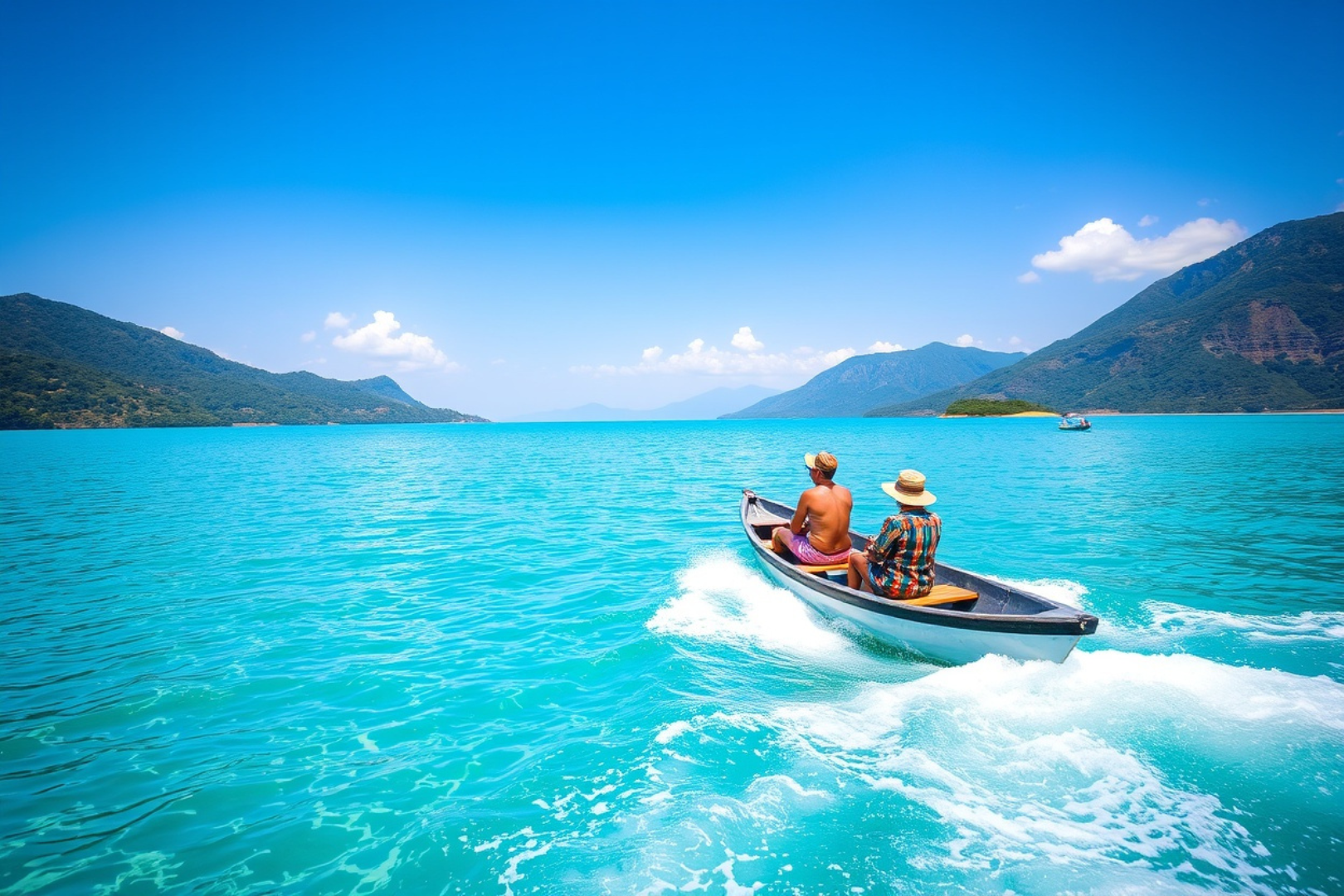
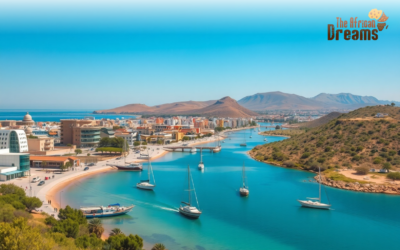
Lake Malawi, known as the “Lake of Stars,” is the crown jewel of Malawi. Since 1984, it has been a UNESCO World Heritage Site. It is one of the largest and deepest freshwater lakes in the world, home to more species of fish than any other lake globally, especially colorful cichlids.
Why Lake Malawi is a Must-Visit:
1. Pristine Beaches and Islands: The lake features white sandy beaches, crystal-clear water, and islands such as Likoma and Chizumulu. They offer both relaxation and cultural intrigue.
2. Diving and Snorkeling: Thanks to the lake’s incredible biodiversity, underwater exploration here is like swimming through a living aquarium.
3. Laid-back Lake Culture: Fishing villages line the shore, offering travelers a glimpse into Malawian life. Expect friendly people, vibrant music, and fresh lake fish like chambo.
Highlights
1. Kayaking to remote islands
2. Exploring underwater caves
3. Sunset cruises on traditional wooden boats
3. Mount Mulanje
Location: Southeastern Malawi, near the town of Mulanje
Altitude: 3,002 meters (9,849 ft)
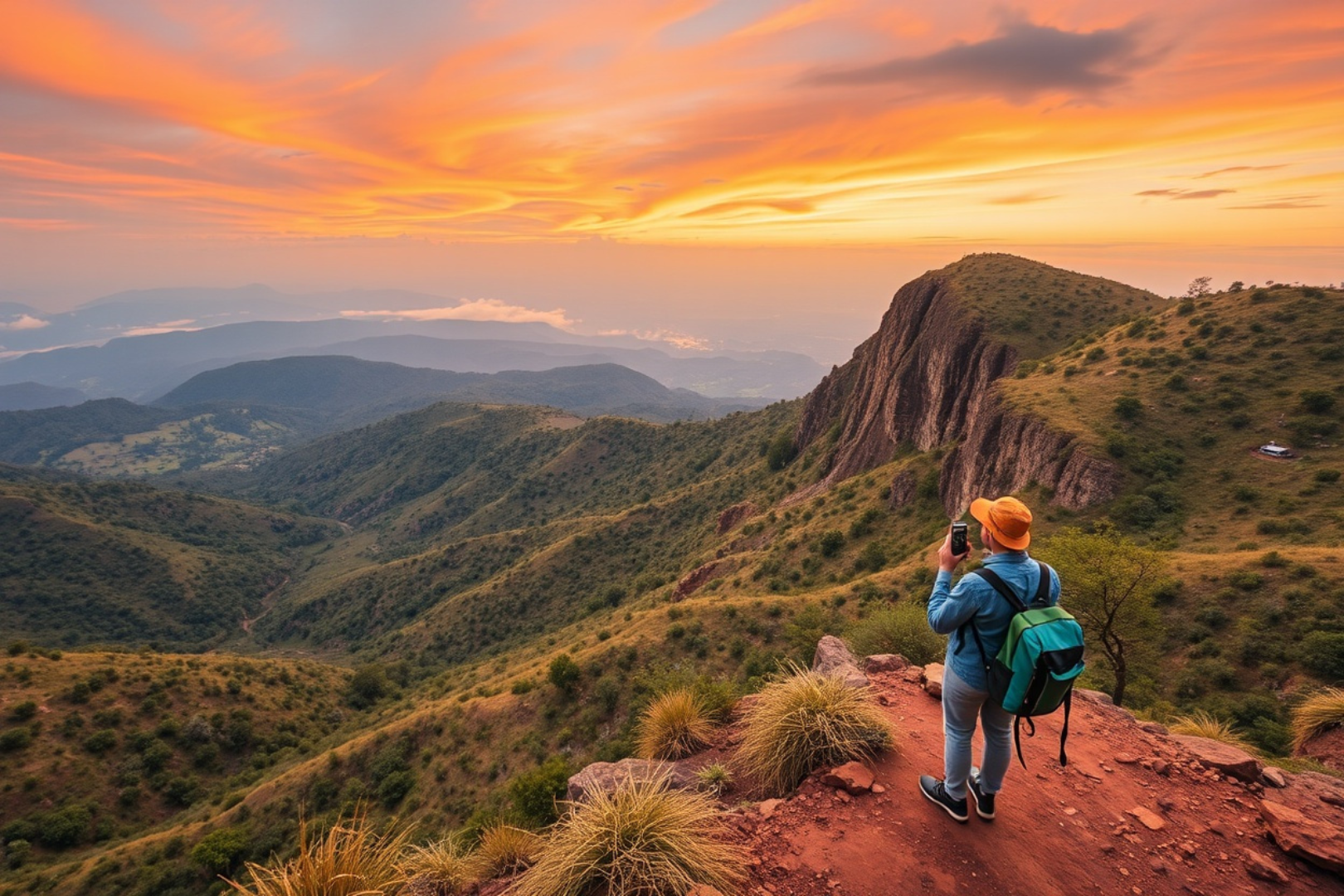
Mount Mulanje – Malawi’s Island in the Sky- is more than just a mountain — it’s a vast granite massif often shrouded in mist, with steep cliffs, waterfalls, and over 20 individual peaks.
Known locally as “the island in the sky,” it’s a sacred place in Malawian folklore and a dream for trekkers. So, if you are a trekker lover and plan to travel to Malawi, this is your place to visit.
What to Expect on Mount Mulanje:
1. Challenging Treks: With a network of trails and mountain huts, visitors can trek for days across rugged terrain, through cedar forests, and past dramatic escarpments.
2. Unique Wildlife: The mountain is home to endemic species like the Mulanje cedar and rare birds.
3. Spiritual Significance: Local communities believe the mountain is inhabited by spirits, and tales of mystical experiences abound.
Highlights
1. Hiking to Sapitwa Peak, the highest point in Malawi
2. Swimming in natural mountain pools
3. Meeting local guides who share folklore and legends

4. Nkhotakota Wildlife Reserve – Wilderness Reborn
Location: Central Malawi, along the Great Rift Valley escarpment
Size: 1,800 square kilometers
Nkhotakota is one of the oldest and largest protected areas in Malawi. So, if you plan to travel to Malawi, this has to be on your list. After years of neglect, it has undergone significant revitalization led by African Parks, making it one of the most important wildlife sanctuaries in southern Africa today.
Why Visit Nkhotakota:
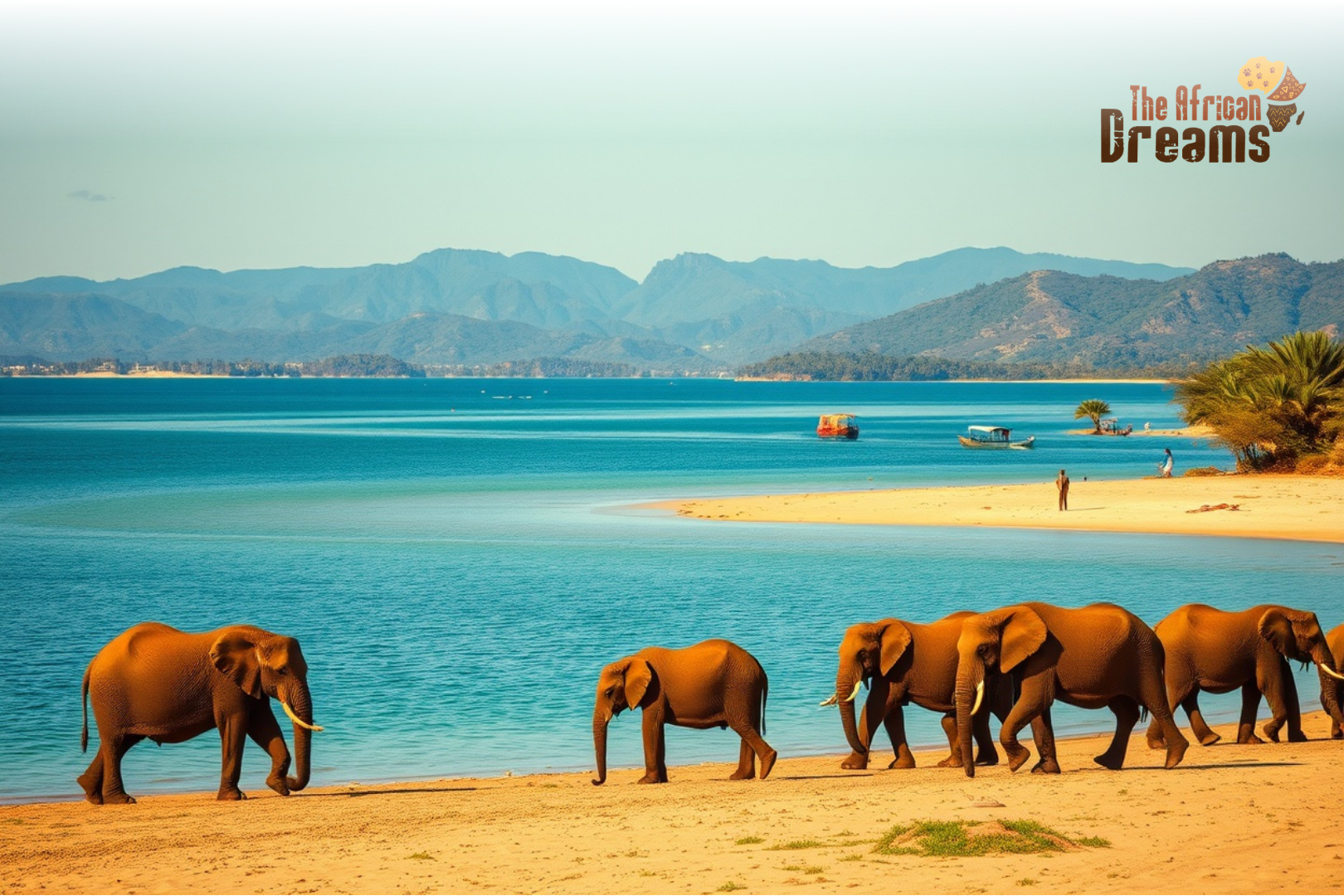
1. Elephant Translocation: Over 500 elephants were moved here from other parks in one of the world’s largest wildlife relocations, giving the park a fresh lease of life. If you are an elephant lover and wish to travel to Malawi, this is your must -go.
2. Untouched Wilderness: The park is largely undeveloped, offering a truly off-the-beaten-path experience where you can connect with nature.
3. Canoe Safaris: Paddle down the Bua River while spotting elephants, buffalo, and abundant birdlife.
Highlights
1. Guided bush walks and canoe safaris
2. Birdwatching in forested areas
3. Staying in secluded eco-lodges
5. Chongoni Rock Art Area – Ancient African Storytelling
Location: Dedza district, Central Malawi
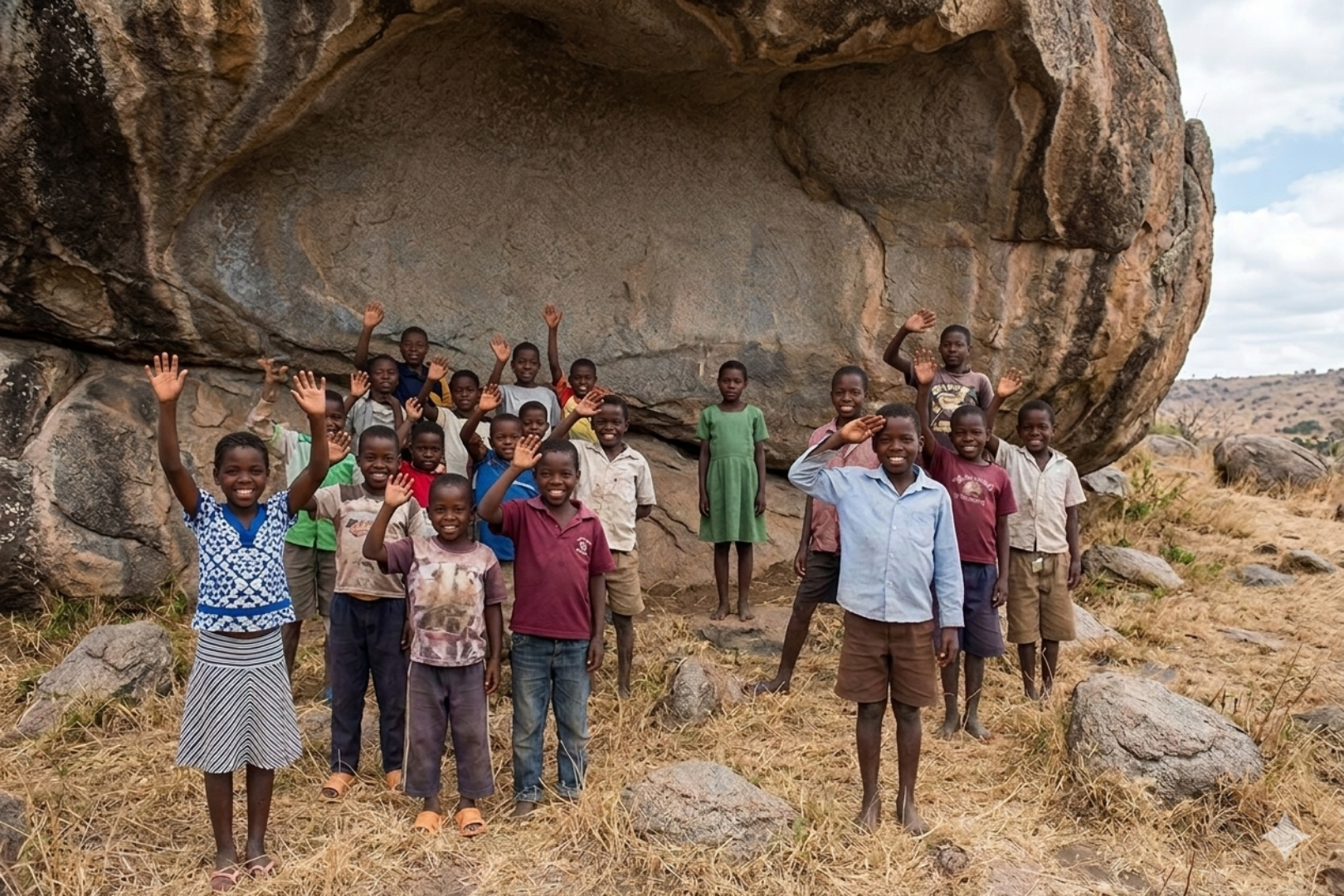
Chongoni is Africa’s richest concentration of rock art created by farmer communities. These 127 sites, etched onto granite outcrops, contain paintings that date back thousands of years and continue to be culturally significant today.
Since 2006, it has been a UNESCO World Heritage Site.
What Makes Chongoni Unique:
1. Historic Significance: The rock art gives insight into the spiritual and social lives of Malawi’s earliest inhabitants — both hunter-gatherers and Bantu-speaking communities.
2. Still Sacred Today: Many of these sites are still used for rituals by the Chewa people, particularly in initiation ceremonies and rainmaking rituals.
3. Educational Experience: Visitors can explore the meaning of the art with knowledgeable guides and learn about the symbolic language passed through generations.
Highlights:
1. Visiting protected rock shelters in the forest
2. Touring the Dedza Pottery village nearby
3. Learning about Chewa traditions and mask dances
Final Words: Malawi – A Journey Into the Heart of Africa
Malawi is not just a travel destination; it’s an artistic experience. An experience that touches your heart, challenges your perceptions, and leaves you with stories you’ll tell for a lifetime. What sets Malawi apart from other African countries isn’t just its beauty or biodiversity, but the warmth of its people. When you travel to Malawi, you will find its quiet authenticity that still lingers in every corner.
A Land of Natural Beauty
Malawi’s natural beauty is quietly majestic. If you are a wildlife lover, you have to travel to Malawi. Wildlife lovers are treated to intimate, uncrowded safaris in Majete and Nkhotakota, where the focus is as much on conservation as on awe-inspiring encounters with elephants, lions, and leopards. The air is clean, the views are unspoiled, and the wildlife is thriving thanks to decades of committed ecological stewardship.
A Place Where Culture Comes to Life
Malawi is rich in cultural heritage that is not locked away in museums but alive in the villages, festivals, and daily life of the people. The Chewa, Yao, Tumbuka, and Lomwe tribes, among others, maintain traditions passed down through generations. Whether you’re listening to Gule Wamkulu drumbeats echoing across a rural plain or visiting the sacred rock art of Chongoni, Malawi offers cultural insights that are immersive, respectful, and deeply moving.
Sustainable and Ethical Travel
What’s remarkable about Malawi is how it has embraced a model of sustainable, community-based tourism. Many of the lodges and conservation projects are locally managed or deeply integrated into surrounding communities. This means your visit directly benefits those who live there — funding schools, healthcare, reforestation efforts, and wildlife protection. It’s tourism with a conscience, where travelers and locals share the benefits of cultural exchange.
Time to Travel to Malawi: In the Best Way
Malawi isn’t just the “Warm Heart of Africa”; it is the heart of Africa. It offers what few destinations can: adventure without chaos, culture without clichés, and beauty without boundaries. Whether you’re a solo traveler seeking quiet reflection, a couple chasing rare beauty, or a family looking for meaningful experiences, Malawi invites you to dive deeper, explore further, and come home changed.
So, visit Malawi, not just to see, but to feel.
Frequently Asked Questions (FAQs)
1. Is Malawi safe for tourists?
Yes, Malawi is generally considered one of the safest countries in Africa for travelers.
2. When is the best time to visit Malawi?
The best time to visit Malawi is during the dry season, which runs from May to October. This is the ideal period for wildlife safaris, hiking, and beach activities. The wet season (November to April) brings lush landscapes and fewer crowds but may make some areas harder to access.
3. Do I need a visa to travel to Malawi?
Most travelers need a visa to enter Malawi. Citizens from some countries can get a visa on arrival, while others may need to apply in advance or online via the e-visa system. Always check with the official Malawi immigration website or your local embassy for current requirements.
4. What kind of wildlife can I see in Malawi?
In Majete and Nkhotakota Wildlife Reserves, you can see elephants, lions, buffalo, leopards, hippos, crocodiles, zebras, and antelope species. Lake Malawi offers a unique “aquarium” of tropical fish (especially cichlids), perfect for snorkeling and diving.
5. Is it possible to climb Mount Mulanje without a guide?
While it is technically possible, hiring a local guide is highly recommended for safety and navigation. The mountain terrain is rugged, trails are not always clearly marked, and the weather can change quickly. Guides also enrich your experience by sharing cultural stories and identifying flora and fauna.
6. What is special about Lake Malawi compared to other lakes in Africa?
Lake Malawi is renowned for its clarity, warm waters, and vibrant fish species. It has more species of freshwater fish than any other lake in the world, many of which are found nowhere else. It’s also one of the few African lakes where you can safely swim, snorkel, and kayak.
7. How accessible are Malawi’s national parks and reserves?
Majete and Liwonde are fairly accessible by road, especially from cities like Blantyre and Lilongwe. Nkhotakota is a bit more remote but reachable via tarred roads. Some remote areas may require a 4×4 vehicle, especially in the rainy season.
8. Are the rock art sites in Chongoni protected and safe to visit?
Yes, Chongoni Rock Art Area is a UNESCO World Heritage Site and is protected by the government. Many sites are accessible via guided tours and are considered sacred, so visitors are asked to be respectful of local customs and avoid touching the paintings.
9. Can I do a safari and beach holiday in the same trip when I travel to Malawi?
Absolutely! Malawi is one of the few countries in Africa where you can enjoy both wildlife safaris and a beach holiday within a short travel distance. You can go from Majete or Liwonde for a safari and then relax by Lake Malawi in a matter of hours.
10. What languages are spoken in Malawi?
English is the official language and is widely used in business, tourism, and education. Chichewa is the most commonly spoken local language. In more rural areas, other local languages may be used, but most guides and tourism professionals speak English.

0 Comments