
Introduction
The agricultural sector plays an important role in Egypt’s economy. It provides jobs, safety, and security for Egypt’s people. According to the World Bank’s report, 25% of the country’s GDP comes from the agriculture sector. More than 35% of the population in Egypt depends on the agri-food sector. Today, the situation is becoming harder because there are very few areas in Egypt available for it. Only 5% land is used for farming. That’s why many agriculture startups in Egypt are exploring the agricultural sector to improve farming.
Top agriculture startups like Hydrofarms, Cropsa, and Tulima Farms help grow the agriculture sector. They provide agricultural inputs and digital tools, and ensure sustainable practices are adopted in farming techniques.
With digital farming, Egypt’s agricultural sector is growing, and more investors are now getting interested in it. This blog will discuss some startups and their impact. It will also explore how digital farming can make their farming system easier.
Article Highlights
Top agriculture startups in Egypt-
Hydrofarms -Early hydroponics pioneer in Egypt
Cropsa -Integrated production platform & trading marketplace
Tulima Farms – Climate-positive, pesticide-free controlled environments
Zr3i- Satellite-based smart agriculture & insurance
Si – Ware Systems- Reduce waste and raise margins for farmers
FreshSource-Cutting food loss with a direct B2B supply chain
Mozare3 Application- Agri-fintech for smallholders (finance, inputs, markets)
Baramoda – Turning agri-waste into fertilizers
Farmtopia- Greenhouses, sustainable farming
AgriMisr & Fertilizer Governance System – Government online Farming system
Agriculture Startups in Egypt
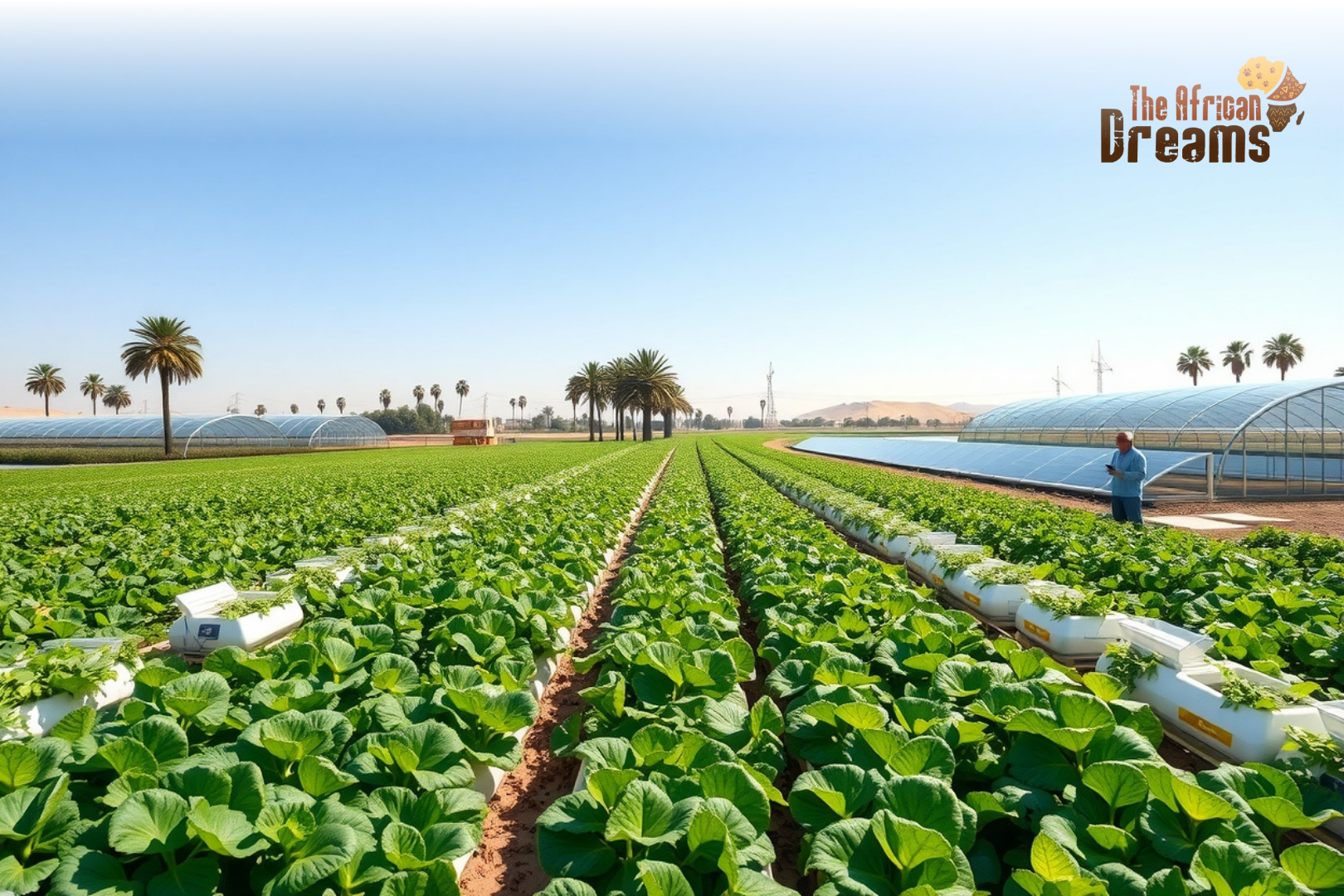
A startup company explores many advanced technologies and promotes digital ways of farming. For example, they can explore vertical or soilless farming, which is connected to digital farming. As a result, they can save 90-98% of water, as the water supply is also limited in Egypt.
They introduce Egypt’s agricultural sector with a supply chain where they can directly deliver their food from farmers. However, Egypt faces many problems, including climate change. Startups address major challenges like this when they operate businesses here.
Now, let’s talk about the top agricultural sector startups in Egypt
1. Hydrofarms -Early Hydroponics Pioneer in Egypt
It is one of the earliest businesses with hydroponic farming in Egypt, founded in 2012. The company trains farmers to improve their farming system.
Impact:
A. Hydroponic Farming: The company manages hydroponic farms. It allows crops to grow without soil and uses water pipes filled with nutrients to produce high-quality food and crops. This farming method is important for Egypt because it saves water and helps to produce healthy crops.
B. Supporting Farmers: The company provides farmers with training and management services to help them grow their business.
C. Promoting Sustainability: The company has long experience of more than 10 years in the hydroponics sector.
2. Cropsa -integrated production platform & trading marketplace
It is a B2B multivendor marketplace founded in 2023. It is enabling online trading between agricultural suppliers and buyers. They sell agricultural inputs and raw materials wholesale. This includes plants, animals, etc.
Impact:
A. Supply Chain Management: This agritech and fintech startup facilitates the buying and selling of agricultural and veterinary inputs.
B. Multi-vendor Platform: This startup company helps both buyers and suppliers. They promote an online system between agricultural suppliers and buyers, which ensures smoother payments.
C. Efficient System: The company reduces waste and production losses. It also has market transparency and smoother payments/logistics, and improves price discovery.
3. Tulima Farms – climate-positive, pesticide-free controlled environments
It is Egypt’s first climate-positive farm. Its production area is 25,000 m². In that system, Egypt grows vegetables and fruits in a different system. They also grow tunnels, growing plants in water without soil. This gives them healthy quality crops.
Impact:
A. Improved Production: There are no open fields. They grow vegetables in a special controlled system. This helps to control and produce crops better over challenges due to climate change and others.
B. Water Efficiency: Tulima Farms helps to save water as they use grow bags. The method helps reduce water usage by up to 90% less than traditional farming.
C. Promoting Sustainability: It promotes sustainable agricultural methods that are climate positive. The grow bags they use to produce crops are made of recycled plastic bottles, and farming methods like tunnel farming, vertical farming and container farming.
D. Climate Positive: The startup addresses the challenges due to climate change by adopting climate-friendly methods. They first started with the idea of monitoring the crops by automated agricultural tents. They track the growth and condition of the crops by the minute. The farm is trying to mitigate the impact on agriculture due to climate change.
4.Zr3i- satellite-based smart agriculture & insurance
It is about satellite-based crop health monitoring. It is a mobile and web-based platform and a great tool for farmers as it provides satellite-based data.
Impact:
A. Risk Reduction: It provides notifications for bad weather so they are prepared to tackle the poor weather conditions.
B. Satellite Technology: It’s called a smart farming solution that uses satellite technology in Egypt’s farming. Its main objective is to warn farmers about the weather cycles with real-time updates.
C. Insurance Policy: The company also offers a data-driven crop insurance policy that provides coverage in case of an emergency.
5. Si – Ware Systems- Reduce waste and raise margins for farmers
An Egypt-founded sensing company whose NeoSpectra handheld near-infrared (NIR). The startup used to test soil’s quality and ensure properties in the field- without sending samples to a lab.
Impact:
A. Faster Decision Making: It helps farmers to make fast decisions as they don’t have to send samples to the lab and wait for the results.
B. Reducing Waste: By assessing crops and soil early, they can also help reduce waste, which is connected to their higher profits.
C. More Profit: They provide insights, including crop and soil quality in real time, to the farmers. With affordable and accessible technologies, the startup help farmer earn more profits.
6. FreshSource-cutting food loss with a direct B2B supply chain
The startup was founded in 2018. Its goals are to improve the economic and environmental efficiency of the food supply chain in Egypt. It creates a direct bond with farmers and businesses. There are no middlemen. Farmers earn more, businesses get stable prices, and less food is wasted.
Impact:
A. Supply Chain Management: The platform manages the entire value chain, including sourcing, packaging, and delivery.
B. Reducing Waste: According to Egyptian Streets, FreshSource’s model cuts food loss by about 20% during harvest seasons.
C. Promoting Sustainability: With improved farming practices, FreshSource helps promote sustainability. The farmers plan crops as per demand and use land and soil efficiently.
D. Networking: The startup has built a network of many farmers and buyers across 11 cities, including restaurants, hotels, etc. This increases their revenue, reduces business costs, and lowers the food prices for consumers.
7. Mozare3 Application- agri-fintech for smallholders (finance, inputs, markets)
It is a leading agri-tech company in Egypt, the Middle East and Africa, founded in 2020.
Impact:
A. Financial Inclusivity: It helps farmers with their financial plans, especially farmers who are not familiar with banking systems. They provide farmers with microcredit loans and other finance products.
B. Contract Farming: It connects farmers to manufacturers and off-takers using data driven tool. It provides many supportive ideas to small farmers in Egypt.
C. More Profit: It helps farmers sell their crops at perfect prices. They also analyze climate change patterns early to boost productivity. So, it builds security and trust between growers and buyers.
8. Baramoda – Turning agri-waste into fertilizers
It is a blessing for startups in Egypt. They turn farm waste into organic fertilizer. It keeps the soil healthy and adds more water to the ground. In Egypt, there are lots of waste farms. Instead of destroying it, they use it and make organic fertilizer.
Impact:
A. Improving Soil: As they transform waste into nutrient-rich compost, the soil remains
B. Promoting Sustainability: By practicing the recycling process, they promote sustainability.
C. Market Growth: By providing organic fertilizer, the startup fills the gap in the supply of fertilizer in Egypt. It also increases the job sector in Egypt.
9.Farmtopia- greenhouses, sustainable farming
It is an agri-startup that UNDP promoted in 2025. The startup has both national and international recognition. It is an agricultural development and technology research company.
Impact:
A. Promoting Sustainability: Their work focuses on greenhouses, eco-friendly growth, and fish farming.
B. Digital farming: It develops digital farming modules which are connected to safe water and monitor the soil’s health. It reduces waste and adapts advanced technologies to fight against climate change.
10. AgriMisr & Fertilizer Governance System – Government online Farming system
It is an online farming system, created by e-finance and the Ministry of Agriculture. The startup is important for all farmers because this platform provides a fairer fertilizer system and helps small farmers get inputs very easily.
Impact:
A. Supporting Farmers: This platform aims to support 5 million farmers and help them. They provide farmers with digital IDs to secure their fertilizers and other necessary items.
B. Market Growth: It also opens space for startups to grow in a more formal market.
C. Finance: As a digital platform in Egypt, this online farming system helps small farmers get inputs very easily and distribute them through a digital governance framework.
Final Words
In Egypt, agriculture is a very important sector, but it faces many challenges such as limited water, climate change and unhealthy soils. Agriculture startups in Egypt address many of these problems. They help smallholder farmers improve their farming systems, promote sustainability, and ensure market growth.
Many agriculture startups in Egypt help farmers and shareholders directly with their business, such as Fresh Source. Some of them help save water and explore hydroponic farming, which is a blessing for Egypt’s agriculture. Some of them promote recycling. Many top agricultural startups offer digital solutions to keep soils healthy and increase crop yields. The impact of these startups is noteworthy. The agriculture sector is growing fast because of their collective efforts and government support.
Egypt’s agriculture startups sector is moving from small to larger projects. It promotes digital supply chains, mobile apps, satellite farming devices and also water-saving systems. These startups and digital systems are making farming in Egypt more eco-friendly and climate-friendly. The future for startups, therefore, is shining bright here!

0 Comments