
So what about Uganda?
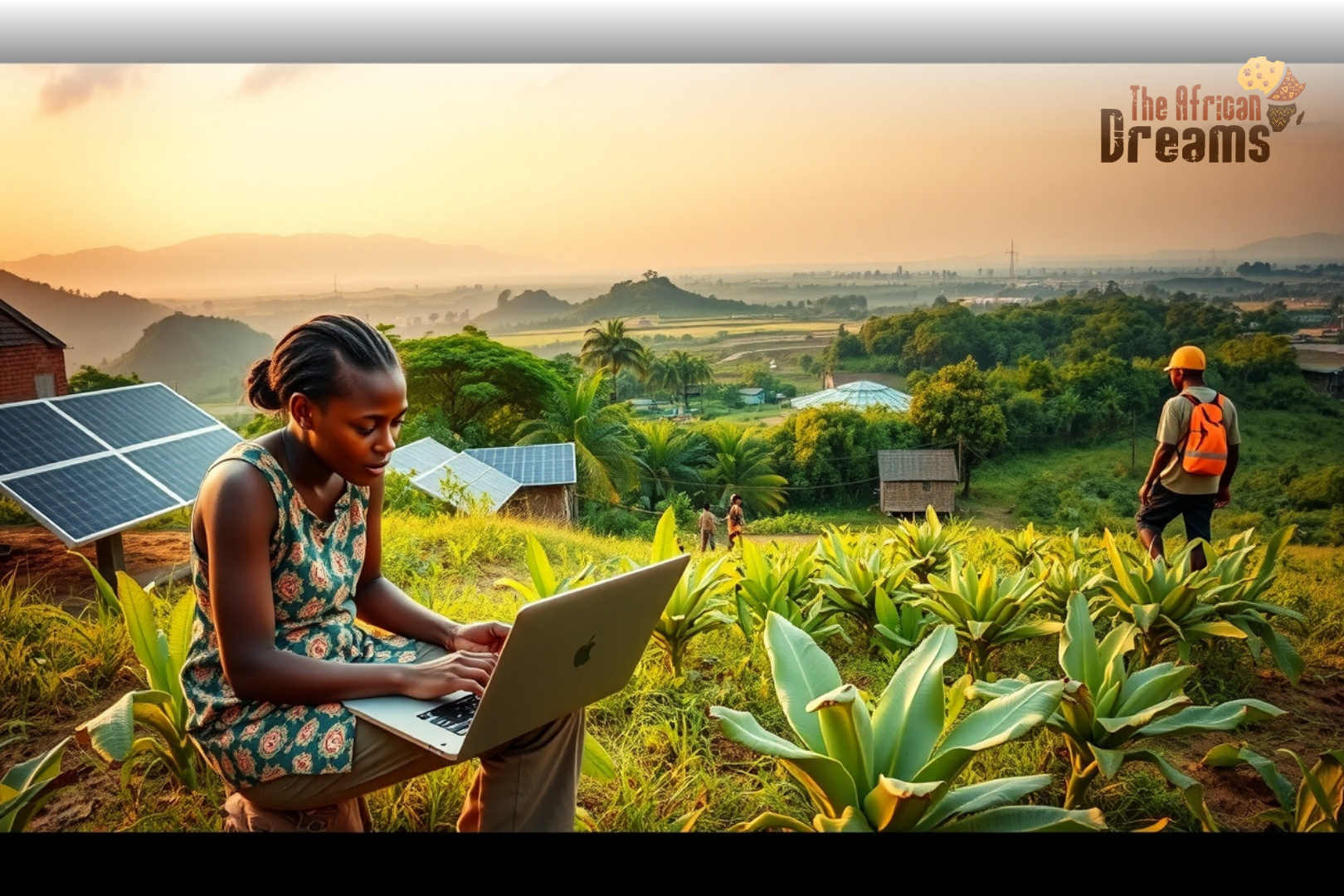
You get off the plane at Entebbe. The atmosphere is relaxed, and everything moves at its own time. However, as you approach Kampala, the atmosphere starts changing. It is more concentrated. There are young coders in communal offices, farmers selling bananas, and solar panels peacefully resting on roofs. Everybody is creating something, brick by brick. And there is a sense that the entire nation is silently building up to something greater.
Uganda isn’t standing still. It’s moving forward.
After dealing with global challenges, Uganda is picking up speed again. The World Bank says the economy might grow by over 6% this year. That’s a strong sign. It means more jobs, more money going around, and more doors opening for business. You don’t need a report to see it. You can feel it in the traffic, the markets, the startups, and the farms. Things are changing.
The government is helping, too. They’ve made tax systems easier by going digital. Roads are being fixed. Power is reaching more towns. And the real power? The people. Most Ugandans are under 30. They’re full of ideas, energy, and grit. You’ll find them everywhere on farms, in labs, running small shops, or coding the next big app.
In this article, we’ll explore five sectors in Uganda that are worth your attention:
- Technology
- Agribusiness
- Renewable Energy & Infrastructure
- Mining & Minerals
- Tourism & Hospitality
We’ll walk through what makes each one special. We’ll talk about numbers, but also about real people and real success. If you’re curious about where the next big investment story might be, Uganda has a lot to offer, and this is a good place to start.
Article Highlights
Uganda’s young population and digital reforms are fueling rapid growth in the tech, fintech, and e-commerce sectors.
Agribusiness offers strong returns with growing export demand for dairy, coffee, vanilla, and emerging crops like bamboo.
Off-grid solar, mini-grids, and infrastructure projects are expanding access to clean energy and driving rural development.
The mining sector is shifting from raw exports to local value addition in gold, tin, limestone, and rare earths.
Tourism is bouncing back with demand for eco-lodges, cultural experiences, and nature-based travel—driven by both global and local visitors.
Technology
Sarah is a university student in Kampala. She studies engineering, but outside class, she’s part of a tech club. A few months ago, she helped build an app that connects small coffee farmers in Mbale with buyers in the city. It’s a simple app. Farmers upload crop photos, buyers make offers, and both sides save time. That app now helps dozens of farmers sell faster and earn more. It’s not a big company yet, but it works. And this is just one small story among many.
Across Uganda, stories like Sarah’s are everywhere. Young people are using their skills to fix real problems. Not through huge companies or big machines but through small tools, clever ideas, and mobile phones.
Why it matters
Uganda has a young population over 75% are under 30. Many grew up with smartphones and mobile money. They learn quickly and adapt fast. The government is also supporting change. It made tax systems digital through platforms like iFRIS. It’s easier now to register a business or pay taxes online. That saves time, builds trust, and pushes more people into the formal economy.
Tech adoption is happening in every corner. Even small shops use mobile money. Farmers get real-time updates. People buy and sell online.
Key opportunities
Right now, there’s strong potential in areas like:
- Fintech: mobile payments, lending, savings apps.
- Agri-tech: crop data, farm logistics, price alerts.
- E-commerce: local delivery, online marketplaces.
- Health-tech: telemedicine, e-pharmacies.
- Software outsourcing: Uganda’s developers are gaining global attention.
Each of these fields has room to grow, especially in second-tier cities and rural areas.
Success story
SafeBoda is a local startup that began by organizing motorcycle taxis. They made an app, gave drivers helmets, and introduced cashless payments. Today, over 10,000 drivers use the platform. It’s now active in other African countries too. Investors took notice. And it all started with a small team in Kampala trying to make roads safer.
Risks
Challenges exist. Internet access is uneven outside big cities. Some digital laws are strict or unclear. And early-stage funding is still hard to find locally. But progress continues anyway. Builders build, even when conditions aren’t perfect.
Pro Tip
Work with local partners who know the ground. If you’re investing in tech, focus on simple tools that solve real problems. The market is there. The demand is growing. And Ugandan talent is ready.
Agriculture & Agribusiness
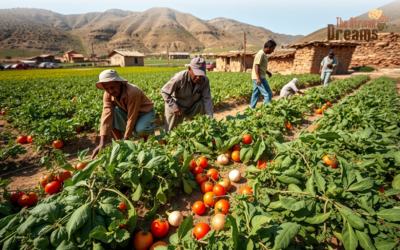
James lives in Mbale, in eastern Uganda. He grows maize and bananas. Not long ago, he had to wait days just to hear back from buyers. He didn’t know if prices were fair. And sometimes, he didn’t get paid on time.
Now things are different. He uses a mobile service that shows daily market prices. He connects with buyers directly. He even gets advice on how to store his crops better. He makes more money now, and he has more control over how he sells.
This isn’t just about James. Across Uganda, farmers are getting tools they never had before. And that’s changing how farming works.
Why it matters
Farming is still the heart of Uganda’s economy. It gives jobs to more than 70% of the people. It makes up about 24% of the total economy. And more than half of Uganda’s exports come from farming, especially crops like coffee, tea, maize, and bananas.
But it’s not just about growing food anymore. Farming is turning into a business. That means farmers are thinking about storage, packaging, and exports. Many are part of cooperatives now. Others are using better seeds and simple machines.
The government is helping, too. It supports farmers with training, better roads, and programs for selling to bigger markets.
Key opportunities
There are many ways to invest:
- Help farmers turn raw products into finished goods—like milk into yogurt or cassava into flour.
- Work with commercial farms growing rice, sunflowers, or vanilla.
- Export local crops like sesame, bananas, or coffee.
- Explore bamboo farming, which is good for the soil and has strong demand in construction and crafts.
Uganda has rich soil, good weather, and long growing seasons. That means farming here can happen all year.
Success story
Let’s look at dairy. In 2024, Uganda produced over 5.3 billion litres of milk. That milk didn’t just go to homes. It was turned into butter, yogurt, and cheese. Thanks to cooperatives and better storage, Uganda now exports dairy products worth over US $264 million a year. Companies like Jesa and Pearl Dairy are leading this change.
Risks
Of course, farming still has problems. The weather can change fast. Roads in rural areas aren’t always reliable. And many farmers don’t have insurance. These things can reduce profit and slow progress.
Pro Tip
If you want to invest here, start small and stay local. Work with farmer groups. Focus on storage or value-added processing. Support what farmers are already doing. That way, you grow with them, and the demand is already waiting.
Renewable Energy & Infrastructure
In a small village near Masaka, a group of schoolchildren studies under solar-powered lights. Their parents use the same solar system to charge phones and run water pumps for farming. Just a few years ago, this village had no electricity at all.
Now, solar panels sit on rooftops. A mini-grid nearby powers homes and small shops. Life is easier. Work is faster. And kids get more time to read at night.
This is what clean energy looks like in Uganda. Quiet, simple, and life-changing.
Why it matters
Over 70% of Ugandans still don’t have access to the national power grid. Most people in rural areas rely on candles, charcoal, or diesel. These options are costly and harmful.
Uganda needs energy to grow. Power is key for schools, hospitals, farms, and factories. And the country has the resources to do it. It gets plenty of sun. It has rivers for hydropower. And now, it’s building the roads and cables to carry energy to more places.
The government is also investing in oil pipelines and transport systems. These changes won’t just help cities, they’ll open up rural areas too.
Key opportunities
There’s a lot happening:
- Solar power plants are being built in many districts.
- Mini-grids are growing in remote areas.
- Hydropower is getting more attention, especially for smaller dams.
- Infrastructure projects like roads, railways, and oil pipelines are creating jobs and long-term income.
One example is the Xsabo Solarline Project. In 2024, it launched a 20 MW solar plant in central Uganda. More projects like this are on the way.
Industrial parks like Kabalega are also opening. They need steady power and better roads. That’s where investors come in.
Success story
Xsabo Group’s Nkonge Solarline project is a major win. It brought clean energy to thousands of people. The company now plans to expand to 150 MW across East Africa. It started small but is now one of Uganda’s biggest private energy players.
This shows how solar can work if you start with one strong project and grow from there.
Risks
Energy projects take time. Getting permits can be slow. There are still gaps in the national grid. And big projects cost a lot at the start.
But there’s help available. Banks and development groups often fund clean energy in Africa. That makes it easier to start and share the risk.
Pro Tip
If you’re thinking of investing, look at off-grid solar or mini-grids. These don’t need big networks. They serve local areas fast. You can also team up with NGOs or global funds. Uganda wants clean power, and it needs partners to build it.
Mining & Minerals
Scene-setting
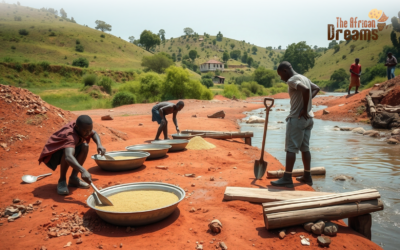
Near the western border, in a small mining site, a group of workers breaks rocks by hand. They’re looking for gold. It’s hard work. But the rewards are real. A few years ago, they were working for middlemen. Now, thanks to a local co-op and some new tools, they sell directly to licensed buyers. They earn more and keep control of what they mine.
Across Uganda, more people are digging into the ground and into new opportunities.
Why it matters
Uganda has rich natural resources. There’s gold, copper, iron ore, cobalt, limestone, and rare earth minerals. Many of these are in high demand for phones, batteries, and building materials.
For a long time, Uganda exported raw minerals. But now, the government wants to process these minerals inside the country. That means building factories, creating jobs, and making more money before the minerals even leave.
A new law supports this. It gives the government a 15% stake in all major mining projects. This helps Uganda earn more while keeping operations fair and transparent.
Key opportunities
There’s space to grow in:
- Gold refining and certified exports.
- Industrial minerals like limestone for cement and silica for glass.
- Rare earths used in phones, solar panels, and electric cars.
- Local value chains turning raw materials into finished goods.
There’s also high interest in public-private partnerships, where local and foreign investors work together.
Success story
One standout is Woodcross Resources. They opened Uganda’s first tin refining plant in 2023. Another is Sunbird Resources, which runs limestone mining and processing operations.
The two companies generated employment and contributed to the establishment of local supply chains. They demonstrate that mining can be responsible and profitable when done properly, here.
Risks
Mining is associated with problems. Environmental risks are present. Land disputes can exist. And there are still places with illegal mining. Such problems may cause a delay in the work or additional expenses.
Uganda is yet to develop tougher regulations and superior structures to govern the industry.
Pro Tip
When you are coming into this industry, you should not be a mere extractor; you should also add value. Specialize in processing, packaging or transforming raw materials into finished products. Here are the true profits. And that is what the Ugandan government is also promoting.
Tourism & Hospitality
Scene-setting
At the edge of Bwindi Forest, a group of visitors stands quietly. A local guide gives a short briefing before leading them into the thick greenery. They’re not here for photos or views. They’re here to see gorillas, up close. For the people who live nearby, this growing number of tourists has changed everything.
New lodges are opening. Small craft shops are doing better. More locals are working as guides, cooks, and staff. Tourism has turned this forest into a place of both protection and progress.
Why it matters
Tourism is one of Uganda’s biggest strengths. Before the pandemic, it made up about 7% of the economy. In 2023, local tourism grew by more than 25%. That means more people are travelling again, both from inside the country and abroad.
Uganda has a lot to offer. There are forests, rivers, wildlife, lakes, and cultural sites all in one place. Few countries have this kind of mix. People can go from jungle trekking to boat cruising in just one day.
And the jobs? They spread wide. From hotel workers and drivers to craft sellers and tour guides, many people benefit from even one tourist visit.
Key opportunities
There’s room to grow:
- Eco-lodges near parks and forests.
- Boat trips and safaris on the Nile and Lake Victoria.
- Cultural tours, art shows, and village stays.
- Nature trails, birdwatching, and mountain hiking.
- Creative spaces like art galleries and cultural centers.
The Uganda Wildlife Authority (UWA) is looking for partners to help build walkways, campsites, and guest areas inside protected parks.
Success story
Bwindi is one of Uganda’s best examples. The forest, once quiet and unknown, is now a top spot for gorilla trekking. Thanks to local guides and strong partnerships, both wildlife and communities are doing better.
Another success is the Afriart Gallery in Kampala. It started small but now brings Ugandan art to global buyers. Artists who once sold on the street are now showing their work in Europe.
Risks
There are still gaps. Some roads are rough. Tourism slows down in the rainy season. Many places don’t have trained workers. And international visitors don’t always hear about Uganda.
These issues can hold back growth, but they can also be fixed with the right support.
Pro Tip
If you’re investing in this space, focus on both local and foreign guests. Many Ugandans are now travelling inside their own country. Offer simple, safe, and meaningful stays. Train your team well. Partner with locals. This way, your business grows and so does the community around it.
Conclusion
We’ve looked at five key areas where Uganda is growing: technology, farming, energy, mining, and tourism. These sectors aren’t just numbers in reports. They’re real places, full of real people, building something better.
Uganda is young, full of energy, and full of ideas. Over 75% of its people are under 30. They are not waiting for the world to change, they’re trying to shape it. Some are coding apps. Some are farming smarter. Others are opening lodges or running small solar systems in villages.
The government is also contributing. It is promoting digital technologies, backing clean energy, enhancing roads, and making room to attract private investors. New legislation is returning more control to the local business. And locally, all across the country, you will find local solutions to real problems.
Of course, no place is perfect. Uganda has challenges. There are slow approvals, weak roads in some areas, and limited access to finance. But these are not deal-breakers. These are chances to step in and help solve real gaps while making a return.
If you’re looking to invest, Uganda gives you a fresh starting point. It’s not too crowded yet. But it’s not standing still either. The energy is rising. And if you enter now, you’re not just catching a trend, you’re helping shape it.
Start small. Work with local partners. Focus on real needs. Whether you’re backing a solar mini-grid, a dairy factory, or a hiking lodge in the hills, there’s room for you.
Uganda is open. It’s ready. And your opportunity might just be waiting here.
FAQs
- Why is Uganda a good country to invest in right now?
Uganda has one of the fastest-growing economies in Africa, a young and active population, and strong support from the government for private sector investment. - Which sector in Uganda offers the highest return on investment?
Agribusiness and technology currently offer high potential returns, especially in areas like value-added agriculture and mobile-based services. - Is it safe to invest in Uganda’s mining sector?
Yes, if done responsibly. The government has introduced new mining laws to promote transparency and encourage local processing of minerals. - What are the risks of investing in Uganda?
Common risks include regulatory delays, infrastructure gaps, and limited rural internet access. These can be reduced by working with local partners and staying updated on policy changes. - Can foreigners own land or businesses in Uganda?
Foreigners can own businesses but cannot own freehold land. However, leasehold agreements are available for long-term projects.
0 Comments