
Introduction
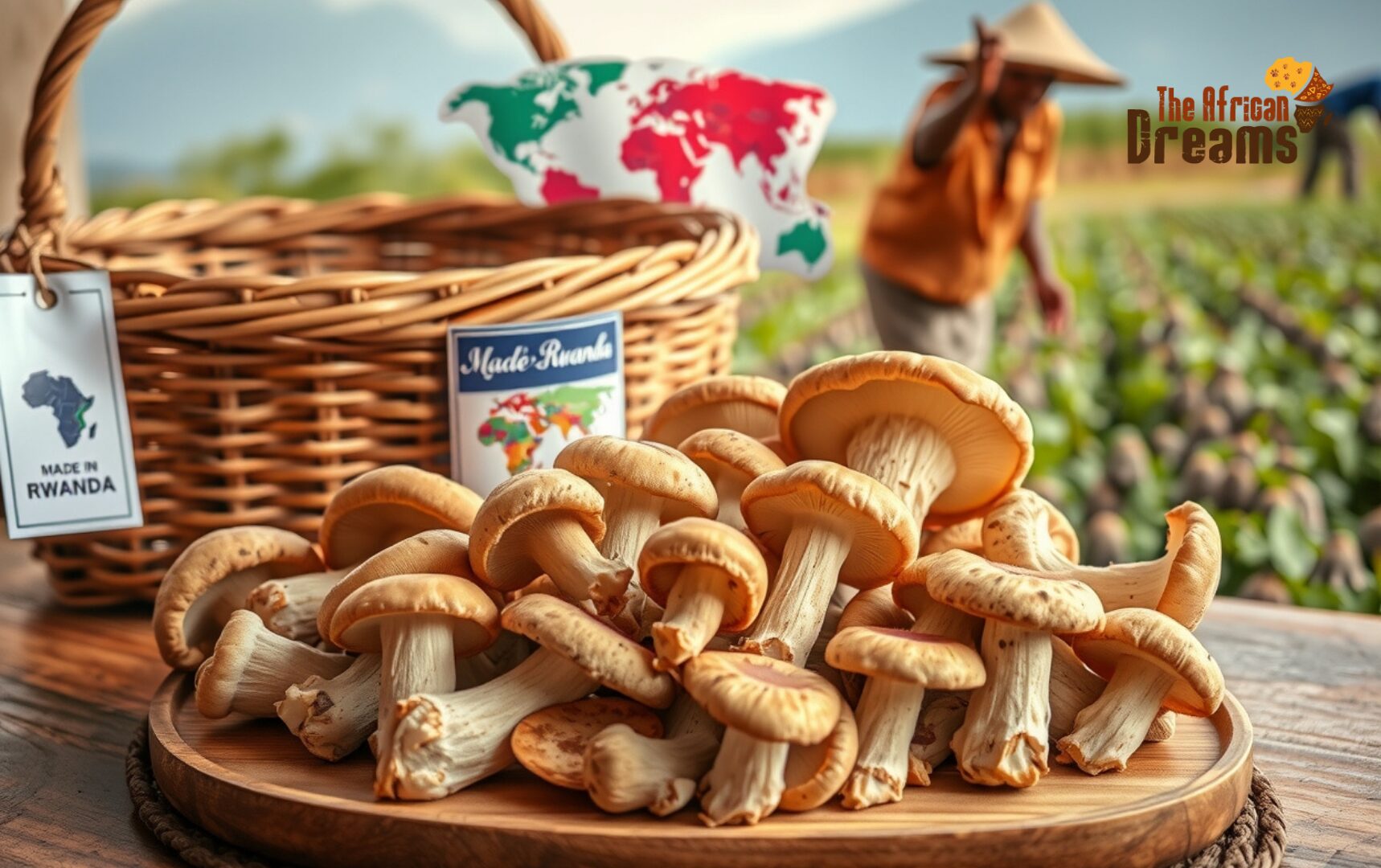
Ikigan, a 4-year-old girl, lives in Rwanda, where she enjoys eating mushrooms. Rwanda indeed has a considerable quantity of nutritious mushrooms. Despite Rwandan farmers facing minor production challenges, the demand for Rwandan mushrooms surged significantly between 2017 and 2019. This resulted in a 130% increase in exports.
In Rwanda, around 50,000 rural households are involved in mushroom farming. Among those, approximately 60 per cent of the participants are poor women and youth. Besides, the surge in demand is an excellent forecast for the future of mushroom farming in Rwanda, with farmers expecting to maintain this same growth rate. This blog will discuss the market for Rwandan mushrooms, the challenges faced by farmers, and future opportunities for investors
Rwanda's Mushroom Varieties -
The growing global interest in healthy and sustainable food options further boosts the demand for these nutritious mushrooms.
- Oyster Mushroom (Pleurotus spp.): The most popular mushroom in Rwanda is the oyster mushroom (Pleurotus spp.), which is easy to grow and rich in protein, vitamins, and minerals.
- Button Mushrooms (Agaricus bisporus): They are less commonly grown than oyster mushrooms, but they are still valued for their flexibility in cooking.
- Shiitake Mushrooms (Lentinula edodes): Beyond their taste, shiitake mushrooms (Lentinula edodes) offer therapeutic benefits. Health awareness drives its development and raising. Traditional cuisines utilize Juda’s Ear (Auricularia auricula-judae), also referred to as wood ear mushrooms, due to their texture and nutritional value.
Rwanda's Nutritional Mushroom
Mushrooms, one of the healthiest foods, improve people’s health. Europe does import mushrooms from Rwanda. The country holds enormous potential for capturing demand in high-value export markets, such as the European Union and the Middle East.
Shachiin, a European elderly man, says he only takes Rwanda’s shiitake mushrooms in his daily meal. In particular, he said that he had developed a taste for the country’s mushrooms, so he added that it had become part of his daily intake to always have mushrooms.
With the growing global interest in healthy and sustainable food, demand for these nutritious mushrooms is likely to increase, opening a more profitable niche for investors.
Mushrooms are nutritional powerhouses, rich in vitamins B2, B3, B5, and D, as well as minerals selenium, copper, and potassium. They contain bioactive chemicals and polysaccharides that enhance immunity and protect against diseases. Free radicals cause cell damage, which the antioxidants in mushrooms prevent, thereby lowering the risk of chronic diseases like cancer and heart diseases.The fiber, potassium, and vitamin C in mushrooms improve cardiovascular health. Mushrooms, low in calories and high in fiber, keep you full longer, aiding weight loss. Prebiotic mushrooms promote gut health. Mushroom beta-glucans may inhibit cancer cell proliferation. UV-treated mushrooms are rich in vitamin D1, essential for bone health and calcium absorption. These health benefits make mushrooms a must-have in your diet, keeping you informed and health-conscious.
Shachiin also discussed various ways people can consume mushrooms. Mushrooms can be used in a variety of ways. One can pair fresh mushrooms with garlic and butter to enhance the taste of steaks or burgers, or can incorporate them into different soups and stews to enhance their flavor and texture. Sliced raw mushrooms can be incorporated into green salads to add a crisp texture. Soups, sauces, and risotto utilize the reconstituted dried mushroom. It is for use as a seasoning or in mushroom-based products like instant soup mixes. Mushroom chips are also vacuum-fried or baked, making them a healthy snack option. These chips serve as a plant-based substitute for traditional jerky, crafted from marinated and dried mushrooms.
Challenges Facing Rwanda's Mushroom Industry
Rwanda is currently facing challenges in the cultivation of mushrooms. Kilihian, a farmer who had been working in the mushroom field in Rwanda, said they are facing some fundamental supplies, like expensive cottonseed hulls.
- In contrast, others, such as substrate-treatment chemicals like lime, can only be obtained at market pricing. Farmers struggle to predict their returns and prepare accordingly due to price changes in both the purchasing and selling sectors. The market for mushroom flour is small, and mushroom dryers and grinders are expensive.
- Most growers need to be made aware of proper mushroom growing, harvesting, and handling practices. Technical assistance and training need to be improved to build farmers’ abilities. Due to cultural views, some individuals dislike mushroom growing, which hampers its acceptance.
- Logistics and transport are more complicated and costly. It may be difficult to ensure uniform quality and meet international standards, especially for small-scale farmers who need help to afford quality control methods. These challenges underscore the need for support and investment in the mushroom farming sector in Rwanda.
Hopes in Farmers’ Eyes
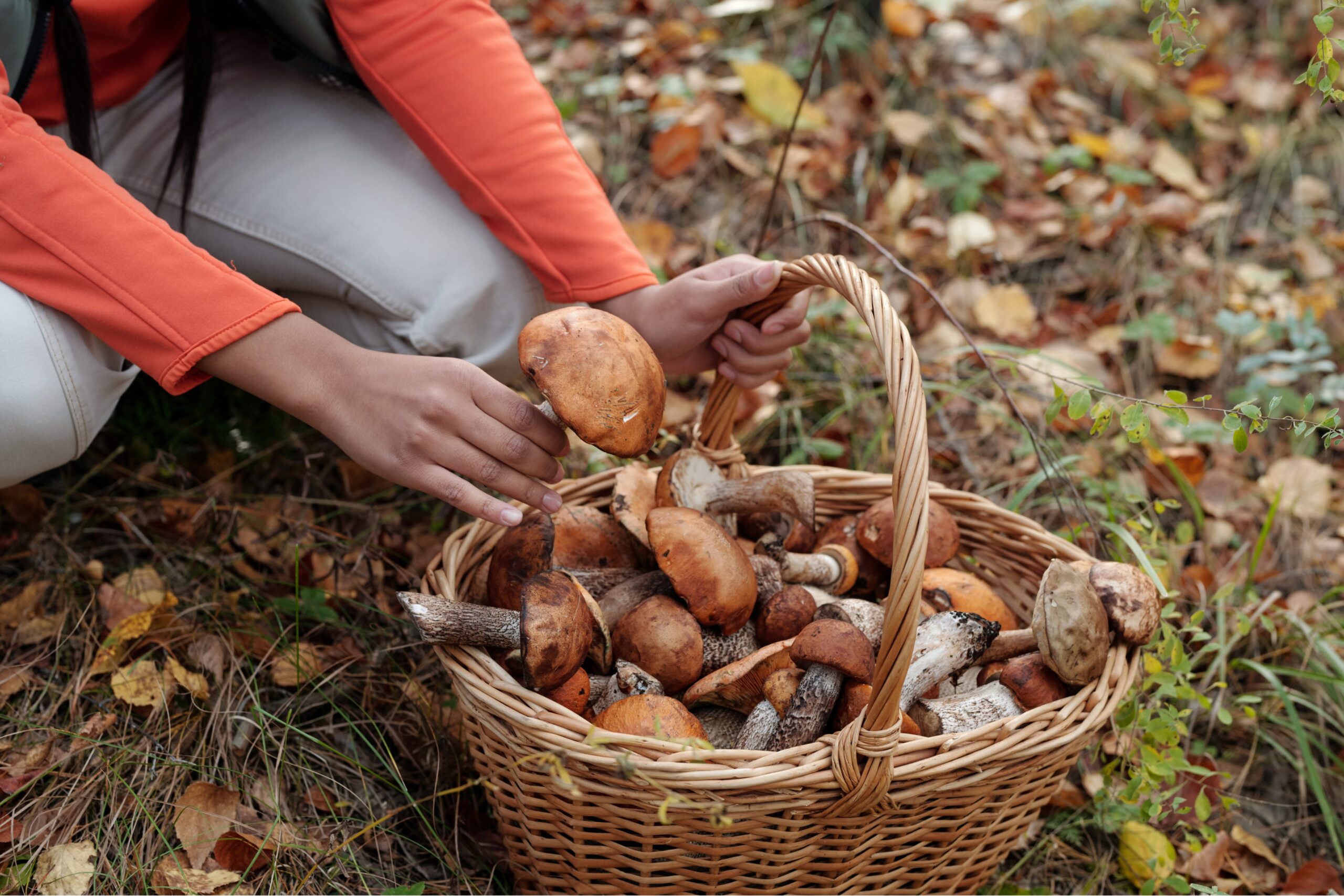
Kilihian, a farmer in the mushroom field in Rwanda, shared that more than 50,000 rural households are involved in mushroom cultivation. Despite the challenges, the demand for Rwanda’s mushrooms remains high. Kilihian believes that they can overcome these challenges by bringing more investors and organizations into the trading culture. He sees the establishment of more farms like Kigali as a solution, offering hope and optimism for the future of the mushroom industry in Rwanda.
Success Stories and Innovations in Rwandan Mushroom Farming
Kigali Farms provides free training to farmers in the mushroom huts, equipping them with the necessary tools and support for success. This benefits local agriculture, serves as an alternative to meat, and looks into food security issues. Kigali Farms has also taken mushrooms into innovative dimensions by producing spice blends and dried mushrooms, and it has even developed packaging prototypes using mycelium. The synergies have made mushroom farming a viable and profitable venture in Rwanda. This initiative is commendable, and the obstacles will diminish as the number of such organizations increases.
Additionally, new organizations can develop innovative strategies and promote their farming processes through videos, which can also demonstrate to importers the authenticity of the mushrooms. In addition, a new initiative aims to increase accessibility to mushroom dryers, grinders, and other products. Invest in research and development to create or import affordable and scalable mushroom drying and grinding technologies suitable for small-scale farmers.
Why should investors take on more new ventures
Rwanda’s mushroom market is extensive, offering excellent export potential. Rwanda can adequately meet the demand from markets with high value, such as the European Union (EU) and the Middle East. The European Market imports approximately 323,000 metric tons of mushrooms annually, valued at about $699 million. In 2019, Rwanda exported 448 metric tons of mushrooms valued at approximately US$1.68 million. In 2022, Rwanda exported processed mushrooms worth 1.4k. The key markets for the Rwandan processed mushrooms in 2022 are the Democratic Republic of Congo, Zambia, and Nigeria.
Conclusion
Rwanda has the ideal conditions for growing specialty mushrooms. The country’s moderate temperatures, often within the perfect range for mushroom cultivation, allow for year-round mushroom farming. In Rwanda, the wet seasons provide the necessary moisture for mushroom farming. Since 2006, the Embassy of China in Rwanda has trained approximately 35,000 mushroom growers and introduced new technologies, significantly increasing production. Therefore, Rwanda possesses significant potential in mushroom farming, and with increased investment and opportunities, Rwanda could emerge as the global leader in processed mushroom exports.


0 Comments