
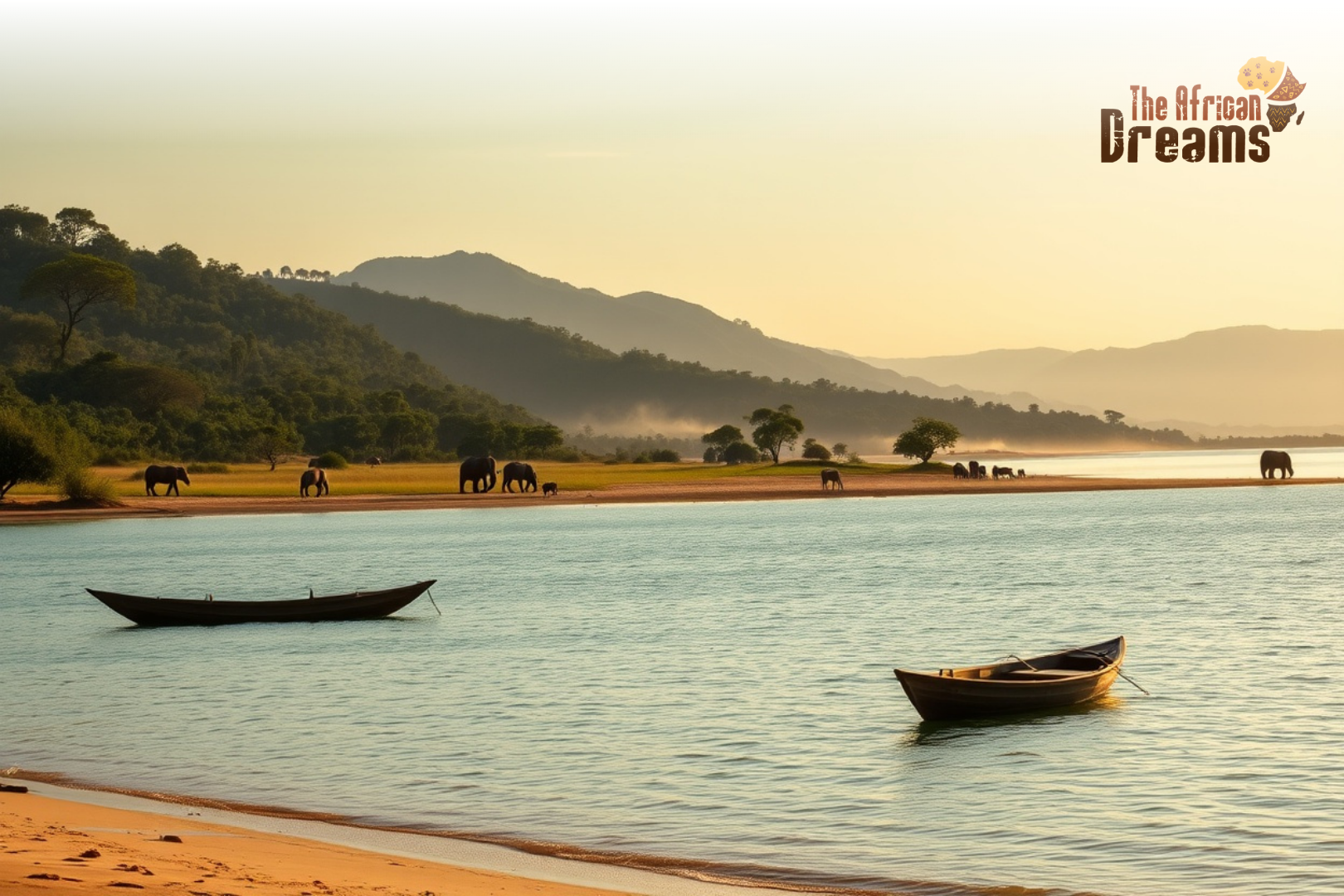
Introduction: Wondering The Best Time to Visit Malawi?
With its changing landscapes, rich wildlife, and seasonal highlights like the Lake of Stars Festival or baby crocodiles hatching. Malawi invites you to enjoy its wonders month by month. This article discusses why one should visit this country. You will also find out the best time to visit Malawi, including details of all the unique experiences it offers in each period.
Article Highlights
- Why should you visit Malawi?
- Best Time to Visit Malawi: Experiencing Malawi from
January to March
April to May
June to September
October to December
Why Should You Visit Malawi?
1. Music, Dance, and Tradition: The place has a quiet and peaceful feeling. It is a country where music, dance, and tradition create a happy feeling that lives in every group.
At its center are bright cultural festivals like the Lake of Stars Festival and the Sand Music Festival. These fun events happen on the edge of Lake Malawi. They bring locals and visitors together to enjoy dancing, art, and happy music. They help make memories that last a long time.
2. Lake Malawi: It is often called the “Lake of Stars.” It is a place you must see. It’s clean water and soft, yellow beaches stretch for many miles. You can go fishing, try kayaking, snorkeling, or scuba diving.
3. Quiet Places: There are also quiet places to relax, like Cape Maclear. Senga Bay and Likoma Island are also nice places to visit. Whether you’re looking at fish in the water or resting by the shore, the lake gives you fun, beauty, and rest all in one place.
4. Wildlife: Nature fans should visit Majete Wildlife Reserve. It was once without animals. Now it is full of life again. You can see elephants, lions, rhinos, and more. You can take guided trips by car, boat, or by walking.
5. Nature Lodges: You can stay at simple nature lodges like Mkulumadzi or Thawale Camp. For a quiet break, Mumbo Island is a great choice. There are no cars or big crowds. It is full of nature and perfect for rest.
The camp there is simple and made from natural materials. You can enjoy kayaking, snorkeling, and resting in a hammock.
6. Nyika National Park: It sits high in the hills. It has green land, flowers, and special animals. It is good for walking, biking, and taking photos.
It is one of the few places where calm and nature come together. Malawi is a rare mix of care, beauty, and fun. Wherever you go, the feeling of Malawi stays with you.
To learn more about the reasons why you should visit Malawi, you can read Top Reasons to Visit Malawi: Add Malawi to Your Bucket List
Best Time To Visit Malawi: Malawi Travel Guide
Experiencing Malawi from January to March:
Malawi wholeheartedly endorses its pretty, green season, signified by daily, sudden thunderstorms. January is the best month to experience the peak of rainfall in Malawi.
By February, the valleys explode into color as many orchids bloom, blossoming in a land that presents itself as a respectable art. It is a wonderful time to witness female herbivores caring for their newborns and for tourists seeking quiet, calm, peace, and low accommodation rates. This is indeed a good season and the best time to visit Malawi for one who is comfortable with wet conditions.
March then showers down its blessing of rainfall, which begins to slow down and fade away as the months go by. While it’s not considered top safari time, Nyika National Park in the north enjoys nicer weather than other regions. With its varied landscapes, Nyika is ideal for trekking, mountain biking, and off-road 4×4 adventures. Whether you’re a tourist or a local explorer, this off-peak window offers a rich, peaceful, and nature-filled experience of Malawi.
Experiencing Malawi from April to May:
April signifies the transition from Malawi’s rainy season to calmer, quieter, and nicer weather. As the countryside begins to dry out, the ending of the line of thunderstorms, the steadiness of the temperature, altogether make April the best time for a safari.
During this lovely time, one can experience antelopes roaming in the national parks and exciting displays of male competition during mating seasons. This is the best time to visit Malawi for nature lovers to observe and experience the nice scenery.
By May, the dry season begins. May is widely celebrated and referred to as the best time to visit Malawi. The rains fade away, disappear, destined to return again during the times of January to March; henceforth, the entire landscape is gently blanketed with rich greenery and warm morning mists that roll from highlands into the valleys and plateaus, creating a dreamy experience; a stunning scenery.
Whether one seeks special wildlife encounters or peaceful scenery, April and May offer a great mix of both. Hence, making it the top period for travellers and tourists. For locals and adventurers alive, this is an exciting time to explore the natural beauty. For them, it is also the most suitable time to visit Malawi to explore the wonders Malawi has to offer.
Experiencing Malawi from June to September:
Malawi shows a captivating experience from June to September, offering bright, sunny days and cool, breezy evenings. In June, temperatures dip in the mornings and nights; perfect for those hot summer comfortable log fires in national parks, beach resorts, and lakeside lodges. It is a glorious month for a safari expedition in Liwonde National Park, known for its lovely and striking sights of crocodiles, hippos, and elephants.
July brings calming air, clear skies, and virtually no mosquitoes. At peak safari season, wildlife expeditions and viewing are most appreciated and are absolutely remarkable, yet parks remain uncrowded, allowing for an observation without any hassle. Be sure to be ready for cold early morning game drives.
August warms up, making it the best time for various water sports, tours, and sunbathing at Lake Malawi. Wildlife gathers at water sources, with notable sightings of rare animals. By September, the heat intensifies, and the landscapes turn dry, but covered with dust, whose color can be comparable to shiny gold.
The month also hosts the lovely, cheerful, lively, and well-known Lake of Stars Festival, a consecutively three day music celebration of the Lake’s shores that attracts 4,000 visitors from across Africa, locals, and foreigners. Both parties enjoy dancing, making art, buying food, crafts, etc., during the festival. Truly, June to September is the time period of thriving and pleasing festivals and enjoyment.
Experiencing Malawi from October to December:
October is a lovely time of the year for a holiday experience in Malawi. This is one of the hottest months, but it’s the perfect time to visit one of Malawi’s rich game parks. The wildlife is plentiful during this time, as the dry weather attracts a herd of local water sources and tourists.
During the month of November, the first few thunderstorms take place, marking the start of the scorching summer season from November to April. Many bird species migrate and make their way from the north to the equator for a more flourishing climate, creating a birdwatcher’s paradise. This is also if one is planning to visit Malawi for snorkeling, since underwater visibility is crystal clear and spotless.
If you are planning to visit Malawi in December, be prepared for very hot and rainy weather. Rain becomes more frequent through Christmas, and we would advise that this is not the best time to visit Malawi. But this is the hatching season for crocodiles, and any nature enthusiast would not want to miss the opportunity to witness the rare spectacle of baby crocodiles taking their first plunges.
Final Words: Now is Your Time to Visit Malawi
Each period offers something unique and serene for travellers to explore. No matter when you visit Malawi, you’ll always find a kind welcome and memories that will last a lifetime. Hence, it’s best to plan ahead, prepare your bucket list, and add the spots you don’t want to miss today! Malawi is waiting for you to welcome.
FAQ
- When is the best time to visit Malawi?
Ans: The best time to visit Malawi is during the dry season from May to October. Wildlife viewing is excellent, the skies are clear, and outdoor activities are most enjoyable. The weather is nice, especially in June and July. It’s also the ideal time for safaris, lake adventures, and cultural festivals like the Lake of Stars. Travelers can enjoy peaceful game parks and lakeside lodges with fewer mosquitoes. Hiking, cycling, and birdwatching are also very popular during this time. - Is Malawi a good destination for safari lovers?
Ans: Yes, Malawi is a fantastic destination for safari lovers. National parks like Liwonde and Nyika offer unique wildlife experiences with fewer crowds than in larger safari countries. Game drives are available both in the morning and evening, offering different animal behaviors to observe. Conservation efforts in the parks are growing, creating safer and healthier environments for wildlife. You can also visit local communities and learn about their connection to the land. - What is Lake Malawi known for?
Ans: Lake Malawi is famous for its crystal-clear waters and vibrant underwater life. It’s home to hundreds of colorful cichlid fish found nowhere else in the world. Visitors enjoy snorkeling, kayaking, diving, and relaxing on the sandy beaches. The lake also supports fishing villages, cultural experiences, and eco-friendly lodges that offer breathtaking lake views. Island-hopping to places like Mumbo and Likoma Island adds a special twist to the journey. - Is Malawi safe for tourists?
Ans: Malawi is considered one of the safest countries in Africa for tourists. The people are warm, welcoming, and eager to help visitors. Like any destination, basic precautions are advised, especially in urban areas and at night. Most travelers experience a peaceful, friendly environment throughout their stay. It’s wise to keep valuables secure and stay informed about local guidelines. Many travelers recommend guided tours for the best local insight. Health care is available in major towns, and travel insurance is always encouraged for peace of mind. - What should I pack for a trip to Malawi?
Ans: Packing depends on the time of year you’re visiting. For the dry season, bring light clothing for the day, warm layers for cool evenings, and sun protection. In the wet season, include a rain jacket, waterproof shoes, and insect repellent. Don’t forget your camera, binoculars, and swimwear for lake or safari activities. A reusable water bottle is handy, especially during outdoor activities. Malaria tablets and basic medicines are also recommended. If you’re visiting cultural sites, modest clothing is appreciated to show respect for local customs. - Can I visit Malawi during the rainy season?
Ans: Yes, visiting during the rainy season (January to March) offers a different kind of beauty. The landscape is lush and green, and orchids bloom across the valleys. It’s a quieter time with fewer tourists and lower accommodation rates. While some areas may be hard to reach, parks like Nyika remain accessible and stunning. Birdwatchers especially enjoy this time, as migratory species flock to Malawi. The rainy season also brings baby animals and beautiful waterfalls. Travelers who don’t mind a little rain will find peaceful moments in nature. - What cultural experiences can I enjoy in Malawi?
Ans: Malawi offers rich cultural experiences, including traditional dances, local food, and artisan markets. Music festivals, like Lake of Stars, showcase both local and international talent. The warm hospitality of Malawians makes every cultural exchange meaningful and memorable. Tourists are often invited to join ceremonies and enjoy shared meals. Learning a few words in Chichewa, the local language, adds to the connection. You can also explore museums, art galleries, and heritage centers across the country. - Are there family-friendly activities in Malawi?
Ans: Absolutely, Malawi has plenty of family-friendly activities. Families can enjoy wildlife safaris, boat trips, beach fun, and hiking in scenic national parks. Educational visits to tea plantations, cultural villages, and local markets also offer fun for kids. Many lodges and resorts are well-equipped for families and provide a safe, welcoming environment. Local guides are great with children and help make the experience fun and educational.


0 Comments