
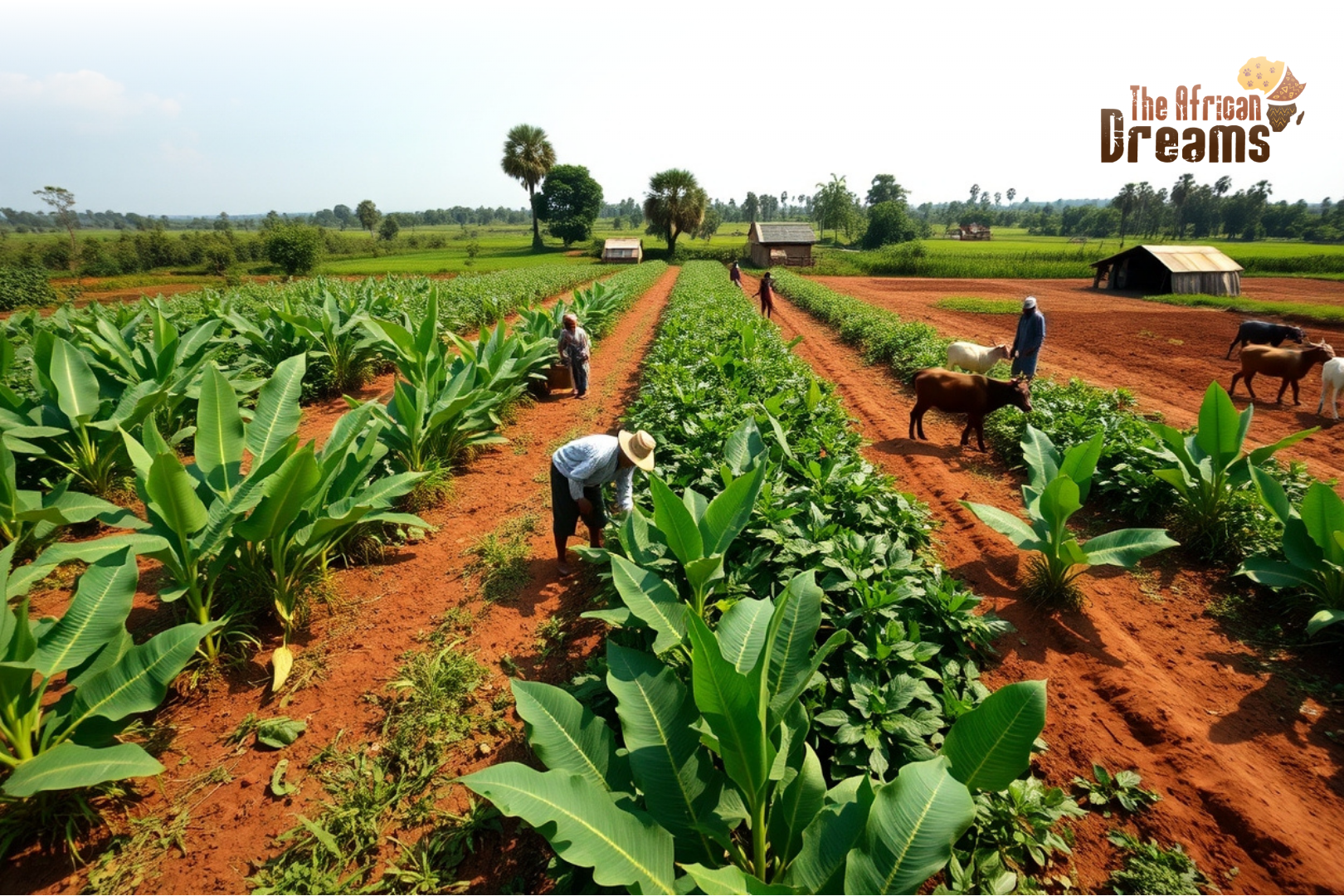
Introduction: Organic Farming in Uganda
If you’re looking to expand your business in Africa, we might have a few suggestions for you. And, given that the business is in the agricultural sector, organic farming is a go-to choice. But first, we need to know what organic farming is. To start organic farming in Uganda, investors and businesses need to thoroughly consider and discuss each step before taking it.
In this article, we will explore organic farming in Uganda. We will also discuss the most important part, setting up your organic farm.
Article Highlights
The global demand for organic food is about USD 80 billion. Uganda shares only 5% of the global market, but it ranked 2nd in the world in the number of organic farmers.
Uganda’s National Organic Agriculture Policy (NOAP), 2019, set up a sustainable framework to reach the peak of harvesting the organic products.
Organic farming in Uganda is more favorable because of adequate land and water, high potential for increasing production and productivity, and a higher export value in regional and global markets.
Starting organic farming in Uganda is a step closer to setting up a fully commercial agribusiness.
Organic Farming
Sir Albert Howard developed the concept in the early 1900s. Organic farming uses organic pesticides and biological fertilizers while reducing chemical and synthetic fertilizers. This ensures the use of natural boosters and has several ecological benefits. Though there are some setbacks, organic farming in Uganda can be a profitable approach.

Differences Between Organic and Conventional Farming
There are some differences between conventional farming and organic farming in Uganda.
While conventional farming looks for the highest crop yields by using the latest technology, organic farming does the opposite to some extent. The production isn’t as much as conventional farming, and organic products demand a greater price. The main challenge is to keep the environment protected, increase crop yields, and reduce the price while meeting climate change and an increasing population.
Starting Your Organic Farm in Uganda
Before investors or businesspeople jump into the business, they need to know the feasibility of an organic farm, the amount to invest, and other relevant data.
Uganda has the potential to put over 500,000 hectares of land under Organic Agriculture and certify over 500,000 farmers. If the sub sector is better regulated, the volume of organic produce will increase from m the current 115,062 Mt to 210,000 Mt.
With this much potential ahead, let’s explore the steps to set up a farm in Uganda.
1. The plan: Reaching any goal or target needs a specific plan. This is crucial and needs to be executed well. Otherwise, there will be a total imbalance in the framework. Starting your farm in Uganda will require a perfect plan.
The very first thing will be to know what you’re going to do. Assuming you know the agribusiness and the connected sectors, you will need to focus on the overall knowledge that you need to start a farm in Uganda.
The plan includes choosing the right location, assessing the soil quality and climate conditions, selecting the crops, and the budget comes in last. Every step of planning is important because you need to know the pros and cons before pouring your money into something.
2. Choosing the right location: Selecting a location is, I would say, quite easy in Uganda. It has vast arable land, and most of the employed population is connected with agriculture. Uganda’s land is fertile and has enough water resources, though it is a landlocked country. Based on what crops and products you will grow in your farm, the locations may vary.
The suggestion for you will be to choose a place close to urban areas where transportation is easier. Uganda still has a major portion of it underdeveloped, and the country lacks decent transportation.
You want to reduce the production cost and stay close to a township. There should be a few possible locations shortlisted based on the crops you’ll produce. As different crops require different amounts of water, soil, care, etc., these factors should be considered when selecting land.
The northern region is good for drought-tolerant crops like cotton, cassava, millet, etc., while the central region is known to have fertile lands suitable for banana, coffee, and tea. Depending on the type of land and location, choose the crops accordingly.
3. Explore the opportunities: The approach should be dynamic, where mixed farming is possible. For example, crops and livestock can be produced together to maintain the highest efficient use of resources. The first phase also includes choosing the right place or targeted consumers/customers. Considering the farm to produce commercialized products, the targeted customers will be export-oriented.
4. Setting up the farm: After you have finished planning the farm and fixed a budget, the next step is to set up the farm. As you’re done with selecting the location and the products that you’re going to grow, now is the best time to move on and set everything up.
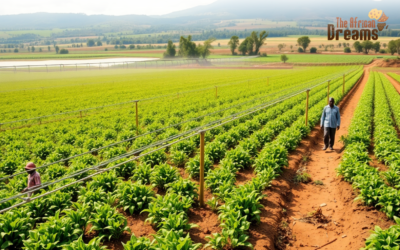
You can start by following the others. The size of certified farms ranges between 0.5 ha and 4 ha in Uganda. Assuming you are going large-scale, you can add more land as you wish to set up your farm. This stage will be followed by preparing the land, sourcing the seeds, livestock, irrigation, and water management.
Government Regulations and Certification
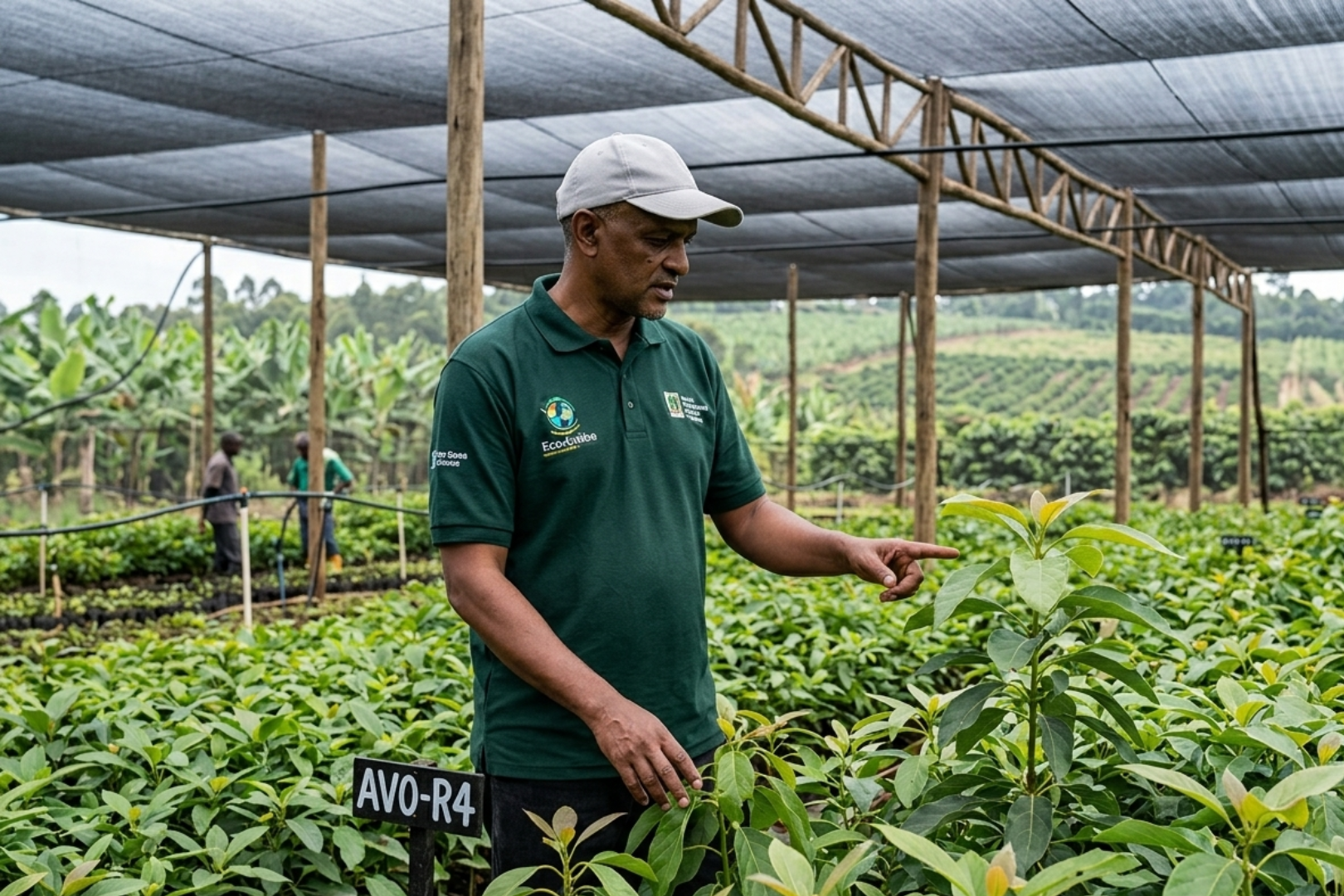
The government of Uganda is very helpful with the organic agriculture system. The National Organic Agriculture Policy (NOAP), 2019, was adopted by the Government of the Republic of Uganda through the Ministry of Agriculture, Animal Industries and Fisheries (MAAIF).
Following the policy, Uganda also has a vast legal framework to support business and organic farming. Therefore, this step will be an easy one to complete.
Export Opportunities in Organic Farming in Uganda
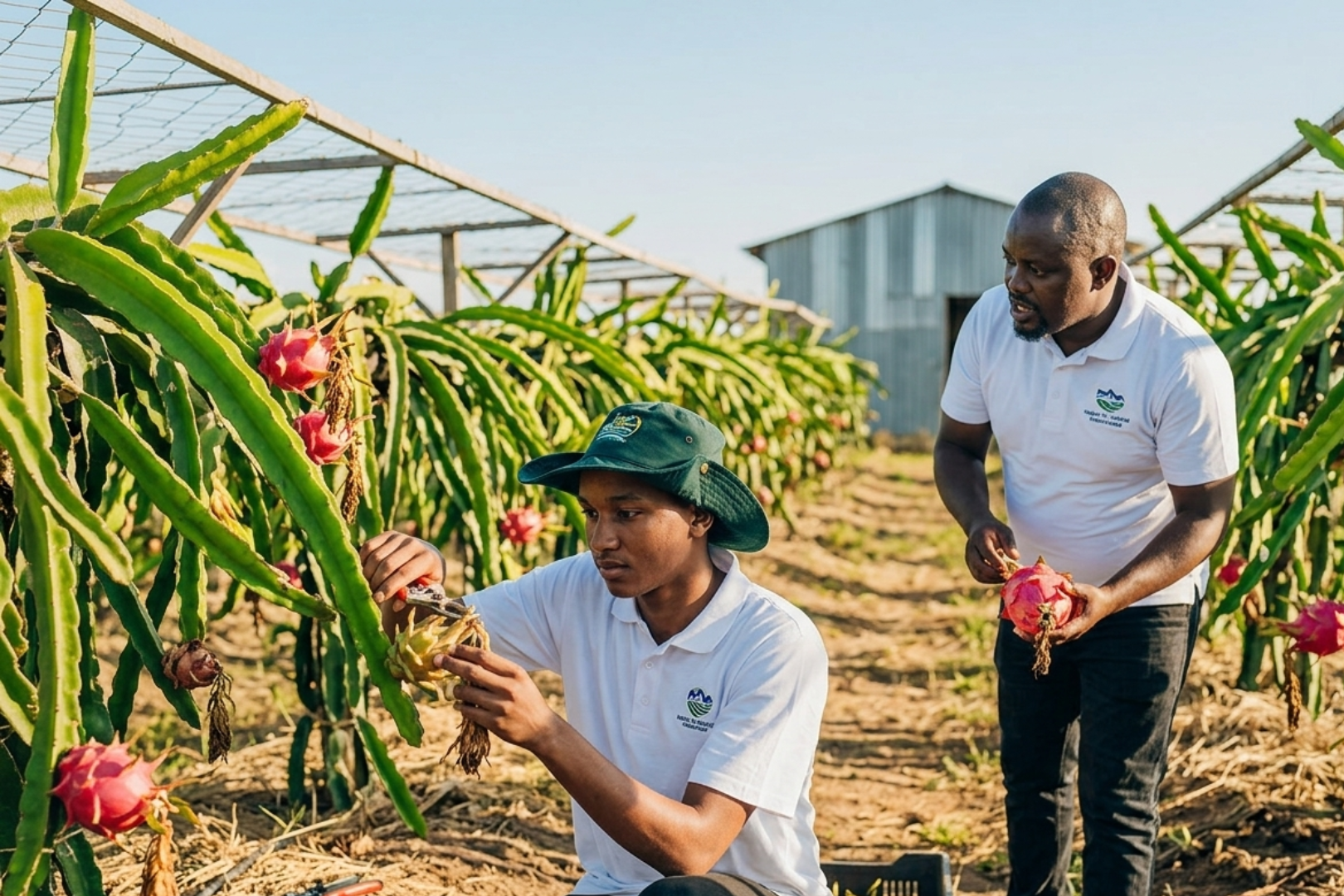
The global demand for organic products is very high. If the products are decent enough to attract the eyes of global importers, your crops will see the light of big markets like Europe and the USA. But the product needs to be marketed by developing a marketing strategy. Local and international networks will be sufficient to promote your products. Moreover, the government is ready to back your farm.
Challenges & Solutions
There are many challenges in organic farming in Uganda, most of them are
- Policy gaps,
- Lack of production support,
- Limited promotion and awareness,
- Fragmented and inadequate research and development, extension, and
- Capacity inadequacies and
- Poor market systems.
- Sourcing the seeds is another big obstacle, as 95% of the country’s seed needs are met through the informal sector managed by smallholder farmers.
These findings are from the government-launched policy itself.
However, successful farmers like Farid Karama, the founder of Sulma Foods, can be the inspiration to start. After setting up his initiative in 2001, he now owns a massive 20-acre farm where about 15 certified farmers work. Located in Lwogi on the dusty Kasana-Kikyusa Road in Luweero District, his farm exports its products to committed buyers in the Middle East and Japan.
Why Organic Farming in Uganda is Sustainable
The global demand for organic food is about USD 80 billion. This is increasing rapidly because of consumer consciousness and health-associated issues. Uganda shares only 5% of the global market, but it ranked 2nd in the world in the number of organic farmers.
According to a report from MoFPED, organic Agriculture contributes approximately USD 50M, which is 17% of the value of agricultural exports, which stood at USD 291.2M per annum.
So, the market is open for Uganda to set up dominance. Only the obstacles need to be crossed. Not only are the farmers, but also the government is pushing the limits.
The National Organic Agriculture Policy (NOAP) is set to enhance research, technology development, and dissemination to support advanced organic agriculture. Besides, the initiative also includes promoting organic agriculture education and training, proper support, post-harvesting handling, storage, and value addition.
Legal Frameworks Promoting Organic Farming in Uganda
There are a number of legal frameworks that protect and promote the development of Organic Agriculture in Uganda. They are:
- Control of Agricultural Chemicals Act 2006
- Forestry and Tree Planting Act 2003
- National Agriculture Research Act 2005
- National Environment Act 2019
- Uganda National Bureau of Standards Act 1983
With this much government backing and opportunity to grow as an export-oriented business owner, it is easy and profitable at the same time to set up your next organic farm in Uganda.
Final Words: Time to Start an Organic Farming in Uganda
Organic farming in Uganda is a great investment opportunity for investors and businesses. With proper planning and strategy, businesses will continue to grow here. By understanding the capacity and potential, and considering the pros and cons, this is a great choice for beginners as well.
Organic farming in Uganda is not just another business venture that will disappear over time. That’s why it’s important to keep your eyes open for the opportunities offered. Start on a small scale, and you’ll turn it into a large-scale business in no time. While the Government of Uganda is looking to establish Vision 2040, your business can be a roller coaster for the country.
To learn more about why Uganda is considered a land of potential, you can read Uganda’s Agriculture & its Opportunities.
0 Comments