
Introduction: Discover Community-based Agriculture in Uganda
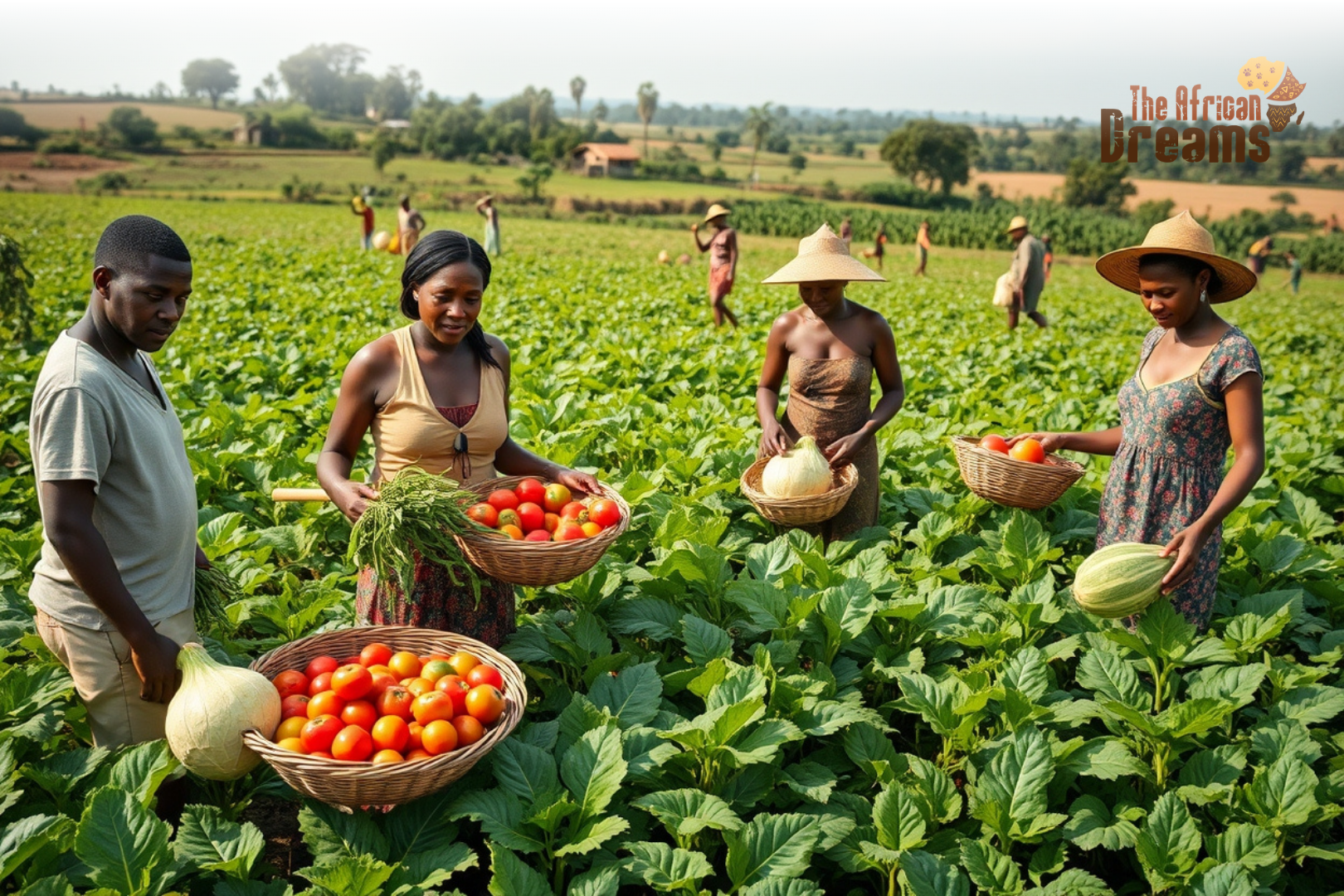
Small-scale farmers in rural Uganda are an important part of the agricultural sector. These farmers frequently face challenges like limited resources, restricted market access, and lower agricultural yields. However, a new approach to agriculture is taking shape, one that uses the community’s collective power. Community-based agriculture in Uganda brings local farmers together to exchange information, resources, and best practices. This results in increased production, higher earnings, and more sustainable livelihoods.
Today, community-based agriculture in Uganda has gained traction due to increasing demand for safe and environmentally friendly food. Research indicates that organic contract farming schemes can positively impact rural communities by increasing farm labor demand, primarily through higher prices and product quality rather than more labor-intensive practices. These schemes have also been found to improve food security for participating households by enhancing their capacity to access food through increased revenues.
To understand the local context, this blog will discuss community-based agriculture in Uganda, including its history, the culture farmers maintain, and the socio-economic and socio-political situation the country is going through.
Article Highlights
Community-based agriculture (CBA) is a new approach to agriculture in rural Uganda, focusing on local food systems and sustainability.
Community-based agriculture in Uganda offers benefits for both farmers and consumers, including increased production, higher earnings, and more sustainable livelihoods.
The concept includes models like CSA, urban agriculture, and food cooperatives.
CBA has gained traction due to increasing demand for safe and environmentally friendly food.
Overview of Community-based Agriculture in Uganda
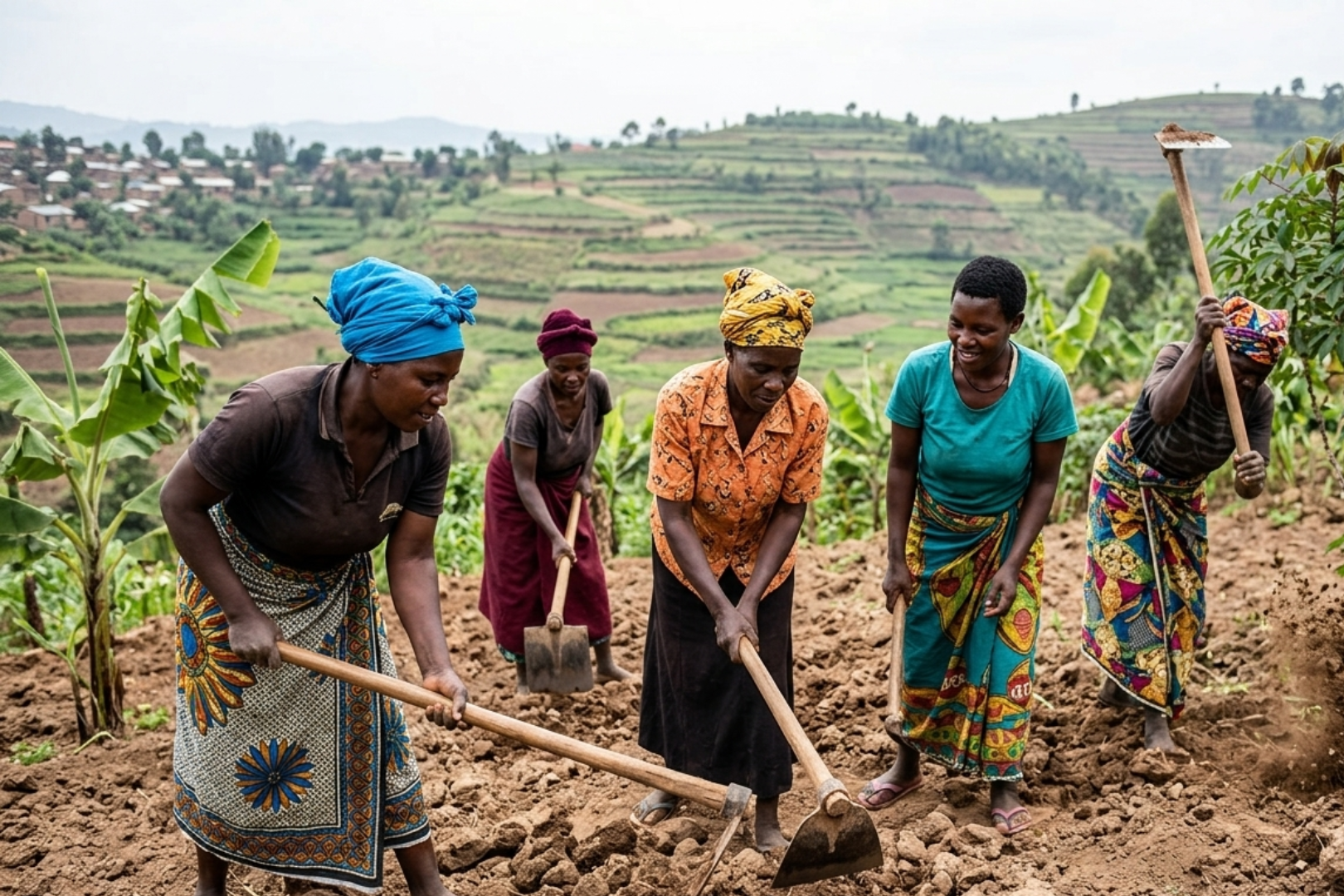
Community-based agriculture (CBA) is a broad term that deals with various practices involving a community participation approach in producing crops. It mainly focuses on the local food systems and sustainability, and it empowers the community. Some models help to increase the understanding of CBA and increase efficiency. It includes various models like CSA, urban agriculture, food cooperatives, etc.
Being part of community farming has advantages for both the farmer and the consumer. For the small farmers in Uganda, it is advantageous as they can sell food even during the off-season. They also get an assurance of timely payment without the hassle of worrying about sales.
And, as the name suggests, these farming communities allow farmers to connect deeply with everyone involved, really letting them know who wants their food, what they want, and how they want it. Farmers can finally learn to adjust their offerings to their customers’ desires and create a more successful, responsive business.
Transformation of Ugandan Farming: From Subsistence to Commercialization
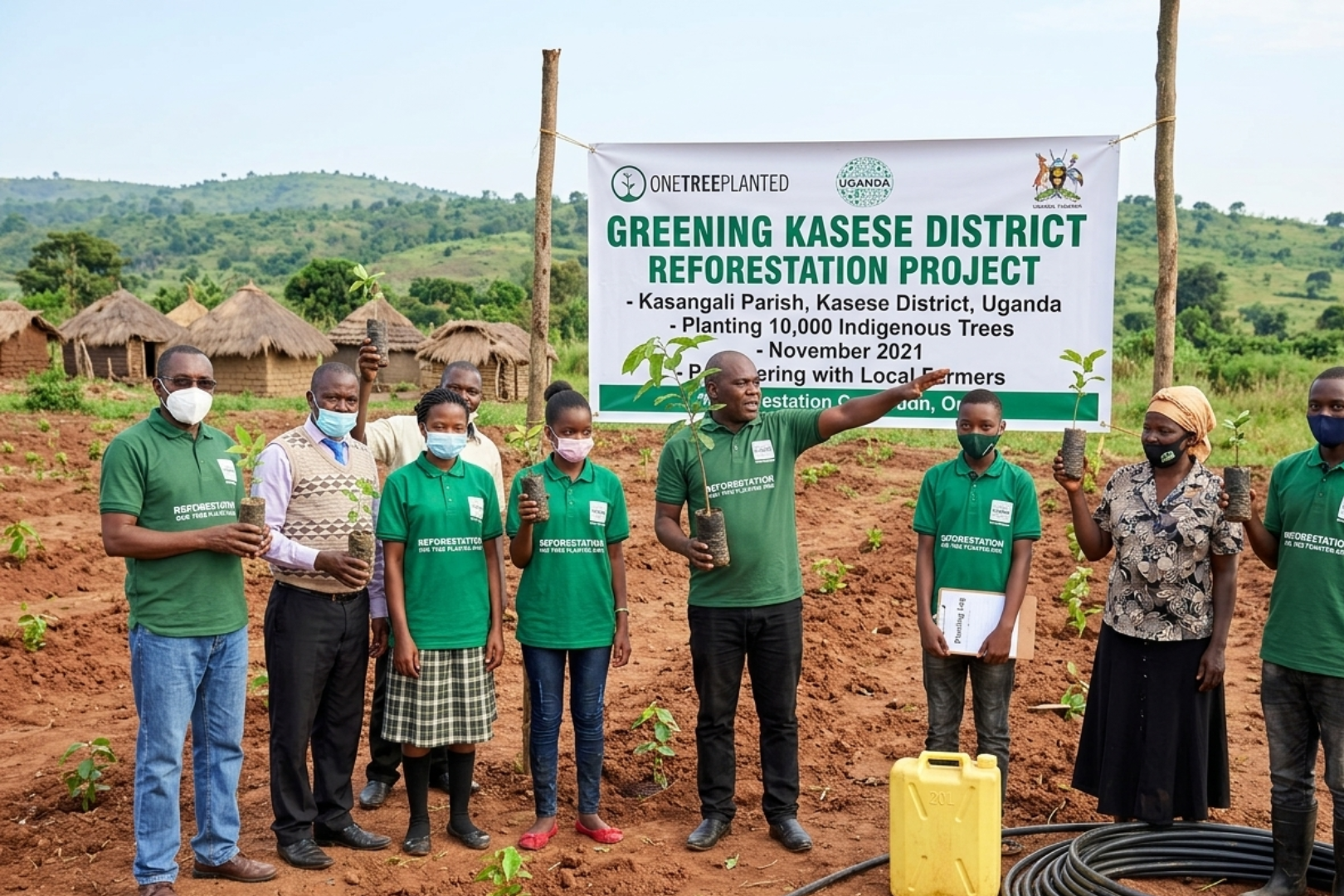
A large section of Ugandan farmers is conservative and subsistent in their way of farming. In 1996, 25 percent of all Ugandan farmers consumed all they produced. Another 70 percent sold less than 20 percent of their output, leaving only 5 percent who sold 20 percent or more of their production.
The average income in Uganda for non-farm households is 70 percent higher than for farm families. The level of external input use in Uganda is also low, with the hand hoe and machete still the predominant technologies. They produce mainly for their family and household consumption.
USAID in Uganda: USAID ran an extensive number of programs in Uganda to increase the efficiency of farmers, and they were quite successful. This project was keen to affect enough people to create a rural income multiplier effect, which will
- Increase their purchasing power enough to increase the demand for local foods and services.
- Improve quality and productivity to meet consumer demand, ensuring that producers have access to necessary inputs and technology to satisfy buyers, traders, processors, and exporters throughout the supply chain.
- Collaborate with local buyers, research institutions, financial providers, and farmer entrepreneurs to improve soil fertility and human capacity on farms.
The program mainly aimed at transforming agriculture from low-input/low-output subsistence farming to commercially competitive agriculture.
Among its various activities, the program extended its extension services to maize farmers in Masindi District. Compared to non-APEP counterparts, the APEP farmers dedicated an average of 2 hectares of land. That allowed them to have greater potential production.
APEP farmers had a much higher maize crop of 3.0 tons per hectare than non-APEP farmers. This indicates a significant increase in crop yield. APEP farmers had a $150.00 higher average gross margin, indicating increased profitability from maize production.
Challenges in Community-Based Agriculture in Uganda
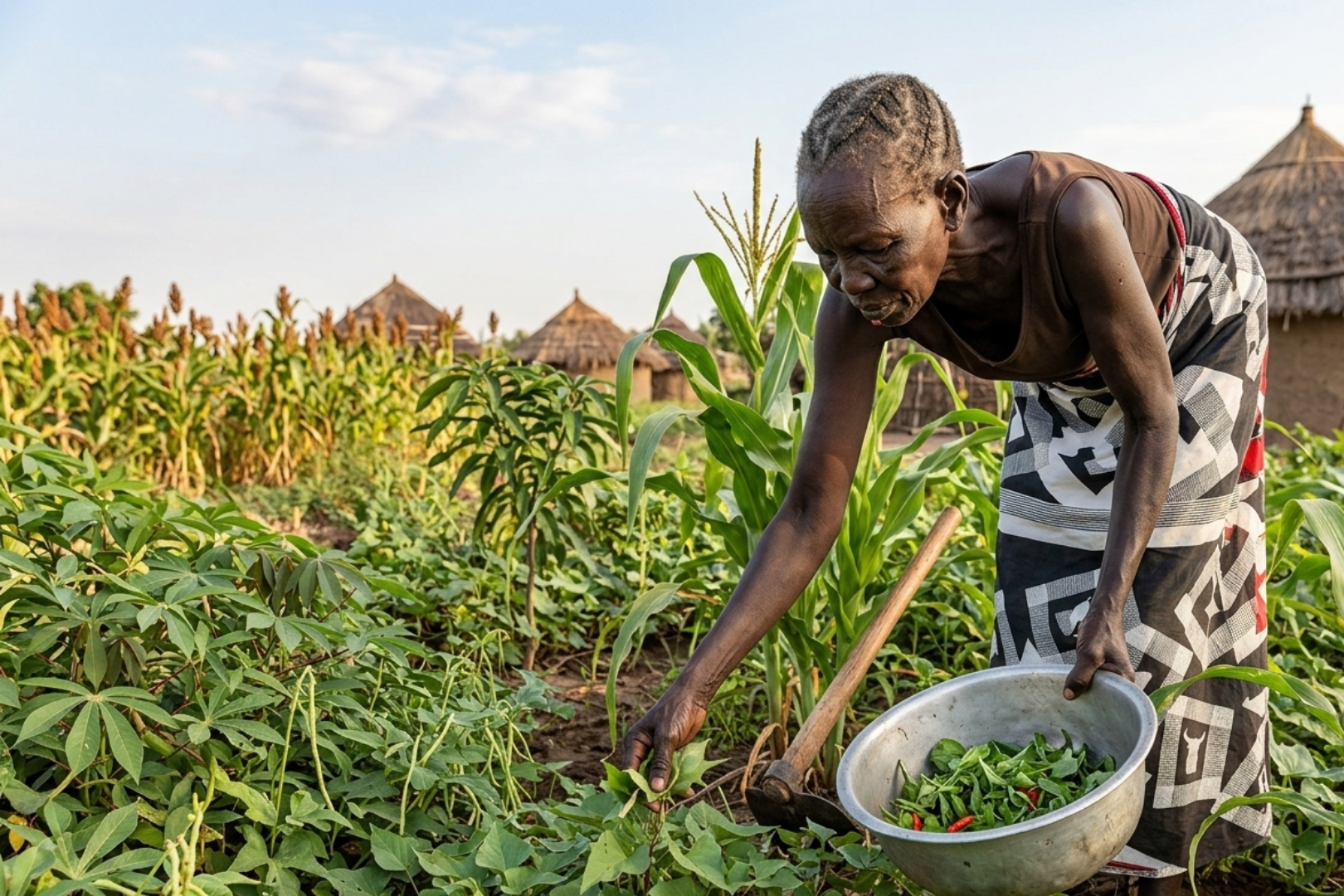
Community-Based Agriculture in Uganda faces many challenges, such as
1. Climate change
2. Land degradation
3. Limited access to the market, etc.
These situations make it worthwhile and in great need of community-based agriculture in Uganda.
Agri Nexus: Community-Based Agriculture in Uganda
Uganda-based organization Agri Nexus took an initiative of community-based farming by making fresh and natural produce accessible to both local and international consumers, and to increase people’s awareness. Their way of working gives an insight into ideal community-based farming. They talked about both the clients and the farmers, and took different approaches to both of them.
Approach towards clients
- Attaining a quality-assured and selected farmer base of products.
- Enjoying Ultra-fresh produce containing all the natural flavor and vitamin benefits.
- Developing a relationship with AgriNexus while providing their support to the local farmers as part of their social responsibility.
- Receiving quality assurance that would guarantee value, volume, and consistency.
- Getting exposure to new produce directly from the fertile lands of Uganda.
Approach towards farmers
- Marketing their produce at the beginning of the year, before their 16-hour/day work would start in the field.
- Receiving their payments early in the season means a farm’s consistent cash flow.
- Allowing them to expose themselves to a larger client base, consisting of both local and international consumers, which brings more sales for them.
Walter's Journey: From Small-Scale Farming to Community Impact
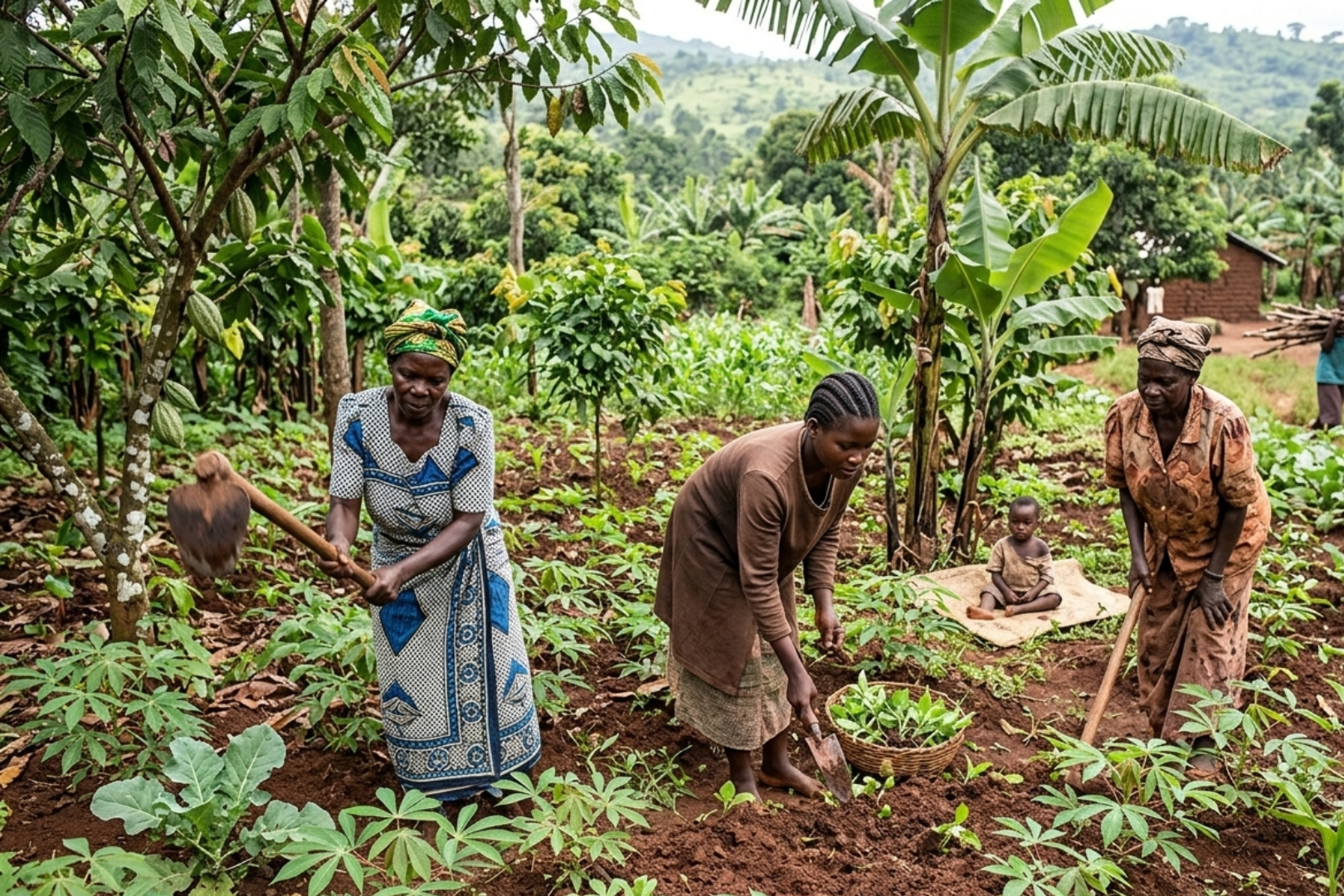
For Walter, farming was a lifeline. His property was small, but it allowed him to provide for his family. Walter farmed tomatoes and cabbage to support his wife and two children. With a growing family, he wanted to expand into commercial gardening but lacked the necessary expertise.
Walter elected to participate in GOAL’s Young Africa Works Markets for Youth program through Nile Forestry Agro, an implementing partner. Walter and his other trainees learned how to grow watermelon for commercial purposes. Walter also received subsidized watermelon and tomato seeds to help him get started with his new enterprise.
Their first sale earned them €80 (about 300,000 Ugandan Shillings – USh) for watermelons and €130 (approximately 500,000 USh) for tomatoes. Walter utilized his part to establish his own farm and purchase seedlings.
While helping his family, Walter’s farm also allows him to give back to the community. With many people in the community unable to afford a healthy diet, Walter is providing locals with nutritious watermelons. Walter says
“I understand that health is more important than anything. I give people coming from the doctor the watermelons they need, and they can pay back later. Sometimes they are really poor, and I give them watermelons for free as a way of giving back to the community,”
Final Words: Community-based Agriculture in Uganda
Community-based agriculture in Uganda is of significant importance to the country’s agricultural sector. The more strategic and developed initiatives are taken, the better it would be to achieve the desired yields. Collaboration between local farmers, investors, and businesses is also necessary.
By investing in community-based agriculture in Uganda, investors can help transform the lives of Ugandan farmers and their families. Imagine the impact of empowering these hardworking individuals with the tools and support they need to thrive. Together, Uganda can build a more resilient and equitable food system that benefits everyone.
To learn more about the agricultural opportunities in Uganda and why it is considered a land of potential, you can read Uganda’s Agriculture & its Opportunities.





0 Comments