
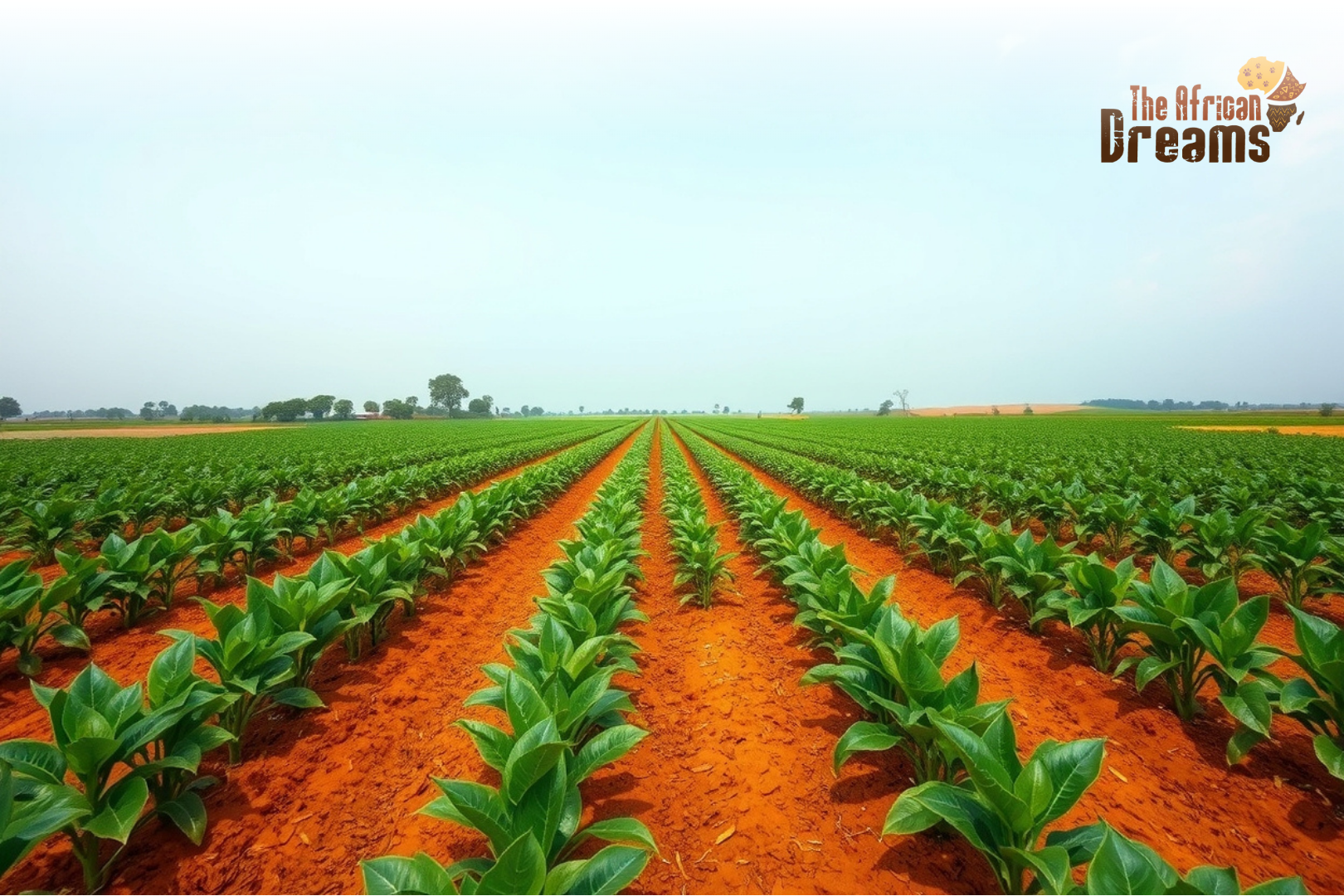
Soybean farming in Nigeria has become a lucrative venture, drawing interest from investors and farmers alike. With its multiple uses in industries ranging from food processing to animal feed, soybeans have cemented their importance in agriculture. This guide provides a comprehensive overview of the processes involved in starting and managing a soybean farm in Nigeria, highlighting opportunities and challenges within the sector.
Upon reading this article, you will be able to
- Learn about the high demand and market opportunities for soybeans in Nigeria, including local and export markets.
- Discover best practices for land selection, soil preparation, and high-yield soybean varieties.
- Understand effective cultivation techniques, including planting, fertilization, and irrigation strategies.
- Explore integrated pest and disease management methods to protect soybean crops.
- Get insights into post-harvest handling, storage, and value addition for increased profitability.
Understanding the Soybean Market in Nigeria
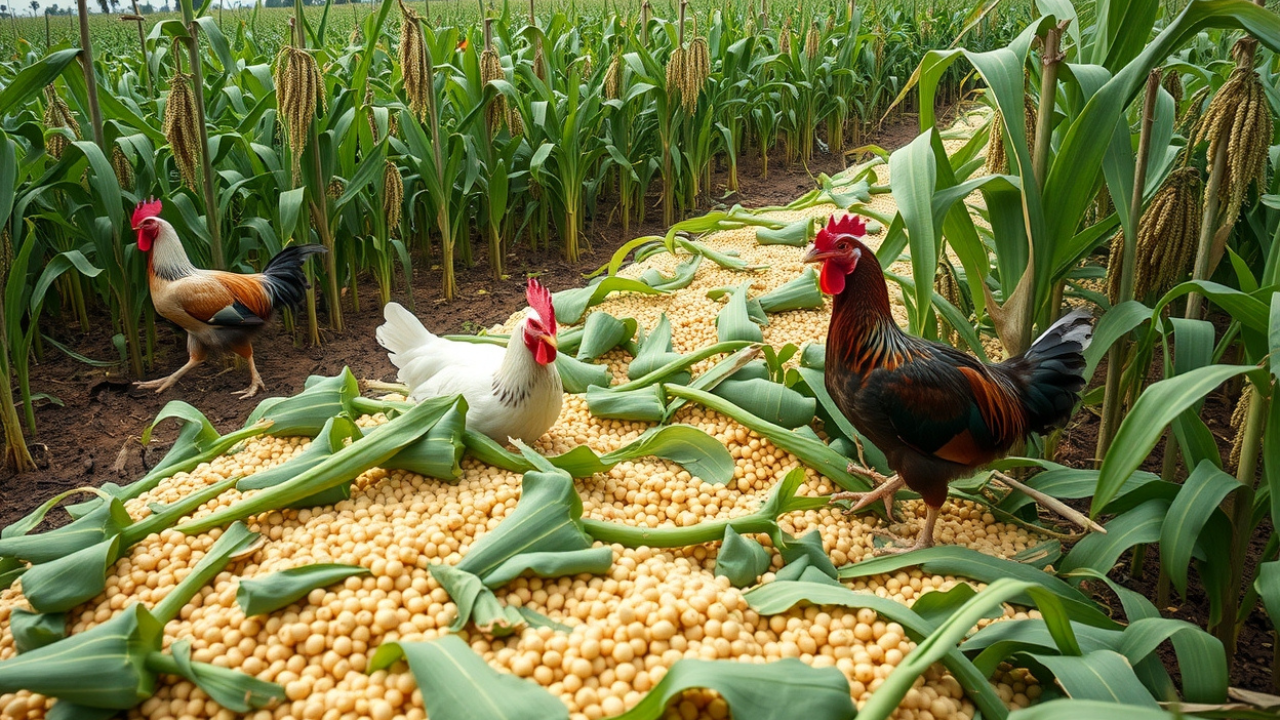
Nigeria is one of Africa’s largest producers of soybeans, with annual production exceeding 750,000 metric tons, according to the International Institute of Tropical Agriculture (IITA). Despite this, local demand far outpaces supply, driven by industries such as poultry feed production, soybean oil processing, and export demands.
Key Consumers
- Poultry Feed Manufacturers: Soybean meal is a critical protein source for poultry feed production.
- Vegetable Oil Producers: Soybeans are refined into cooking oil for domestic and industrial use.
- Food Companies: Soy is processed into soy milk, tofu, and flour, catering to local and international markets.
Market Dynamics
Rising demand is due to the growing population and increasing urbanization. The Nigerian government’s focus on agricultural self-sufficiency further supports the sector, with policies like import restrictions on soybean derivatives creating local opportunities. The global demand for organic and non-GMO soybeans also opens new export opportunities for Nigerian farmers.
Getting Started with Soybean Farming
Land Selection and Soil Requirements
Soybeans thrive in well-drained, loamy soils with a pH range of 6.0 to 7.5. Selecting land with minimal salinity and good fertility is essential. States like Kaduna, Benue, and Niger are renowned for their suitable climate and soil conditions.
Climatic Requirements
Soybeans require a moderate climate with temperatures between 20°C and 30°C. Rainfall levels of 500 to 1,000 mm annually are optimal, ensuring adequate moisture during the growing season. Sufficient sunlight is also critical for photosynthesis and plant growth.
Choosing the Right Varieties
Common varieties grown in Nigeria include TGX 1835-10E and TGX 1448-2E, developed by IITA. These varieties are drought-resistant and high-yielding, with potential yields of up to 3 tons per hectare under optimal conditions. Selecting disease-resistant seeds can also help reduce crop losses.
Land Preparation
Proper land preparation ensures better germination and root penetration. Plowing and harrowing the field helps to break up compacted soil and eliminate weeds. Farmers are encouraged to use organic compost or manure during land preparation to improve soil fertility and structure.

Cultivation Practices
Planting Methods
Planting should coincide with the onset of the rainy season, typically between May and June in southern Nigeria and June to July in northern regions. Use seed drills for uniform planting, spacing seeds 4-6 cm apart at 2-4 cm depth. Proper spacing improves air circulation, reducing the risk of disease.
Fertilization
Soybeans are nitrogen-fixing crops, enriching the soil with nitrogen through symbiotic relationships with rhizobia bacteria. However, phosphorus-based fertilizers like Single Superphosphate (SSP) improve root development and increase yield. Farmers should conduct soil tests to determine their fields’ specific nutrient needs.
Irrigation and Water Management
In regions with irregular rainfall, irrigation systems like drip or sprinkler irrigation ensure consistent soil moisture. Overwatering, which can lead to root rot and fungal diseases, should be avoided. Mulching can also help retain soil moisture and suppress weed growth.
Pest and Disease Management
Common Pests and Diseases
Soybeans are vulnerable to pests such as aphids, armyworms, and pod borers. Diseases such as soybean rust and bacterial blight can cause significant yield losses if not managed properly.
Integrated Pest Management (IPM)
- Crop Rotation: Avoid consecutively planting soybeans on the same plot to reduce pest buildup.
- Biological Control: Introduce natural predators like ladybugs to control aphid populations.
- Chemical Control: Use pesticides like lambda-cyhalothrin judiciously, adhering to recommended application rates.
Preventive Measures
- Use certified, treated seeds to minimize disease incidence.
- Regular field inspections should be conducted to identify issues early.
- Remove infected plants promptly to prevent the spread of diseases.
Harvesting and Post-Harvest Handling
Identifying the Right Time to Harvest
Harvest when the pods turn brown, and the seeds inside are hard. Depending on the variety and growing conditions, this typically occurs 90 to 120 days after planting.
Harvesting Techniques
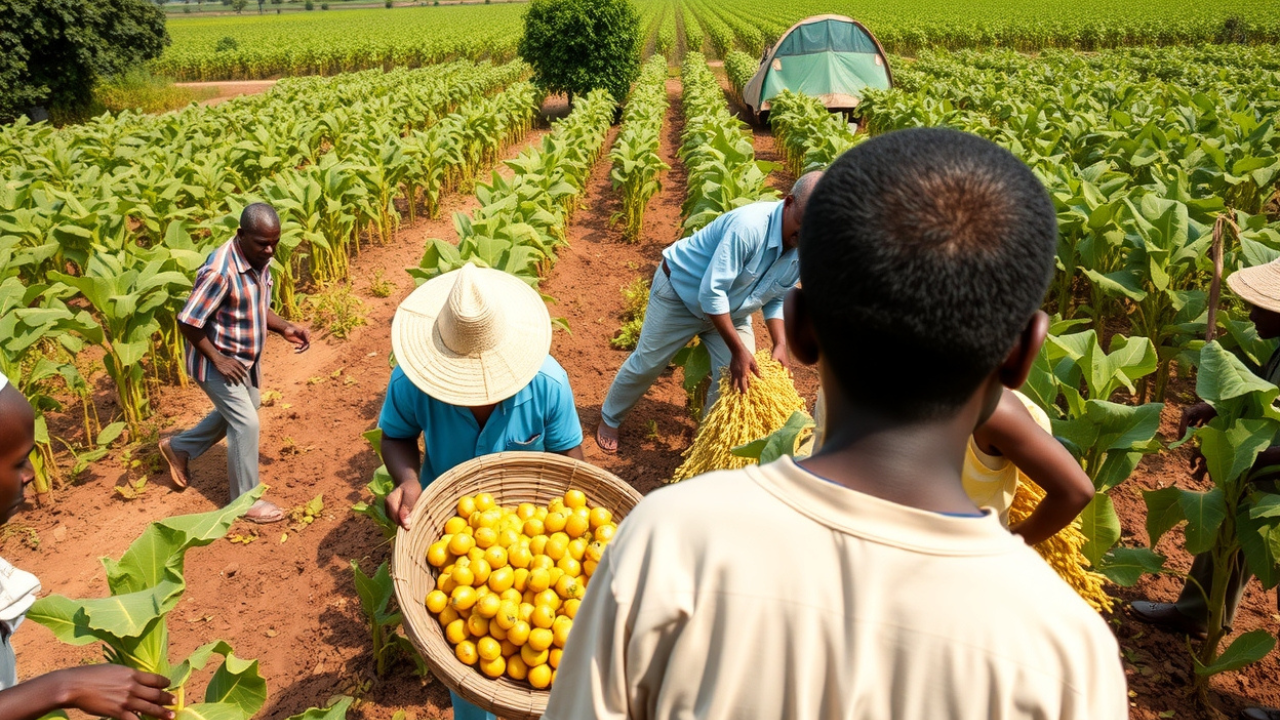
Manual harvesting using sickles is common but labor-intensive. Mechanized harvesting, which improves efficiency and reduces post-harvest losses, is recommended for large-scale farms. Farmers should handle crops carefully to avoid damaging the seeds.
Storage and Preservation
Proper storage is essential to maintain the quality of harvested soybeans—store soybeans in well-ventilated silos or bags to prevent moisture buildup and fungal growth. Maintain moisture levels below 13% for optimal preservation. Investing in hermetic storage solutions can further protect soybeans from pests and environmental damage.
Accessing the Market and Investment Opportunities
Navigating Local and International Markets
The domestic soybean market is robust, with high demand from feed mills and food processors: export markets, especially Europe and Asia, present opportunities for processed soybean products like oil and meat. Establishing direct links with buyers and joining agricultural cooperatives can improve market access.
Value Addition Opportunities
- Processing Soybeans: Converting soybeans into oil and meal increases their market value. Establishing a small processing plant can significantly boost profitability.
- Branded Products: Producing branded soy products like soy milk and soy flour caters to urban consumers seeking healthy alternatives.
Government Support and Financing
The Nigerian government’s agricultural policies aim to boost local production. Programs like the Anchor Borrowers’ Program provide subsidized loans and inputs to farmers. Additionally, organizations like the IITA offer training and support to soybean farmers, helping them adopt modern practices.

Conclusion
Soybean farming in Nigeria is a profitable venture that offers local consumption and export opportunities. By adopting best practices in land preparation, pest control, and market access, farmers can maximize yields and profitability. Government initiatives support and increase global demand, making soybean farming an attractive investment. With dedication and proper planning, soybean farming can serve as a pathway to economic empowerment.




0 Comments