
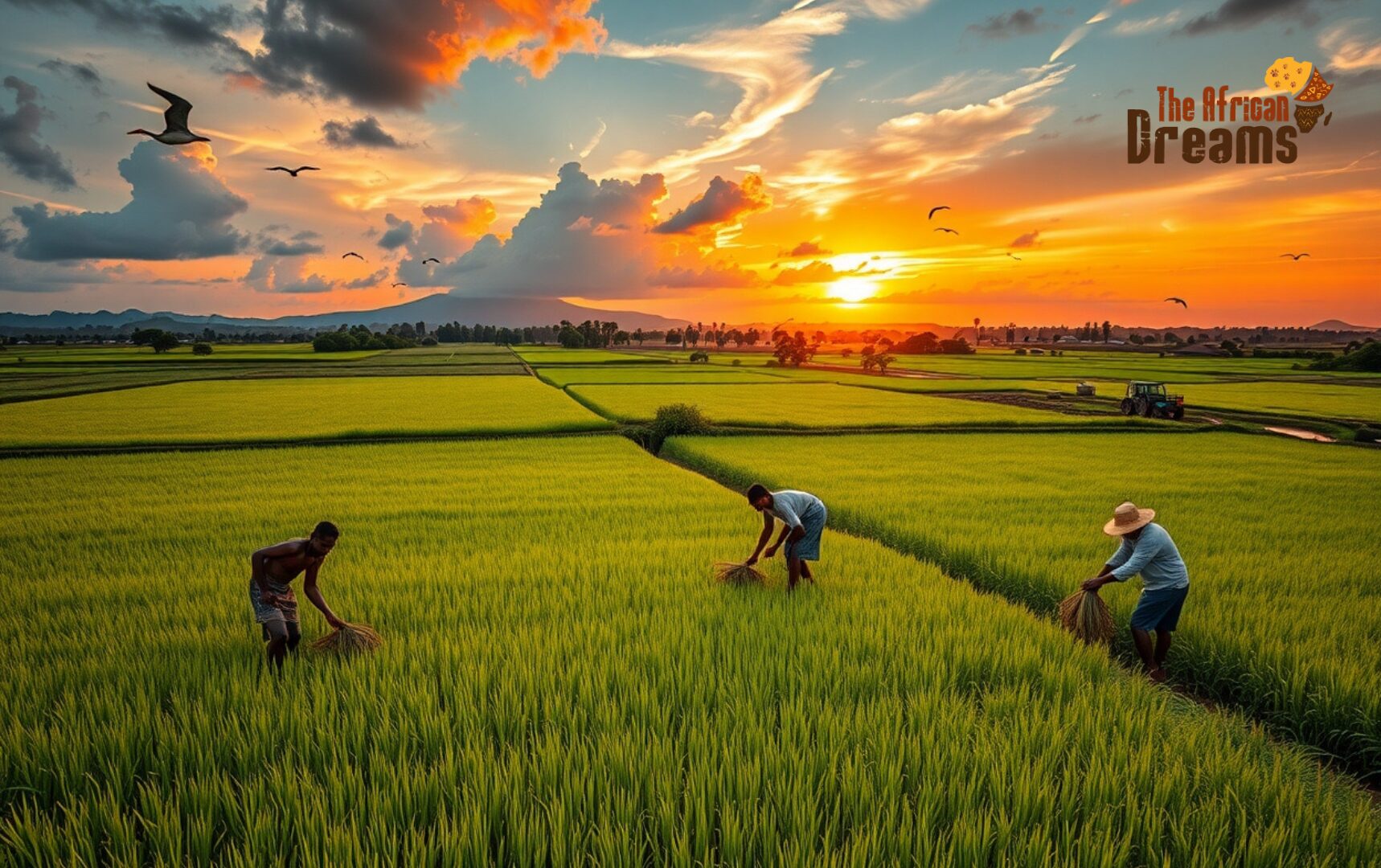
Are you interested in investing? We have just the location for you! Liberia, a small country on the west coast of Africa, has a rich agricultural tradition. Agriculture is the backbone of the economy, providing livelihoods for most of the population. Among the various crops grown, rice holds a special place as the staple food for most Liberians. It is consumed daily by millions of people and is crucial for the country’s food security.
Despite its importance, Liberia faces a significant challenge in meeting its domestic demand. The country currently produces only about one-third of the rice its people consume. This shortfall has led to a heavy reliance on imported rice, which is often expensive and subject to global market fluctuations. The high cost of imports strains the national economy and makes rice less affordable for ordinary Liberians.
This case study aims to explore the opportunities within Liberia’s rice industry and supply chain. Without further ado, let’s dig in!
Challenges
Liberia’s rice production faces several significant challenges. These have hindered its ability to meet domestic demand. One of the main issues is limited access to modern agricultural technology. Most rice farmers in Liberia still rely on traditional farming methods. These methods are labor-intensive and produce low yields. Most farmers use a method called upland shifting cultivation, which wears out the soil and causes erosion. Farmers find it difficult to increase their productivity without access to advanced tools, machinery, and irrigation systems.
Environmental issues like drought and iron toxicity in undeveloped swamps also make it tough to grow rice. Problems with drainage and constant weed and pest attacks add to the difficulty. Another major challenge is inefficient farming practices. Due to a lack of training and resources, many farmers use outdated techniques. These do not allow them to maximize the potential of their land. There is also scarcity of high-quality seeds and fertilizers which add to the problem. This leads to poor crop management and lower yields.
There is also insufficient investment in Liberia’s rice sector. Most rice farmers possess less than 3 hectares of land, resulting in limited investment in large-scale commercial production. Both public and private sectors have underinvested in agriculture, which has been happening for years. This leaves the industry without the necessary infrastructure, access to credit, and research and development support. This lack of investment has made modernizing and expanding the rice industry difficult.
Lastly, the rice supply chain in Liberia is highly fragmented. Poor infrastructure, such as inadequate roads and limited processing facilities, creates hurdles. Thus the sector’s overall efficiency. These challenges make it difficult for farmers to get their rice to market efficiently, resulting in losses.
Plausible Solutions
The government and various stakeholders have implemented several initiatives to address the challenges. These efforts focus on
1) Improving access to technology
2) Promoting efficient farming practices
3) Increasing investment
4) Enhancing the rice value chain.
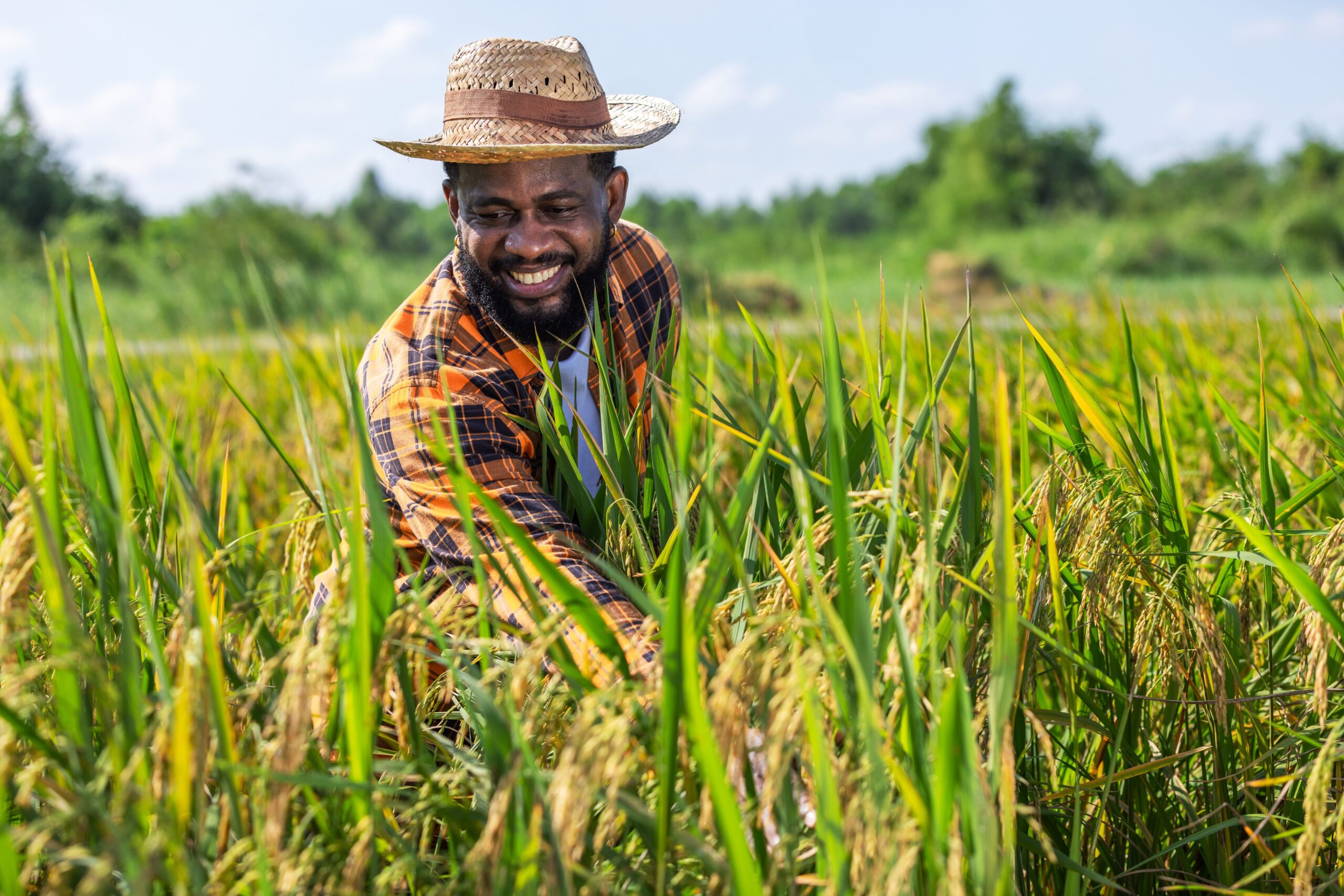
One key solution has been the introduction of modern agricultural technologies. Programs like the “Getting Rice Right” initiative have provided farmers with access to tools. Tools such as tractors, harvesters, and irrigation systems have been provided. These technologies have improved productivity. Which in turn has enabled farmers to cultivate more land and increase their rice yields.
Another crucial aspect of the solution has been promoting better farming practices. Through training programs and workshops, farmers are learning modern techniques for crop management. These techniques include the use of high-quality seeds and fertilizers. These efforts are helping to raise awareness about the importance of efficient farming and leading to better yields. All of these have helped improve food security.
Investment in the rice sector has also seen a boost. The Liberian government has introduced policies to attract both local and foreign investors. They have offered incentives such as tax breaks and subsidies. These investments have supported the development of new processing facilities. There have also been expanded irrigation infrastructure, and improved storage facilities.
Lastly, the rice value chain is being streamlined to reduce inefficiencies. Establishing cooperatives allows farmers to pool resources and access markets more effectively. Improved logistics and transportation networks have also been developed. This has made it easier for farmers to get their rice to market and reduced post-harvest losses.
Implementation
The “Getting Rice Right” symposium was held in Monrovia, Liberia, in September 2023. It brought together over 300 stakeholders to focus on improving rice production in the country. The event also launched the World Bank’s Liberia Economic Update. Thishighlighted the importance of prioritizing rice production to enhance food security and reduce poverty. Discussions were held about policies, research, and investments needed to drive the rice transformation in Liberia.
Experts from AfricaRice and the Technologies for African Agricultural Transformation (TAAT) presented innovative rice technologies and practices. Afterwards Liberia’s Ministry of Agriculture ordered processing equipment for 30 rice production clusters. There were also plans to train 1,000 value chain actors on the operation and maintenance of this equipment. This was to boost rice production and quality in the country.
source: https://taat-africa.org/news/liberia-getting-rice-right-gets-a-boost-from-taat/
Liberia’s Agriculture Minister, Dr. J. Alexander Nuetah, announced that the country increased domestic rice production by 53% last year. It produced 30,000 metric tons. This success was attributed to the Emergency Rice Production Offensive (ERPO) initiative. This initiative developed 18,000 hectares for rice cultivation. Despite this achievement, challenges remain in marketing the produced rice. This Lead the ministry to address pricing and market linkages in the rice and cassava value chains through a stakeholder engagement forum. The ministry aims to support farmers further, reduce production costs, and revise the national agriculture investment plan . They aim to do this to ensure sustainable agricultural development. The World Bank supports these efforts, recognizing the increase in rice production and identifying market linkages and pricing as key challenges that need to be resolved to benefit farmers and the broader economy. Your investment can help Liberia’s economy reach newer heights.
source: https://thenewdawnliberia.com/liberia-increases-rice-production-by-53/
Conclusion
Liberia’s rice sector offers a great opportunity for investors who want to improve food security and economic growth in Africa. The government is dedicated to modernizing agriculture with new technologies and better infrastructure, creating strong potential for increased rice production. The “Getting Rice Right” initiative, supported by the World Bank and other partners, has already led to a 53% increase in production.
Despite this success, challenges like market connections and pricing still need to be addressed. These challenges create opportunities for investors to play a vital role in the sector’s development. By investing in Liberia’s rice industry, you can help the country become self-sufficient in rice production, ensuring food security for its people while also earning good returns. Invest in Liberia today and reap your rewards!
0 Comments