
Introduction
The Gambia is a small country in West Africa known for its rich cultural diversity, beautiful landscapes, and warm, welcoming people. But beyond its pristine plains is a story of promise and possibility — especially in organic farming. The Gambia is a small nation, but the world is moving towards sustainable solutions, and the Gambia’s rich soil, favourable climate, and untapped agricultural potential offer investors a historic opportunity to be part of something transformational.
Why Organic Farming?
Organic farming comes along with a qualitative process that looks into more than crop growth. It is a commitment to such practices that will improve soil well-being and finally safeguard biodiversity by putting a stop to synthetic chemicals. A huge boom in the organic food market has seen a rise in global demand, where individuals are becoming more health-conscious and environmentally aware. This market had a value of $220 billion in 2023, and it is growing by 10.5% every year, according to Statista. For Gambia, this international demand is an opportunity to grow to greater heights and offer inherent values as a high-quality organic producer.
Worldwide Consumption of Organic Fruits and Vegetables Is Growing
In the last 10 years, the market for organic food has grown exponentially. The organic food market, which is agricultural products grown without chemical fertilisers, was estimated at USD 180.24 billion by the conclusion of 2023, and is poised to grow at a Subsequent Annual Growth Rate (CAGR) of 9.7% from 2023 to 2030. The growth is fueled by consumer knowledge of health benefits, environmental concerns, and sustainable agriculture.
Gambia’s rich soils, temperate climate, and government support for agriculture make it a powerhouse of organic farming on the continent.
The Gambia as a potential Agrarian Economy
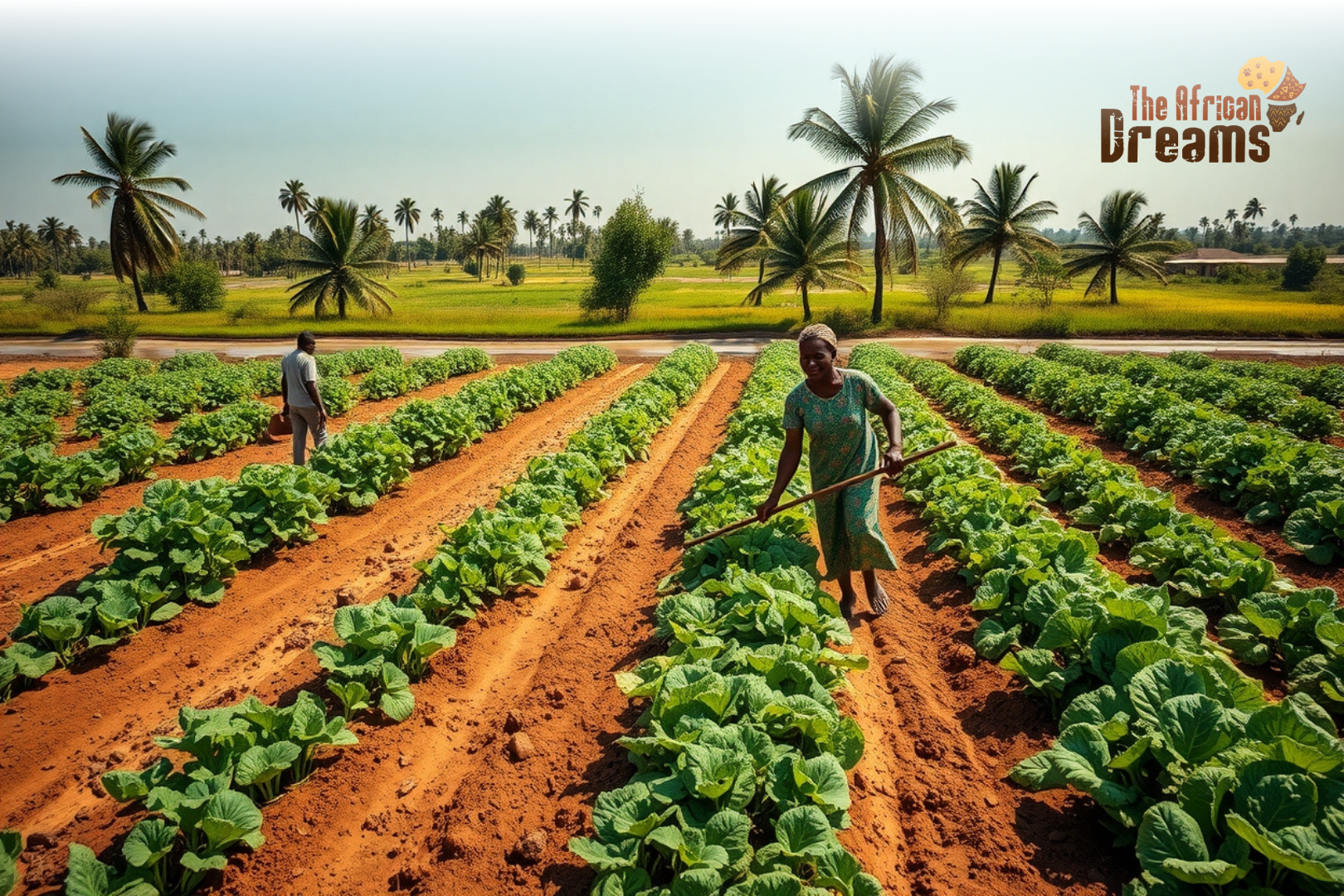
Agriculture is the lifeblood of The Gambia. It accounts for about 30 per cent of the country’s G.D.P. and employs over 70 per cent of its workforce. The soil is rich, the climate is tropical, and the opportunities are endless. Here, without any extra farming, crops like groundnuts, millet, rice, cashews, and vegetables can be cultivated. Not to mention the River Gambia, which is a vital water source for irrigation and agriculture all year round.
Nyofelleh Organic Farm: Data-Driven for You
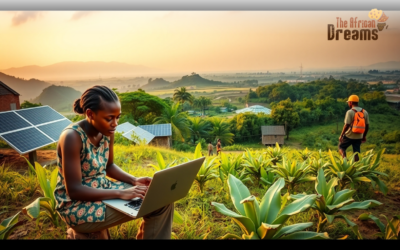
Fatou Camara is the founder of Nyofelleh Organic Farm. What started as a family farm has become a model for sustainable agriculture. Fatou’s commitment to organic principles has made her farm a business success, but it’s also been an inspiration to her community.
Nyofelleh Organic Farm specialises in vegetables, fruits, and herbs. Using methods like composting, crop rotation, and biological pest control, Fatou has increased her yields while keeping the soil healthy. Her efforts have created jobs for over 50 locals, the majority of whom are women, and inspired other farmers to follow suit. Today, Fatou supplies local markets and exports to neighbouring countries. Her story has also attracted attention from international organisations, leading to partnerships that have expanded the reach and impact of her farm.
Organic Production and the Environment.
The Gambia’s agricultural traditions make it a natural home for organic farming. They hope farmers will be using traditional methods that need no or very few synthetic inputs. If trained and certified well, Gambia can be a name in the world of certified organic, trusted agriculture.
Organic farming plays a big role in environmental preservation too due to-
- Reduced Emissions: Organic methods utilise renewable resources, which leads to lower greenhouse gas emissions.
- Making Biodiversity: Farms with various crops and livestock include larger numbers of plant and animal species.
- Soil: Sustainable practices can improve soil health over time.
Volumes of Possibilities
Here are some numbers that show why it is time to invest in organic production in The Gambia:
- Market Growth – The organic food market is forecasted to exceed $400 billion in size by 2030. Locally, there is a demand for the Gambian tourism industry to have a wider variety of organic options that will bring in more eco-friendly tourists to The Gambia.
- Export Potential: A huge potential for export exists as Europe and neighbouring countries also consume organic products.
- Employment Generation: Organic agriculture uses up to 30 per cent more workers than the traditional agriculture system, which addresses the issues of unemployment in rural regions.
Overcoming Challenges
Every venture has its learning curve — and organic farming in The Gambia is no exception. These include
- Lack of funding access,
- Lack of infrastructure, and
- Lack of farmers’ education.
But these challenges also present opportunities:
- Invest in sustainable practices: Working with organisations that offer microfinance can help small farms get the necessary funding to invest in sustainable practices.
- Infrastructure: Partnering with the government to improve roads, irrigation and storage facilities.
- Education: In the long term, NGOs and players in the private sector will need training and awareness programs.
Opportunities for Investors
Here, investing in organic farming is about more than financial return – it’s about impact. Here’s how to participate:
- Land: When it comes to land, as with air, buy nothing except fertile land at the best prices.
- Infrastructure: Build a supply chain with storage, processing, and packaging capabilities.
- Training: Farmers in local communities adopt organic farming practices in line with certification standards.
- Partnerships: Have partnerships that lead to international market access and export channels.
Why Gambia?
A Crop-Suitable Climate: A climate where each region is suitable to grow crops throughout the year with little or no fallow periods and high yields.
- Rich Soil: Soil is fertile and adequate for organic agriculture, so only a tiny bit of synthetic input is required here.
- Strategic Location: As Europe is a -diamonds = 0 – away from The Gambia, the country provides itself as a valuable access point for export.
- Supportive Policies: The government actively encourages agricultural investment through tax breaks and low-cost land leases.
This is a low risk, high reward opportunity, particularly with the Gambian government committing to facilitating business processes and incentives for agricultural investors.
Conclusion
Agriculture in the Gambia is poised on the brink of a revolution, and organic farming is leading the charge. With its favourable conditions, friendly policies, and the globally booming demand for organic production, the country is a dream for investors. The story of Fatou Camara and others like her shows the amazing difference organic farming can make to communities, economies, and the environment.
For anyone looking for a high upside, high impact investment opportunity, The Gambia is your path to something around a billion dollars; an opportunity to be a part of something vastly bigger. You would not only produce economic dividends by investing in an organic farm here; you would join in a sustainable future for one of the most ambitious nations on that continent. The seeds are planted and grow into a showcase for sustainable farming.
0 Comments