
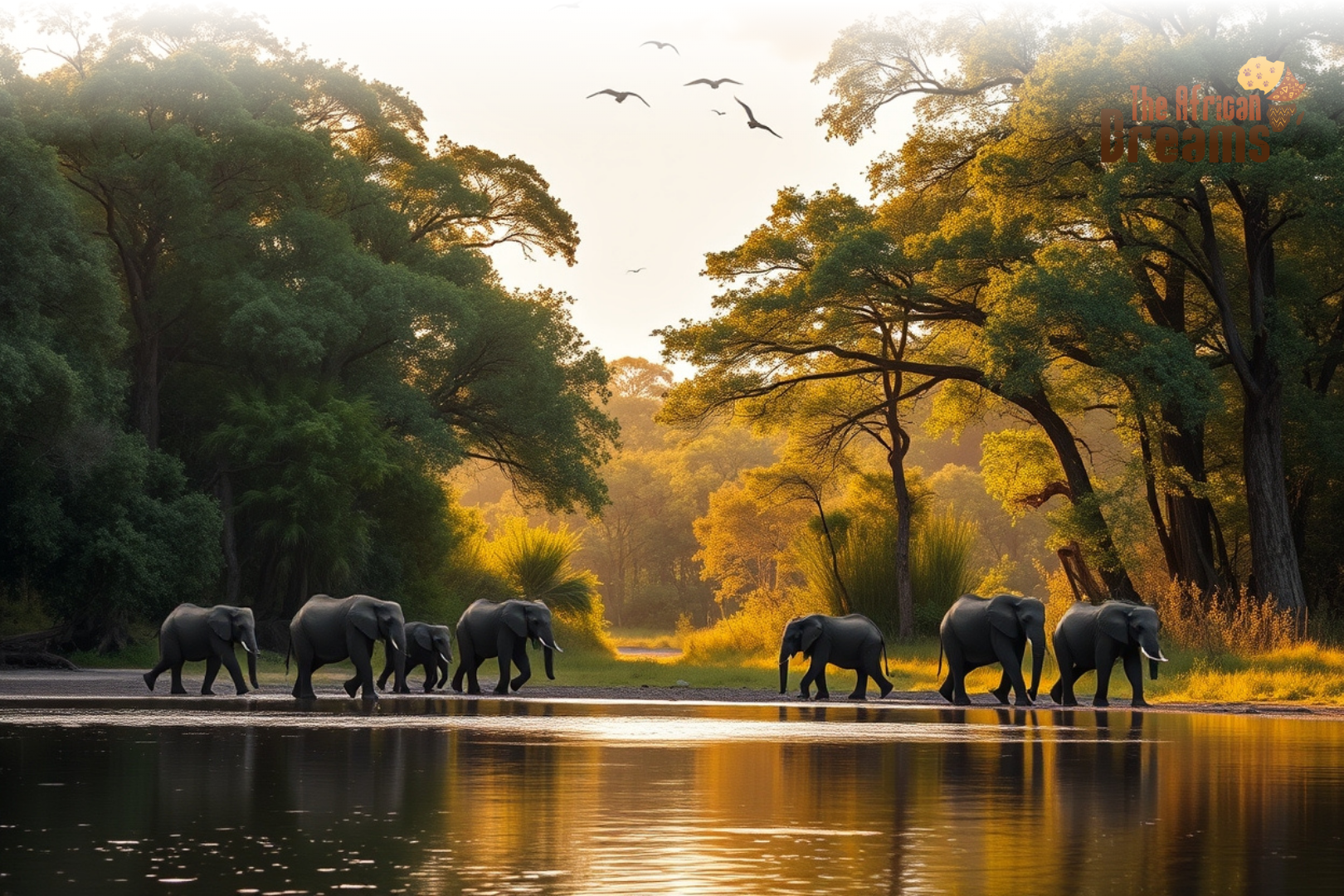
Introduction: Discover Nkhotakota Wildlife Reserve
Did you know Nkhotakota Wildlife Reserve is Malawi’s oldest and largest wildlife reserve? It covers 1800 square kilometers.
For many years, it remained unnoticed because of many problems, like illegal hunting and the lack of infrastructure. However, transformations have taken place over the past decades here. Today, Nkhotakota Wildlife Reserve is attracting tourists from all over the world. Conservationists, eco-travelers, and adventurers also visit this place.
Thanks to the efforts of African Parks, a non-profit conservation organization, Nkhotakota Wildlife Reserve is no longer a reserve in decline. It is now a rebounding sanctuary with one of the most successful elephant relocations in history. Nkhotakota is a living example of what can happen when conservation is combined with education, investment, and local empowerment.
But what truly sets Nkhotakota Wildlife Reserve apart is its authenticity. This is not a zoo-like experience. There are no traffic jams of safari vehicles or over-commercialized lodges; instead, you will find trees and rivers throughout the forest.
Article Highlights
Blessed with biodiversity, including elephants, buffalo, and more than 280 bird species
Elephant relocation and anti-poaching program
Conservation programs by the community
Less crowded, eco-friendly, and guided safari experience.
Best to visit between May and October for dry season activities
Why Visit Nkhotakota Wildlife Reserve
Nkhotakota Wildlife Reserve is one of Malawi’s best-kept secrets. While not as well-known as some of Africa’s more commercial safari parks, it offers something that many of them do not — an authentic, immersive, and deeply personal experience in one of Africa’s last truly wild places. Here’s why visiting Nkhotakota Wildlife Reserve should be on every nature lover’s bucket list.
1. A Unique Wilderness Experience: So, why visit Nkhotakota Wildlife Reserve? Because it’s one of the last wild places of its kind. Because its story is inspiring. And because, in a world where true wilderness is vanishing, this remote pocket of Malawi offers a rare chance to see nature and conservation in its purest form. Its wildlife still behaves naturally.
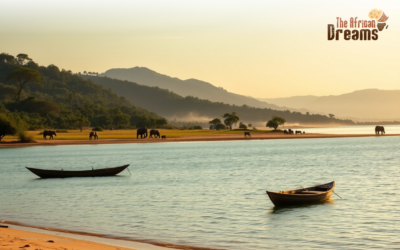
Nkhotakota Wildlife Reserve is different. Unlike other traditional safari parks, mostly open grasslands, it is covered in dense miombo woodland. The rivers and rocky hills make it magical. Walking safaris and canoe excursions will take your mind off traffic and help you slow down from busy city life. All these will help you reconnect with the natural world.
2. Remarkable Biodiversity: Nkhotakota may not have the “Big Five,” but what it does have is just as captivating. It is home to over 280 species of birds, making it a birder’s paradise. Species such as the Pel’s fishing owl, Livingstone’s flycatcher, African fish eagle, and the palm-nut vulture thrive here.
Mammals include elephants, bushbuck, sable antelope, waterbuck, warthogs, and baboons. While predators like lions and leopards are scarce, the reserve’s sheer variety of herbivores and birdlife ensures there’s always something to see.
Plus, the thick vegetation and network of rivers add to the beauty of each wildlife encounter.
3. One of Africa’s Greatest Conservation Comebacks: Nkhotakota’s transformation is one of the most inspiring conservation stories in recent history. In 2015, the reserve was in crisis. Decades of poaching had dramatically reduced wildlife numbers. Fewer than 100 elephants remained, and the ecosystem was deteriorating. That’s when African Parks, in partnership with the Malawian government, took over management.
There are now over 500 elephants, and the numbers are still growing.
Improved infrastructure, anti-poaching patrols, and investment have helped the reserve stay as it is. Visiting Nkhotakota Wildlife Reserve means visiting the success of conservation.
4. Engagement with Locals: Nkhotakota Wildlife Reserve usually operates in isolation. It is deeply connected with its roots and its surrounding communities.
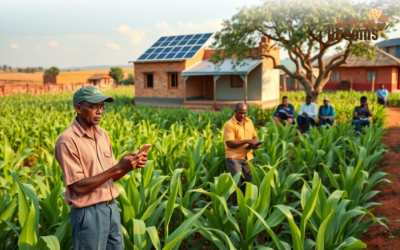
African Parks has invested in employment, job training, schools, and medical institutions for locals. This shaped the lifestyles of nearby villages and fostered connections between visitors and locals.
As a visitor, you’ll get the chance to meet and interact with these communities. Some lodges offer cultural excursions to local villages. There, you can learn about traditional Malawian life, cuisine, music, and crafts, enriching your travel experience.
5. Eco-Friendly Lodging in Spectacular Settings: Nkhotakota is home to a few handpicked, eco-conscious lodges such as Tongole Wilderness Lodge and Bua River Lodge. These accommodations blend with nature while offering comfortable, even luxurious stays.
You can enjoy sundowners on a private deck overlooking a river, or fall asleep to the sound of the forest, a far cry from a typical hotel stay.
6. Less Crowd: If you are looking for a safari experience without the chaos, Nkhotakota Wildlife Reserve is your place. As it is relatively unknown compared to other reserves, the reserve will be less crowded than usual.
For visitors who prefer solitude, Nkhotakota Wildlife Reserve is your go-to for hiking!
Where to Stay in Nkhotakota Wildlife Reserve
1. Tongole Wilderness Lodge: Nestled within the core zone of the reserve, Tongole is the flagship luxury lodge. Built entirely with sustainable, locally sourced materials, the lodge blends seamlessly into the forest.
Guests stay in spacious thatched chalets with river-facing decks, large bathtubs, and open-air showers. Tongole offers high-end service with a focus on eco-conscious living. Their food is unique. Daily activities include walks, river safaris, birdwatching, etc.
2. Bua River Lodge: It is located along the Bua River. It offers mid-range comfort with tented chalets on raised platforms for visitors. Every unit has its own veranda and outdoor shower. The lodge focuses on sustainability and also offers personal services from experienced guides.
Activities include hiking, canoeing, and night walks. A great place for active travellers.
3. Livezi Bush Camp: For travelers seeking an off-the-grid experience, Livezi is a rustic, self-catering tented camp in the reserve’s southern end. It’s perfect for backpackers or those who want solitude and time to truly disconnect.
Facilities are basic, but the location, right by the Livezi River, offers exceptional wildlife viewing and natural beauty.
When to Visit Nkhotakota Wildlife Reserve
The best time to visit Nkhotakota Wildlife Reserve is during the dry season, from May to October. During these months, temperatures are mild, rainfall is rare, and animals tend to gather near rivers and waterholes, making them easier to spot.
1. May – August: Cool temperatures are ideal for hiking, birding, and general exploration.
2. September – October: Excellent for wildlife sightings as animals concentrate near water sources.
3. November – April: This is the rainy season. While the reserve is lush and beautiful, some roads may seem harder, and wildlife can be hard to spot.
If you’re a bird enthusiast, visiting from November to March is ideal, as migratory birds from Europe and Asia flock to the reserve.
Nkhotakota’s Conservation Success Story
Nkhotakota Wildlife Reserve is now a case study in conservation success. But this wasn’t always the case. By 2015, the reserve’s elephant population had been decimated by poaching, falling to fewer than 100 individuals. Infrastructure was minimal, law enforcement was weak, and the surrounding communities had little reason to support conservation efforts.
That all changed when African Parks, in collaboration with the Malawi Department of National Parks and Wildlife, assumed management. Over the next few years, they:
1. Conducted one of Africa’s largest elephant translocations (moving 520 elephants and other wildlife species from Liwonde and Majete)
2. Built ranger stations, roads, and airstrips for surveillance
3. Trained a dedicated team of rangers and scouts and deployed them
4. Partnered with local communities. Offered education, healthcare, and jobs.
The result? Poaching dropped dramatically. Biodiversity began to be restored, and local communities started to be able to understand the benefits of tourism.
Nkhotakota is now seen as a beacon of hope, not just for Malawi, but for other regions across Africa battling similar challenges.
Final Words: Nkhotakota Wildlife Reserve’s Call to the Wild
Nkhotakota Wildlife Reserve is more than just a travel destination. It is a place of healing, both for wildlife and for the human spirit. It’s a place where the silence is filled with meaning, where each sunrise brings the promise of discovery, and where the nights are darker, quieter, and more soulful than anywhere else on earth.
Nkhotakota Wildlife Reserve is more than just nature. It is a human story, one of the few majestic shows of African wildflie. Nkhotakota Wildlife Reserve shows a story of resilience, cooperation, and vision. The efforts of the government, communities, conservationists, and organisations like African Parks truly paid off. And with your presence, you support local livelihoods. You can protect endangered species and fuel a conservation model that is setting an example for the rest of the world.
There are a few places left where you can feel like an explorer, where each moment is unscripted and where nature still moves according to its ancient rhythms. Nkhotakota Wildlife Reserve is one of those places. So, wait no further. This is your turn to visit Africa and the wonders of Nkhotakota Wildlife Reserve!
Want to learn more about Malawi’s best places to visit? Check our article here, Travel to Malawi: 5 Best Places to Visit.
0 Comments