
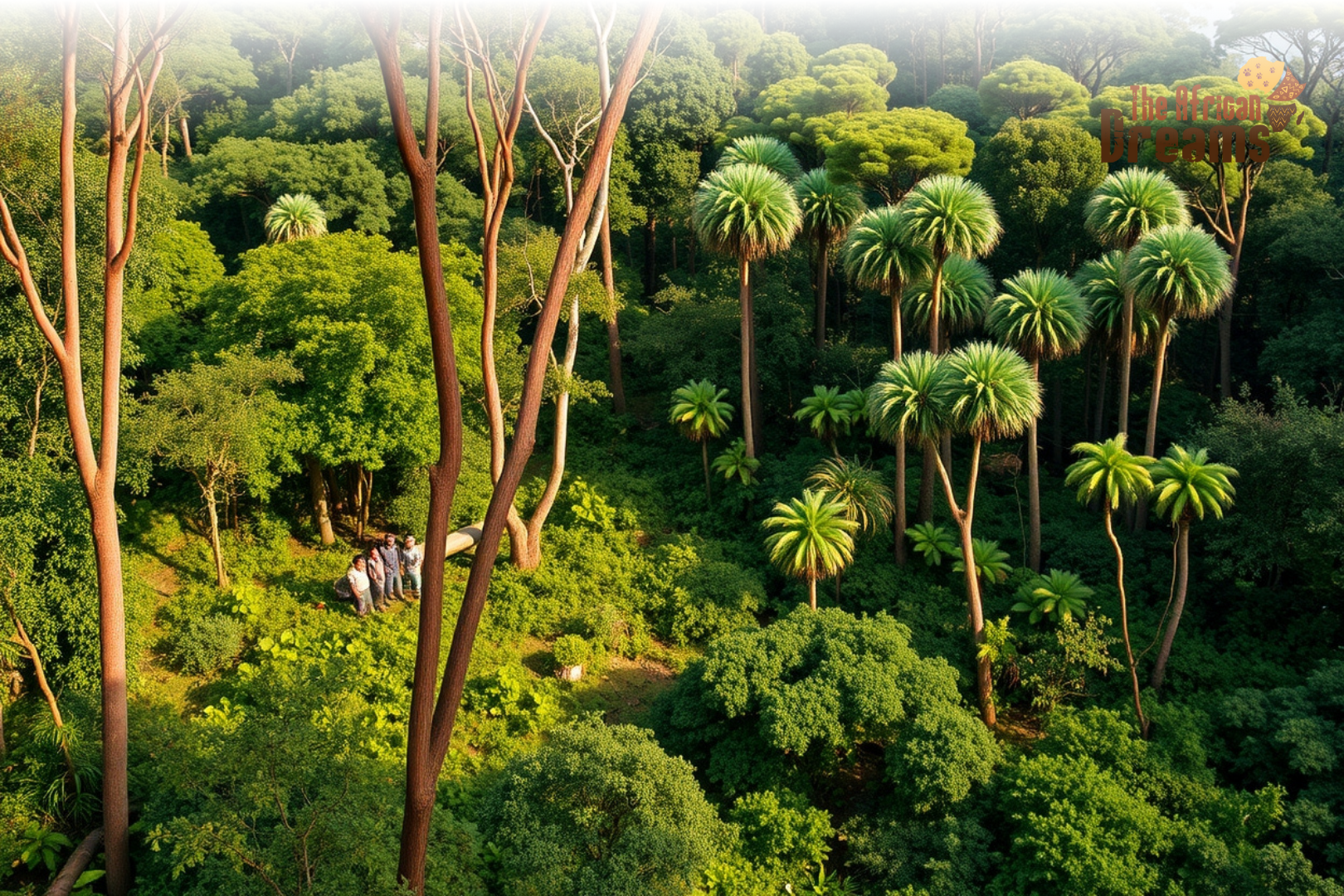
The Miombo woodlands, which cover the lush forests of Mozambique, are at a crossroads today. They pose a fine line between conservation and logging—a dilemma that holds immense opportunities yet formidable challenges. With an area spanning over half the country, these forests are vital to the nation’s economy, supporting the livelihoods of rural communities and accounting for a large portion of GDP. On the other hand, rampant illegal logging, weak enforcement of forest environmental laws, and serious governance problems pose a risk to eroding these very benefits. The blog analyzes the dynamic interplay between conservation and logging investment opportunities amid pressing needs for sustainable forest management.
Article Highlights:
The Miombo Woodlands: A keystone to Mozambican natural wealth and biodiversity.
Economic Significance: The role of forests in supporting rural livelihoods and the national economy.
Challenges in Governance: Illegal logging and non-compliance with regulations related to sustainable forest management.
Conservation Efforts: Activities and measures in place to help Mozambique restore its forests.
Investment Opportunities: The potential of responsible logging with conservation investment to drive economic growth.
The Miombo Woodlands: Mozambique's Green Heartbeat
The Miombo woodlands, covering central and southern African regions, of which a huge chunk is in Mozambique, were known to be very rich in biodiversity and creation. These forests host many species, providing key ecosystem services such as storing carbon, regulating water, and maintaining soil health. To local communities, Miombo woodlands supply food, medicine, raw materials that underpin livelihoods, and culture.
However, these forests are under threat from both legal and illegal exploitation, which endangers their sustainability. The illegal exploitation has increased over time due to weak governance and inadequate enforcement mechanisms. Such rampant deforestation not only depletes forest cover but also undermines the ecological balance that these woodlands support, along with their economic potential.
Economic Value: Forest a Pillar of Prosperity
The present forests of Mozambique are more than an ecological treasury; they act as economic lifelines. That is, forest-based activities and industries are key drivers of the national economy, providing both employment and income for rural populations. Indeed, forests can make a major contribution to GDP if the right conditions are established for their sustainable management and investment.
It is clear that the forest sector makes an enormous contribution to rural incomes and local development through innumerable small-scale enterprises based on forest resources, spanning wood production, non-wood forest products, and eco-tourism, with significant returns on investment and enhanced standards of living in rural areas. Realizing such potential requires real commitment to tackling the fundamental problems that have bedeviled the sector.
Governance Challenges: Stopping Illegal Wood Logging
The current situation of the forest sector in Mozambique faces many governance problems that are unfavorable to sustainable development. Widespread illegal logging is occurring because of corruption among authorities, weak enforcement of regulations, and weak institutional frameworks. These act to the detriment not only of the ecological integrity of the forests but also deprive the country of significant economic gains that could have been derived from sustainable forest management.
The Mozambican government has taken bold decisions to counteract illegal logging and to promote practices for sustainability. One example is the two-year moratorium on new logging licenses with the aim of reducing pressures from deforestation and enhancing compliance, which ensures proper control, inspection, and management institutions are put in place for the long-term sustainability of investments in forests.
Conservation Efforts: Forest Protection and Restoration
Conservation is really gathering momentum in Mozambique, both at the national and international levels. Organizations like Space for Giants are at the forefront in making changes to protected landscapes and converting them into revenue engines through conservation investment platforms. These will unlock revenue flows and increase capacity in under-resourced landscapes that support biodiversity and local communities.
More importantly, the government’s involvement in AFR100 to restore 1 million hectares of deforested and degraded land by 2030 underscores its seriousness about forest conservation. The highest target ambitiously reflects Mozambique’s commitment to stopping and reversing the damage from deforestation and promoting sustainable land-use practices.
Policy Reforms and Development for Sustainable Management
Full policy reforms and robust governance systems are therefore necessary for Mozambique to achieve sustainable forest management. The government, in partnership with the international community, has also been pursuing various interventions to ensure better forest governance and sustainable management in the African nation. These have, to date, involved financial forest concession assessments, participatory governance assessments, and, more recently, ROAM to establish opportunity areas deemed critical for the restoration of the forest.
These are further developed, along with plans to build critical capacities in forest landscape planning at the national and subnational levels. Mozambique is pursuing better coordination and mainstreaming across all major resources through a multi-stakeholder approach to promote a supportive environment that enhances sustainable forest management and investment.
Investment Opportunities: Driving Growth for Sustainable Economies
The forests in Mozambique offer many investment opportunities when investors adopt sustainable practices. For instance, this platform investment by Space for Giants aims to attract and blend private-sector investment in protected areas, intending not only to generate revenues but also to create jobs and preserve biodiversity.
A good number of benefits accrue to sustainable forest management investments, such as increased ecological resilience, higher financial returns, and improved livelihoods for local users. Such investments benefit both the investment and local communities greatly through initiatives in good forest governance and economic assessment, which fall within the broader definition of tools under participatory forest management.
Attracting Foreign Investment
Mozambique is actively implementing various policy reforms and incentives that, when combined, would firmly establish a favorable investment climate for foreign investment. Policies should actively strive to close access-to-finance gaps and address weak or poor governance structures head-on. Stronger regulatory frameworks and a more transparent environment will help move Mozambique toward winning investor trust for long-term economic growth.
It is thus very important that foreign investors play a critical role in supporting Mozambique’s transition to protect its forests. In establishments that invest in responsible logging practices, ecotourism, and reforestation projects, investors are assured of having made an invaluable contribution to the conservation of Mozambique’s forests, while raking in substantial economic rewards.
Conclusion: A Way Forward for the Forests of Mozambique
Ideally, the future of Mozambique’s forests will have to strike a fine balance between conservation and responsible logging. What Mozambique needs to unlock its full forest potential is good governance, policy reforms, and enabling sustainable investment. These, in their own right, will not only help preserve the ecological integrity of the Miombo woodlands but also drive economic growth and improve rural livelihoods.
In the face of the crises of climate change and biodiversity loss, Mozambique’s commitment to sustainable forest management became a beacon of hope in the struggle. With determined efforts and responsible investment, Mozambique could set its course toward a future that would make its forests greener and ensure prosperity for all its citizens.



0 Comments