
Introduction
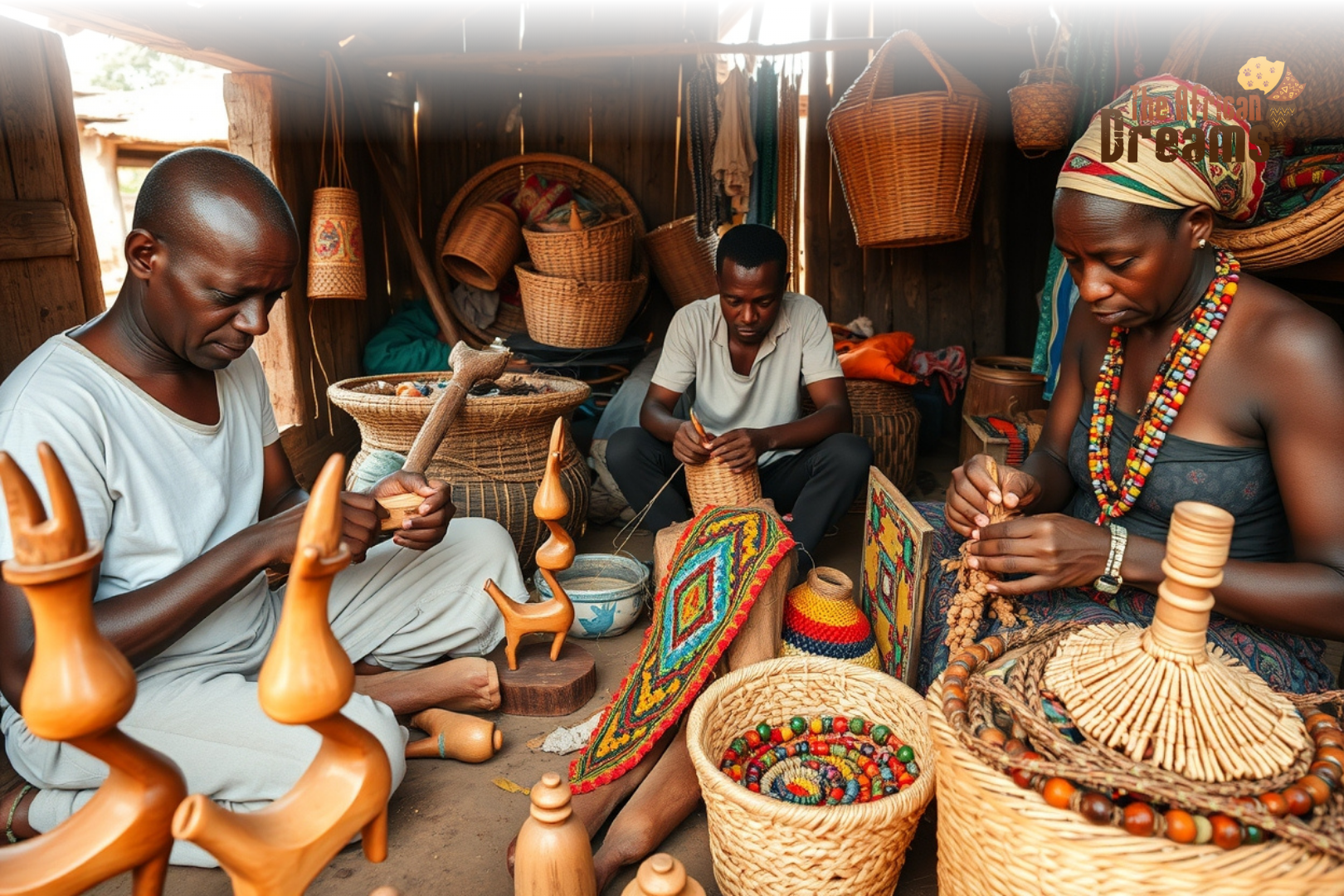
Malawi, known as the Warm Heart of Africa, is a small yet resourceful country in the heart of Southern Africa. It is rich in culture, history, and an untapped wealth with huge potential. Among other industries, Malawi’s handicraft industry is one of the most promising in terms of growth and opportunities. This sector has deeply connected traditional crafts that represent the country’s heritage to the rest of the world.
Malawi’s handicrafts are mostly known for their diversified designs and high product quality. Because of its high potential, the Malawian government is taking initiatives to improve infrastructure, market access, and global recognition for handicraft products. The government’s initiatives are shaping the handicraft industry with golden opportunities for investors.
In this blog, we will provide an overview of Malawi’s handicraft industry.
Article Highlights
History of Malawi’s Handicraft Industry
Major Handicraft Producing Areas in Malawi
Reasons to invest in Malawi’s Handicraft Industry
Opportunities for Growth
Malawi’s Handicraft Market Dynamics
Malawi’s Home Décor Sector
Government Initiative
History of Malawi’s Handicraft Industry
The origin of Malawi’s handicrafts was mostly influenced by the country’s rich culture and agricultural traditions. Many of the crafts produced in Malawi were functional rather than decorative. People used to make products that they needed in their daily lives, such as baskets, clay pots, wooden tools, etc.
Different ethnic groups brought their own skills and techniques to Malawi’s handicrafts. For example, the Chewa people are known for their vibrant beadwork, while the Ngoni are popular for their carved wooden figurines. Over time, a transformation took place in the crafts from being expressions of identity rather than being only functional.
During the colonial era, Malawi experienced significant changes to its traditional crafts. The demand for European-style goods increased notably, and traditional crafts were getting old-fashioned. Still, there were a significant number of people who carried out their traditional craft work, focusing on the future demand of tourism or export.
After gaining independence in 1964, Malawi had significant transformations all over the country from different aspects. The government focused on promoting traditional handicrafts to let the world know about their potential. The establishment of craft cooperatives in the 1970s offered a way for local artisans to band together, share resources, and reach broader markets.
Founded in 1985, the Malawi Handicraft Association became one of the key institutions supporting craft production, helping the artisans with training, resources, and opportunities to sell their products.
In recent decades, the Malawian handicraft industry has seen a significant change as the Malawian government has focused on the development of this industry, recognizing its potential. The rise of cultural tourism has opened a new era with increased demand for authentic cultural experiences. This is encouraging the tourists to purchase local handicrafts, creating employment for local artisans.
Major Handicraft Producing Areas in Malawi
Malawi has a rich cultural heritage, and this is strongly reflected in the vibrant handicraft industry. Artisans across the country come up with a variety of handicraft items ranging from wood carving to jewelry.
- Mua, Dedza District: The Kungoni Center of Culture and Art is a non-profit organization in central Malawi. Kungoni is located in Mua, a village in the Dedza district. Kungoni is mostly popular for wood carving. It is also popular for making religious statues, storytelling panels, and traditional masks. Kungoni attracts global attention for cultural preservation and artistic excellence.
- Lilongwe and Area 4 craft market: Famous for a variety of crafts, including woven baskets, beadwork, wood carvings, and textiles. This market showcases crafts from across the country.
- Blantyre & Limbe Craft Markets of Southern Malawi: Famous for woodwork, pottery, woven baskets, and traditional textiles.
- The Zomba Plateau Area: Famous for handmade jewelry, tie-dye, and batik fabrics. Artisans of this area are taking advantage of tourist foot traffic and scenic attractions.
Reasons to Invest in Malawi's Handicraft Industry
Malawi is a land of endless opportunities for investors. With proper initiative, Malawi can become one of the major players in the world’s economy. There are several reasons for investors to invest in Malawi.
- Rich cultural heritage: Malawi has diverse ethnic groups like Chewa, Yao, and Ngoni, each with unique craft traditions. Handicrafts like wood carvings, woven baskets, textiles, and beadwork are highly influenced by their tradition and cultural heritage. Investing in the handicraft industry will help preserve the heritage while turning it into a sustainable economic asset.
- Skilled artisan workforce: Malawi has thousands of talented artisans who have mastered craftsmanship passed through generations. Centers like Kungoni Art Centre (Mua Mission) are already producing world-class art and providing necessary training to the local artists. Investing in Malawi’s handicraft industry will help the investors to get in touch with a bunch of skilled artisans with diversified craftsmanship.
- Growing tourism industry: Tourists are a major market for the Malawian craft industry. Places like Lake Malawi, Liwonde National Park, and Zomba attract international visitors who prefer to buy local, handmade souvenirs, representing Malawi’s rich culture and heritage. Investment in this sector aligns with growth in tourism and offers direct-to-customer sales opportunities.
- Untapped export potential: Till now, Malawi’s crafts are underrepresented in global markets. Demand for authentic, ethically sourced, and handmade products is growing internationally, making Malawi a hot cake for exporting handicraft products. Investors will get a first mover advantage, which will help them to generate a handsome amount of revenue.
- Social Impact & Sustainable Development: Investing in handicrafts promotes inclusive economic growth, especially among women and youth. It encourages rural development and reduces urban migration by creating local jobs.
- Embracing Digital Transformations: The adoption of digital payment and financial services is gaining momentum in Malawi’s handicraft industry. The government of Malawi is focusing on making the digital payment process easier for investors to make the investment process efficient.
- Investor-friendly Environment: Malawi offers an increasingly attractive destination for foreign investors, with a competitive investor tax incentives package. The country is party to investor protection agreements and is becoming the most competitive place to do business in the region.
Malawi’s Handicraft Market Dynamics
Malawi Handicrafts market, in 2023, has witnessed an HHI of 2570, which has decreased moderately as compared to the HHI of 3584 in 2017. The market is moving towards concentration. The Herfindahl index measures the competitiveness of exporting countries.
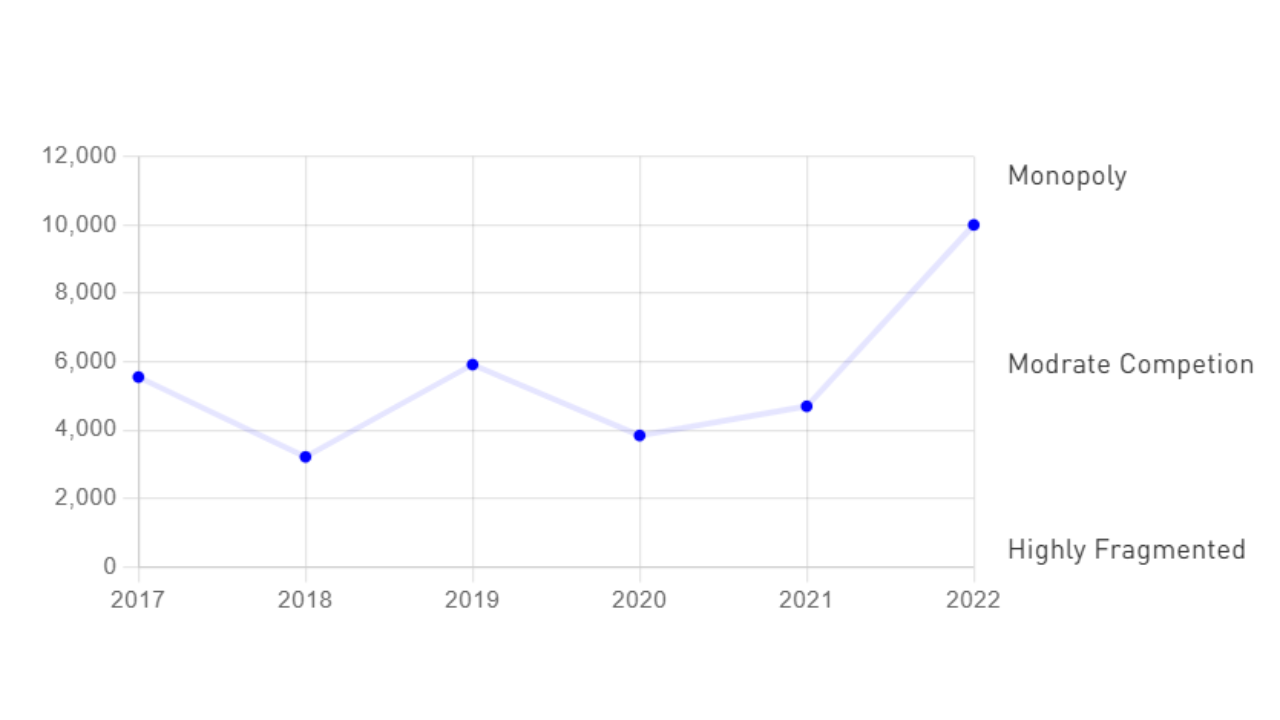
Figure: Malawi Handicraft Market HHI Index Trend of Exporting Countries (Source: 6Wresearch)
Key categories of the handicraft products of Malawi are woodware, art metalware, hand printed textiles, embroidered goods, imitation jewelry, and sculptures.
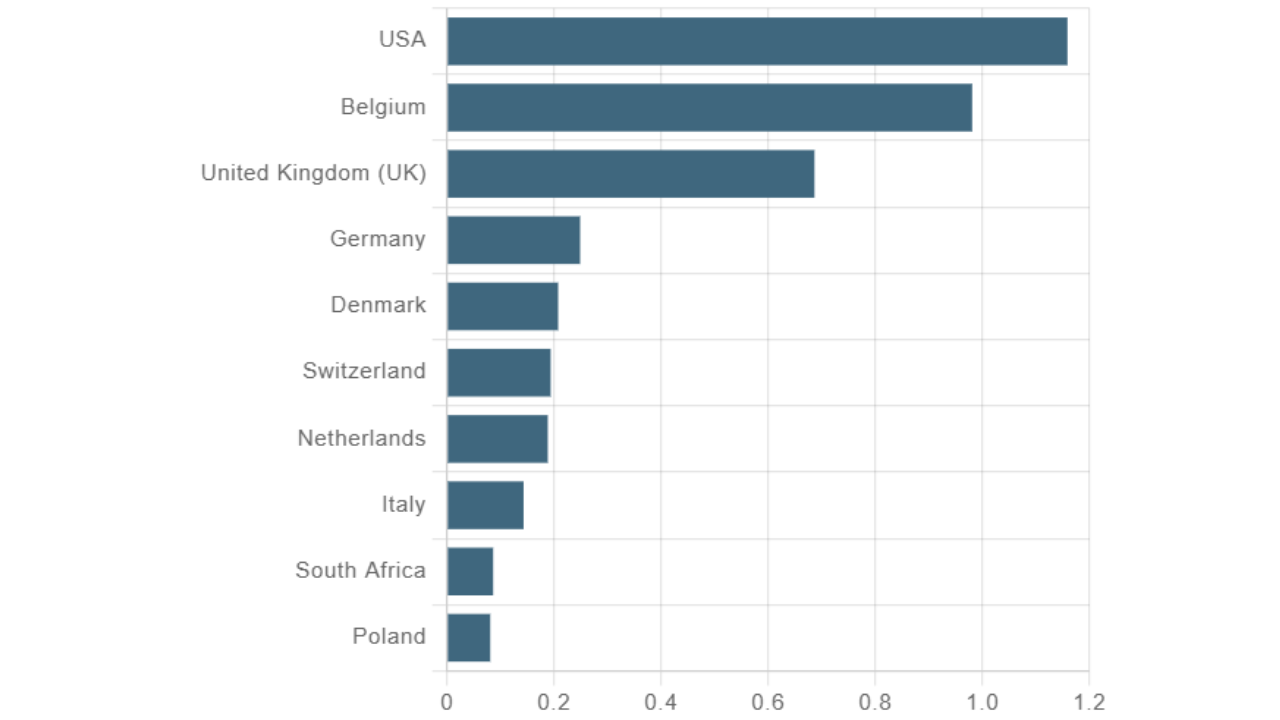
Figure: Malawi Export Potential Assessment For Handicrafts Market (Values in USD Thousand) (Source: 6Wresearch)
Malawi’s Home Décor Sector
In 2024, Malawi’s home décor segment generated $4.54 million, with a projected annual growth rate of 3.84% through 2029. Malawi’s home décor market is embracing traditional craftsmanship, with an increasing demand for locally-made furniture and artisanal home accessories.
Government Initiative
Through various ministries and institutions, the Government of Malawi has implemented several policies and programs to boost the handicraft sector, which will definitely have a positive impact on the growth of this culturally significant industry.
- National Arts and Heritage Council (NAHeC): The National Arts and Heritage Council was established in 2024. They aimed to regulate and promote local arts by providing frameworks to local artisans. The council is also responsible for maintaining the National Arts and Heritage Promotion Fund, which offers financial support to artists to create and distribute their work and generate employment.
- FARMSE’s PAST Programme: The Pathways for Successful Transition (PAST) programme, under the Financial Access for Rural Markets, Smallholders, and Enterprise (FARMSE) initiative, focuses on transforming vulnerable youth into skilled artisans. The participants not only receive training on various crafts but also get initial funding for starting their own business. This program has empowered many young people to be financially solvent.
- Value Addition Division: The Value Addition Division, part of the Ministry of Trade and Industry, promotes rural economic activities by adding value to locally available resources. It focuses on processing, quality control, packaging design, and marketing promotion of products, including handicrafts. This division offers training in diverse sections like product development, marketing, quality control, etc aiming to enhance the competitiveness of the local artisans in both local and international markets.
- Bangwe Factory (MACOHA): Malawi Council for Disability Affairs, formerly known as Malawi Council for the Handicapped (MACOHA), established the Bangwe Factory in 1975, aiming to provide sheltered employment for persons with disabilities. As a commercial entity, the factory is expected to reinvest some of its proceeds in other rehabilitation programs and services that are run by the council. Currently, about 80% of employees are persons with disabilities.
- National Economic Empowerment Fund (NEEF): NEEF is a government-owned microfinance institution that provides affordable financial services to individuals, particularly women, youth, and persons with disabilities. In 2021, NEEF disbursed K5.56 billion to various groups, supporting entrepreneurship and economic empowerment.
- Buy Malawi Campaign: The Buy Malawi Strategy (BMS) was developed in 2009, aiming to drive the consumption of locally produced goods and services. This initiative removed the presence of middlemen and encouraged local artisans to promote the locally produced items.
Conclusion
In recent times, Malawi’s handicraft industry has experienced significant growth. As a result, Malawi has become a hot cake for investors, looking for a stable return. Because of the cultural diversity, Malawi offers a variety of handicraft products, which meet the increased demand of the international market.
Both the government and NGOs are working hard to support the handicraft industry by financing and providing training to the artisans living in the rural areas so that they can sharpen their skills and, at the same time, can become financially solvent.
Malawi is a land of opportunity for investors with its untapped potential. Investors, who are planning to invest for the long-term, can explore the industry’s potential to the fullest, having the first mover advantage.





0 Comments