
Introduction
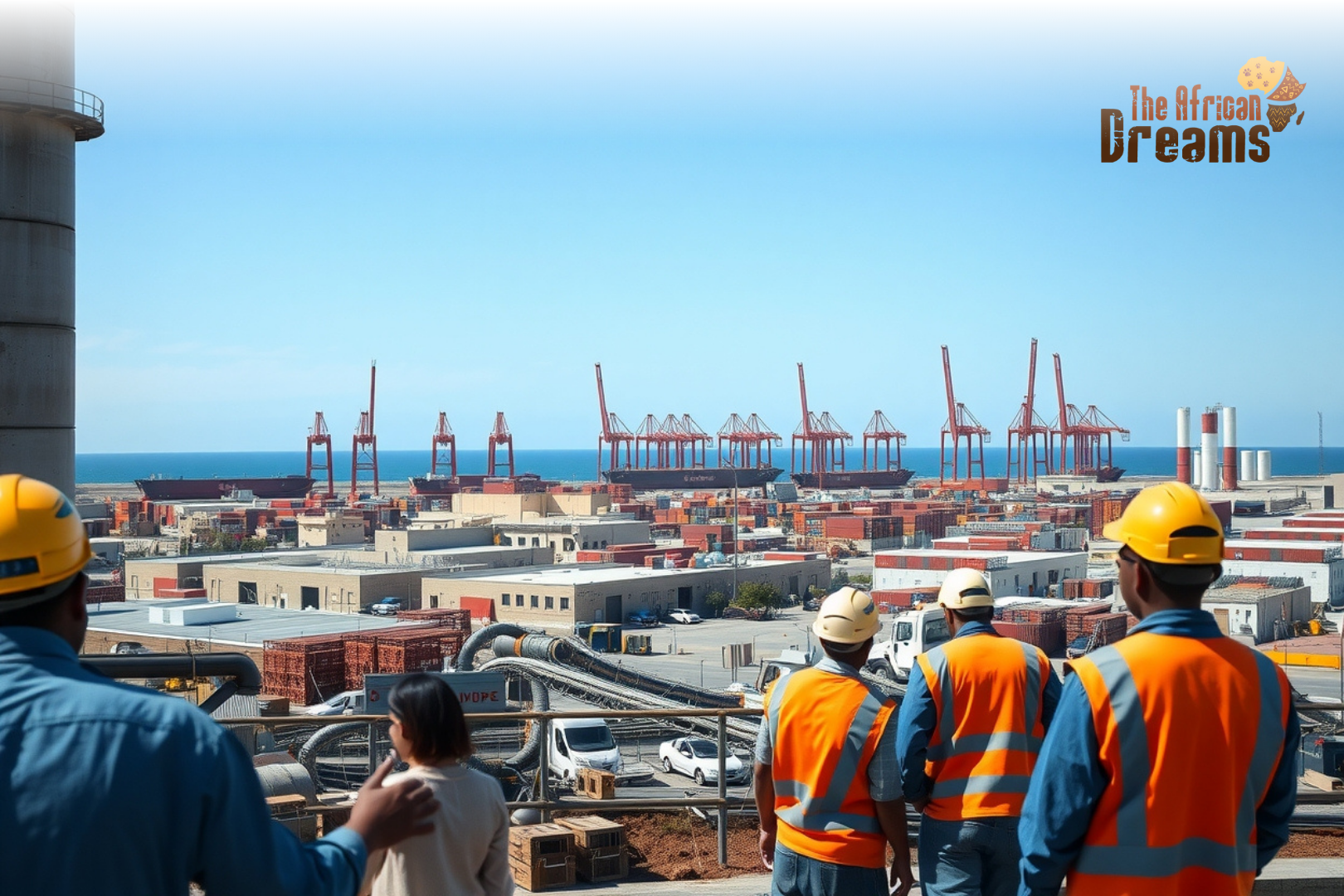
Libya’s manufacturing sector is growing really fast. It offers many opportunities for investors. The country has a lot of natural resources. It also has a good location for trade. The industrial sector is still small.But this sector is getting bigger every year.
For a long time, Libya focused only on oil and gas. But now, manufacturing is becoming more and more important day by day. More factories and industries are opening. Investors are looking at new business opportunities. Sectors like steel, cement, food processing, and textiles are getting more attention.
One of the biggest industrial projects in Libya is the Libyan Iron and Steel Company (LISCO). It produces steel and metal products for various industries. Libya also has special free zones for businesses. One example is the Misrata Free Zone. It helps foreign companies start factories and invest very easily.
The government wants to grow the economy beyond oil and gas. That is why it is helping industries like manufacturing. The sector is expected to expand quickly in the next few years.
Libya is creating new opportunities for businesses in manufacturing. Investors can take advantage of low production costs, a strategic trade location, and incentives. As demand for industrial goods is always growing, investors can secure a strong position early in this market.
Current State of Libya’s Manufacturing Industry
Existing Industries and Major Sectors
Libya’s manufacturing sector is still developing. Some of the industries are already well-established. Libya produces steel, cement, various food products, and textiles. These industries support both local markets and exports.
One of the biggest industrial companies in Libya is LISCO. LISCO stands for Libyan Iron and Steel Company. This company produces steel and metal products for construction and manufacturing. The cement industry is also growing very fast, supplying materials for infrastructure projects.
Food processing is another important sector. Libya has factories that produce flour, dairy products, and packaged foods. As demand for processed food increases, this industry is expected to grow even more.
The textile and garment industry is still small, but it has potential for expansion. Some factories already produce clothing and fabrics for the local market. With the right investment, this sector could supply international markets as well.
Investment Opportunities and Market Size
Libya’s manufacturing sector is getting bigger. The government wants more investors to help grow the industry. Right now, the manufacturing sector makes up 7-10% of Libya’s economy, but this can increase fast with new investments.
The steel industry has big opportunities. The Libyan Iron and Steel Company (LISCO) makes 650,000 tons of steel every year, but demand is much higher. If more money goes into steel production, Libya can double its output and sell steel to other countries.
The cement industry is also growing. Libya makes 10 million tons of cement per year, but demand is rising by 30-40%. More construction projects need cement, so investors can expand old factories or build new ones to meet this need.
Food production is another strong area for investment. Libya imports around 80% of its food from other countries. But local factories are starting to produce more flour, dairy, and other food items. With 7 million people in Libya, the food market is huge and growing very fast. Investors who start food businesses now can sell to both local and foreign markets. This ensures a very healthy return.
Industrial zones like the Misrata Free Zone give tax benefits, cheap land, and very easy trade rules. Libya is also in a great location. This country is very close to Europe, Africa, and the Middle East. This makes it easy to export products to different regions.
With more demand, government support, and better infrastructure, Libya’s manufacturing industry will grow fast. Investors who enter now can make high profits and become industry leaders.
Challenges in Libya’s Manufacturing Sector
Political and Economic Stability
The manufacturing sector of Libya has great potential, but political issues have slowed progress. In the past, various political conflicts and government changes made it hard for businesses to plan for the long term involvement. But now, the government is working hard on stability. New policies will help businesses operate safely. These policies will help the business to grow very fast.
The economy is also improving. The government is investing in industries beyond oil, which will help the manufacturing sector expand quickly. As the economy gets stronger, businesses will find it easier to operate and make profits.
Infrastructure and Logistics Issues
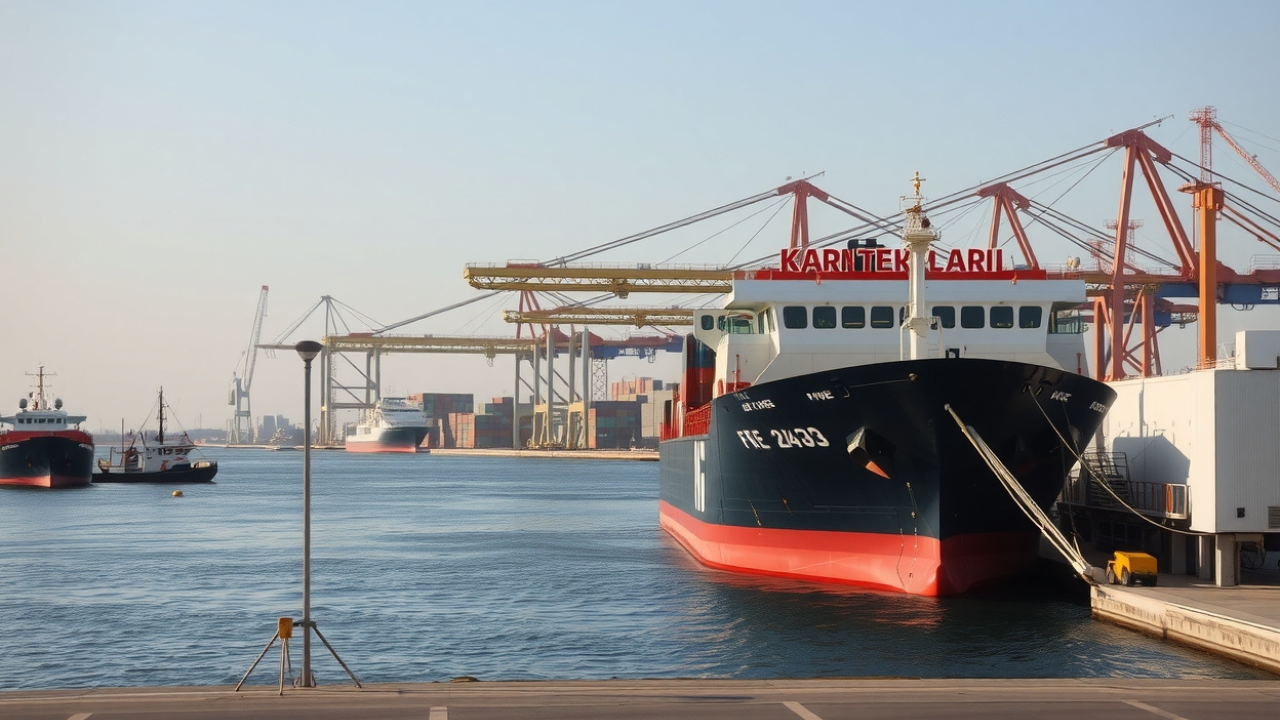
Manufacturing needs good roads, ports, and electricity. Some industrial areas in Libya still lack proper infrastructure. This makes transporting goods harder. But the government is working on developing new projects to improve roads, ports, and power supply. These will help the businesses to grow even faster.
Energy is another important factor. Some factories face huge power shortages, which slow down production. But Libya is investing in energy projects to ensure that industries get a stable power supply. This will help manufacturing companies run smoothly.
Skilled Workforce and Technology
Libya has a young population, but many workers lack training in manufacturing. To solve this, training programs are being introduced. More skilled workers will help factories grow faster.
Technology is also a challenge. Many factories still use old methods. Investors who bring modern technology can improve efficiency and make higher profits. Companies that use advanced machines and automation will have a big advantage in the Libyan market.
Maximizing Profits Through Workforce Development
Investing in Libya’s manufacturing industry can bring very strong returns. One of the biggest advantages is very low labor costs. Wages in Libya are lower than in many other countries. This means businesses can save money. This can increase profit margin.
There is also a large pool of workers ready for jobs in steel, food processing, and cement production. Right now, many workers need training, but this is an opportunity, not a challenge. Investors who set up training programs can build a skilled workforce while keeping costs low. A skilled workforce means higher efficiency. This skilled workforce also means better quality products.
Technology is also a very big game changer. Many factories still use old equipment, so businesses that bring in modern machines and automation can really increase production while keeping costs very low. This will make their products much cheaper and highly competitive in both local and export markets.
With very strong government incentives, really low labor costs, and rapidly growing demand, investors who enter now can set up highly profitable businesses. Those who focus on high-quality worker training and advanced production methods will see the highest possible returns in Libya’s very fast-growing manufacturing sector.
Success Stories in Libya’s Manufacturing Sector
1. Libyan Iron and Steel Company (LISCO)
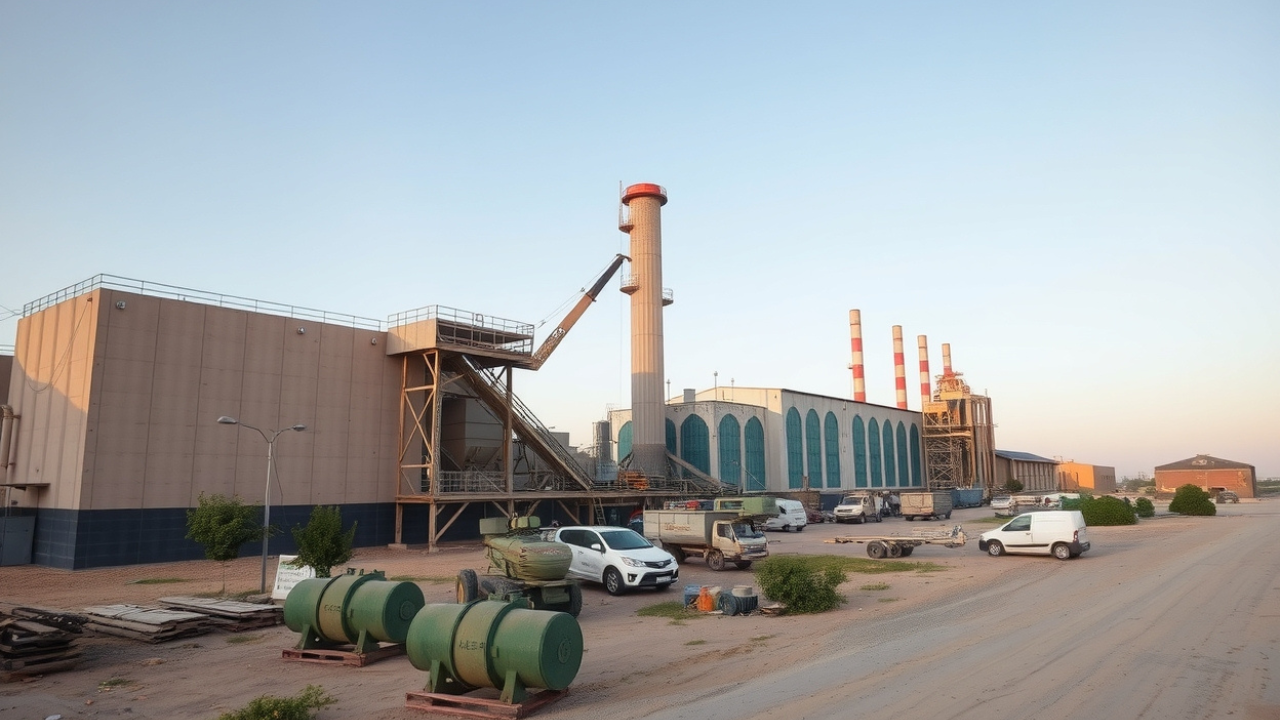
LISCO is one of the biggest steel companies in North Africa. It started in 1979 and has grown a lot. By 2004, it became one of the largest steel producers in the Arab world. It makes steel sheets, rods, and coils. These products are used inside Libya and exported to other countries. LISCO proves that Libya has strong potential in heavy industry.
2. Libyan Cement Company (LCC)
LCC is the largest cement producer in Libya. It started in 1972 and has three big plants in Benghazi, Hawari, and Al-Fataiah. It provides one-third of all cement used in Libya. Even with difficult times, LCC has continued to grow and support construction. This shows that manufacturing in Libya can survive and expand.
3. Al-Naseem Dairy
Al-Naseem Dairy is one of Libya’s very well-known private companies. It is mostly based in Misrata and has around 750 workers. The company mainly makes milk, yogurt, and other dairy products. It shows that private businesses in Libya can grow and do quite well. The demand for locally made food products is slowly increasing, making food processing a pretty good sector for investment.
4. Private Manufacturing During COVID-19
During the COVID-19 pandemic, some private manufacturers in Libya really helped keep food supplies somewhat stable. Many companies continued working even when global supply chains had quite a few problems. This kind of suggests that Libya’s private manufacturing sector can be pretty strong and fairly reliable in tough times.
Future of Libya’s Manufacturing Sector
Libya’s manufacturing industry will grow fast in the coming years. The government is making new rules to help businesses invest. More industrial zones and free trade areas will open very soon. This will make it very easy for the companies to start factories and expand.
The need for manufactured goods is also rising very fast. Libya is rebuilding, and many new construction projects need steel and cement. More people are also buying local food products. This is a good chance for investors to enter early and make profits.
New technology will surely help the industry quite a bit. Many factories still use fair old machines. But with some new investments, modern equipment might slowly replace them. This could help companies produce a bit more and maybe sell in global markets. Investors who bring new technologies first will have a pretty big advantage.
Expanding Libya’s Export Potential
Libya has a strong location for exporting manufactured goods. It is very close to Europe, Africa, and the Middle East. This makes it a lot easier and cheaper to send products to other countries. Right now, Libya mostly exports oil, but the government want to increase exports from manufacturing at some point.
The steel and cement industries have a pretty big chance to grow through exports. Neighboring countries need building materials, and Libya might be able to supply them. If factories manage to increase production, they could sell more goods internationally
Food processing is another sector with export potential. Libya already produces dairy, flour, and packaged food products. With better packaging and quality control, these products can be sold in foreign markets. Investors who start food processing businesses now can take advantage of this growing opportunity.
Industrial zones near ports will also help boost exports. The Misrata Free Zone allows businesses to store, process, and ship goods easily. More industrial zones are planned, making it easier for companies to trade internationally.
If Libya keeps working on improving export policies and trade agreements, manufacturing exports will surely increase at a good pace. Investors who get in early enough can lead the market and possibly take advantage of Libya’s strategic trade location.
Conclusion
Libya’s manufacturing sector is growing really fast. Libya has many resources, low costs, and a great location for exports. The government is making new rules to help businesses invest easily. More industrial zones and free trade areas are opening, making it cheaper and faster to start factories.
Many industries have huge potential. The demand for steel, cement, and food products is rising. Libya needs more local production to reduce imports and support construction and infrastructure. Investors who enter now can take advantage of this growth and make big profits.
Challenges like infrastructure and skilled labor shortages still exist. But the government is fixing these problems with better roads, power projects, and worker training programs. As these improvements continue, doing business in Libya will become even easier.
The future of manufacturing in Libya looks strong. Investors who move early will get the best opportunities. With the right planning and support, manufacturing can become a major part of Libya’s economy, bringing long-term success for businesses and the country.
FAQs
- Why invest in Libya’s manufacturing sector?
Libya has low costs, high demand, and a good location for exports. The government is also making investment easier. - What industries have the best opportunities?
Steel, cement, and food processing have high demand. These industries are growing fast and need more investors. - Are there tax benefits for investors?
Yes. Free zones like Misrata Free Zone offer tax breaks, cheap land, and easy trade rules. - Can Libya export manufactured goods easily?
Yes. Libya is close to Europe, Africa, and the Middle East. This makes exporting fast and cost-effective. - What challenges should investors expect?
Some areas lack good infrastructure and skilled workers. But the government is fixing these problems with new roads, power projects, and training programs.




0 Comments