
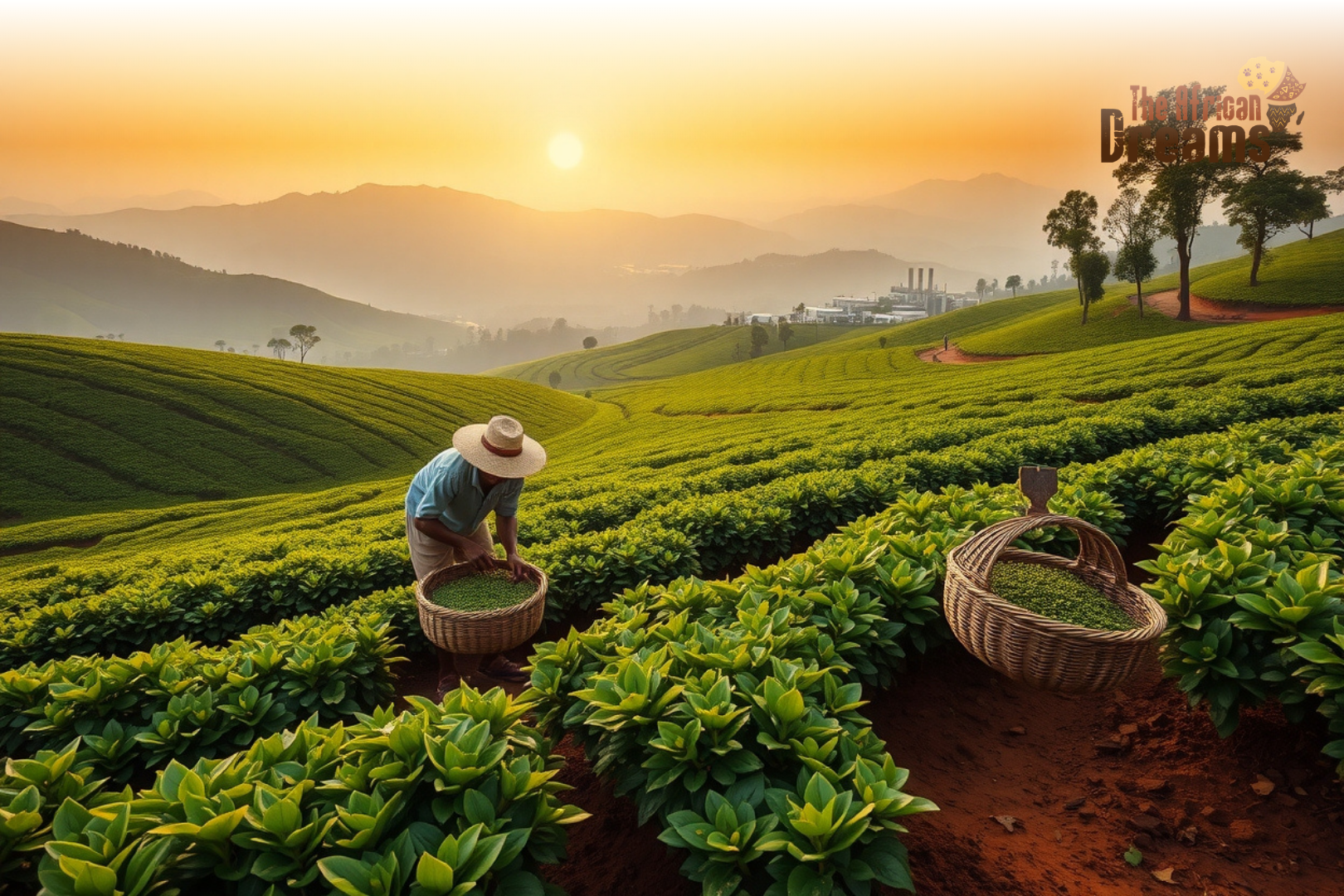
Brewing Opportunities in Kenya’s Tea Sector
Kenya is not just known for its wildlife and scenic landscapes; it’s also the world’s leading exporter of black tea. Tea is the backbone of Kenya’s agriculture, contributing over 23% to the country’s total foreign exchange earnings. For investors, this is more than just a statistic. It’s a sign.
Tea farming in Kenya is one of the most structured and profitable agricultural sectors in the country. From smallholder plots in the highlands to sprawling estates in Kericho and Bomet, the sector is built for scale and growth.
Demand for Kenyan tea continues to grow in markets like Pakistan, Egypt, the UK, and Sudan. Its rich flavor and high quality give it a strong brand identity globally. As the market expands, so do the opportunities.
Whether you’re a first-time agri-investor or a seasoned player looking to diversify, Kenya’s tea industry offers promising returns, low entry barriers, and long-term potential. This blog will walk you through why tea is Kenya’s green gold and why now is the time to invest in it.
Upon reading this article, you will be able to,
Understand the historical growth and global standing of Kenya’s tea industry, including how it became the world’s leading black tea exporter.
Discover the key players driving the sector from smallholder farmers and KTDA to multinational estates and regulatory bodies.
Learn about the wide range of investment opportunities across the tea value chain, from cultivation and processing to branding and export logistics.
Explore the government policies, incentives, and infrastructure developments that are making Kenya an attractive destination for agri-investment.
Identify the major risks in the tea sector, like climate change and market fluctuations, and learn practical strategies to mitigate them.
Get inspired by real-life success stories and actionable steps for starting your own investment journey in Kenya’s thriving tea economy.
The Legacy and Growth of Kenya’s Tea Industry
A Century-Old Success Story
Tea farming in Kenya started over a hundred years ago, introduced by colonial settlers around 1903. What began as a small experiment in Limuru has grown into a billion-dollar industry. Kenya has since become the third-largest tea producer in the world.
From those early days, tea has become part of Kenya’s identity—economically, culturally, and agriculturally.
From Local Fields to Global Markets
Today, Kenya is the largest exporter of black tea globally, outpacing traditional tea giants like India and Sri Lanka in terms of export volume. In 2023 alone, Kenya exported approximately 450 million kilograms of tea, generating more than $1.2 billion USD in revenue.
The country’s high altitude, ideal rainfall, and volcanic soil provide perfect conditions for tea cultivation. This natural advantage gives Kenyan tea its strong aroma and bright color, making it a favorite in international markets.
Rising Domestic and Global Demand
While international demand continues to rise, Kenya is also seeing a shift in local consumption. More Kenyan households are embracing premium and flavored teas, creating opportunities for value addition within the country.
In addition, global trends such as healthy lifestyles and natural beverages are pushing more consumers toward high-quality black and green teas, categories where Kenya is gaining momentum fast.
A Strong Foundation for the Future
With a legacy built on decades of cultivation, processing, and trade, Kenya’s tea sector stands on solid ground. It has the systems, workforce, and export infrastructure that make it one of the most attractive agribusiness sectors on the continent.
Key Players and Industry Structure
The Backbone: Smallholder Farmers
Kenya’s tea industry is driven by its people, especially the over 600,000 smallholder farmers who cultivate tea on small plots of land, usually under one acre. Despite their size, these farmers are responsible for more than 60% of national tea production.
They typically operate through local cooperative societies, which help them pool resources, access training, and benefit from economies of scale. These cooperatives ensure small farmers stay competitive in a global market.
KTDA: The Powerhouse Behind Smallholders
At the heart of this smallholder system is the Kenya Tea Development Agency (KTDA), a farmer-owned organization. KTDA runs 66 tea factories and provides end-to-end support, offering seedlings, agronomic advice, processing services, marketing channels, and access to international buyers.
KTDA is also active in financial services. It gives farmers access to affordable credit, insurance, and fertilizer subsidies. This makes it easier for even first-time growers to scale operations and earn steady incomes.
For investors, KTDA represents a ready-made network for collaboration—one that is already trusted and efficient.
Private Tea Estates and Multinational Giants
In addition to smallholders, Kenya also has vast private estates managed by established firms. These include:
-
James Finlay Kenya
-
Williamson Tea
-
Unilever Tea Kenya (rebranded as Lipton Teas & Infusions)
These companies run commercial plantations with advanced machinery, large labor forces, and modern irrigation systems. They also maintain direct access to export markets, often branding and packaging their own tea for sale in Europe, Asia, and the Middle East.
Their operations bring in significant foreign direct investment and create thousands of jobs, especially in Kericho, Nandi, and Nyeri counties.
Regulators: Setting Standards and Building Confidence
Oversight of the industry lies with the Tea Directorate, operating under the Agriculture and Food Authority (AFA). This body ensures high standards in tea production, licensing, environmental protection, and labor practices.

Investment Opportunities in the Tea Value Chain
A Sector Built for Sustainable Profit
Kenya’s tea industry is designed for scalability. It offers multiple investment points across the value chain—from planting and harvesting to processing, packaging, and exporting. This structure provides options for both small and large investors.
Unlike many sectors that require massive capital to enter, tea farming and processing offer flexible models, including land leasing, joint ventures, and contract farming.
Let’s break down where the real opportunities lie.
Tea Cultivation: From Soil to Leaf
Kenya’s tea-growing regions—such as Kericho, Nandi, Meru, and Nyeri—have rich volcanic soils, regular rainfall, and favorable altitudes. These natural factors create optimal conditions for high-quality tea leaves.
Investors can:
-
Purchase or lease fertile land in these high-potential regions.
-
Work directly with farmer cooperatives for large-scale leaf sourcing.
-
Implement modern farming practices such as drip irrigation, shade netting, and pest-resistant clones.
-
Explore the organic tea niche, which commands higher global prices.
With climate change impacting production elsewhere, Kenya’s highlands remain relatively stable, making them attractive for long-term agricultural investments.
Processing: Adding Real Value
Once harvested, tea leaves must be processed within hours to preserve their quality. This creates an opportunity to invest in:
-
Mini-processing factories near farming zones.
-
Orthodox tea processing units produce more delicate and higher-value teas.
-
Green and specialty tea lines, targeting health-conscious consumers worldwide.
KTDA and private factories are already active in processing, but the demand is growing. There is a need for more localized processing units to reduce transport delays and leaf spoilage.
Technological improvements like automated withering troughs, solar dryers, and clean energy boilers can improve efficiency and appeal to climate-focused investors.

Packaging and Branding: Moving Beyond Bulk Exports
More than 90% of Kenyan tea is exported in bulk and branded overseas. This means Kenya loses out on higher margins and brand value. Local value addition is the next frontier.
Opportunities include:
- Establishing packaging plants for finished teas.
- Creating unique Kenyan brands for specialty markets.
- Exporting ready-to-drink tea products (iced teas, tea concentrates).
- Building a local supply chain for premium and organic tea retail.
With global e-commerce platforms like Amazon and Alibaba, even small brands can find buyers abroad. Kenya’s untapped storytelling potential—its altitude, climate, and farmer legacy—can drive a strong brand identity.
Export and Global Market Access
Kenya’s tea is already reaching over 50 countries, including strong markets like Pakistan, Egypt, the UK, the UAE, and Sudan. The port of Mombasa, one of Africa’s busiest, serves as a reliable export gateway.
Investors can:
- Start bulk tea export companies.
- Set up distribution centers in key trade corridors.
- Partner with foreign retailers and supermarkets to stock Kenyan-branded teas.
Trade agreements under COMESA, AfCFTA, and EU trade pacts further reduce tariffs and expand access to fast-growing markets in Africa, Europe, and Asia.
Tech, Logistics, and Support Services
There are plenty of indirect yet profitable areas to invest in, including:
- Cold storage for fresh leaf transport.
- Mobile apps for supply chain tracking, farm input management, and payment systems.
- Training hubs to teach farmers organic techniques, climate resilience, and post-harvest handling.
- Warehousing, transport fleets, and rural road development.

Government Initiatives and Support
A Strong Policy Backbone for Tea Sector Growth
The Kenyan government has long identified tea as a top foreign exchange earner and employment generator. In response, it has crafted a solid policy framework to support the industry and encourage investment.
The Tea Act of 2020 introduced major reforms. It established a more transparent auction system, ensured fairer earnings for smallholders, and enforced stricter licensing and registration processes. This law also empowered the Tea Board of Kenya, which now operates under the Agriculture and Food Authority (AFA), to monitor quality, set export standards, and protect industry integrity.
Financial Incentives to Attract Investment
To make investing in tea more accessible and profitable, the government offers several financial incentives:
-
Subsidized fertilizer programs aimed at reducing production costs for both small and large-scale farmers.
-
Import duty exemptions for agricultural machinery and factory equipment.
-
Tax relief and holidays for agribusiness startups and companies engaged in value addition.
Through partnerships with financial institutions, the government also facilitates low-interest loans and grants for tea-related projects, including processing units, irrigation systems, and rural infrastructure.
Organizations such as the Agricultural Finance Corporation (AFC) and Youth Enterprise Development Fund also provide tailored financing for agri-entrepreneurs.
Infrastructure and Export Enhancement
Infrastructure is a major focus. The government has invested in building and upgrading:
-
Rural roads in tea-producing areas for faster transport of green leaves.
-
Electricity and water supply for small-scale tea factories.
-
Digital platforms to streamline operations in the Mombasa Tea Auction, the world’s largest black tea auction center.
At the international level, the government is negotiating more bilateral and regional trade agreements, improving access to emerging markets like China, Iran, and Eastern Europe.
Challenges and Risk Mitigation
Climate Change and Unpredictable Weather
Tea farming depends heavily on consistent rainfall and cool temperatures. But climate change is bringing longer dry spells, unpredictable rains, and rising temperatures. These factors affect both yield and quality.
To address this, farmers are shifting to drought-resistant clones, mulching techniques, and climate-smart irrigation systems. Investors can also fund or adopt agroforestry practices to stabilize ecosystems around tea farms.
Market Price Fluctuations
Global tea prices can rise or fall based on supply-demand dynamics, weather conditions in other producing countries, and currency shifts. For Kenyan exporters, this price volatility can affect earnings.
One way to reduce this risk is by investing in value-added tea products, which offer more stable pricing than bulk exports. Creating niche brands also builds pricing power.
Land Ownership and Legal Hurdles
Investors may face issues related to land titles, especially in rural counties where ownership can be undocumented or communal. Delays in approvals and legal disputes are also possible.
Working with local legal advisors and county governments helps ensure proper due diligence and smooth acquisition or leasing processes.
Labor Costs and Workforce Dynamics
While labor is generally affordable, the tea sector in Kenya has seen increasing scrutiny on worker welfare and fair wages. Ethical sourcing and labor standards are growing global concerns.
Investors should prioritize fair labor practices, certification programs, and employee training to avoid reputational risks and align with global buyers’ standards.
Case Studies: Successful Investments in Kenyan Tea
Kiru Tea Factory – Empowering Local Farmers
In Murang’a County, Kiru Tea Factory has become a model of success within the KTDA network. The factory works with thousands of smallholder farmers and has invested in energy-efficient machinery, water harvesting systems, and real-time monitoring tools.
These improvements have helped increase processing efficiency and reduce costs. Farmers benefit directly through higher monthly payouts and annual bonuses. The factory’s commitment to sustainability has also made it attractive to eco-conscious international buyers.
By reinvesting earnings into infrastructure and farmer training, Kiru shows how investor-farmer alignment can be both profitable and impactful.
Unilever Tea Kenya – Global Standards in Local Soil
For decades, Unilever Tea Kenya (now known as Lipton Teas & Infusions) has operated vast estates in Kericho, one of Kenya’s prime tea-growing regions. The multinational company manages its entire supply chain—from farm to export—ensuring quality and traceability.
What makes their operation stand out is the integration of social impact. Unilever invested in:
-
Worker housing and health clinics
-
Schools and daycare centers
-
Tree planting and biodiversity protection
Their long-term approach shows that foreign direct investment in tea farming can thrive when combined with ethical practices and employee welfare.
Out-Grower Models – Building Business with Trust
In Embu, Meru, and Bomet, private firms are adopting out-grower schemes to secure quality leaf supply. These firms:
-
Offer tea seedlings and farm inputs
-
Train farmers in agronomic best practices
-
Buy harvested leaves at fair, pre-agreed prices
This model ensures stability for both sides—farmers get a guaranteed market, and processors get consistent supply. Some firms also share profits or offer dividends to farmers, making them co-investors in the business. These inclusive models are now being supported by banks and NGOs as scalable, investor-friendly solutions.
Steps to Investing in Kenya’s Tea Industry
1. Conduct In-Depth Market Research
Every successful investment begins with understanding the market. Kenya is best known for its CTC (crush, tear, curl) black tea, which dominates exports. However, trends are shifting toward orthodox, green, herbal, and flavored teas.
Investors should study:
-
Global tea consumption patterns
-
Target export markets
-
Local supply chains and production zones
Understanding value addition gaps and identifying potential partners early helps shape a clear investment strategy.
2. Understand Legal and Regulatory Requirements
To operate in the Kenyan tea sector, investors must:
-
Register a business with the Kenyan authorities
-
Apply for a license from the Tea Board of Kenya
-
Comply with land use regulations under county laws
-
Complete environmental impact assessments for processing facilities
Foreign investors may also need approval from the Kenya Investment Authority (KenInvest) and clearance for land ownership, depending on location and land size.
Working with local lawyers or investment consultants helps avoid legal pitfalls and accelerates setup.
3. Build Strategic Local Partnerships
Local networks are essential for smooth operations. Investors can:
-
Partner with KTDA-managed factories
-
Form joint ventures with farmer cooperatives
-
Collaborate with county agriculture offices for permits and extension services
Partnerships reduce operational risk, build community trust, and unlock access to land, labor, and infrastructure.
4. Secure Financing and Risk Protection
Investment capital can come from:
-
Local and international banks offering agribusiness loans
-
Development partners like IFAD, USAID, and AfDB
-
Government subsidies or grants for tea processors and exporters
Additionally, organizations like MIGA (World Bank Group) and ATI (African Trade Insurance Agency) offer political risk insurance and investor protection in Kenya.
Investors are also encouraged to insure their crops, processing assets, and logistics chains to reduce potential losses.
5. Start Small, Then Scale
Kenya’s tea ecosystem is dynamic but can be complex. Starting with a pilot project, testing operations in one region, and scaling gradually helps refine the model while managing costs and risks.
Future Outlook: The Road Ahead for Kenyan Tea
Global Demand Continues to Rise
The international tea market is evolving. Consumers across Asia, Europe, and North America are seeking health-conscious beverages, creating a growing demand for green tea, herbal infusions, and specialty blends. Kenya, traditionally known for bulk black tea, is now exploring these segments.
The shift from commodity to value-added products means Kenya can move up the global value chain, earning more per kilogram of tea exported. This is an opportunity for branding, packaging, and even ready-to-drink innovations.
Embracing Technology in Production
Kenya’s tea sector is slowly but steadily adopting technology. Farmers are using mobile apps to monitor prices, receive extension support, and access microloans. On the factory side, automation is reducing energy consumption and boosting processing speed.
Digital platforms like the Mombasa Tea Auction e-system make trading more transparent and accessible, attracting both local and international buyers.
These innovations are making the entire value chain more efficient and investor-friendly.
Sustainability Will Drive Market Access
Sustainable farming isn’t just an environmental concern—it’s a market demand. More buyers are asking for Rainforest Alliance or Fair Trade-certified teas. Kenyan producers are responding by adopting agroforestry, climate-smart irrigation, and organic practices.
This positions Kenya to attract premium buyers and impact-focused investors.
The future of Kenyan tea lies in doing more with less—better practices, smarter systems, and higher-quality products. Investors who align with this direction will be well-placed for long-term returns.
Conclusion
Kenya’s tea industry is more than just a national asset—it’s a global investment opportunity rooted in rich soils, skilled labor, and growing international demand.
From smallholder farming to large-scale processing, from local branding to global exports, the sector offers diverse and scalable entry points for investors.
With government support, strong infrastructure, and rising interest in sustainable products, Kenya is ready for its next chapter in tea.
For those looking to invest in agriculture with real returns, real impact, and real growth, Kenya’s tea industry is the perfect blend.

0 Comments