
Introduction
For Mozambique’s agriculture sector, the period is approaching a very disruptive transformation through technological innovations in agri-logistics. This is an extremely important sector for the economy that has to face a variety of challenges, from inefficient supply chains to limited access to decent markets for smallholder farmers. State-of-the-art technologies such as artificial intelligence, blockchain, and autonomous means of transportation would be promising ways out of these perennial issues for this sector. The article addresses the current landscape, technological advancement, and tangible impacts of agri-logistics technology investments, trying to draw out the case for potential investors.
Article Highlights
Smart Warehousing and Real-Time Monitoring Systems to enhance efficiency and customer satisfaction.
Autonomous Vehicles and Blockchain Technology: Cost reduction and increased traceability.
There are some significant economic and social impacts seen, with improved infrastructure that has facilitated better access to the market.
Strategic frameworks from organizations like the FAO are guided towards sustainable improvement in agriculture.
Attractive returns on investment by way of the successes of the agritech startups, which support and empower local farmers, commensurately accrue to investors.
Technology in Agri-Logistics: A Promise
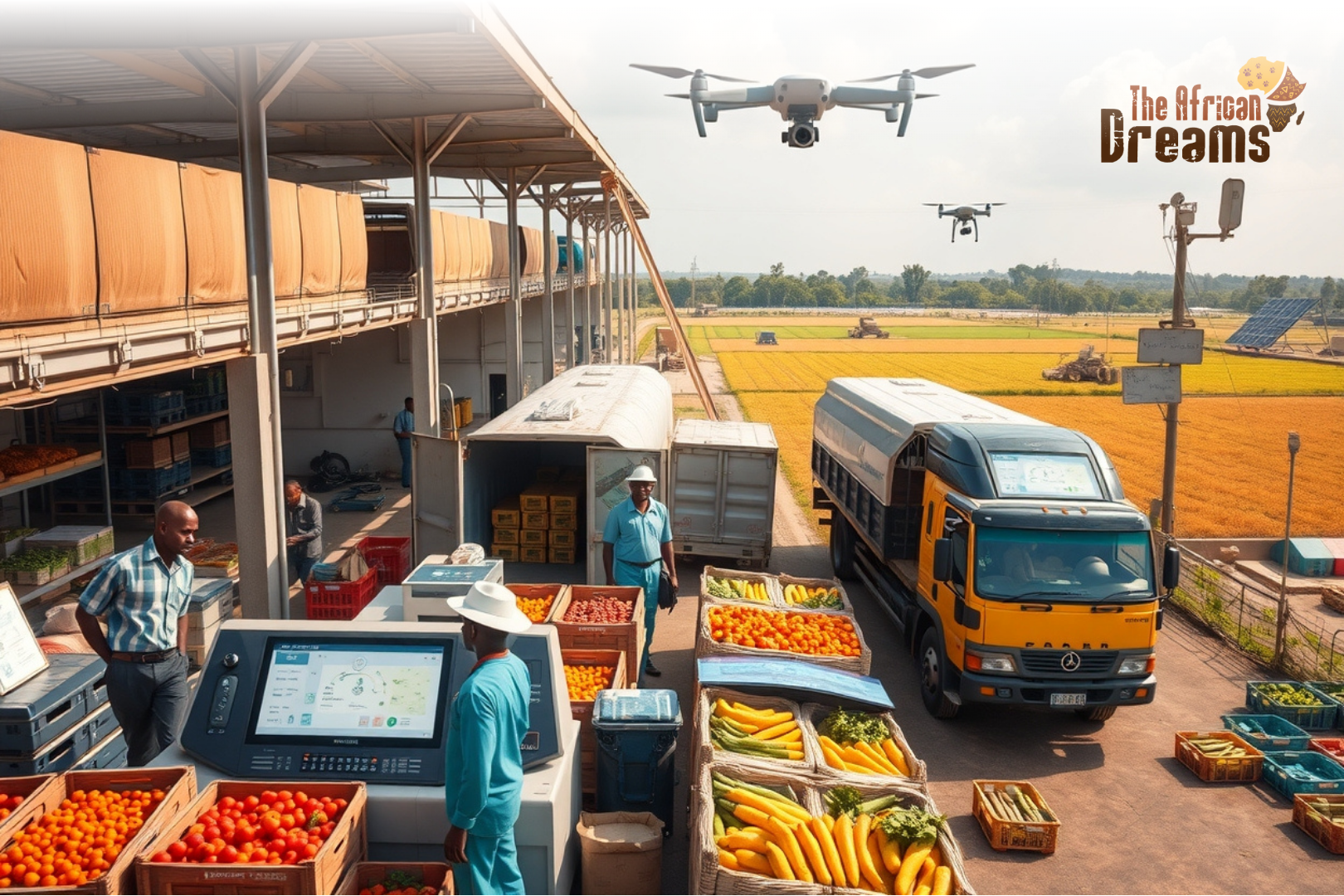
Smart warehousing and real-time monitoring systems have already started changing the way supply chains work in Mozambique, where almost 80% work in agriculture. Technologies such as AI and IoT are conceived to have their applications run down to optimizing storage and transportation; even now, there are massive reductions in waste and an improved quality of products in transit. Today’s sensors and GPS tracking devices do what their forerunners did, but more importantly, deliver actionable data that will enable the prevention of losses and get products onto markets in optimal condition.
Moreover, with the innovation of drones and self-driving trucks as independent means of transportation, delivery services are taking a different turn. Such technologies reduce operational costs and speed up the distribution chain to deliver farm produce quickly and reliably.
Economic and Social Enhancements
These have been of great benefit in the upgrading of infrastructure, as emphasized by the activities of the World Bank along the Zambezi Valley and Nacala Corridor. These include improvements to the roads and an upgrade to the water distribution networks, thereby enhancing farmers’ accessibility to the markets and increasing their potential chances of earning sustainable incomes. Over 200,000 people continue to benefit from these enhancements, the majority of whom are women, thereby increasing gender equality in this region.
Harnessing Global Innovations
Start-ups across the continent are setting up new business models from which Mozambique itself can learn. Companies like Thrive Agric and AgroCenta empower farmers with technology, providing them with platforms that link them directly with bigger markets and ensuring they are outpatient fairly for their produce. Models of this kind not only improve welfare in the local economy but also pull international investors who yearn for sustainable, profitable opportunities.
Role of FAO and Strategic Frameworks
The Food and Agriculture Organization has been very instrumental in laying down a strategic framework that aligns squarely with the agricultural goals of Mozambique. The Country Programming Framework has objectives enhancing production, nutrition, environmental sustainability, and life quality, with consequent focus areas for programs. This framework thus underpins the development of an employing, resilient, efficient agricultural sector able to adapt itself to the challenges that emerge from climate change and global market demands.
The Investment Appeal
While there may be funding, investment in agri-logistics technology in Mozambique requires a well-built, supportive ecosystem to achieve long-term exit goals for the economy. It is also supported by the success stories of agritech startups, which demonstrate the potential for such high returns on investment. Therefore, joining that potential growth path for investors in Mozambique presents an opportunity to attract great economic benefits while giving back to general social wellbeing.
The Broader Impact of Agri-Logistics Investments
Now, given the tentative broader implications of investing in agri-logistics technologies, one can hardly overemphasize how developments may impact a country’s economic stability and growth. Improvements in log/agricultural logistics increase food distribution throughout the supply chain, thereby reducing carbon emissions associated with traditional farming practices. Therefore, using technology-driven solutions can help businesses maintain the perfect balance between profitability and sustainability, ushering them into a greener, more sustainable future.
This does not stop or end at improved logistical levels in agriculture. It encompasses data-driven decision-making, improving crop yields with reduced water and pesticide use, more efficient weather forecasting, increased global production, and enhanced trade зерн. At the country level, such developments assume great significance for Mozambique, which is vulnerable to climatic variability, where agriculture remains the backbone of livelihoods in rural areas.
Enhancing Local Economies Through Agri-Tech
Agri-tech will not only transform logistics but also build local economies by creating jobs and strengthening a locale’s workforce with better expertise. The technological shift demands new skills, thereby opening the way for training and development that could help raise the standards of the local workforce to international levels. This attribute of agri-tech investment is quite attractive, as it offers long-lasting gains in workforce capability and economic diversification.
Conclusion
The integration of technology in Mozambique’s agricultural logistics represents a frontier for exponential growth and efficiency. For potential investors, the time is perfect to engage with a sector poised for transformation. With strategic investment in agri-logistics technology, Mozambique can overcome traditional barriers, enhance its food supply chain, and unlock new opportunities for its agricultural market.




0 Comments