
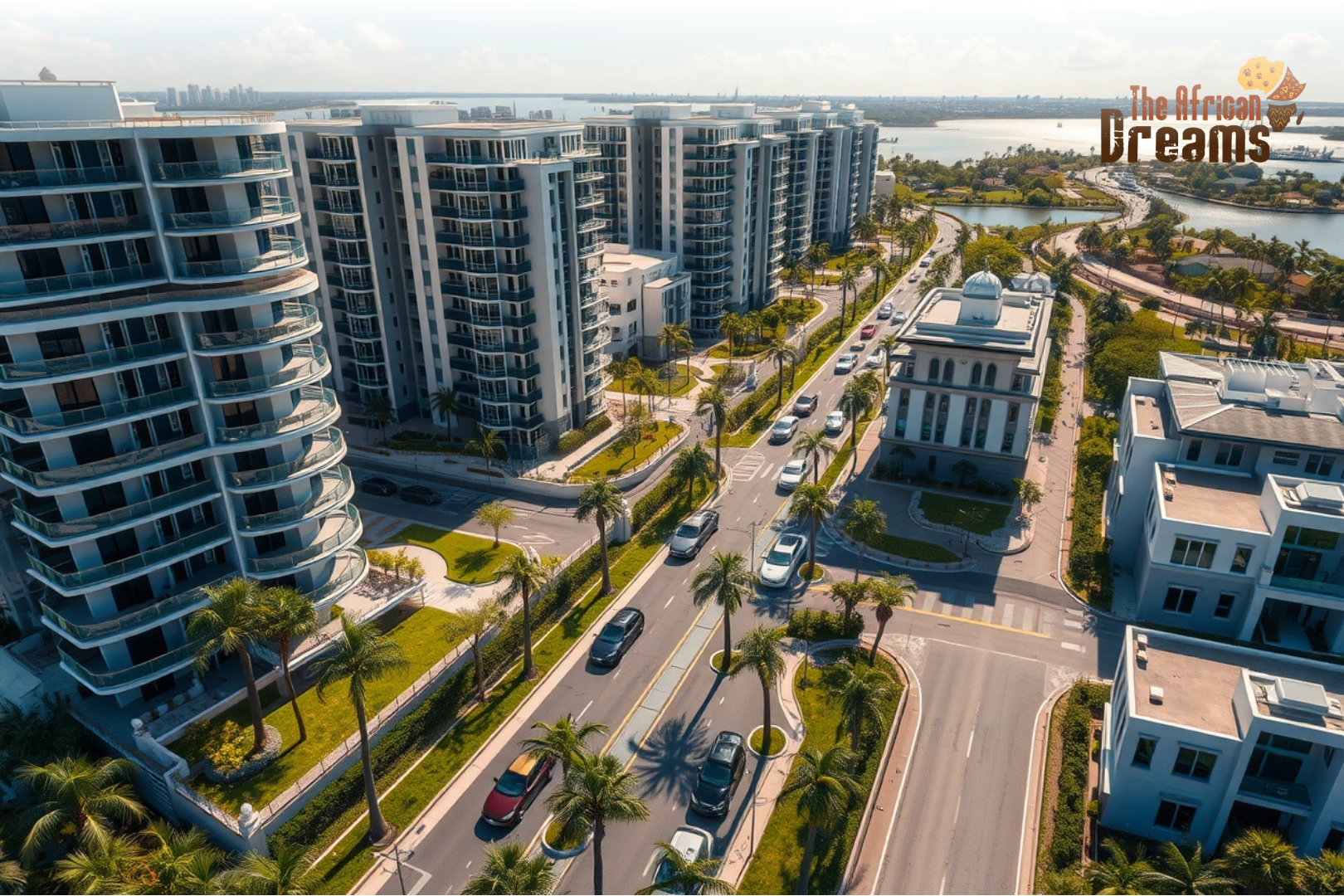
Nigeria’s real estate market is one of the most vibrant in Africa, offering immense opportunities for investors. In particular, the luxury real estate sector has shown significant growth driven by increasing wealth, urbanization, and a growing demand for high-end properties. Whether you’re a first-time investor or looking to expand your portfolio, this guide will help you navigate Nigeria’s luxury real estate market.
Introduction to Nigeria's Luxury Real Estate Market
Overview of the Nigerian Real Estate Landscape
The Nigerian real estate market has grown steadily over the years, contributing around 5.64% to the national GDP in Q2 2024. Urban areas like Lagos, Abuja, and Port Harcourt dominate the market, showcasing a blend of residential, commercial, and luxury properties.
Growth and Demand in the Luxury Segment
The demand for luxury real estate in Nigeria is driven by high-net-worth individuals (HNWIs) and expatriates. Lagos and Abuja, as economic and political hubs, have become hotspots for luxury properties. The value of Nigeria’s luxury property market was estimated at over $8 billion in 2023 and is projected to grow by 6% annually.
Why Invest in Nigerian Luxury Properties?
Investing in luxury real estate in Nigeria offers opportunities for high returns, portfolio diversification, and wealth preservation. With a growing middle and upper class, the demand for premium properties continues to rise, providing steady rental income and long-term appreciation potential.
Key Locations for Luxury Real Estate Investment
Lagos: The Economic Powerhouse
Ikoyi and Victoria Island: Hubs of Affluence
Ikoyi and Victoria Island are synonymous with luxury. Properties here are valued between $500,000 and $5 million, depending on size and amenities. Notable developments include 4 Bourdillon, a luxury high-rise with apartments priced at $1.5 million.
Lekki and Banana Island: Emerging Luxury Destinations
Lekki has seen a surge in luxury developments, with gated communities offering modern amenities. Banana Island, an exclusive enclave, features mansions priced between $2 million and $20 million. Its proximity to Lagos’s business districts makes it ideal for affluent buyers.
Abuja: The Political Capital
Maitama and Asokoro: Prestigious Neighborhoods
Maitama and Asokoro are home to government officials and diplomats. Properties here often feature sprawling mansions priced between $1 million and $10 million. These areas are also known for their security and exclusivity.
Port Harcourt: The Oil and Gas Hub
Old GRA and New GRA: Prime Residential Areas
Port Harcourt’s Old and New Government Reserved Areas (GRAs) are popular for luxury homes. Properties range from $500,000 to $3 million, catering to executives in the oil and gas sector.
Understanding the Luxury Real Estate Market Dynamics
Market Trends and Buyer Preferences
Technological Integration and Smart Homes
Smart home features such as automated lighting, security systems, and energy-efficient designs are in high demand. Luxury developments like The Address Homes in Lagos exemplify this trend.
Eco-Friendly and Sustainable Designs
There is a growing interest in eco-friendly designs, with developers incorporating solar panels, rainwater harvesting systems, and energy-efficient appliances to meet buyer preferences.
Factors Driving Demand
Urbanization and Population Growth
Nigeria’s population is expected to reach 400 million by 2050. This rapid growth fuels urbanization, increasing demand for housing in prime locations.
Economic Stability and Wealth Creation
With Nigeria’s GDP growth projected at 3.7% in 2024, the country’s wealthier demographics continue to invest in luxury properties as a hedge against inflation and currency depreciation.
Steps to Investing in Luxury Real Estate
Conduct Thorough Market Research
Analyzing Market Trends and Property Values
Researching market trends and historical property values is essential. Tools like property listing websites and reports from agencies such as Nigeria Property Centre can provide valuable insights.
Identify Prime Locations
Assessing Infrastructure and Accessibility
Focus on areas with excellent infrastructure, proximity to business hubs, and access to quality amenities like schools and hospitals. For example, Ikoyi’s roads and connectivity make it a preferred location.
Evaluate Developer Reputation
Importance of Choosing Reputable Developers
Work with established developers known for delivering quality projects. Developers like Eko Atlantic City have transformed Lagos’s skyline with iconic buildings.
Understand Legal and Regulatory Frameworks
Navigating Property Laws and Documentation
Real estate transactions in Nigeria require careful attention to land titles, Certificates of Occupancy, and deed agreements. Engaging a property lawyer can help avoid pitfalls.
Secure Financing and Budgeting
Exploring Funding Options and Financial Planning
Options include bank mortgages, private financing, or personal savings. Ensure your budget accounts for additional costs like taxes, agency fees, and maintenance.
Benefits and Risks of Investing in Luxury Real Estate
Potential High Returns on Investment
Luxury properties in prime locations often appreciate faster than the broader market. For instance, properties in Banana Island have seen annual appreciation rates of 10% to 15% over the past decade.
Portfolio Diversification and Wealth Preservation
Investing in real estate provides a stable asset class to diversify your portfolio, especially during economic uncertainty.
Risks to Consider
Market Volatility and Economic Factors
Currency fluctuations, inflation, and economic downturns can impact property values and rental income.
Regulatory and Legal Challenges
Navigating Nigeria’s regulatory environment can be complex. Ensure all property documents are verified to avoid disputes.
Tips for Successful Investment
- Engage with Real Estate Professionals: Consult agents, property managers, and legal experts to guide your investment process.
- Stay Updated on Market Developments: Follow market trends, government policies, and infrastructure projects to identify emerging opportunities.
- Consider Long-Term Investment Strategies: Luxury real estate best suits long-term investors seeking capital appreciation and steady rental income.






0 Comments