
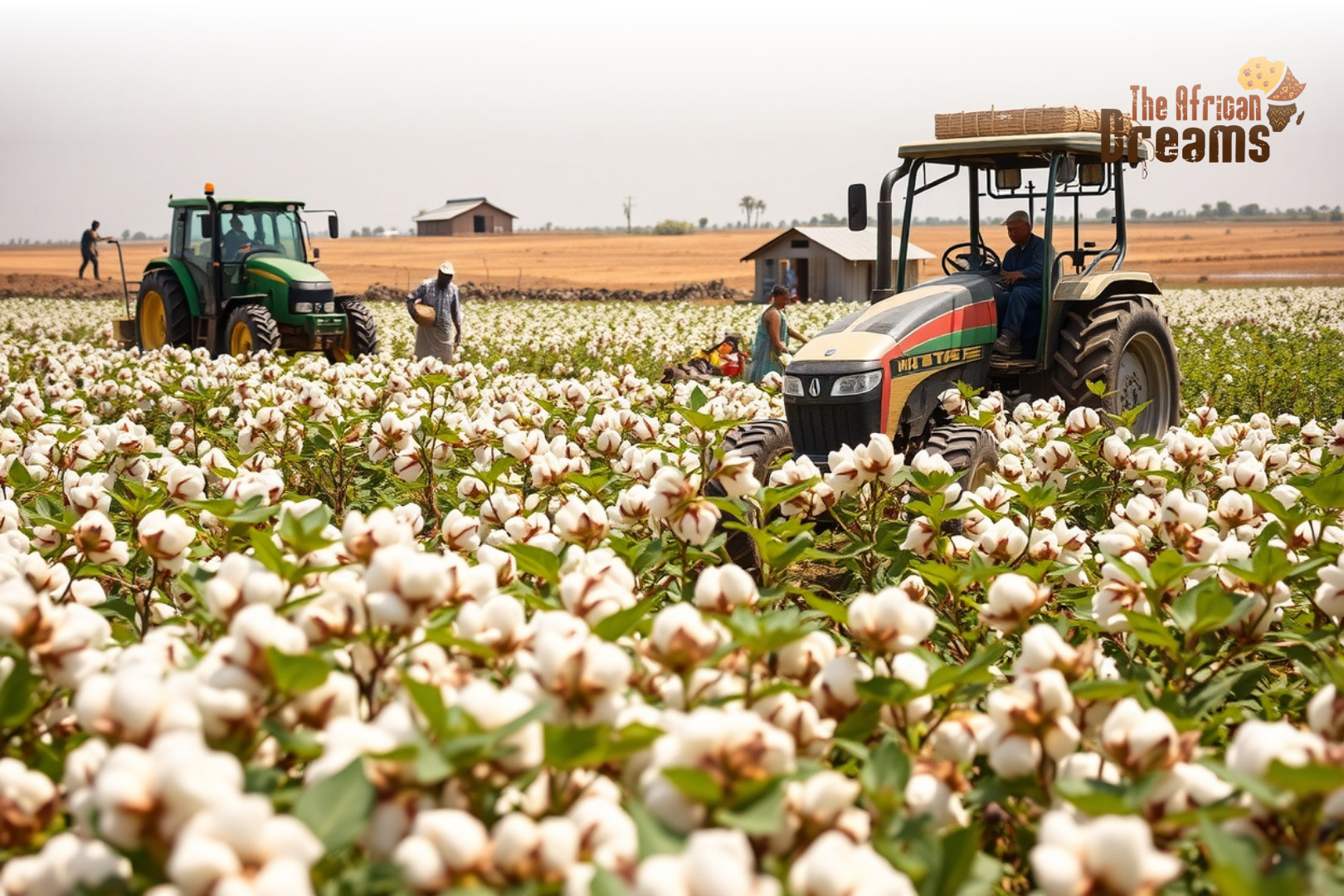
Senegal’s economy benefits greatly from its agriculture, with cotton playing a key role. This crop not only generates export revenue but also has the potential to drive further industrial development. As consumers around the world demand more ethical and sustainable products, Senegal is catching the attention of investors. These investors see potential in the country’s move towards organic and sustainable cotton.
In the global textile market, Senegal stands out. It offers unique opportunities because of its commitment to organic farming and improving the local cotton industry’s standards. Efforts like these align with global sustainability trends. They make Senegal an attractive option for investors seeking an ethical, forward-thinking market. In this blog, we will discuss this.
The Challenges
Senegal’s cotton industry, while promising, faces many hurdles.
- One major issue is the outdated agricultural technology used in cotton farming. This limits the amount and quality of cotton that can be produced. Farmers often struggle with old machines that break down and are costly to repair. This makes it hard to keep up with the demands of a competitive global market.
- Another big challenge is the lack of modern infrastructure. Roads, storage facilities, and ports in need of improvement affect the efficiency with which cotton can be shipped to markets outside Senegal. This results in delays and higher costs, making Senegalese cotton less appealing to international buyers.
- Water management is also a critical issue. Cotton farming requires a lot of water, and without efficient irrigation systems, crops can fail. This not only reduces yields but also makes it difficult for farmers to switch to organic methods that could fetch higher prices on the global market.
- Lastly, fluctuations in global cotton prices can heavily impact local producers. When prices drop, it becomes hard for farmers to cover their costs, let alone make a profit. This financial instability discourages investment in the sector and can lead to economic hardships for those reliant on cotton farming.
The Solutions
To overcome these challenges, Senegal is implementing several strategic solutions. A major focus has been on modernizing agricultural technology. By introducing newer, more efficient farming equipment, Senegal aims to increase cotton production and improve crop quality. This upgrade helps farmers meet international standards, making their cotton more competitive globally.
Another key aspect of the solution is improving infrastructure. The government and its partners are investing in better roads, modern storage facilities, and more efficient ports. These improvements make it easier and cheaper to transport cotton, helping Senegal reach international markets more effectively.
Water management is also being addressed. New irrigation systems are being developed to use water more efficiently. These systems help maintain crop yields even in dry conditions and support the transition to organic cotton farming, which is in high demand on the global market.
Finally, to stabilize income for cotton farmers, initiatives are in place to hedge against global price fluctuations. These include establishing minimum price guarantees and exploring more stable contract arrangements with buyers. Such financial support aims to provide more predictable income for farmers, encouraging continued investment in cotton production.
Implementation
Implementing the solutions to revitalize Senegal’s cotton industry involved several strategic actions:
1. Modernization of Agricultural Equipment
a. Example: The introduction of high-efficiency tractors and seed drills has helped to double the acreage that individual farmers can cultivate, reducing labor costs and increasing yield per hectare.
2. Infrastructure Upgrades
a. Example: With funding from international donors, Senegal upgraded the port facilities in Dakar. This has improved export efficiency by reducing loading times for cotton shipments by up to 50%.
3. Improved Water Management Systems
a. Example: Installation of drip irrigation systems in the cotton-growing regions of Kaolack and Tambacounda has led to a 30% increase in water efficiency. This system targets water directly to the roots of plants, minimizing waste.
4. Economic Stability Initiatives
a. Example: The Senegalese government, in partnership with the West African Cotton Association (WACA), introduced a price floor for cotton. This guarantees farmers a minimum price per kilo of cotton, protecting them from global price fluctuations.
The Results
The implementation of modernization and sustainability strategies in Senegal’s cotton industry has led to significant improvements across several key areas. Cotton production has seen a marked increase, with a reported 20% rise in yield per hectare following the introduction of advanced farming technologies. This enhancement in productivity is attributed to better seed quality and more efficient farming equipment.
Furthermore, the upgrade of Dakar’s port facilities has streamlined the export process, reducing logistical costs and improving the timeliness of shipments to international markets. This has made Senegalese cotton more competitive on the global stage, increasing exports by 15% in the past year alone.
Water management improvements have also yielded positive outcomes. The introduction of drip irrigation systems has not only conserved water but also led to a 25% increase in crop reliability during dry seasons, supporting the sustainability goals of the cotton sector.
Economic measures, such as the implementation of a price floor, have provided farmers with financial stability, leading to increased investment in cotton cultivation and reduced income volatility among local communities.
These results demonstrate the effectiveness of the strategic interventions in boosting both the economic and environmental sustainability of the cotton industry in Senegal.
Final Remarks
The transformation of Senegal’s cotton industry is a testament to the power of strategic investment and modernization. As the industry embraces more sustainable practices and enhances its infrastructure, it is poised for significant growth. The rise in organic cotton production and improvements in export efficiency signal a promising future. Continued investment is essential not only to sustain these gains but also to integrate Senegal into global supply chains. The Sudanese government’s efforts to strengthen the cotton sector are crucial to helping Senegal become a leader in the global textile industry. This would boost the country’s economy and provide better jobs for its people. With ongoing support and collaboration, the Senegalese cotton sector stands ready to become a leading example of innovation and sustainability in the textile market.


0 Comments