
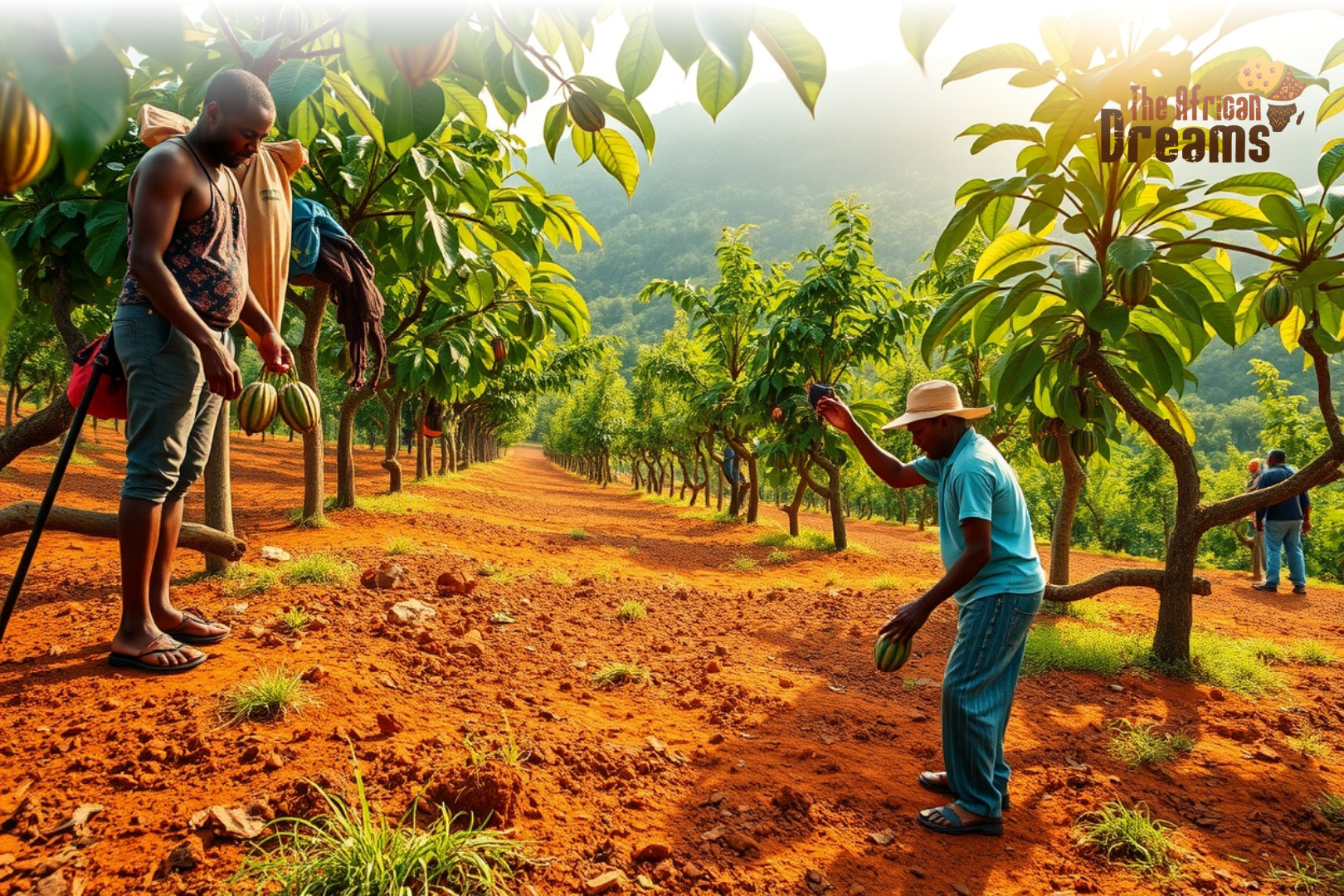
Did you know that cocoa production is one of the most profitable businesses in the world? Want to invest in agriculture? Then Cameroon’s cocoa industry is the perfect location for you. Cameroon is a key player in the cocoa industry, ranking as the fourth-largest producer in Africa. It has fertile land and a perfect climate for growing high-quality cocoa beans. These cocoa beans are of high value on the global market. Major chocolate companies looking for the best ingredients prefer these cocoa beans. However, despite these advantages, Cameroon’s cocoa sector faces significant challenges. Addressing these issues offers a great opportunity for growth.
This case study gives an insight into Cameroon’s cocoa industry. It depicts the challenges and opportunities that lie within the industry. Here, you will also discover why investing in Cameroon’s cocoa is a smart move. Without further ado, let’s dig in.
Existing Challenges of Cameroon's Cocoa Industry
Cameroon’s cocoa industry faces several challenges that impact its growth despite its potential.
- One of the primary issues is that many cocoa farms use outdated farming techniques. These old methods lead to lower yields and poorer quality cocoa beans. Thus, it becomes difficult for Cameroon to compete in the international market.
- Deforestation is another critical challenge. The expansion of cocoa farming often comes at the expense of Cameroon’s rich forests. It damages the environment and threatens the sustainability of the cocoa industry itself. Loss of biodiversity and land degradation are direct consequences of this deforestation, posing long-term problems for agricultural health and productivity.
- Moreover, the cocoa sector needs help with issues of traceability and sustainability. There is a significant gap in the ability to track cocoa from farms to consumers. This gap makes it tough to certify cocoa as sustainably produced. It becomes almost impossible to track which cocoa is produced sustainably. This lack of transparency can deter international buyers concerned about the environmental and ethical implications of the cocoa they purchase.
Addressing these challenges is crucial for the future of Cameroon’s cocoa industry.
Plausible Solution to the Existing Challenges
A multi-faceted approach is required to tackle the issues in Cameroon’s cocoa industry. The government, private sector, and international partners have collaborated to solve these. Central to these efforts is the “Roadmap to Deforestation-Free Cocoa.” This project seeks to balance the expansion of cocoa production with environmental sustainability. This initiative aims to improve farming practices, enhance biodiversity, and increase the productivity of cocoa farms.
The Roadmap outlines specific strategies, such as promoting agroforestry. Agroforestry integrates cocoa cultivation with other tree species to preserve soil fertility and protect against erosion. Adopting traceable and certified cocoa practices is also a part of this project. It ensures that cocoa beans are sustainably sourced and that farmers receive fair compensation.
To support these strategies, farmers are trained and given resources to help them adopt modern agricultural techniques. These programs will increase yields and educate farmers about sustainable cocoa production. The success of these initiatives relies heavily on continuous support and monitoring to ensure that sustainable practices expand.’
Implementation of Roadmap to Deforestation-Free Cocoa Project
Agroforestry
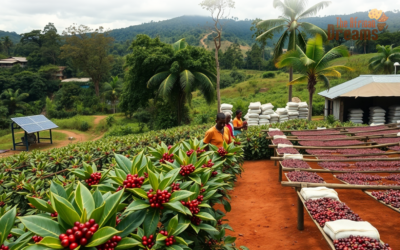
One of the central ideas of the Roadmap to Deforestation-Free Cocoa is promoting agroforestry. Integrating cocoa trees with other types of vegetation, such as fruit trees and timber plants, can be beneficial. It helps maintain soil fertility and biodiversity. For example, a program funded by the African Wildlife Foundation introduced agroforestry practices to communities near the Campo Ma’an National Park. This program improved local biodiversity while increasing cocoa yields.
Training Programs
Extensive training programs have educated farmers on sustainable farming techniques and forest conservation. For instance, the Tropical Forest and Rural Development program provided training sessions. In these sessions, farmers learned about better cocoa plant care, pest management, and sustainable land use practices. This initiative helped farmers transition to more productive and sustainable cocoa farming methods.
After the introduction of sustainable farming practices under the Tropical Forest and Rural Development program, farmers reported a notable increase in cocoa production. One farmer’s yield soared from 60 kilograms to 123 kilograms per hectare, and the selling price per kilogram also increased dramatically, showcasing an economic boost of over 118%.
Improving Traceability
The Roadmap initiative includes measures to establish a traceable path from farm to consumer. It ensures that cocoa beans are sustainably sourced. Programs involving digital tools and blockchain technology have been used to track cocoa beans more efficiently. Blockchain technology is a database mechanism that allows transparent information sharing within a business network. As a result, farmers get better market access while maintaining transparency.
Overall, the strategic initiatives have enhanced the sustainability of the cocoa industry and improved the livelihoods of local farmers, making Cameroon’s cocoa sector more competitive on a global scale.
Final Remarks For Potential Investors
The progress made in Cameroon’s cocoa industry signifies a pivotal shift towards sustainability and growth. This industry provides a livelihood for over 600,000 farmers across the country. These farmers depend on cocoa to support their families and improve their living standards. Initiatives like the Roadmap to Deforestation-Free Cocoa have started to reshape the landscape. It has improved both the environment and the lives of cocoa farmers. It enables Cameroon to compete on a global scale. As the industry evolves, continued investment can sustain these gains. The future looks promising, with opportunities for investors to help build a thriving, sustainable cocoa industry that benefits all parties.
Conclusion
Cameroon’s cocoa industry is making great strides towards becoming more sustainable and productive. The efforts to adopt better farming practices and care for the environment are starting to pay off. For investors, this is a golden opportunity to help grow a business that protects the planet and improves the lives of farmers. Understanding investment opportunities in sustainable farming and initiatives like the Roadmap to Deforestation-Free Cocoa that transform agriculture helps investors grow their businesses in this sector and contribute to the country’s economy. As an investor, your contribution can further enhance the sector’s growth and improve international competitiveness. By investing in Cameroon’s cocoa, you can be part of a positive change that benefits everyone involved.

0 Comments