
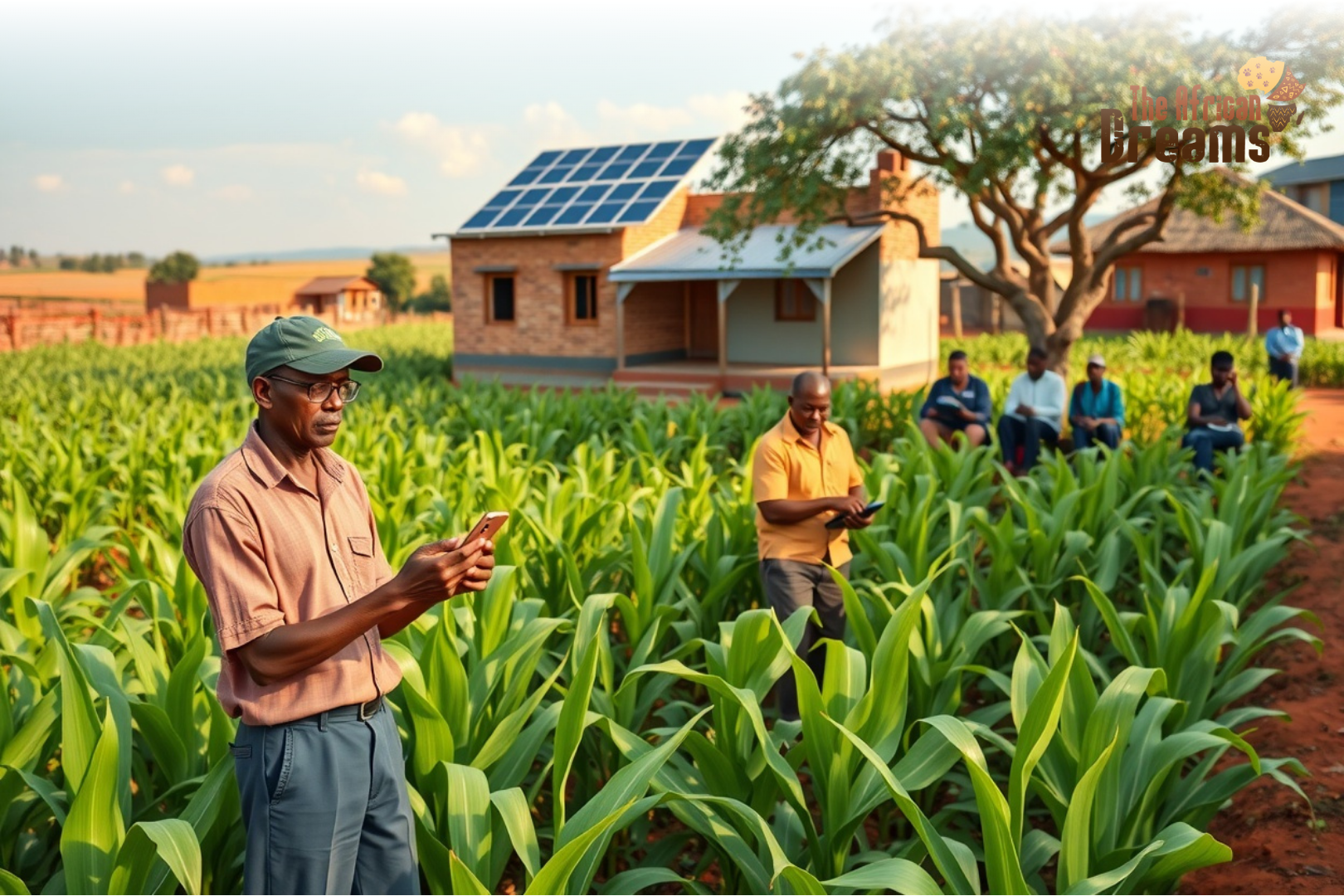
Introduction: Digital Transformation in Malawi
Malawi, known as the “Warm Heart of Africa”, is changing. Today, digital transformation in Malawi is happening in every aspect of the country. Because one of the biggest changes is that more people in Malawi are using technology in their daily lives than before. More and more people are using mobile phones, the internet, and simple apps to do things like send money, learn new skills, or talk to a doctor without leaving their village. This shift toward using technology is called digital transformation.
This change is important because it can help improve the lives of many people. With the right technologies, students from remote areas can learn online. Farmers can use their phones for farming, for example, checking the prices. Business owners can start an online business; they won’t need physical shops anymore. In this article, we will discuss how Malawi’s lives are changing due to digital transformation.
Article Highlights
Why Technology is important in digital transformation in Malawi
How digital transformation in Malawi is improving the country with technology
Problems that need to be addressed
Future Forecast if this change continues
Malawi’s Digital Transformation: Why it Matters
Malawi’s economy greatly depends on agriculture. Many people are involved in farming. However, the agricultural sector faces many challenges in Malawi. Climate change is one of them. Due to unpredictable weather, crops are affected. These issues leave farmers vulnerable and often unable to predict how much they will earn. Digital transformation in Malawi, however, can play a big role in helping Malawi overcome these problems.
Connecting Farmers to Markets
In Malawi, many farmers have limited access to information that could help them make better decisions about when and where to sell their crops. Digital technology makes a difference here. For example, mobile apps can help farmers with weather forecasts. They can also learn about crop prices and farming techniques online.
All this information helps farmers make informed decisions. They can reduce risks by improving their decision-making style. With this information, farmers can make informed decisions which reduce the risks and improve their chances of earning profits.
Farmers can also use mobiles to communicate with buyers, clients, etc., to negotiate, which helps them find the best prices. Digital tools help farmers so they can ensure a stable income.
Improving Education
Education is also an area where digital technology has a significant impact. In Malawi, especially in rural areas, many people face challenges due to the long distances to schools. Lack of resources, such as books, is also another problem. Digital tools can bring education to students in remote areas through online platforms. Online learning platforms, educational videos and mobile apps provide valuable resources to help students learn without physical classrooms.
Enhancing Healthcare
In many rural areas in Malawi, there are not enough doctors and healthcare facilities are not available. This can be difficult for people to access medical help. This is where telemedicine comes in. It allows healthcare workers in rural areas to connect with doctors in cities via video calls or phone consultations. This way, people can receive support and guidance from doctors online without travelling long distances, especially in rural areas.
Promoting Small Business
Small businesses are a major part of Malawi’s economy. However, many of them operate without access to digital tools. Many businesses rely on cash payments and face-to-face sales, which limit their reach and growth. Digital payments and e-commerce are changing this.
Mobile money services like Airtel Money and TNM Mpamba enable businesses to make online transactions, making them faster and safer.
Additionally, the internet and social media also offer small businesses the chance to reach more customers outside their local area. By setting up online stores or promoting their products on social media, entrepreneurs can expand their customer base and increase their sales. This helps boost the local economy and provides small businesses with new opportunities to grow.
Digital Transformation in Malawi: Key Trends & Road to Progress
Malawi is slowly moving towards a digital transformation. There are still many problems to solve, but the progress is there. Technology is helping people in Malawi change their lifestyles to make activities faster and easier. Let’s talk about four important areas where digital transformation in Malawi is making changes in the right direction.
1. Digital Transaction: In many parts of Malawi, people do not have bank accounts. Services like Airtel Money and TNM Mpamba help people to transfer funds using their phone without going to the bank. They can also pay internet bills, water bills, etc., through their phones now. This way, more people can save, send and receive money despite living far from towns.
2. Internet Access: Only about 1 out of 5 people in Malawi uses the internet. However, steps have been taken to improve this situation. New cables have been added to connect Malawi to faster internet. These cables will also improve internet speed across the country.
Also, public Wi-Fi hotspots are being set up in busy areas like markets and town centers. These allow people to go online even if they don’t have internet at home. At the same time, internet prices are slowly becoming lower, which means more people can afford to use it. This helps people learn new things, talk to others, and find new ways to earn money.
3. Online Government Services: The government is now putting some services online to make things easier for everyone. For example, people can now register their businesses using the internet instead of going to offices and filling out many forms. Other services, such as paying taxes and applying for passports, are also becoming digital. This saves time and means people don’t have to stand in long lines. These changes help people get things done faster and with less stress. It also makes it easier to follow rules and get help when needed.
4. Technology in Farming: Farming is very important in Malawi. But many farmers don’t have access to good information about weather, crop prices, or better ways to grow food. Some mobile services now give this information to farmers through text messages or simple codes on their phones.
Even farmers without smartphones can get tips and weather updates. Some farmers also use drones to check their land and soil. Others use WhatsApp groups to share advice or agree on prices. These small tools help farmers grow more food and earn a bit more money.
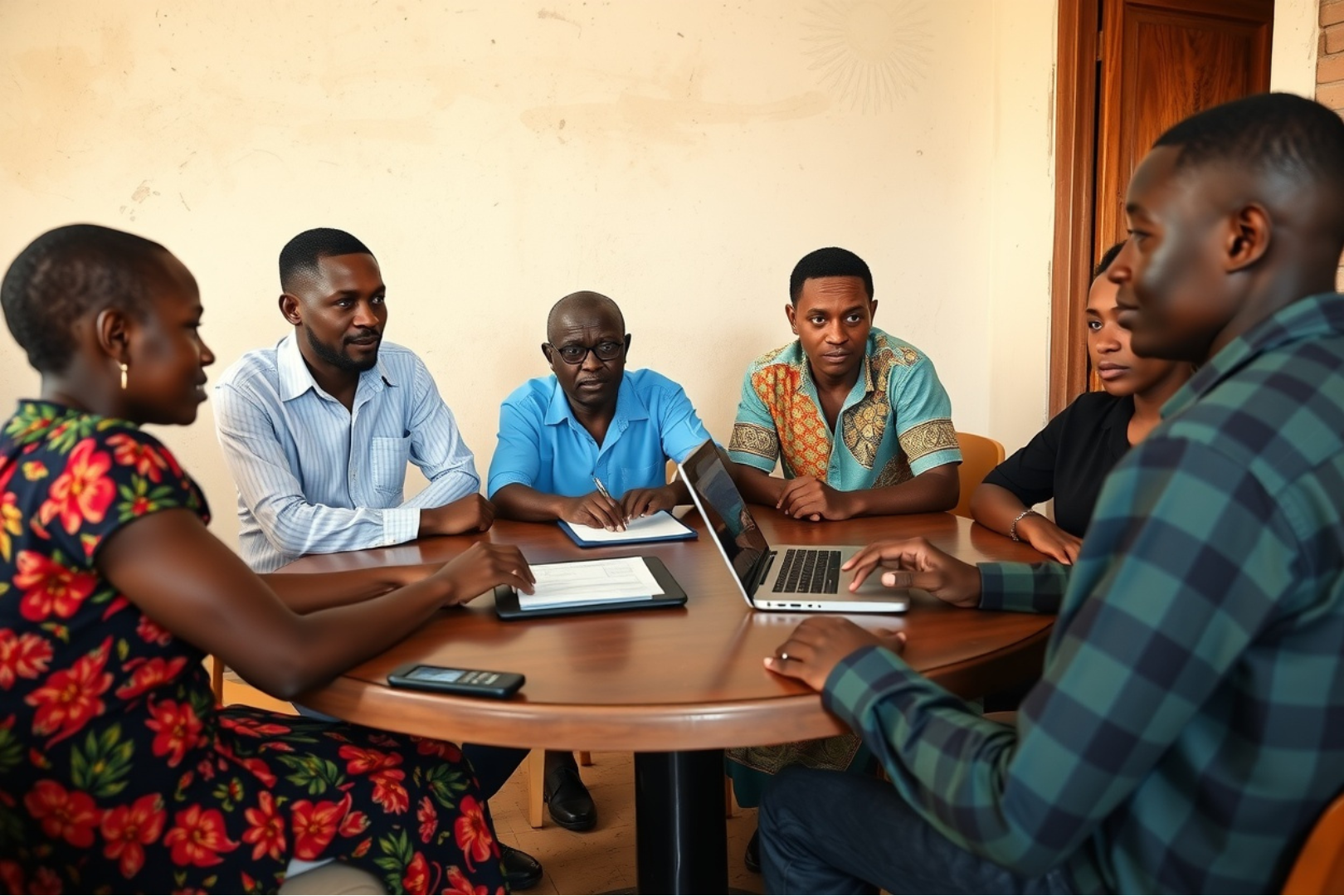
Photo: Malawians Move Towards a Digital Future
Challenges Malawi’s Digital Transformation Faces
Despite progress, digital transformation in Malawi faces hurdles:
- Limited Infrastructure
Electricity shortages (only about 12% of rural areas have power)
Poor road networks (making it hard to deliver tech equipment)
Expensive internet (still unaffordable for many)
- Low Digital Literacy
Many people, especially in villages, don’t know how to use smartphones or computers. Training programs are needed to bridge this gap.
- Funding Gaps
Tech startups struggle to find investors. Most funding comes from NGOs or foreign donors rather than local businesses.
- Policy & Regulation Issues
Laws around data privacy, cybersecurity, and digital rights are still developing. Clearer policies would encourage more investment.
How Technology is Changing Lives in Malawi
In the past few years, digital technology has started to make a real difference in the lives of many people in Malawi. While the country still faces challenges, there are already inspiring success stories that show how technology can change lives. Here are a few examples of how small digital tools have had a big impact on different communities in Malawi.
Farmers Using Mobile Apps
In the capital city of Lilongwe, a group of farmers has found a simple yet powerful way to improve their farming business. These farmers use an app called “Farmbook” to track their expenses, sales, and other important details about their crops. Before they started using the app, they would keep track of everything by memory or by writing things down on paper. This often led to mistakes and made it harder to make good business decisions.
With “Farmbook,” farmers can now easily see how much they spend and earn. They can also check how their crops are growing and see the prices at the market, which helps them make better choices. By using this app, they have become more organized and efficient, which has helped them manage their farming business better. This shows that even a simple mobile app can have a big impact on people’s lives, especially when it helps them make better decisions and run their businesses more smoothly.
Telemedicine in Remote Areas
Malawi has many rural areas that are far from big cities, where most doctors and healthcare services are located. This makes it difficult for people living in remote villages to get the medical help they need. To solve this problem, a startup called “Telemed Malawi” is using technology to connect people in these rural areas with doctors in the city. The way it works is simple but powerful: rural clinics are connected to doctors through video calls.
This means that patients who need to see a specialist don’t have to travel long distances to get help. Doctors in the cities can provide advice and even guide local nurses or health workers in the villages on how to treat patients. This service has already saved lives and made healthcare more accessible to people who would otherwise have had no way to see a doctor. Telemedicine has proven to be an important tool for providing healthcare to those in need, no matter how far away they are from a hospital.
Youth Learning Coding
Another inspiring success story comes from a group of young Malawians who are learning to code. Coding is the language used to create computer programs, websites, and apps. There are organizations in Malawi, such as “Code for Africa,” that are teaching young people how to write computer code and build digital solutions. These programs are giving young Malawians the skills they need to work in the tech industry.
For many of these young people, learning to code has opened up new opportunities. Some graduates of these coding programs have even managed to get jobs with international companies, working remotely from Malawi. This story shows how important it is to invest in young people’s education, especially in fields like coding, where there is a huge demand for skilled workers around the world.
Digital Transformation in Malawi: What’s Next?
Malawi’s future and digital transformation in Malawi depend on a few important steps. First, the government and tech companies need to work together to improve the country’s digital services. Making smartphones and internet data cheaper will help more people get online and use technology for everyday needs like education and healthcare.
It’s also important to teach more people how to use technology. There are many digital transformation projects in Malawi that the government is promoting lately. Schools and community centers can help people learn digital skills, especially young people who can take on jobs in technology. Supporting local businesses that focus on technology will create more jobs and help Malawi grow in different ways.
If these changes happen, Malawi could see more job opportunities, better access to education and healthcare, and a stronger economy. Digital transformation in Malawi is a huge part of the country’s movement towards innovation. The country’s digital future is full of possibilities, and taking these steps can help Malawi reach its full potential.
Final Words
The journey of digital transformation in Malawi won’t happen quickly, and there are still many challenges to overcome. However, the country is on the right path, and with the right investments in areas like infrastructure, education, and innovation, Malawi can open up new opportunities for its people with the ongoing digital transformation in Malawi.
Building a strong digital future takes time, but it’s worth the effort. The world around us is changing fast, with technology affecting almost every part of life. While Malawi might be a bit behind right now, it has a great opportunity to catch up with the help of the proper digital transformation strategy in Malawi. By taking the right steps, it can create a better future for everyone.
It’s not just about businesses or tech companies; it’s about people. The digital world can bring better access to services, more jobs, and new ways for people to grow. This is the time to invest in the digital transformation of Malawi, and it’s not just for investors; businesspeople and others who explore the potential of digital spaces can also see through this.



0 Comments