

Introduction: Why Coconuts Matter
Coconut farming has long been an overlooked sector in Kenya’s agriculture. Yet, it holds significant untapped potential for both local and international investors.
Along Kenya’s coast, thousands of smallholders grow coconuts. These trees not only support food security but also serve as a raw material for over 100 products.
With global demand for organic oils, coconut water, and eco-friendly products on the rise, Kenya is well-positioned to supply niche and high-volume markets.
In 2023, Kenya produced over 320 million coconuts. However, most of these are consumed locally, with only a small portion processed or exported.
As new technologies, better farming practices, and market access improve, investors can enter this space with strong growth prospects and long-term rewards.
This guide explores Kenya’s coconut farming industry, including market data, value chains, opportunities, and risks. If you’re seeking a sustainable and scalable investment, this sector deserves serious attention.
Article Highlights
Upon reading this article, you will be able to,
Understand the current state of coconut farming in Kenya, including production volumes, key regions, and employment impact.
Discover why Kenya’s coastal region offers a natural advantage for profitable coconut investment.
Learn how the coconut value chain—from farming to export—presents multiple income streams and business models.
Understand the key areas for investment, such as seedling nurseries, processing units, and export logistics.
Discover the government policies, tax incentives, and partnerships that support investors in the coconut sector.
Learn from real-life success stories of Kenyan entrepreneurs and cooperatives thriving in the coconut business.
Industry Overview: The State of Coconut Farming in Kenya
Production Statistics and Regional Distribution
Kenya is one of Africa’s largest coconut producers, with an annual output of over 320 million nuts. Most coconuts are grown in the coastal counties of Kilifi, Kwale, Mombasa, Lamu, and Tana River.
Kilifi alone accounts for more than 60% of national coconut production, making it a hotspot for commercial expansion.
Despite this, only 30% of Kenya’s coconut potential has been tapped, according to the Kenya Coconut Development Authority (KCDA). Most plantations are small-scale and underproductive.
Employment and Local Use Cases
Coconut farming supports over 200,000 rural households in Kenya. It contributes to food, shelter, and income for many communities.
Coconut is used for cooking oil, thatching, timber, utensils, crafts, and traditional medicine. Every part of the tree is useful in Kenyan homes.
Women often lead the small processing units, producing coconut oil and soap for sale in local markets.
Processing and Export Snapshot
Despite high production, Kenya has limited large-scale processing facilities. Many farmers sell raw nuts at low prices due to the lack of value addition.
However, a few small and medium enterprises have begun processing coconuts into oil, fiber, and charcoal. These businesses are mainly found in Kilifi and Kwale.
Exports remain low but growing. Kenya ships coconut oil, desiccated coconut, and charcoal to markets in the Middle East, Asia, and Europe.
The challenge lies in scaling up quality, branding, and certification to meet international standards.
Why Kenya is Ideal for Coconut Investment
Natural Agro-Climatic Advantage
Kenya’s coastal region has ideal conditions for coconut farming. The area receives reliable rainfall and has sandy-loam soil, which supports healthy coconut tree growth.
Temperatures range from 25°C to 32°C year-round. These stable tropical conditions allow consistent production with minimal risk of frost or extreme weather.
Kenya also has access to groundwater, which supports irrigation during dry seasons and boosts yields for commercial farms.
Untapped Acreage and Government Ambitions
Out of over 200,000 hectares of potential land, less than one-third is currently planted with coconuts. This leaves vast acreage open for new investors.
The Kenyan government, through the Kenya Coconut Development Authority (KCDA), is promoting coconut farming under national and county-level agricultural plans.
Programs include seedling distribution, training for farmers, and support for cooperative formation to boost productivity and income.
Strategic Regional Market Position
Kenya’s location makes it a trade gateway to East Africa and beyond. The Port of Mombasa is one of the busiest in the region and serves as a key export point.
From Kenya, processed coconut products can easily reach Uganda, Rwanda, South Sudan, and the Democratic Republic of Congo.
This access creates a regional trade hub for coconut-based FMCG products like oil, milk, water, and beauty items.
Coconut Value Chain Breakdown: From Farm to Market
Farming and Cultivation Methods
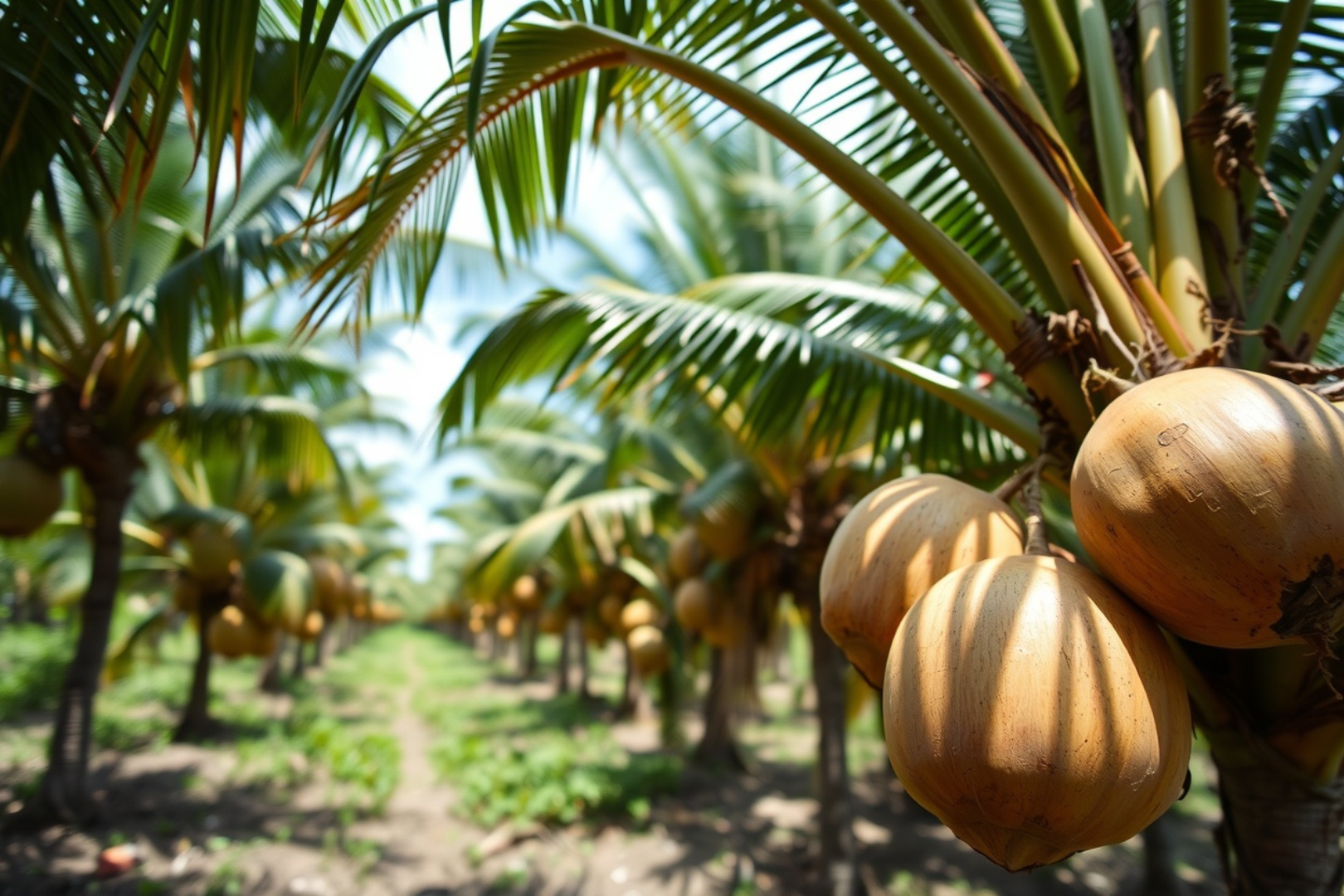
Coconut farming in Kenya is predominantly small-scale, with farmers using traditional methods. However, there is growing interest in modern farming practices to increase yields and improve efficiency.
Farmers typically plant hybrid varieties, which are more resistant to diseases and offer higher yields than traditional varieties. Proper spacing, soil health management, and pest control are key to maximizing coconut productivity.
There is also a shift toward integrated farming, where coconuts are combined with other crops like bananas, maize, and cassava to improve soil fertility and diversify income sources.
Post-Harvest Handling and Processing
Once harvested, coconuts undergo processing to extract various products. The most common method is copra drying, where the meat of the coconut is dried to produce copra for oil extraction.
However, cold pressing is becoming popular in Kenya for producing virgin coconut oil, a premium product with growing demand in the health and wellness market.
Other uses include producing coconut milk, which is a staple in Kenyan cooking, and desiccated coconut for the global market.
By-products and Value Addition
Coconuts offer more than just meat and water. Every part of the tree can be used, creating diverse income opportunities.
Coconut shells are used to make charcoal, which is a popular alternative to firewood in Kenya. The husk is also processed into ropes, mats, and even biodegradable packaging materials, promoting environmental sustainability.
In addition, coconut fiber is used for mattresses, mats, and furniture. These by-products add significant value to the coconut industry and create further market opportunities for investors.
Domestic vs. Export Markets
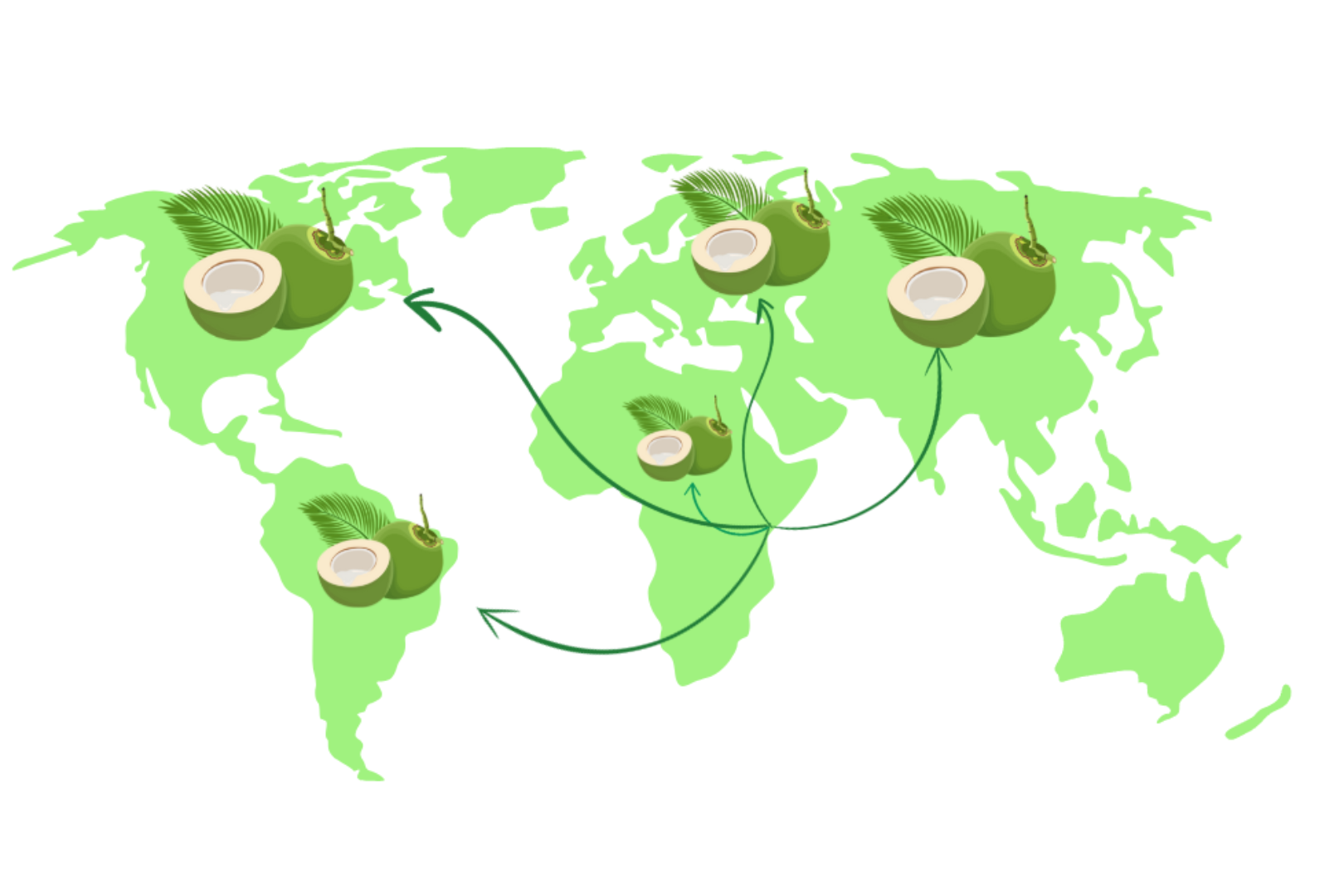
While Kenya’s coconut industry is mostly focused on domestic consumption, there is increasing potential for export. Products like coconut oil, water, and fiber have seen growing demand in markets across Europe, the Middle East, and Asia.
However, challenges like inconsistent quality, lack of branding, and small-scale production limits export growth. Scaling up processing capacity and adhering to international quality standards are essential for tapping into global markets.
Key Investment Opportunities in Kenya’s Coconut Sector
Nursery Development and Seedling Supply
One of the most promising investment opportunities in Kenya’s coconut industry is nursery development. There is an increasing demand for high-quality coconut seedlings, particularly hybrid varieties that offer better yields and disease resistance.
Investors can establish seedling nurseries that supply both local farmers and large commercial farms. This venture not only supports the industry’s growth but also provides a steady income stream from seedling sales.
Large-Scale Commercial Farms
Kenya’s coconut sector is ripe for large-scale farming investments. With vast amounts of unused arable land in coastal regions, establishing large plantations offers substantial long-term returns.
Investors can implement modern farming techniques, such as drip irrigation and mechanized harvesting, to significantly boost production and reduce costs. These farms can also serve as a source of raw material for processing facilities, enhancing the entire coconut value chain.
Processing and Packaging Units
As the demand for processed coconut products grows, investing in processing and packaging facilities is a key opportunity. Products like virgin coconut oil, desiccated coconut, and coconut milk have significant export potential.
Building state-of-the-art processing units that meet international standards and invest in eco-friendly packaging can give businesses a competitive edge in global markets.
Export Logistics and Distribution
Logistics and distribution are essential for expanding Kenya’s coconut industry beyond domestic markets. Establishing export-focused distribution networks that connect farmers, processors, and international buyers is a lucrative investment.
Partnering with freight forwarders and building storage facilities will streamline exports, reducing bottlenecks and lowering costs. Leveraging the Port of Mombasa’s strategic position can help maximize export opportunities to nearby regions.
Training and Agri-Tech Platforms
Investors can also tap into the growing demand for agricultural training and technology solutions. By supporting farmers through training programs or launching digital platforms, they can improve farming techniques, raise productivity, and increase yields.
Agri-tech solutions like crop management apps, market access platforms, and weather forecasting tools can help farmers make data-driven decisions. These platforms can be developed in partnership with local governments, agricultural agencies, and NGOs.
Market Trends and Demand Insights
Global Demand for Coconut Products
The global demand for coconut products has been on the rise, driven by the growing popularity of plant-based and natural products. Virgin coconut oil, for example, has gained significant traction in the health and wellness market due to its perceived benefits for skin, hair, and general well-being.
In addition, coconut water is a popular hydrating beverage, while coconut milk and cream are commonly used in vegan and dairy-free food products. This increasing demand presents a ripe opportunity for Kenyan coconut producers to expand their reach internationally.
Regional and Urban Consumption Growth
Within Kenya, urban centers like Nairobi, Kisumu, and Mombasa have seen a significant rise in demand for coconut-based products. More consumers are becoming health-conscious, opting for coconut oil over traditional cooking oils and seeking out coconut water as a refreshing, nutritious drink.
As awareness about the benefits of coconut products continues to grow, so will demand in both urban areas and neighboring East African countries. This trend provides a market for both local sales and regional exports.
Retail and E-Commerce Prospects
The rise of e-commerce in Kenya has opened new avenues for coconut product distribution. Retailers are increasingly listing coconut-based products on online platforms, catering to both local and international customers.
Investors can leverage the power of online marketplaces to reach more customers, particularly targeting health-conscious consumers seeking organic and natural coconut products. With a growing digital footprint, Kenya’s coconut industry has the potential to reach global markets with ease.
Policy Environment, Incentives, and Government Support
Regulatory Bodies and Guidelines
The Kenyan government plays a significant role in shaping the coconut farming sector through various regulatory bodies. The Kenya Coconut Development Authority (KCDA) is at the forefront of promoting the growth of the coconut industry. It works closely with farmers, investors, and stakeholders to ensure sustainable practices, fair trade, and quality standards.
The Agriculture and Food Authority (AFA) also oversees agricultural policy, which includes coconuts. These bodies work together to ensure that the sector remains organized, compliant with national standards, and globally competitive.
Tax Breaks and Agribusiness Incentives
Kenya offers several incentives for agribusiness investments, especially for large-scale farming and value addition. Investors in coconut farming may benefit from tax exemptions, reduced import duties on farming equipment, and low-interest loans for agri-processing facilities.
Additionally, coconut farmers who engage in modern farming techniques or value-added products may qualify for government subsidies and financial support through Kenya’s Vision 2030 and Big Four Agenda, which focus on agricultural modernization and job creation.
Investment Risks and How to Overcome Them
Climatic Vulnerabilities and Pests
Like any agricultural sector, coconut farming in Kenya faces risks from unpredictable weather patterns. The coastal region is prone to droughts, which can significantly reduce yields. Additionally, pests like the coconut mite and weevils can damage crops, reducing quality and productivity.
To mitigate these risks, investors can adopt climate-resilient coconut varieties and implement integrated pest management practices. Providing farmers with access to drought-resistant coconut varieties and training on pest control can help improve the sector’s resilience.
Market Linkage Gaps
Another challenge in Kenya’s coconut sector is the limited market linkages between farmers and processors. Many smallholder farmers face difficulties accessing processing facilities, leading to a large portion of coconuts being sold as raw nuts at low prices.
By investing in cooperatives, farm-to-market supply chains, and digital platforms, investors can bridge the gap between producers and processors, ensuring fair pricing and improved market access.
Land Access and Tenure
Accessing land for coconut farming can be difficult in some parts of Kenya. Land ownership issues, especially in coastal regions, may deter potential investors. The land tenure system can be complex, with disputes arising over land titles and ownership.
Investors should work closely with local authorities and legal experts to navigate these issues. Partnering with county governments or entering land lease agreements with farmers can offer more secure land access for commercial farming.
Success Stories: Coconut Entrepreneurs in Kenya
Case Study: Kilifi Coconut Processors
Kilifi Coconut Processors is a shining example of how small-scale coconut farming can grow into a thriving business. What started as a small family-run farm has now expanded into a processing unit that produces premium virgin coconut oil and desiccated coconut.
The company has established strong links with local farmers, ensuring a steady supply of high-quality coconuts. By focusing on organic products and adhering to international standards, Kilifi Coconut Processors has successfully entered the export market, shipping products to Europe and the Middle East.
This success story highlights the potential of value-added coconut products and the importance of forging strong farm-to-market connections.
Women-Led Enterprises in Coastal Kenya
In coastal Kenya, many women have leveraged the potential of the coconut sector to start their own businesses. One notable example is Mombasa Women Coconut Farmers, a cooperative of women who process coconut oil and soap.
With the support of local NGOs and government initiatives, these women have created a sustainable business model. By focusing on locally produced, organic coconut oil, the group has found a niche market in both local and regional markets. Their success proves that with the right training and support, women entrepreneurs can drive innovation and growth in the coconut sector.
Impact of Public-Private Partnerships
Several public-private partnerships have been instrumental in boosting the coconut farming industry. The Coconut Development Project has been one such initiative, bringing together local farmers, agribusinesses, and government agencies to develop sustainable farming practices, improve yields, and enhance value addition.
These partnerships have enabled farmers to access better inputs, training, and market access, while private investors benefit from a more sustainable and profitable supply chain. The future of coconut farming in Kenya looks promising as more collaborations emerge.
Conclusion: A Sustainable Investment for the Future
Kenya’s coconut farming industry offers numerous opportunities for growth and investment. With its favorable climate, vast untapped land, and emerging demand for coconut products both locally and globally, investors have a chance to tap into a sustainable and profitable sector.
The government’s support, coupled with increasing consumer demand for organic products, further enhances the attractiveness of this market. By focusing on value addition, modern farming practices, and export logistics, investors can make a significant impact on the industry.
While challenges such as climatic risks and land tenure issues remain, they can be mitigated with strategic planning and investments in climate-resilient practices and infrastructure.
As the global demand for coconut-based products continues to rise, Kenya is poised to become a leading producer and exporter. For investors looking for long-term growth, the coconut farming industry is a promising sector to consider.

0 Comments