
Introduction
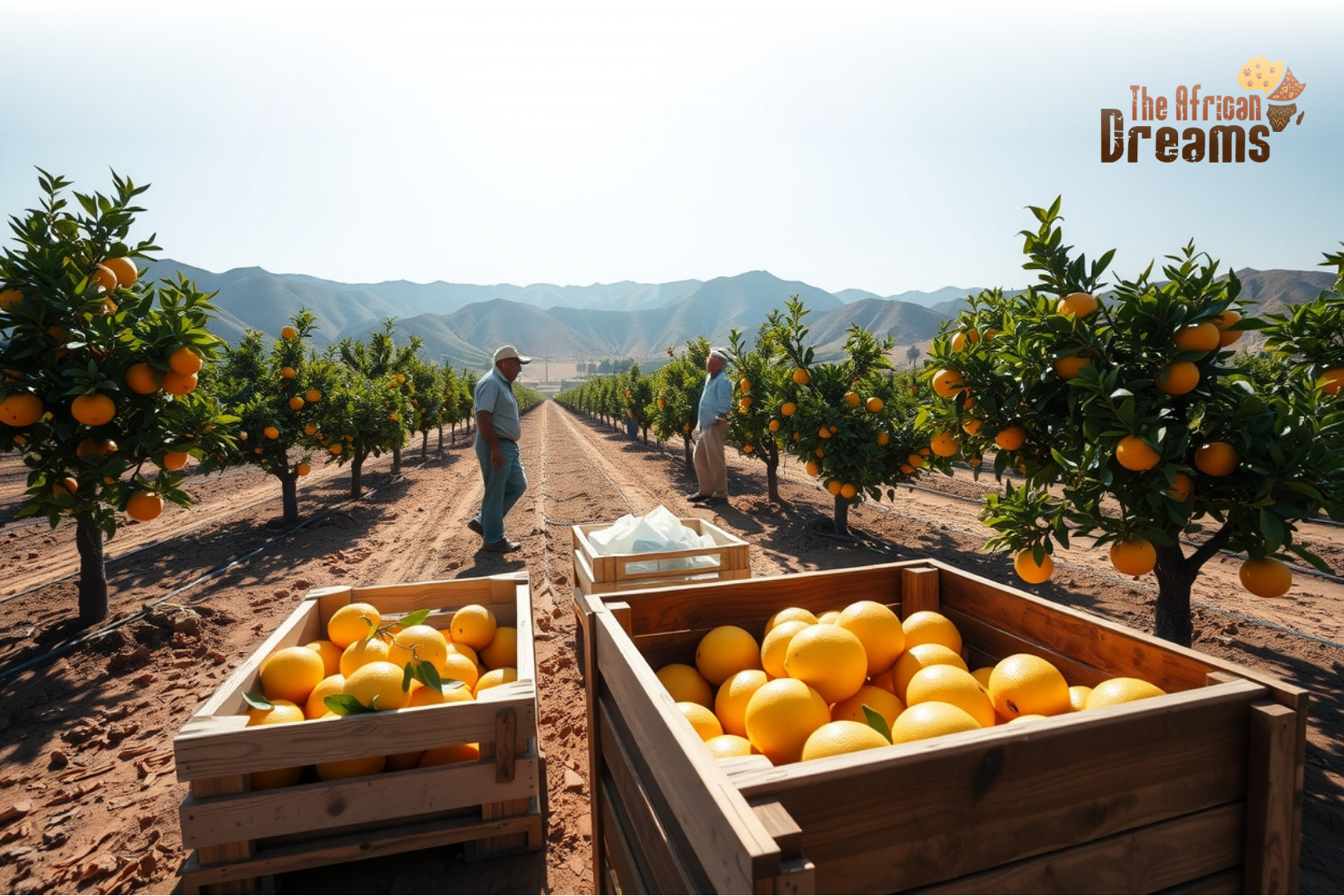
After years of political and other conflicts, Libya’s agriculture sector is finally getting stronger. Citrus fruits are standing out among the main crops produced in this sector of Libya. Oranges, lemons, limes, and mandarins are being grown in more and more places across the country. These fruits fit well with Libya’s hot, sunny weather and can grow even in areas where water is limited. That’s why citrus fruit farming in Libya is becoming a very interesting option for farmers and investors.
Most of Libya’s citrus comes from the north, especially Jabal al Akhdar and the coastal belt, where the soil and weather support citrus trees. However, many farms still use outdated tools and basic methods, and farmers lack sufficient support, training, and technology. Despite this, citrus fruits thrive, with local markets full of fresh oranges and lemons during harvest season. Demand is rising both locally and from neighboring countries.
The demand and the supply have a really big gap in between them. Thanks to this gap and several other reasons, which will be discussed in this content, investors can capitalize on this sector and secure a good profit. With better seeds, modern irrigation, improved pest control, and proper storage, citrus farms in Libya could grow much faster. More juice factories, cold storage centers, and packaging units could also help reduce waste and increase exports. For investors who want to enter agriculture in Libya, citrus fruit farming is a very direct and practical way to get started. It offers long-term value, growing local impact, and plenty of space to scale.
Current Market State of Citrus in Libya
Citrus farming in Libya is growing very strong. But with proper support this market can grow by a very big margin. In 2023, the country produced around 86,000 tonnes of citrus fruits from nearly 8,500 hectares of land. This was just slightly lower than the production in the year 2022, which shows that the production has stayed very strong even though there were not any major upgrades in the industry. Orange production is growing bigger in Libya. In the year 2022, Libyan farmers grew about 53,000 tonnes. Most citrus farms are still producing around 10 tonnes per hectare on average. This is a very decent yield but it can definitely get even better.
The people of Libya are buying citrus fruits more than they used to. The demand is growing very fast, especially in big cities. This huge demand can be seen during the harvest season. Oranges, lemons, and mandarins are common in markets and are a regular part of people’s diets. But despite strong demand, local production is not enough to meet it. A clear gap has formed between what people want and what the farms can supply. For example, in 2024, the lemon and lime market value dropped by 5.7%, down to about $21 million. The main reason behind this drop is that the supply of citrus fruits could not meet the demand of the Libyan people. Libya had to import from different countries to meet the demand of the Libyan people.
On the other hand, citrus exports from Libya are still extremely low. In 2020, the country exported only about $4,600 worth of fresh citrus fruits, an amount too small to have any real impact. Even processed citrus items, like preserved fruits, are not being exported in large volumes. One record from 2015 shows that only $29,000 worth of preserved citrus was sold abroad. This clearly shows that Libya has not tapped into the international market, even though the climate and land are ideal for citrus farming. The lack of cold storage, modern packaging, and export-focused planning has kept Libya out of the global citrus trade.
But this is where opportunity lies. Libya has the land, the sunshine, and strong local demand. What’s missing is the investment to take citrus farming to the next level. If farms get better seeds, more efficient irrigation, and good pest control, the yield per hectare can go much higher. If the country adds more juice factories, cold storage units, and packaging centers, it can reduce food waste and open the door to regional exports. Right now, Libya depends heavily on imports for citrus while exporting almost nothing. This imbalance gives smart investors a clear and strong chance to step in and lead the change.
To sum up, Libya’s citrus market is steady but underperforming. Local farmers are doing their best, but outdated tools and low support are holding them back. Meanwhile, the demand inside Libya keeps rising, and more citrus is being imported every year. With the right investment in farming technology and food processing, Libya could not only meet local demand but also start exporting. This market has a solid base, strong potential, and enough room to scale up. For investors looking for long-term value, citrus farming in Libya is one of the most practical and promising paths available today.
Why Libya Is Suited for Citrus Farming
Ideal Climate for Citrus Farming
Libya’s climate is more than perfect for citrus fruits farming. Most of the areas in the northern region of Libya get long hours of sunlight. These areas also have low humidity and comfortable mild winters. These are highly favorable conditions for citrus trees, which grow best in warm, sunny environments. Oranges, lemons, limes, and mandarins all respond well to this kind of weather, and Libya delivers it across a wide stretch of its coastal belt and upland plains. Although conditions can vary slightly across regions, the overall climate is strongly aligned with what citrus crops need to thrive and produce high yields.
Fertile Soil and Efficient Water Use
In regions like Jabal al Akhdar, the soil is not only fertile but also well-drained. This helps prevent root diseases and gives citrus trees the right environment to grow stronger. The land in those areas is famous for producing good quality fruits and vegetables. People have been farming citrus fruits in those lands for decades. Rainfall is limited in Libya, but the farmers of Libya have access to underground water sources. Various irrigation systems are also used to manage water more efficiently. Libyan farmers boost their yield by following these rules.
Land Availability and Strategic Location
Another important advantage is land availability. Libya has very wide stretches of underused agricultural land in its northern zone that are still seriously waiting to be cultivated. This opens up really strong possibilities for scaling citrus production. The country also sits in a very strategic location, close to major export markets like Southern Europe, Egypt, and the Gulf countries. With better roads, storage, and export handling, citrus from Libya could reach these markets much faster and much fresher than from many other places.
Unlocking Potential with Investments
Nature has given Libya the right conditions to succeed in citrus farming. Now, the challenge is to match that potential with the right investments in training, technology, and infrastructure. If done right, this can turn citrus into one of the most rewarding crops for both local farmers and foreign investors.
Investment Opportunities in Libya’s Citrus Sector
Libya’s citrus industry is at a turning point. The market demand is rising, the natural environment is ideal, and yet much of the supply chain remains underdeveloped. This creates very strong entry points for investors who want to tap into agriculture with long-term growth potential.
- Farm Modernization and Expansion
Most of the citrus farms in Libya still use old and basic tools. They also rely on old and outdated methods of farming. This is where investors can step in. Investors can invest in this sector by supporting the farmers with better and advanced tools and helping them to learn better methods. This will not only boost the economy of Libya but also secure a good profit for the investors and the farmers.
- Cold Storage and Post-Harvest Handling
One of the biggest reasons for citrus loss in Libya is the lack of cold storage. Oranges and lemons spoil quickly in high heat if not stored properly. By investing in cold rooms, packhouses, and basic sorting facilities, investors can seriously reduce waste and increase market value. This also opens the door for future exports, where fruit quality needs to be preserved from farm to port.
- Juice Processing and Value Addition
Right now, most citrus in Libya is sold as fresh fruit. There is very little processing happening. Investors can build juice factories, concentrate plants, or essential oil extraction units. These not only create new revenue streams but also provide a market for fruit that doesn’t meet fresh-sell standards. The value of processed citrus is very high, especially for export.
- Nurseries and Input Supply Businesses
There is a shortage of high-quality seedlings and farm inputs in the country. Setting up a professional nursery business can be a smart entry point with low risk and fast local demand.
- Export Logistics and Regional Trade
Libya has the best location for exporting citrus fruits. But the logistics sector of Libya still has a long way to go. Investors can invest in better packaging systems and many other better facilities. These can help Libya to export citrus fruits to nearby countries like Egypt, Tunisia and the UAE. Citrus fruit, especially oranges and lemons, has strong demand in these markets. A focused export operation could see very fast returns.
Libya’s citrus sector doesn’t need to be reinvented, it just needs the right push. Each of these areas offers practical, scalable, and profitable options for investors. The conditions are already favorable. With the right steps, citrus can seriously become one of the country’s most valuable agricultural exports.
Challenges and Risks in Libya’s Citrus Sector
Even though the citrus sector in Libya has very strong potential, there are some challenges that investors need to keep in mind before investing in this sector.
- One of the biggest problems is the lack of proper infrastructure. Many citrus-producing areas still do not have good roads, storage facilities, or transport systems. This makes it very hard for the farmers to move fruits on time. Because of this, a big portion of the produce goes bad before even reaching the markets.
- Libya’s citrus sector still lacks skilled workers and farmers. Most of the Libyan farmers in this sector do not have the required knowledge to farm more efficiently. Most of the Libyan farmers still farm using very old methods. Without proper training and better techniques, getting better results by investing can be a little difficult.
- Water management is also an issue. While some areas have access to water, others face shortages. If the water supply is not planned carefully, it can hurt the growth of citrus farms in the future.
- Also, Libya’s paperwork and approval processes are still very slow. Getting permits, importing tools, or managing land can take a lot of time. These things need local partners or extra effort to go smoothly.
But the good thing is, these problems are not permanent. With smart planning and the right support, these risks can be managed and solved step by step.
Success Stories from Libya’s Citrus Sector
Even with all the challenges, some farmers in Libya are already seeing very promising results from citrus farming. In the Jabal al Akhdar region, a small group of farmers started using drip irrigation and planted better-quality seedlings on their orange farms. In just about two seasons, their yields went up by nearly 40%, which is a seriously big jump for farms that had been stuck at the same level for years. The fruits also looked and tasted better, which helped them sell much faster in local markets. This kind of progress shows that with the right tools and support, even small changes can really push citrus farming forward.
Another farmer near Benghazi started growing lemons using advice from an agriculture expert and changed his pest control method. His fruits stayed fresh longer, and he started selling to markets outside his district for the first time. These small but real examples show that when farmers get the right tools and support, citrus farming in Libya can really grow fast.
Conclusion
Citrus farming in Libya is slowly becoming a good opportunity for both farmers and investors. The weather is right, the land is ready, and the local demand is growing every year. Many farmers are already trying to improve their farms, but they don’t have enough tools or support. With the right help, they can do much better.
There is still a big gap between how much citrus Libya grows and how much people want to buy. The country also brings in citrus from outside, but sells very little to other countries. This shows that there is still a lot of room to grow. If investors bring better tools, new ideas, and cold storage, they can really help this sector move forward.
Some farmers have already seen good results by making small changes. These early success stories prove that the sector is ready to grow. Citrus farming in Libya has significant economic potential. It contributes to local agriculture and creates export opportunities due to the country’s ideal climate and fertile land. With strategic investments in technology and infrastructure, the sector offers promising returns for investors. It also boosts local economies by creating jobs and increasing agricultural output. For investors who want a simple and strong option in agriculture, citrus farming is a very good place to start. It can help the local economy, support farmers, and bring good profits over time.
FAQs
- Why is citrus farming important in Libya?
Citrus fruits like oranges and lemons grow well in Libya’s weather. Many people eat these fruits daily, and demand is rising every year. This makes citrus farming important for both food and business. - What types of citrus fruits are grown in Libya?
The main citrus fruits grown in Libya are oranges, lemons, limes, and mandarins. Oranges are the most common. These fruits are sold in local markets and have potential for export in the future. - What are the main challenges in citrus farming?
Some key problems include poor roads, lack of cold storage, water issues, and low farming knowledge. But these can be solved with the right tools, training, and support. - How can investors invest in this sector?
Investors can help farmers by giving better tools, seeds, and irrigation systems. They can also build cold storage, juice factories, or nurseries. Working with local partners makes the process easier. - Is there profit in citrus farming in Libya?
Yes, there is strong profit potential. Demand is growing, and many farms are not yet modern. With the right investment, returns can be good in both local and export markets.






0 Comments