
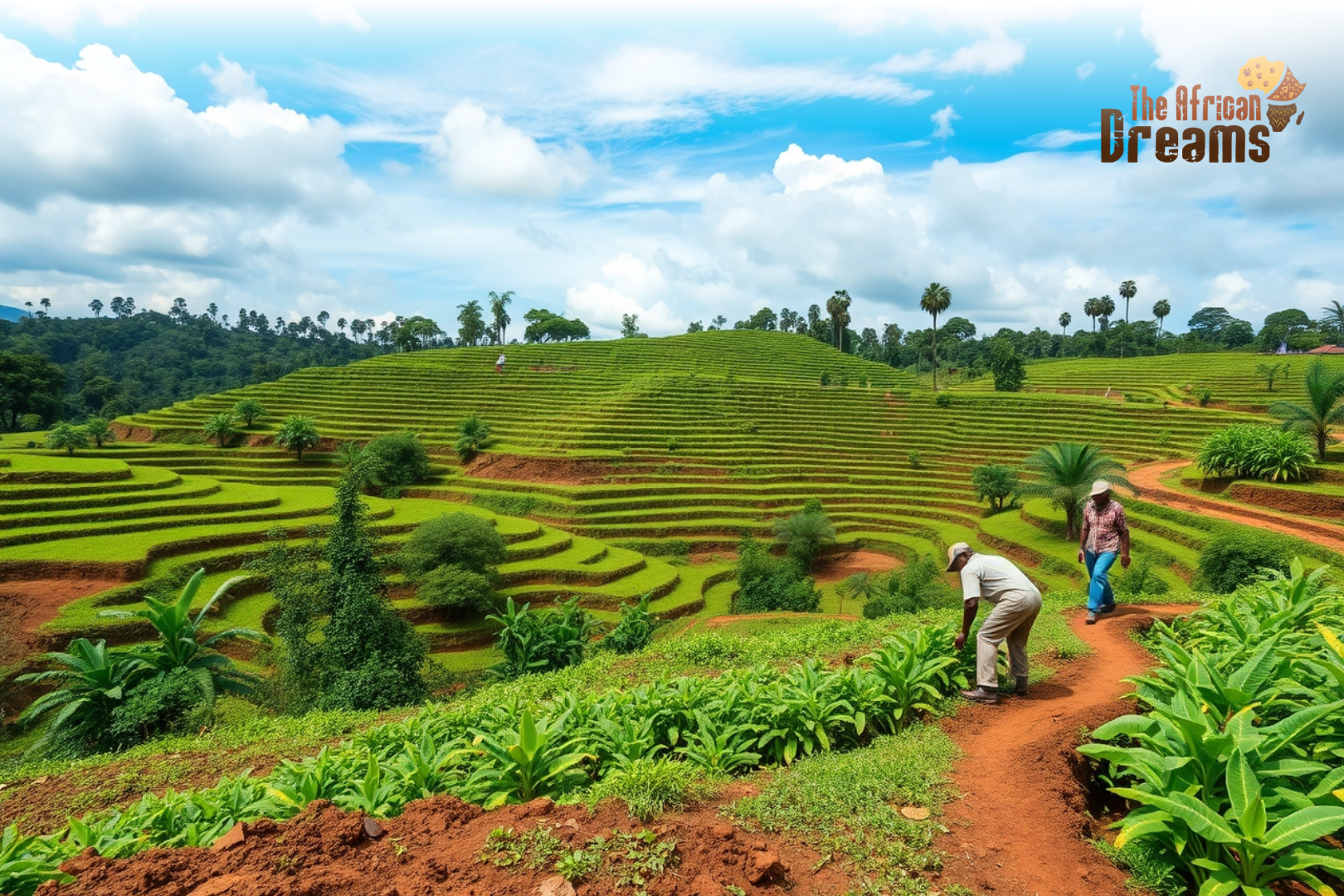
Explore Burundi’s Climate-Smart Agriculture
Burundi’s agriculture sector is the primary source of employment, providing people with daily essentials. It is an East African country affected by poverty and food insecurity. Its agriculture is its lifeline, facing continuous challenges such as lower production and being hampered by climate change.
However, the situation can be changed by implementing climate-smart agriculture. Burundi’s climate-smart agriculture is a game-changer that could turn the cards and bring back Burundi’s fortune. With proper actions and investments, there are several opportunities in this sector.
In this article, we will discuss the practices of Burundi’s climate-smart agriculture, its challenges, and how to turn these challenges into opportunities.
Article Highlights
Burundi is entirely dependent on agriculture, but the sector has several constraints.
The country can turn the sector by adopting the latest practices of Burundi’s climate-smart agriculture.
Investment in Burundi’s climate-smart agriculture can be a quick and sustainable solution to get the country out of poverty.
An Overview of Agriculture in Burundi
Burundi is one of the most densely populated countries in Africa and also one of the poorest. About 70% of the people live below the poverty line with an average income of less than a dollar per day. The country has been fighting poverty since time immemorial.
Agriculture is dominating the economy, but food security and economic sustainability are still vague. With several challenges affecting the field, the country’s continuous effort to get out of poverty is possible in some ways.
Burundi’s economy is heavily dependent on agriculture. The sector provides 85% of employment to the workforce, so all economic activities are centred on it. Commercial agriculture is the key driver of its export earnings.
The main crops in Burundi are coffee, sweet potatoes, tea, maize, rice, sorghum, cassava, bananas, etc. Among these, coffee and tea are the primary export products. Most of the produced crops are consumed domestically, with a minimal amount exported. Production is based on subsistence farmers who operate within a small piece of land.
Agriculture in Burundi faces a productivity crisis. The sector is facing a development constraint because of its population density and dependence on one sector. Old-fashioned techniques, accompanied by other issues like infrastructure, technology, value-processing, etc., are causing low productivity compared to potential yields. Burundi’s climate-smart agriculture helps address these challenges.
To explore the agricultural sector of Burundi, including its strengths, opportunities, and challenges, you can read Exploring the Agricultural Sector of Burundi.
What is Climate-Smart Agriculture?
Climate-Smart Agriculture (CSA) combines efforts to increase productivity by adapting to climate change issues and reducing greenhouse gas emissions. It focuses on creating a sustainable agricultural ecosystem that will contribute to global food security.
“Climate-smart agriculture (CSA) is an integrated approach to managing landscapes—cropland, livestock, forests, and fisheries–that addresses the interlinked challenges of food security and climate change.”-World Bank Group
CSA has a few objectives:
- Increase Productivity
- Adapting to climate change
- Minimize greenhouse gas emissions
There are some ways to achieve these objectives. While the actions may not be similar in each country that practices CSA, some of them are universal. Thus, they’re spotted everywhere, including Burundi. However, the key practices in CSA are as follows:
- Soil and Water Management
- Agroforestry
- Climate-resilient crops and livestock
- Livestock management
- Renewable energy use
- Early warning systems
Burundi’s climate-smart agriculture brings several benefits for both farmers and consumers. The primary benefit is its sustainability. Then, it provides economic growth by producing more crops. And finally, the environment is kept protected.
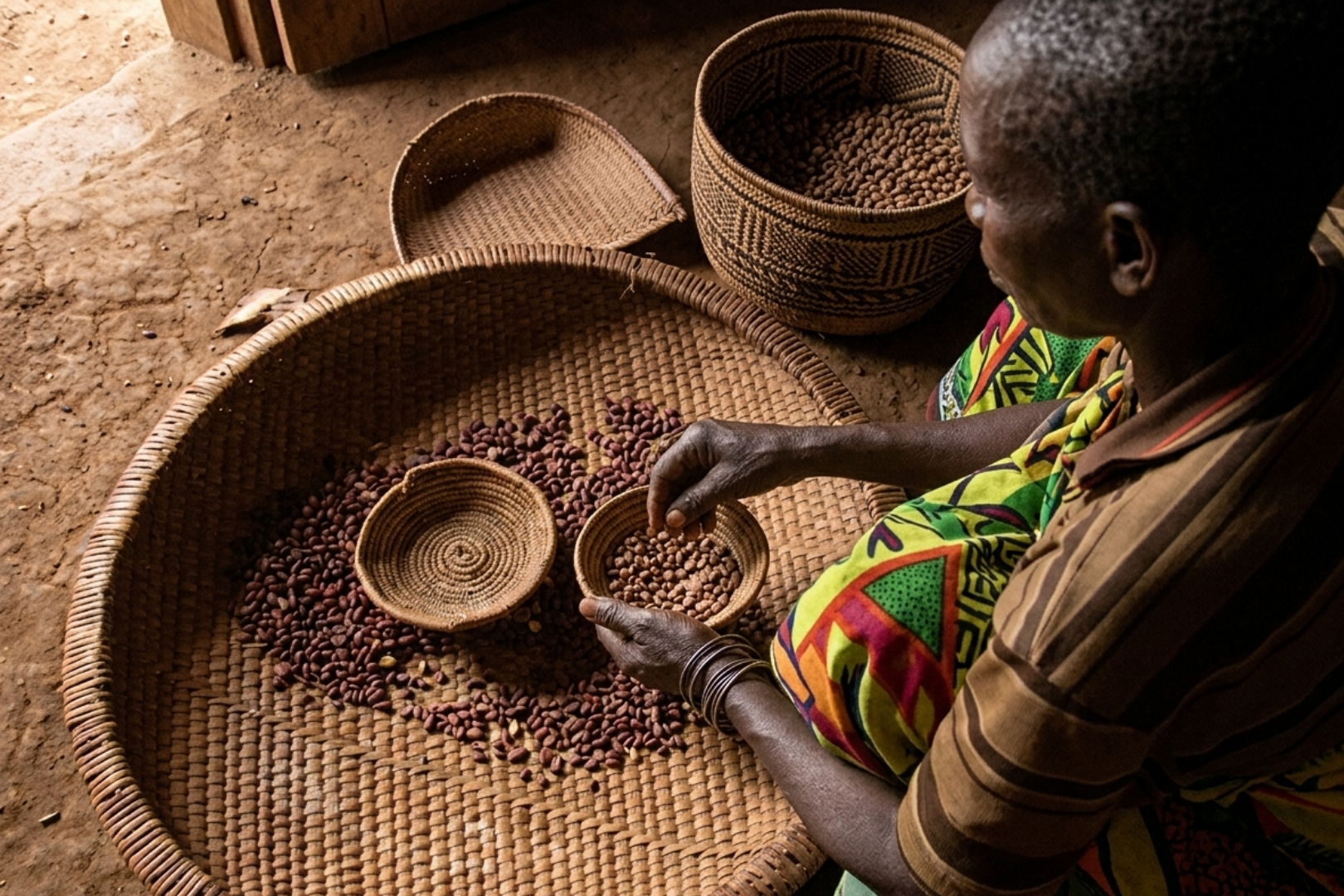
Challenges in Setting Burundi’s Climate-Smart Agriculture (CSA)
Climate-smart agriculture practices in Burundi are crucial. However, it is hard to implement as there are several challenges. Especially when poor countries like Burundi come up with such an initiative, it becomes harder. Implementing Burundi’s climate-smart agriculture is possible with collective efforts. Though there are challenges like:
1. Limited Financial Resources: This is a significant drawback for Burundi to implement climate-smart agriculture. Farmers couldn’t get their hands on or access affordable credit or loans. So, it becomes harder for them to invest in CSA tools. Without financial support, the transition from conventional farming to CSA methods remains a dying hope.
2. Inadequate Knowledge and Skills: The literacy rate in Burundi is around 80%, and it is even lower for the rural population. So, most of the farmers are unaware of modern techniques, and they lack the skill sets. Climate-smart practices require a decent amount of know-how on the techniques.
Thus, to make the farmers adapt to CSA practice, it is important to teach and train them with adequate knowledge.
3. Poor Infrastructure: Inadequate road networks and poor maintenance of the infrastructure are major hindrances to setting up Burundi’s climate-smart agriculture practices. As the goal is to mitigate the risks of climate change, infrastructure support is a much-needed thing for settling down the CSA practices.
4. Land Scarcity and Degradation: Burundi’s population is continuing to grow, and it will soon hit a massive number. The country has been suffering from limited land and assets. Most of the firms in Burundi are limited to a hectare of land.
Land scarcity is rising in Burundi, capping the potential. Besides, overuse of a single land without proper conservation practices causes soil erosion and infertility. It also makes the land nonresponsive to fertilizers. Thus, production becomes hampered.
5. Weak Policy and Institutional Support: Burundi has outlined the national policy and support programs for agriculture and climate change. However, the implementation of these policies is weak. The lack of coordination between the stakeholders and governing bodies is creating loopholes.
International organizations and NGOs are operating in Burundi to introduce programs that relate to CSA. But support from the government side is insufficient. Thus, the adaptation to CSA is still vague.
6. Climate Vulnerability: The ever-changing nature of the dynamic climate is a core concern for the farmers in Burundi. The small country has been a major sufferer of climate change. As the farming practices are rainwater-dependent, unpredictable rainfalls, prolonged droughts, and increasing temperatures are hampering production. On top of that, using generic seeds also makes the products vulnerable to climate change.
7. Limited Access to Technology: Most farmers in Burundi don’t have access to modern farming techniques and tools like high-quality seeds, irrigation systems, fertilizers, and knowledge. Extension services like knowledge sharing and community building are also absent in Burundi. Thus, the farmers are unaware of the benefits and confine themselves to the traditional system, losing yield each year.
8. Dependency on External Aid: Burundi cannot get out of poverty on its own, at least for now. It needs external support from public and private partnerships.
External aid from international organizations and NGOs is necessary for the country to set up and implement Burundi’s climate-smart agriculture practices. This also includes direct investments from individuals or organizations.
Opportunities in Burundi’s Climate-Smart Agriculture
Climate-smart agriculture provides many opportunities for Burundi. As an agriculture-dependent country, all the sub-sectors are directly connected to the overall economy (and GDP on a broader scale). Practicing CSA techniques will benefit the farmers and open endless opportunities for Burundi.
To explore the opportunities, there should be considerations for the possible solutions to the challenges. While challenges can be turned into opportunities, there are ways to kickstart the path forward.
Improving access to credit is a much-needed thing for the farmers. As the farmers are mostly smallholders, they’ll need microcredit loans. Access to these types of credits will enable them to invest in Burundi’s climate-smart agriculture technologies.
Awareness campaigns hold a similar value for the farmers. Creating awareness about climate change, its impact, and CSA techniques will empower the farmers to adopt sustainable practices.
To eliminate the knowledge gaps and build a community driven by modern techniques, the farmers must be brought under training programs. It will reduce the fear and anxiety of the farmers about implementing a new technique. In another sense, training and support are necessary to turn the challenges into opportunities.
1. Broader Market Access: The sub-Saharan farmers are fighting climate change with limited resources available. Multiple efforts were taken to develop, implement, and scale up climate-smart agricultural farming practices to help the farmers.
However, implementing Burundi’s climate-smart agriculture practices will continue to improve the quality of goods and services produced in the country. As the country already has a good reputation for producing high-quality coffee, it can utilize that impression to access broader market areas. Variety in farming and increased production will ease the process and will be sufficient to keep the supply consistent.
2. Employment Creation: Burundi’s climate-smart agriculture will also increase employment opportunities and create diverse sectors. Currently, the country’s four in five people are engaged in agricultural activities. When it takes a mainstream approach to incorporate the practices of climate-smart agriculture, the agriculture sector will get a whole new look.
Sub-sectors of agriculture, along with other associated service sectors, will also get a heads-up and new jobs will be created, fostering economic growth.
3. Eliminating Food Insecurity: The African agricultural system is more vulnerable to the effects of climate change than any other place on Earth. The fluctuation in temperature has a direct impact on food security and production in Africa. As the threat continues to rise, adapting to new techniques is required. While African countries suffer from food insecurity, climate-smart agriculture is a sustainable and future-proof option to choose.
Burundi’s climate-smart agriculture works on this issue. It implements sustainable agriculture practices to mitigate climate change effects on production and also keeps productivity intact. So, Burundi can use this approach to ensure food security for its people.
4. Strong Economy: Burundi’s economy is among the world’s poorest. With only USD 3.16 billion as GDP, most of the people are living below the poverty line. Agriculture, being the strongest pillar of its economy, needs acceleration to achieve a strong economy. And to scale up the agricultural sector, Burundi’s climate-smart agriculture is of great importance.
Case Studies
Africa is trying to adapt to climate-smart agriculture and modern farming practices. Countries like Burundi can now rely on the former one as it will take time to develop adequate infrastructure. There were several initiatives in the region to introduce CSA to the farmers. An example of this initiative is taken by the Africa Climate-Smart Agriculture (ACSA). It aimed to introduce and implement for about 25 million farmers to adopt CSA by 2025.
Other organizations like the International Fund for Agricultural Development (IFAD) are working in Burundi to support agriculture and its poor people. It has several ongoing operations in Burundi to develop the sector.
One of the programs is the value chain development program that aims to reduce poverty and improve food security in rural areas. It will also empower smallholder farmers by placing them at the center of the process. It will enhance the value of their produce goods and also boost their income.
The project is estimated to reach 77,500 rural family farm households or approximately 387,000 people. A report from IFAD showcased that about 5,761 people, including 3,457 women, received training. Besides, 26 seed multiplication associations have received seeds and other inputs with a value of US$141,573 as part of the intensified cultivation. Moreover, 1,500 farmers received improved breed cattle and were taught animal husbandry techniques.
The surprising thing is that the report is from 2012. A decade later, the numbers are so large that the journey to prosperity is near.
Scaling Burundi’s Climate-Smart Agriculture: Role of Investments
Burundi’s climate-smart agriculture is a necessary option to implement in the agricultural sector of the country. To scale up production and manage the threats of climate change, the country needs to adapt its practices faster than others.
- Investment from international, regional, local, or private entities can change the scenario. It will play an important role in fixing the ongoing problems.
- Investment in technology and innovation is the first key to enhancing both productivity and resilience to climate change. Climate-resilient seeds, irrigation systems, and precision farming tools can be the core areas to receive an investment. It will both boost productivity and bring ROI to the investors.
- Investment can also use the workforce in Burundi. More than 40% of people are under 15 years of age and competent to join the workforce. While agriculture employs four in five people, investment in this sector can make a significant impact. By generating more sub-sectors, it can ensure employment for the rural population.
- Capacity building is the next in line. Training programs and technical support are a must to increase production and quality. While these two are directly associated with earning more foreign currency, educating farmers on crop rotation, using technology, and pest management is urgent.
- Infrastructure development is crucial to reducing the transportation cost, which poses a major threat to the prices of Burundi’s products. Wash plants and processing factories are also needed to add more value to the produced crops.
- Besides these sectors, investment can also play a crucial role in financing the farmers, research and development, policy and institutional support, etc.
Final Thoughts
Burundi’s climate-smart agriculture is a modern approach to facing the challenges of global warming and climate change effects in the country. While Africa is lagging due to the economic crisis and ongoing turbulence in government, political, and social structures, Burundi is taking initiatives to promote and develop climate-smart agricultural practices.
Burundi is a poor country dependent on agriculture, and it is important for the country now to incorporate the practices of CSA. There are many challenges in practicing Burundi’s climate-smart agriculture, but there are opportunities as well. With investment in the country to get it out of the thin line, Burundi is able to make a great comeback with the help of climate-smart agriculture. With proper strategies and government support, it is on its way to growth and development.

0 Comments