
Introduction: Explore the Agricultural Sector of Burundi
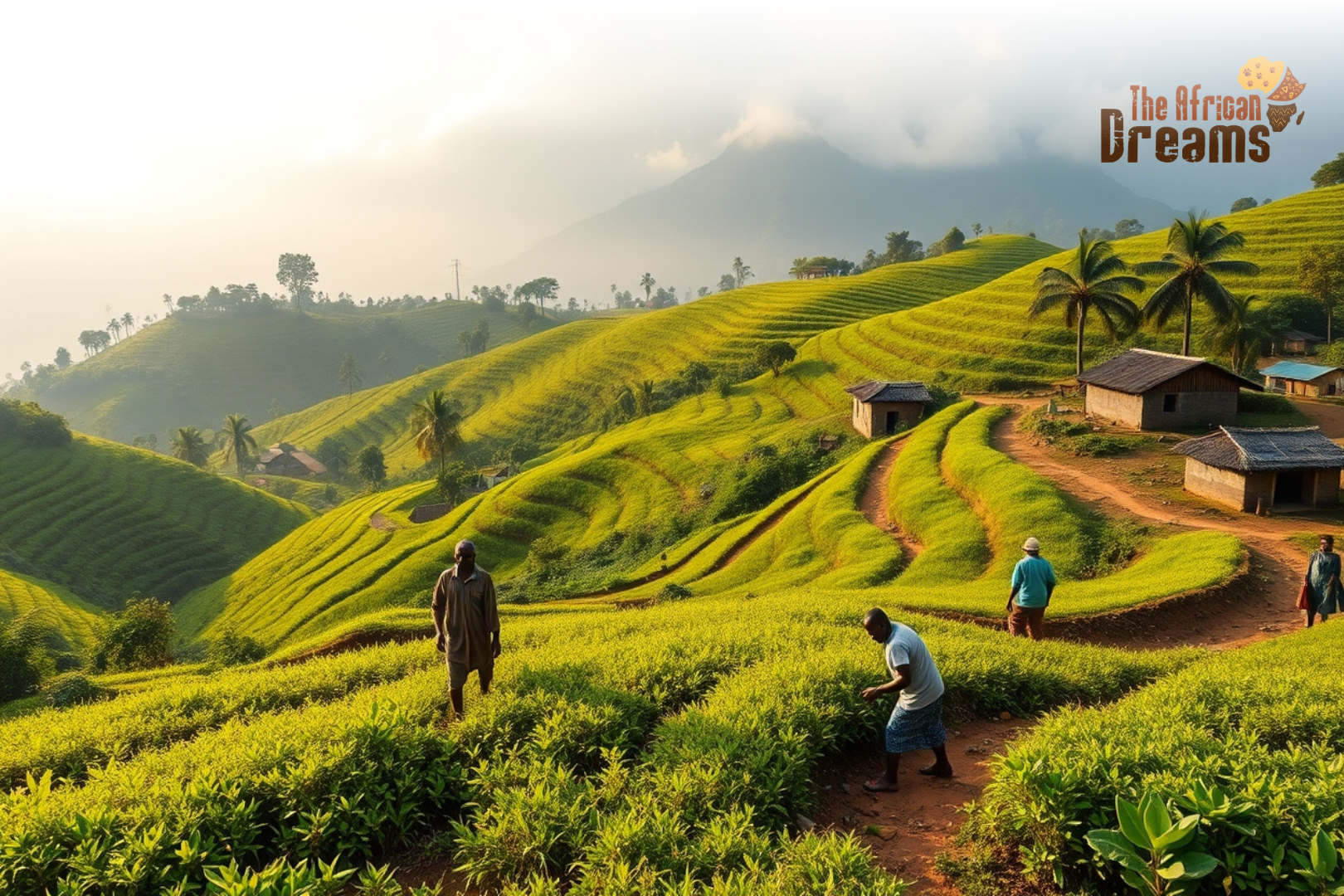
Burundi is a beautiful East African country popular for its fertile landscape and rolling hills. Agriculture is the go-to source of livelihood and a key driver of the economy. Contributing over 25% of the GDP, the sector also employs almost 80% of its population. It has significant potential for investment in modern farming and sustainable agricultural practices.
The country is famous for its export products such as coffee and tea. However, the climate here is challenging, comprised of limited infrastructure and an ever-changing climate. Despite these challenges, the country presents a significant opportunity for investors seeking to explore the agricultural sector of Burundi.
This article will explore the agricultural sector of Burundi, including its strengths, opportunities, and challenges.
Article Highlights
Agriculture is the key pillar of Burundi’s economy, contributing 30% of its GDP.
The country has several potential products for export to overseas markets.
There are challenges in the agricultural sector of Burundi, but the country can overcome these with proper policies and investments.
The Backbone of Economy: Role of Agriculture
Burundi is one of the poorest countries in the world. Thus, agriculture has inevitably become the major pillar of its economy. The sector has a 30% impact on the country’s GDP, marking its significant value. Four in five people in Burundi are directly employed by agriculture and its associated sectors.
The agricultural sector of Burundi also provides about 95% of the total food supply. Smallholders dominate the agriculture sector. Most of the people rely on subsistence farming for their livelihood. This dependency on agriculture raised the gap in commercial farming. So, the country suffers a major setback in exporting organic goods.
However, investment in the production of crops and organic goods can resolve the problem as well as improve overall efficiency.
The agricultural sector of Burundi plays a crucial role in Burundi’s export value. About 60% of its total income came from this sector in 2022. So, investment and implementing proper policies on agro-processing and value-added products can further increase the contribution from this sector.
Key Crops and Export Opportunities
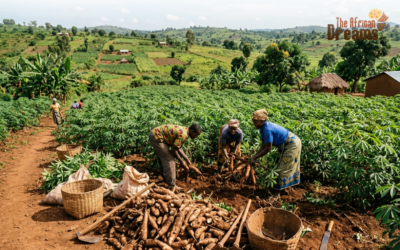
High-value crops like coffee, tea, bananas, beans, and sugarcane dominate the agricultural sector of Burundi. Both coffee and tea are playing from the forefront for Burundi in the export market.
Coffee: Coffee is the primary export product, while Arabica is the most sought-after species in the international markets. Burundi’s tea features a high-quality and sturdy flavor, making it another important export product.
Bananas and Beans: But food security comes with other products like bananas and beans. While coffee and tea dominate the export market, these two stand as the primary contributors to ensuring food security. Investing in these products is crucial to modernize and increase yields. Doing so will not only meet international demand but also cover the national need.
Burundi produced 15,000 metric tons of coffee in 2021 and generated millions from the export market.
However, limited processing facilities made the country suffer much as most of the profit is taken by international buyers. Thus, establishing processing units is yet another potential sector for investors to generate a massive return. Besides, it will boost the local economy.
Challenges Facing the Agriculture Sector
Burundi offers a promising future in agriculture and its associated sectors. But it also has some challenges that are preventing the country from reaching its full potential and production capacity. Primary challenges include
- Burundi has limited access to modern technology. The presence is so marginal that it has become the top hindrance for the agriculture sector.
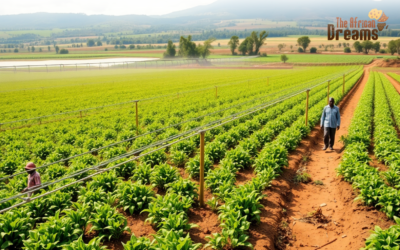
- Inadequate infrastructure, including a lack of an irrigation system,
- The effects of climate change. The country’s agriculture relies on rainfall as the primary source of water. But climate change has pressed the neck of these farmers. Inconsistent rainfall and soil erosion affect productivity a lot.
- Besides, most of the smallholders rely on ancient and conventional ways of farming. The narrow access to modern farming practices, price fluctuation, and the effect of climate change affected the country badly. Thus, reducing productivity and income.
- On the other hand, Burundi lacks agro-processing units. Thus, it has to export crops at a lower price, accelerating the profits for international buyers.
- Other challenges include post-harvest losses, pests, diseases, etc.
But these challenges can be easily overcome by initiating government and NGO-backed policies and improved strategies with
Investment Opportunities for Growth and Development
There is a vast potential for the agricultural sector of Burundi. The potential includes multiple sub-sectors, spanning a huge field of high returns. However, some key areas are as follows:
1. Organic Farming: This can be one of the best potentials to utilize. With proper planning and implementation, agriculture can bring a lot for any investor. The fertile soil and natural resources, if they can be blended with modern techniques, will provide a high return. Thus, it will cover a higher profit value.
2. Agro-Processing: This is a key sector that Burundi lacks. Inefficient agro-processing units are costing the country a large portion of its profits. Investment in agro-processing units and building infrastructures can bring a huge return by increasing the product price. For example, processed coffee could have brought 3-5 times the price it received in 2021.
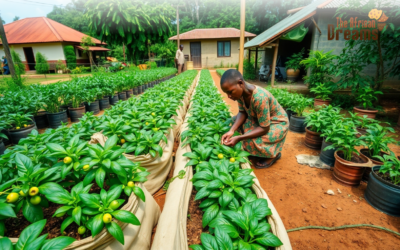
3. Technology Implementation: Introducing technology in agriculture can bring the highest yield and the most profit. Applying modern technologies in farming practices can ensure both the soil quality and fresh crops. Besides, it will ensure the highest yield in a year. And farmers can earn higher profits along with investors.
Burundi is growing its dreams around Vision 2040. Like Uganda, the country’s expectations are high, and it wants to reach its goals. Investment in the agricultural sector of Burundi will ensure a smooth journey to that goal. However, opportunities are not limited only to these three areas. They have several subsectors, such as infrastructure development, pest control initiatives, acquisitions, and more.
Final Words
The agricultural sector of Burundi offers many untapped opportunities. Despite several challenges, the country can build its future riding on the back of this sector alone. It needs to utilize the potential first. Agriculture is itself a diverse field. Thus, the potential is huge with limitless opportunities.
Investment can be the first step to reaching the goals. With its rich natural resources, potential, and government-backed strategies, investors will work to fuel the growth. Addressing the challenges can help investors unlock their potential and contribute to sustainable development.
You can also read about livestock farming in Burundi here: Livestock Farming in Burundi: A Way out of Poverty
0 Comments