
Introduction
In Zimbabwe, many individuals face significant challenges in achieving financial stability and improving their quality of life. In this article, we explore inspiring case studies from Zimbabwe that showcase how NGOs, such as The Africa Trust, have transformed lives and communities.
The Africa Trust
Established in 2010, The Africa Trust has been dedicated to delivering sustainable solutions to poverty across Africa. One of their key initiatives is providing entrepreneurial training and interest-free microfinance loans to empower individuals to start or expand their own businesses. This approach not only fosters self-reliance but also stimulates economic growth within communities.
Article Highlights
The Africa Trust’s mission to alleviate poverty through sustainable initiatives.
Detailed accounts of individuals who have benefited from entrepreneurial training and microfinance loans.
The ripple effect of these initiatives on broader community development.
Case Study 1: Vimbai Mutunda – Poultry Project
Background:
Vimbai Mutunda, a 34-year-old mother of two from Goromonzi, faced a lot of difficulties after her husband left her for another woman. With no stable income, she resorted to begging to provide for her children. Her living conditions were challenging, lacking basic amenities, and her children’s education was at risk due to unpaid school fees.
Intervention:
In 2022, Vimbai attended The Africa Trust’s business skills training program. The training equipped her with essential entrepreneurial skills, including financial management, marketing strategies, and business planning. Recognizing her potential, The Africa Trust provided her with an interest-free loan of £80 to kickstart her poultry business.
Implementation:
With the loan, Vimbai purchased 25 broiler chicks and the feed they needed. She applied the knowledge from her training effectively to manage the poultry project. Her dedication led to the successful rearing and sale of the chickens, allowing her to reinvest the profits into expanding her business. She gradually increased her stock to 50 chicks per cycle, ensuring a steady income stream.
Challenges:
Operating in an area prone to theft, Vimbai faced security challenges. To safeguard her investment, she housed the chickens in her bedroom, sacrificing personal comfort for the success of her business. Despite these hurdles, her resilience and determination kept her focused on her goals.
Outcomes:
1. Financial Independence: Vimbai’s poultry business became profitable, enabling her to support her family without relying on external assistance.
2. Improved Living Conditions: With her earnings, she constructed a toilet for her home, enhancing sanitation and living standards.
3. Children’s Education: She consistently pays her children’s school fees, ensuring uninterrupted education.
4. Community Engagement: Vimbai actively participates in a savings and loans group, fostering a culture of saving and financial literacy within her community.
Vimbai’s journey from a single mother to a successful entrepreneur exemplifies the transformative power of targeted support and personal determination.
Case Study 2: Noster Marembo – Gas Filling and Welding
Background:
Noster Marembo, a 40-year-old married mother of four, resided in Goromonzi. Primarily a housewife, she assisted her husband in his home-based welding business. Despite their combined efforts, they struggled financially, often failing to meet their children’s educational expenses.
Intervention:
In 2022, Noster attended The Africa Trust’s business skills training program. The training inspired her to take a more proactive role in her husband’s welding business and explore additional income-generating activities. Recognizing her potential, The Africa Trust provided her with an interest-free loan of £80 to diversify their income sources.
Implementation:
Utilizing the loan, Noster invested in equipment to start a domestic gas fuel selling business. She also applied the marketing and customer service skills acquired during the training to attract more clients to both the welding and gas businesses. Her strategic approach led to increased sales and a broader customer base.
Challenges:
Balancing two businesses while managing household responsibilities was demanding. However, Noster’s organizational skills and unwavering commitment enabled her to overcome these challenges and maintain a steady growth trajectory.
Outcomes:
1. Economic Empowerment: The dual businesses significantly improved the family’s financial situation, allowing them to save £100 within a few months.
2. Infrastructure Development: With their savings, they plan to install grid electricity in their home, enhancing their quality of life and business operations.
3. Loan Repayment: Noster successfully repaid the loan in full, demonstrating financial discipline and business acumen.
4. Community Influence: Her success story has inspired other community members, particularly women, to pursue entrepreneurial ventures.
Noster’s experience underscores the impact of entrepreneurial training and financial support in empowering individuals to create sustainable livelihoods.
Case Study 3: Josphine Alfos – Hair Salon
Background:
Josphine Alfos, a 35-year-old married mother of two from Eastview, Goromonzi, faced economic hardships after dropping out of school and marrying young. Her limited education restricted her employment opportunities, leading to financial instability for her family.
Intervention:
In 2022, Josphine participated in The Africa Trust’s business skills training program. Recognizing her interest in hairdressing, The Africa Trust provided her with an interest-free loan of £80 to establish a hair salon.
Implementation:
With the loan, Josphine purchased essential hairdressing equipment and set up a small salon at her home. She applied the business management and customer service skills acquired during the training to attract and retain clients.
Challenges:
Operating from home limited her visibility and client base. Balancing business operations with household responsibilities also posed challenges.
Outcomes:
1. Financial Improvement: The salon generated a steady income, improving the family’s financial situation.
2. Skill Development: Josphine enhanced her hairdressing skills, offering a wider range of services.
3. Community Impact: Her salon became a local hub, fostering community interactions and inspiring others to pursue vocational training.
Josphine’s journey illustrates how targeted support and personal initiative can lead to sustainable livelihoods and community development.
Case Study 4: Tafadzwa Roki – Learning and Study Centre
Background:
Tafadzwa Roki, a 22-year-old from Epworth, observed that local schools were overwhelmed and couldn’t accommodate the growing number of students in his community. Recognizing the need for additional educational support, he envisioned creating a study centre to assist students.
Intervention:
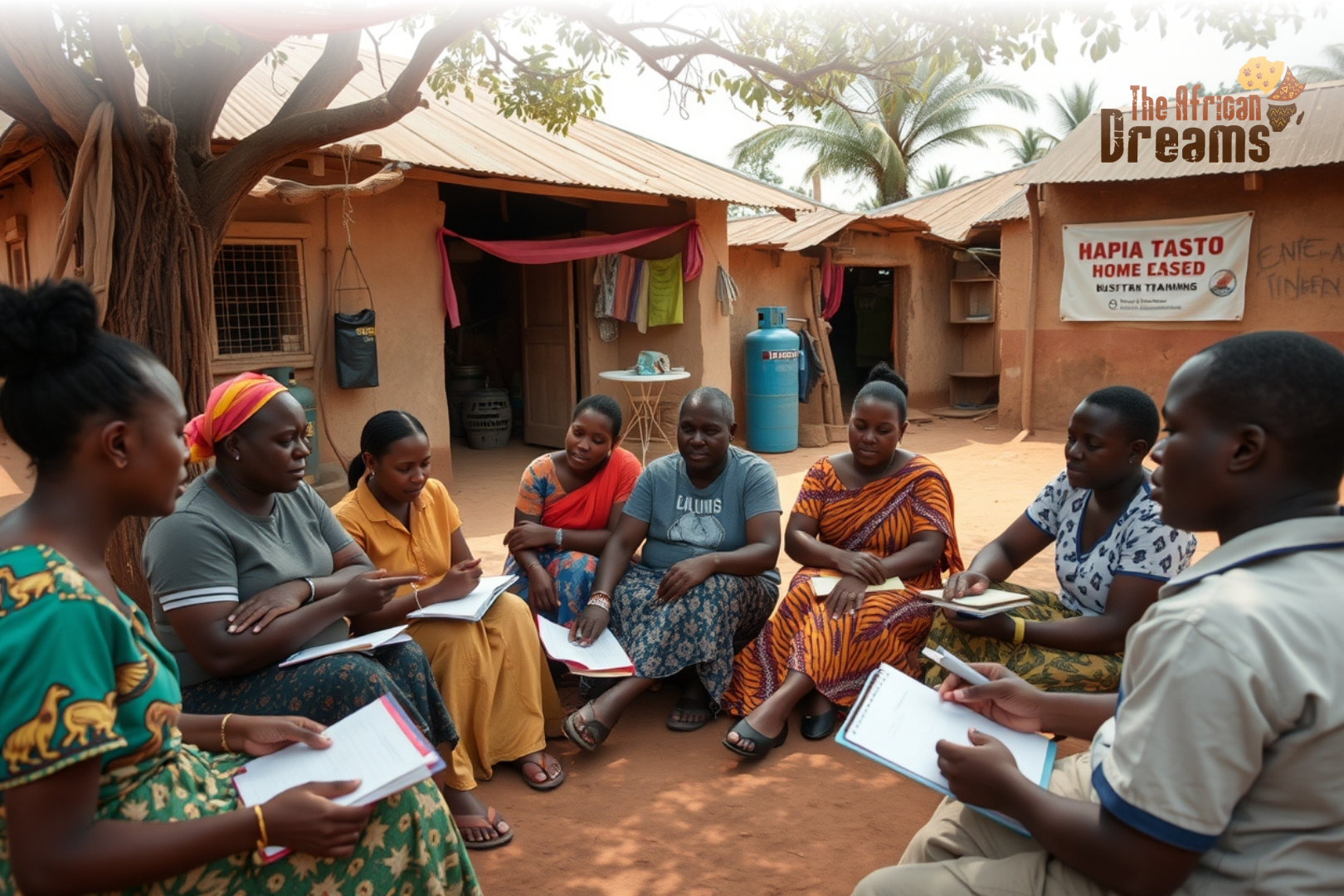
The Africa Trust facilitated business skills training sessions and introduced Micro Savings and Lending Associations in Epworth. Tafadzwa participated in these trainings, where he learned essential business management skills. He also received a small loan to kickstart his initiative.
Implementation:
With the acquired knowledge and financial support, Tafadzwa established a study centre in Epworth. He collaborated with qualified tutors to offer supplementary education to students, ensuring they received quality learning experiences.
Challenges:
Starting an educational venture required gaining trust from parents and students. Additionally, sourcing adequate learning materials and maintaining consistent attendance were initial hurdles.
Outcomes:
1. Educational Impact: The study centre provided a conducive learning environment, leading to improved academic performance among attendees.
2. Community Recognition: Tafadzwa’s initiative gained appreciation from the community, positioning him as a young leader dedicated to education.
3. Sustainability: The centre’s success allowed for reinvestment into resources, ensuring its continued operation and growth.
Tafadzwa’s proactive approach addressed a critical educational gap in his community, showcasing the potential of youth-led initiatives.
Case Study 5: Community Share Ownership Trusts (CSOTs) in Zimbabwe
Background:
In Zimbabwe, mining activities often took place in communities that didn’t directly benefit from the resources extracted. To address this disparity, the government introduced the Indigenisation and Economic Empowerment Act, mandating mining companies to cede 51% ownership to indigenous Zimbabweans and local communities.
Intervention:
Community Share Ownership Trusts (CSOTs) were established to ensure that communities where mining occurred received tangible benefits. These trusts were registered entities designed to manage and allocate resources for local development projects.
Implementation:
CSOTs facilitated the construction of infrastructure, such as schools and clinics, and supported various community development initiatives. They ensured that a portion of the mining profits was reinvested in the local areas, promoting sustainable development.
Challenges:
Some CSOTs faced challenges, including mismanagement of funds, lack of transparency, and conflicts between community members over resource allocation. Ensuring equitable distribution and maintaining trust were ongoing concerns.
Outcomes:
1. Infrastructure Development: Many communities witnessed the construction of essential facilities, improving access to education and healthcare.
2. Economic Empowerment: Local populations gained a stake in mining operations, leading to increased economic participation and benefits.
3. Community Engagement: The establishment of CSOTs encouraged active involvement of community members in decision-making processes related to local development.
The CSOT initiative highlighted the importance of involving local communities in resource management, aiming for equitable development and empowerment.
Case Study 6: Africa AHEAD’s Community Health Clubs in Zimbabwe
Background:
Zimbabwe faced challenges related to public health, including preventable diseases due to inadequate hygiene practices. To combat this, Africa AHEAD introduced the Community Health Club (CHC) model, focusing on community-led health education and development.
Intervention:
Africa AHEAD established CHCs across Zimbabwe, aiming to educate communities on health, hygiene, and sanitation. These clubs served as platforms for members to discuss health issues and implement collective actions to improve their well-being.
Implementation:
CHCs conducted regular sessions covering topics like disease prevention, sanitation, and nutrition. Members were encouraged to construct sanitary facilities, such as latrines and handwashing stations, and adopt better hygiene practices.
Challenges:
Some communities were initially resistant to change, and there were challenges in maintaining consistent participation. Resource constraints also limited the scale of infrastructure improvements in certain areas.
Outcomes:
1. Health Improvements: Communities with active CHCs reported reductions in waterborne diseases and improved overall health.
2. Behavioral Change: There was a noticeable shift towards better hygiene practices, with households adopting recommended behaviors.
3. Community Cohesion: The collective nature of CHCs strengthened social bonds, fostering a sense of unity and shared responsibility.
Africa AHEAD’s CHC model demonstrated the effectiveness of community-driven approaches in addressing public health challenges, leading to sustainable improvements in hygiene and health outcomes.
Case Study 7: Chipo Nyathi – Tailoring Business
Background:
Chipo Nyathi, a 28-year-old single mother from Mutare, Zimbabwe, faced financial hardships after the passing of her husband. With two young children to support and limited formal education, Chipo struggled to find stable employment. She possessed basic sewing skills but lacked the resources and business knowledge to turn her skills into a sustainable income source.
Intervention:
In 2023, Chipo learned about The Africa Trust’s entrepreneurial training programs. She enrolled in their business skills training, where she gained knowledge in financial management, marketing, and customer relations. Recognizing her potential, The Africa Trust provided Chipo with an interest-free loan of £100 to start her own tailoring business.
Implementation:
With the loan, Chipo purchased a sewing machine, fabrics, and other essential materials. She set up a small workspace in her home and began offering tailoring services to her community. Utilizing the marketing strategies learned during her training, Chipo advertised her services through local markets and social media platforms.
Challenges:
Chipo faced competition from established tailors in the area, making it challenging to attract a steady customer base initially. Balancing her responsibilities as a mother and a business owner also proved demanding, requiring effective time management.
Outcomes:
1. Business Growth: Over six months, Chipo’s dedication led to a growing clientele. She started receiving orders for school uniforms, traditional attire, and custom designs, increasing her income substantially.
2. Community Impact: Chipo’s success inspired other women in her community to pursue their entrepreneurial aspirations. She began offering basic sewing lessons, empowering others with valuable skills.
3. Personal Development: The business boosted Chipo’s confidence and provided financial stability for her family. She could afford a better education for her children and improve their living conditions.
Chipo’s journey exemplifies how targeted training and financial support can transform individual lives and uplift entire communities.
Conclusion
NGOs like The Africa Trust’s initiatives in Zimbabwe demonstrate the profound impact of entrepreneurial training and microfinance support. The stories of Vimbai, Noster, and Josphine highlight the transformative power of such interventions, leading to financial independence, improved living conditions, and enhanced community engagement. By focusing on sustainable solutions to poverty, NGOs like The Africa Trust empower individuals to create lasting change in their lives and communities.






0 Comments