
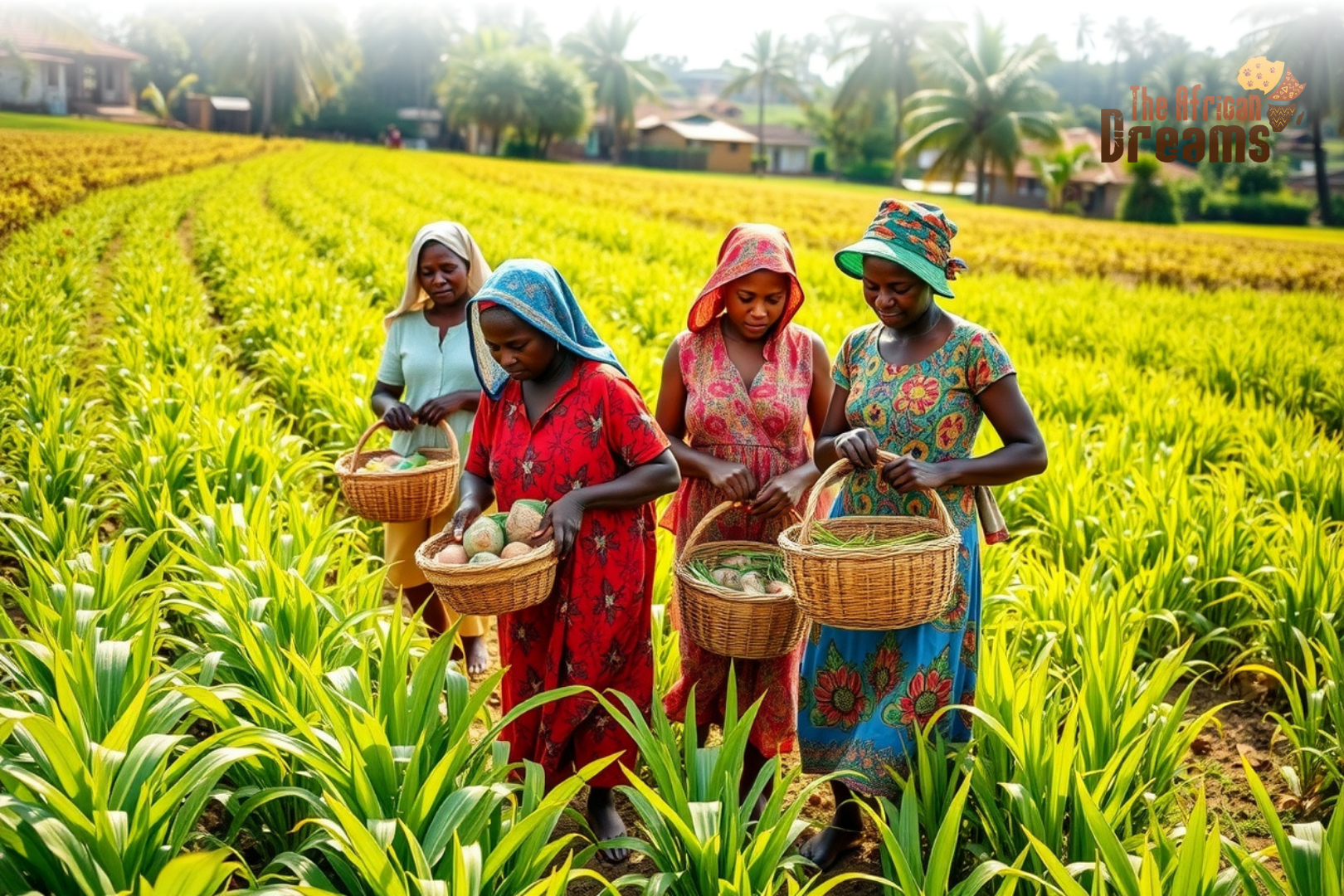
Agriculture is the heart of Liberia’s economy. It employs about 70% of its population. Women play a pivotal role in Liberia’s agriculture. Though their contributions often go unrecognized. This article sheds light on women’s critical role in Liberian agriculture, their challenges, and the opportunities for empowerment. In Liberia, many families depend on agriculture as their livelihood. Women, in particular, are central to this sector. They grow food, manage households, and contribute significantly to the nation’s economy. Despite their crucial role, they face many barriers that limit their potential.
Organizations like the World Bank and UN Women have recognized the importance of supporting these women. They have launched various initiatives aimed at enhancing women’s roles in agriculture. These efforts are vital for improving women’s lives and boosting the country’s overall agricultural productivity. This article explores how empowering female farmers can transform Liberia’s agricultural landscape. We will analyze what women farmers grow, how they get support, and their future opportunities.
Women's Contribution
In Liberia, women are the backbone of the agricultural sector. They make up about 80% of the agricultural workforce and play a crucial role in farming, processing, and selling food. Their work helps feed their families and the entire nation. They ensure food security for their communities, but their efforts often go unnoticed and unsupported.
These women do more than just farm work. They keep local markets alive and ensure there’s enough food for everyone. Projects funded by organizations like the World Bank have started to recognize and boost women’s roles in agribusiness. These projects provide jobs and help women become leaders in their fields.
In Liberia, women farmers primarily cultivate rice, cassava, and vegetables. Women’s involvement in agriculture enhances food security and contributes to economic stability and growth.
Challenges Women Face in Agribusiness
Women farmers in Liberia encounter numerous challenges that hinder their progress and limit their potential. Let’s have a look at these challenges.
1. Limited Access to Land: One of the most significant barriers is the limited access to land. Women in Liberia play a crucial role in agriculture. Despite this, cultural norms and legal frameworks often restrict women’s land ownership. As a result, their ability to expand their farming activities and secure financial support is affected.
2. Lack of Financial Literacy: Another major challenge is accessing financial services. Women farmers struggle to obtain the credit and loans necessary to invest in better agricultural inputs or expand operations. Financial institutions often view women as high-risk borrowers due to their lack of collateral, which is tied to the issue of land ownership. Rural women of Liberia also need more financial literacy. Not having financial literacy further limits their ability to communicate effectively with financial services.
3. Inadequate Agricultural Training: Education and training are also key areas where women farmers face challenges. Women face several types of discrimination. Consistent and widespread access to agricultural education and training remains uneven. Men’s education is prioritized over that of women. This disparity prevents women from adopting modern agricultural techniques. Adopting these techniques is necessary to boost productivity and sustainability.
4. The combination of these challenges shows that a multifaceted approach is required to support women in agriculture. Addressing these issues primarily involves improving access to resources. Additionally, changing societal attitudes and policies to create a more inclusive and supportive environment for women in the agricultural sector is necessary.
Empowering Women Farmers: Ongoing Projects
Empowering women in agriculture goes beyond the fields. It is about providing access to resources that enable them to thrive as farmers and entrepreneurs. This empowerment is crucial for fostering economic independence among women. Additionally, empowering women promotes gender equality in rural areas.
The importance of women’s work in agriculture in Liberia often needs to be recognized. To address this, projects funded by organizations like the World Bank have been instrumental. One such initiative is the Smallholder Agricultural Productivity Enhancement and Commercialization (SAPEC) project. SAPEC’s mission is to increase the productivity and profitability of smallholder farmers, especially women. This project provides training, resources, and access to markets. It aims to help women improve their farming techniques and grow as entrepreneurs and business leaders in agriculture.
Another significant project is the STAR Project (Support to Agricultural Revitalization). This project offers grants and business support to women in agribusiness. A woman named Miriam Mako had started a fruit business in Liberia. Grants from the STAR project enabled her to expand her business and employ more women. This example demonstrates the project’s impact on women’s economic empowerment.
Organizations have made efforts to enhance women’s access to agricultural resources. The UN Women’s Digital Inclusion for Women’s Economic Empowerment (D4WEE) project is a prime example. It focuses on boosting the digital capabilities of rural women, allowing them to market their products more widely. It also allows women to manage their businesses more efficiently. The project includes training in digital tools and platforms crucial for modern agribusiness operations.
The FAO has also been instrumental in supporting women through various initiatives. These include providing technical training and access to improved agricultural inputs and technologies. One impactful approach has been the establishment of Village Savings and Loan Associations (VSLAs). VSLAs enhance women’s financial literacy and provide them with the means to save money and access loans. This economic empowerment is vital for women investing in agricultural activities and expanding their operations.
Through these projects, Liberian women are gradually gaining recognition and support. Support is essential for elevating their status and contribution within the agricultural sector. These initiatives empower women and ensure improvement in Liberia’s agriculture.

0 Comments